



Exploring Efforts and Expectations for No-Code Implementation in SMEs
Unveiling the Challenges and Expectations of SMEs in Adopting No-Code Solutions
In a recent survey conducted by Ai-At OEC, a company based in Okayama, Japan, it has come to light that approximately 60% of small and medium enterprises (SMEs) are considering implementing new operational management systems to address their inefficiencies. As SMEs grapple with issues like dependence on specific personnel for tasks and the complications arising from using multiple tools, there is a pressing need for solutions that can streamline their operations.
The Context of the Survey
From September 12 to September 16, 2025, Ai-At OEC, using PRIZMA's internet survey services, gathered insights from 1,008 professionals working in SMEs with employee counts ranging from 50 to 300. The aim was to assess the challenges these businesses face in terms of operational efficiency and their propensity to consider the adoption of management applications.
High Awareness of Operational Inefficiencies
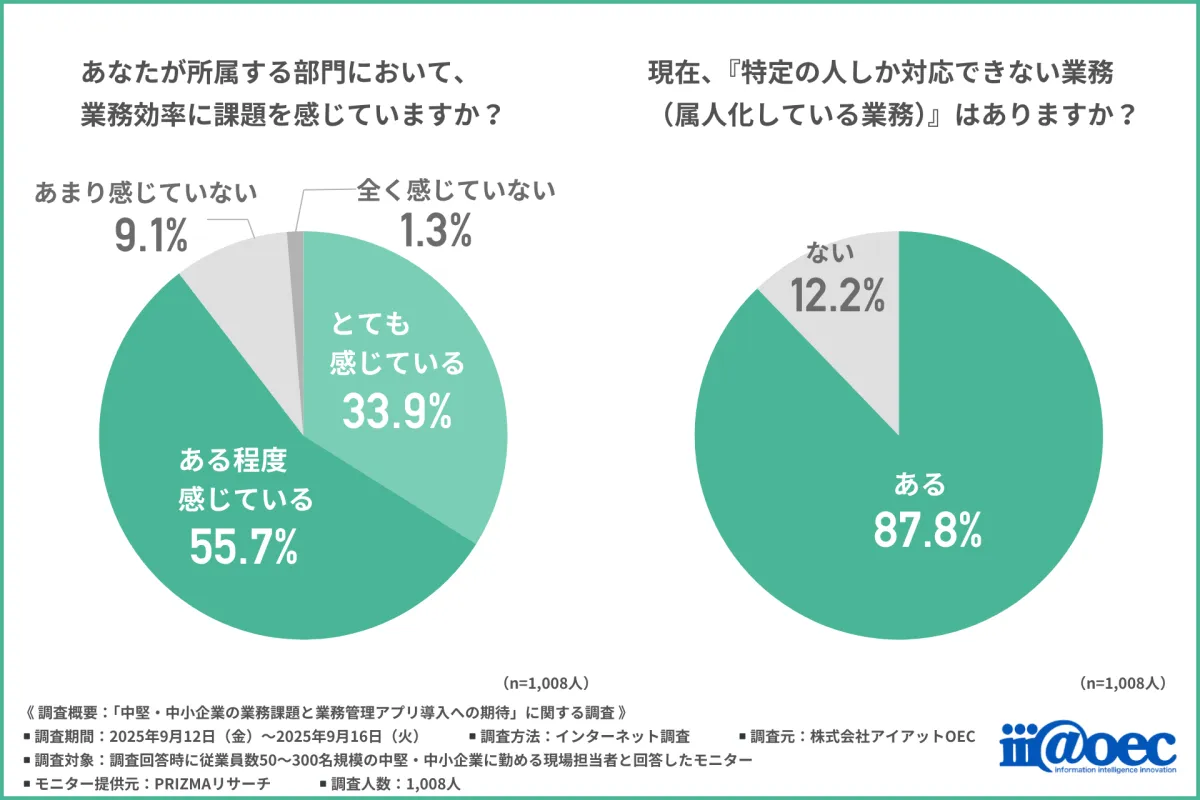
An astonishing 90% of respondents acknowledged experiencing challenges related to operational efficiency. More specifically, about 34% stated they feel such inefficiencies very intensely, indicating a critical awareness and recognition of the need for improvement within their respective companies.
The survey also revealed that nearly 90% of employees reported functions that could only be performed by specific individuals, underlining a commonplace reliance on particular personnel, known as 'task specialization.' This situation poses risks regarding continuity and succession during transitions, highlighting the crucial need for enhanced information-sharing methods and the visualization of workflows.
The Burden of Multiple Tools
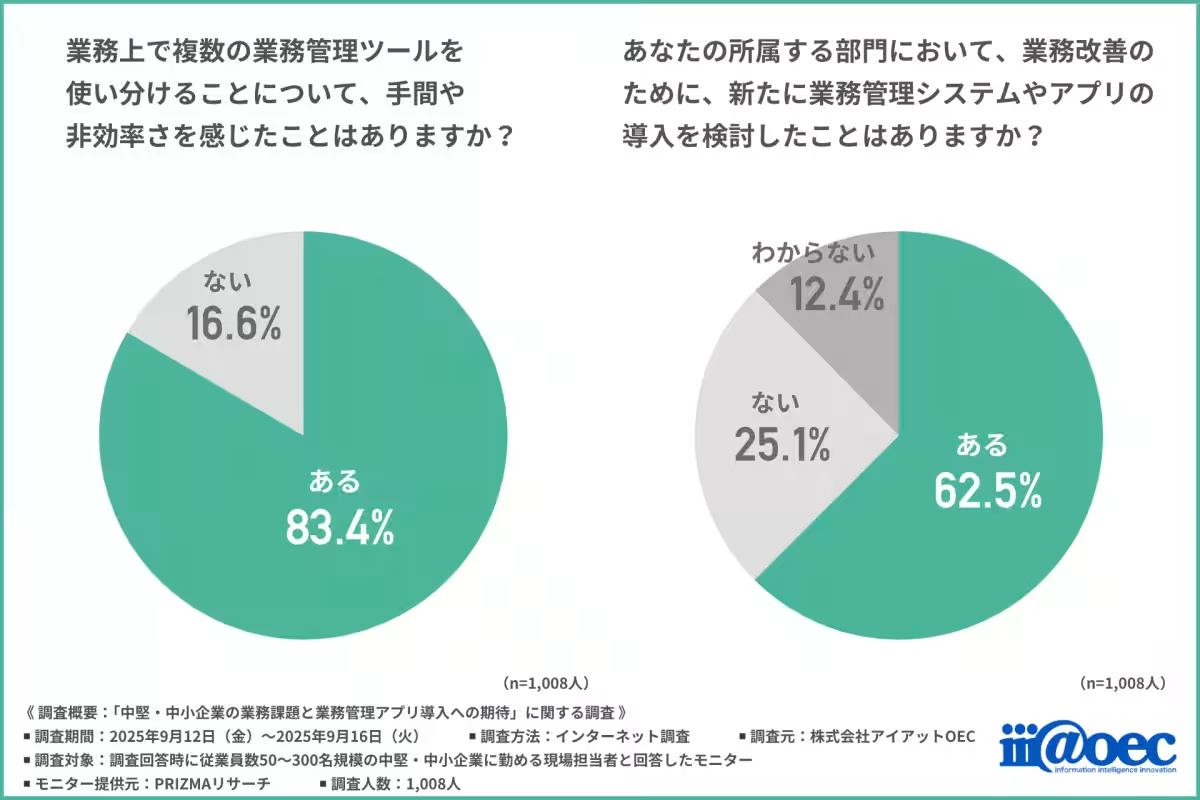
In the same vein, findings indicated that around 83% of respondents felt overwhelmed by the necessity to manage multiple operational tools, highlighting a pervasive inconsistency in the use of resources. These interviewees grapple with challenges such as the need to familiarize themselves with various tools, which consequently hampers their productivity due to the increased manual efforts required for maintaining data consistency between these disparate platforms.
Movement Toward New Management Systems
Despite the recognition of dependency and inefficiencies, there’s a measurable movement toward considering new management systems. Approximately 62.5% of professionals indicated that they had considered adopting new operational management systems or applications to improve their workflows. This statistic suggests that while there is a clear awareness of existing issues, some companies hesitate in the implementation phase due to constraints such as limited resources, lack of knowledge, or cost concerns.
No-Code Tools Gaining Traction
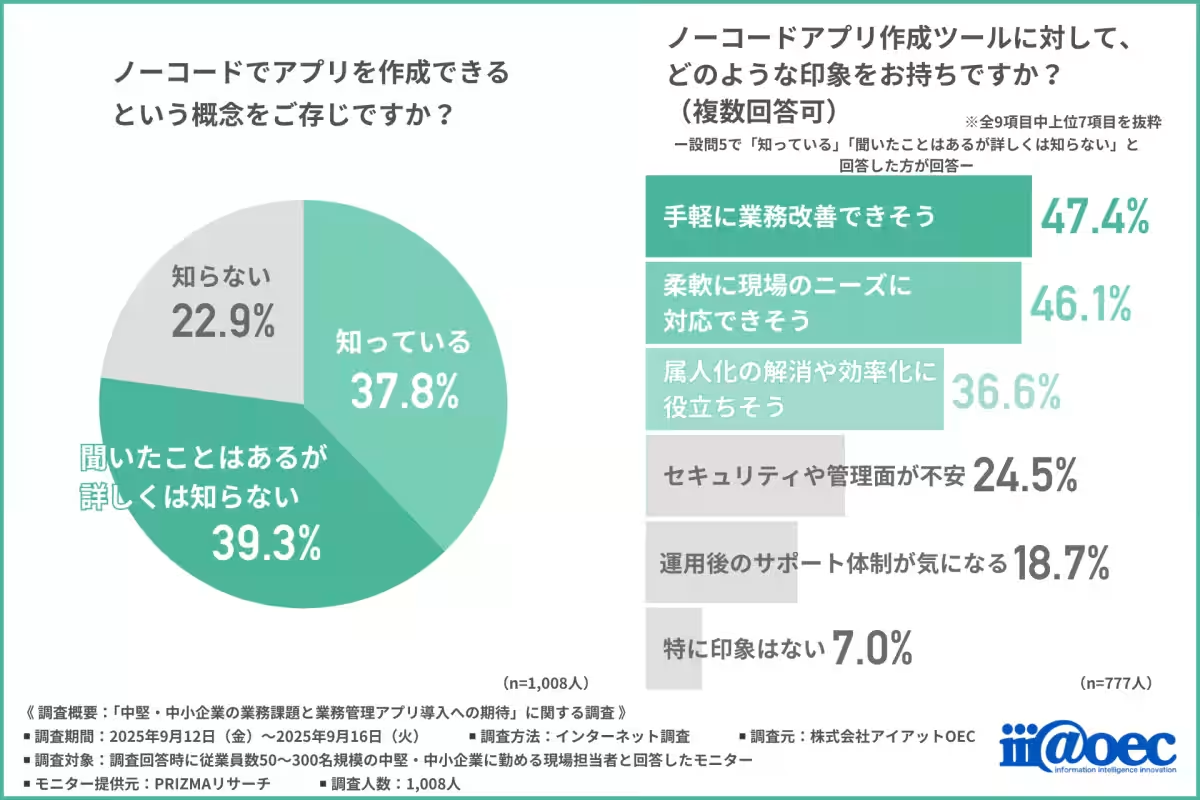
The concept of 'no-code application development' is increasingly capturing attention in the realm of SMEs as a flexible solution for operations. When asked about their awareness of no-code solutions, about 37.8% of respondents reported having a good understanding of the concept, indicating that while familiarity is growing, there remains a considerable portion of professionals who may not be fully aware of how to utilize these tools effectively.
For those acquainted with no-code tools, the impressions were largely positive. Approximately 47.4% believed these tools could facilitate easy operational improvements, underscoring their potential for promoting efficiency. In addition, flexible adaptation to the varying needs of a workplace and the alleviation of task specialization were also highlighted as attractive features of no-code development.
While enthusiasm for these tools exists, concerns remain regarding security, operational support, and management that could impact the decision-making process in adopting these solutions.
Ideal Applications of No-Code Tools
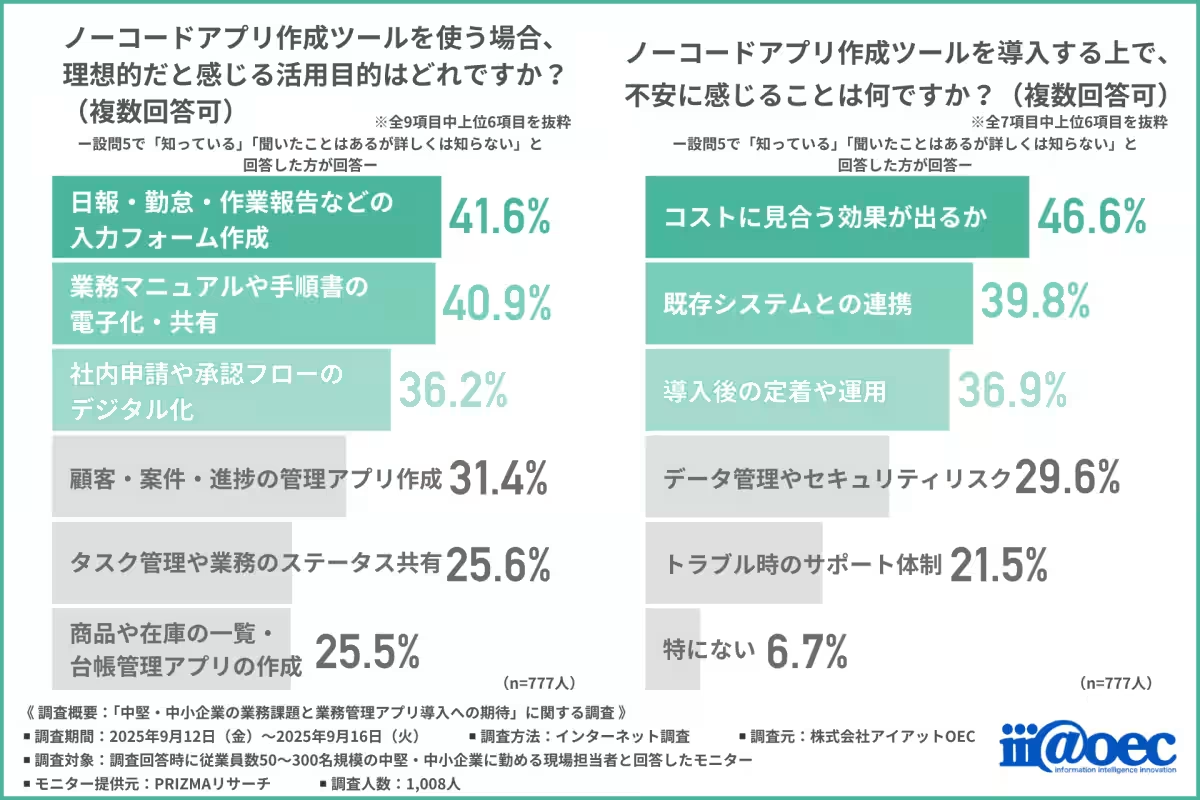
Among those aware of no-code tools, 41.6% identified the creation of input forms like daily reports, attendance, and work logs as ideal use cases, followed closely by the electronic sharing of operational manuals and procedures. This suggests a keen interest in standardizing and optimizing routine tasks.
Overcoming Hesitancies Towards No-Code Adoption
As with many new technologies, the transition to no-code tools isn't without apprehensions. The survey highlighted that 46.6% of respondents expressed concern over whether the tools would yield sufficient value for their cost, along with worries surrounding integration with existing systems and effective adoption after implementation. Addressing these issues will be crucial in alleviating barriers to adopting new technologies.
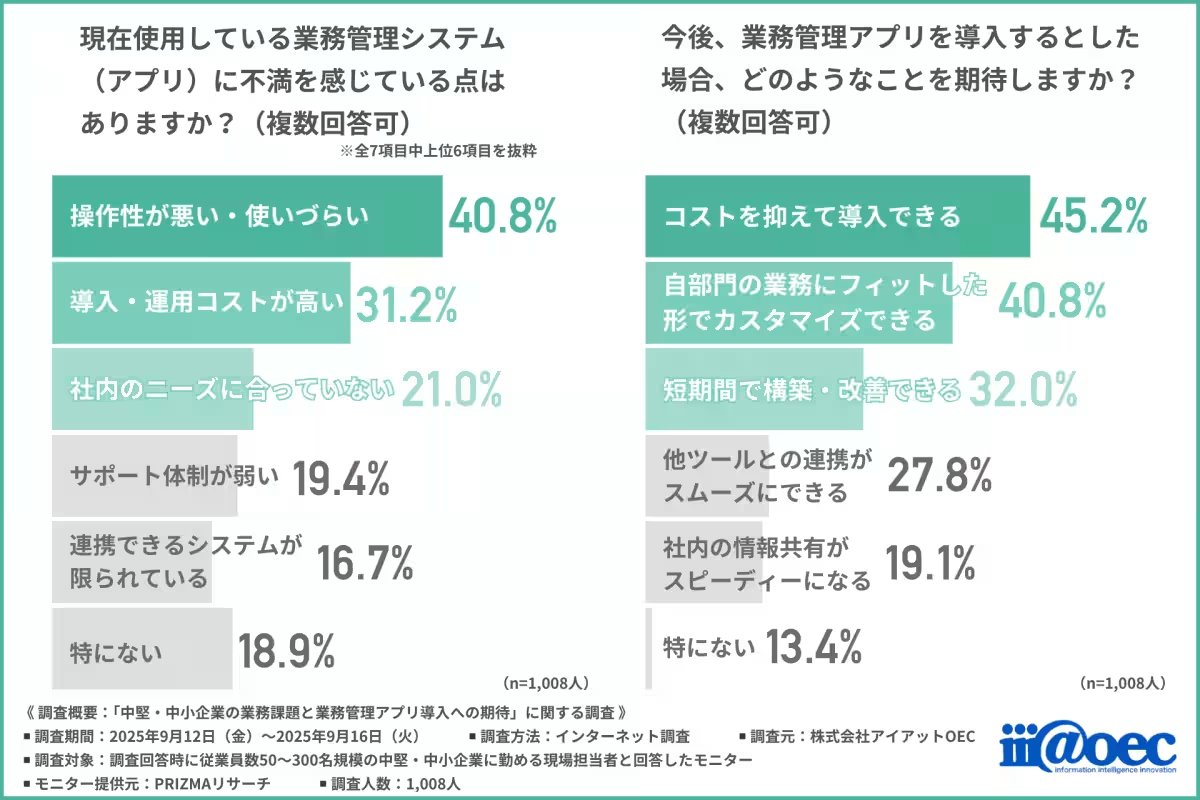
Current management systems are experiencing criticisms primarily due to their poor usability (40.8%), with secondary frustrations pointing towards high costs and a failure to meet company needs. Such reflections suggest that SMEs are looking for future systems that can be economically viable and inherently aligned with their daily requirements.
Conclusion
The findings from the survey illustrate a multi-layered perspective on the challenges faced by SMEs in enhancing their operational efficiencies. With nearly 90% of respondents acknowledging inefficiencies and a growing interest in no-code application solutions, it's clear that there exists a substantial desire for improvement within SMEs. However, the path to adoption is complex, marked by significant uncertainties that require strategies focused on usability, adaptability, and rapid implementations. As the marketplace for no-code solutions matures, the insights from this survey will guide SMEs in navigating their digital transformation journeys effectively.

Topics Business Technology)
【About Using Articles】
You can freely use the title and article content by linking to the page where the article is posted.
※ Images cannot be used.
【About Links】
Links are free to use.