



A Study on the Back Office Operations in Healthcare and Welfare Institutions Reveals Digitalization Gaps
Understanding the State of Back Office Operations in Healthcare
Introduction
A recent survey conducted by Infomart, a company based in Minato, Tokyo, has provided critical insights into the back-office operations of healthcare and welfare institutions. The survey focused on procurement and accounting processes involving over 248 employees from institutions with a workforce exceeding 100. The findings indicate a concerning trend of persistent reliance on paper-based processes, which hampers efficiency despite substantial efforts to promote digitalization.
Summary of Findings
Among the study's key revelations:
- - Over 30% of respondents have made no progress in the digitalization of documentation.
- - More than 20% handle over 500 pieces of paperwork monthly, with over 40% unaware of their workload.
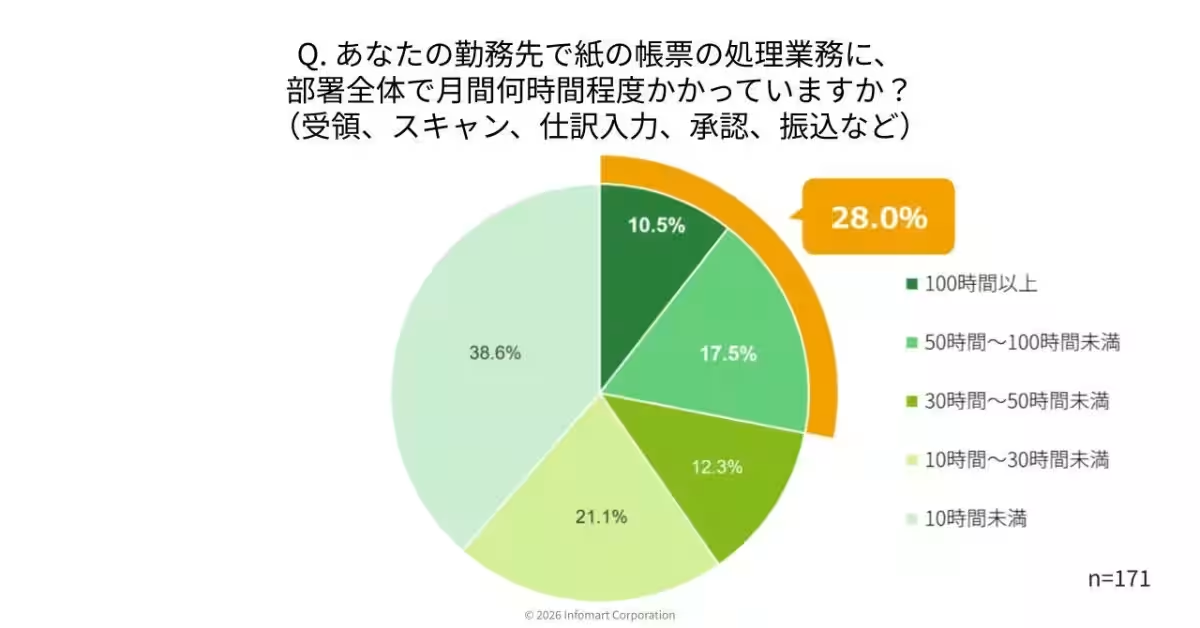
- - Approximately 30% dedicate more than 50 hours monthly to processing paper documents.
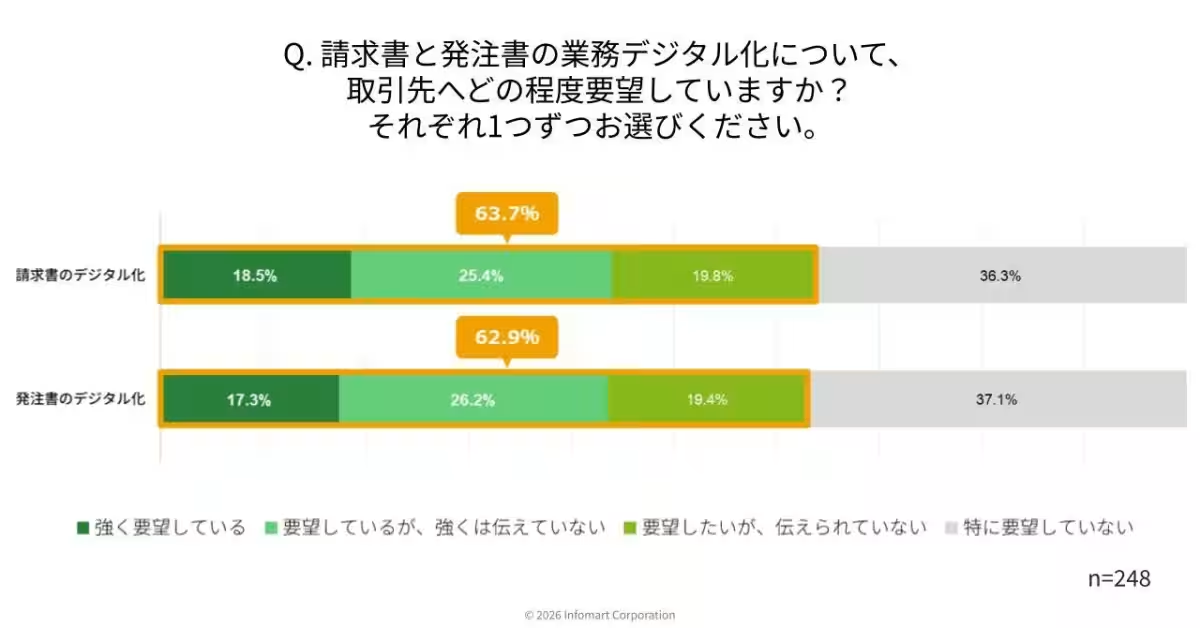
- - More than 60% are advocating for the digital conversion of invoices and purchase orders with their partners.
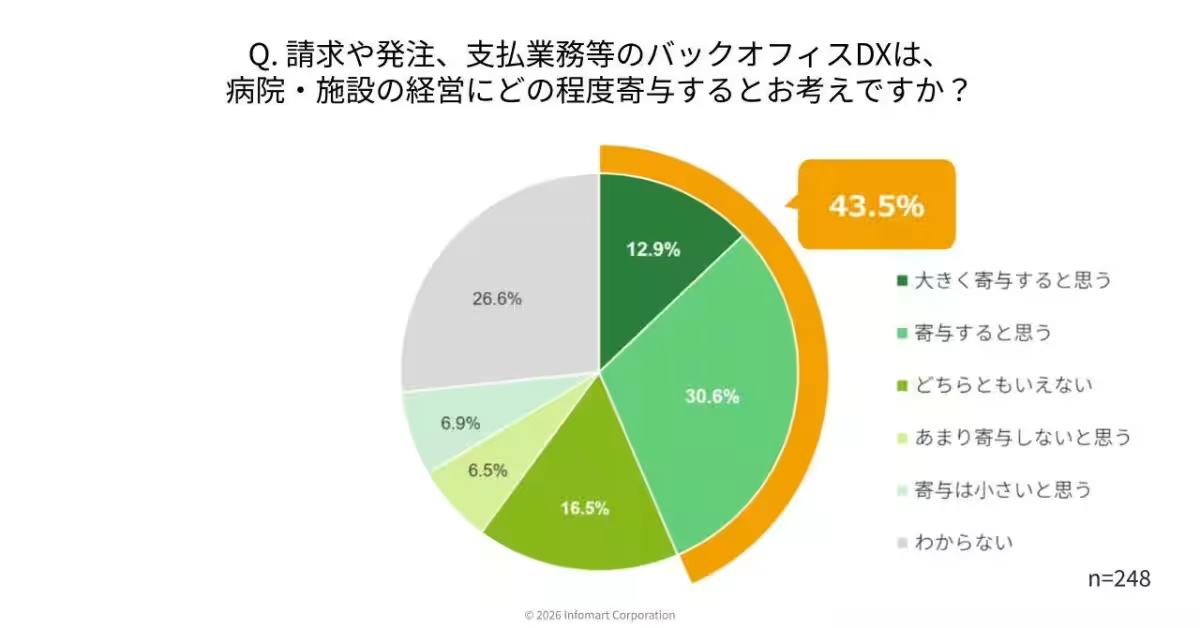
- - Over 40% believe back office digital transformation (DX) will enhance management performance for their facilities.
Detailed Findings
1. Digitalization Status
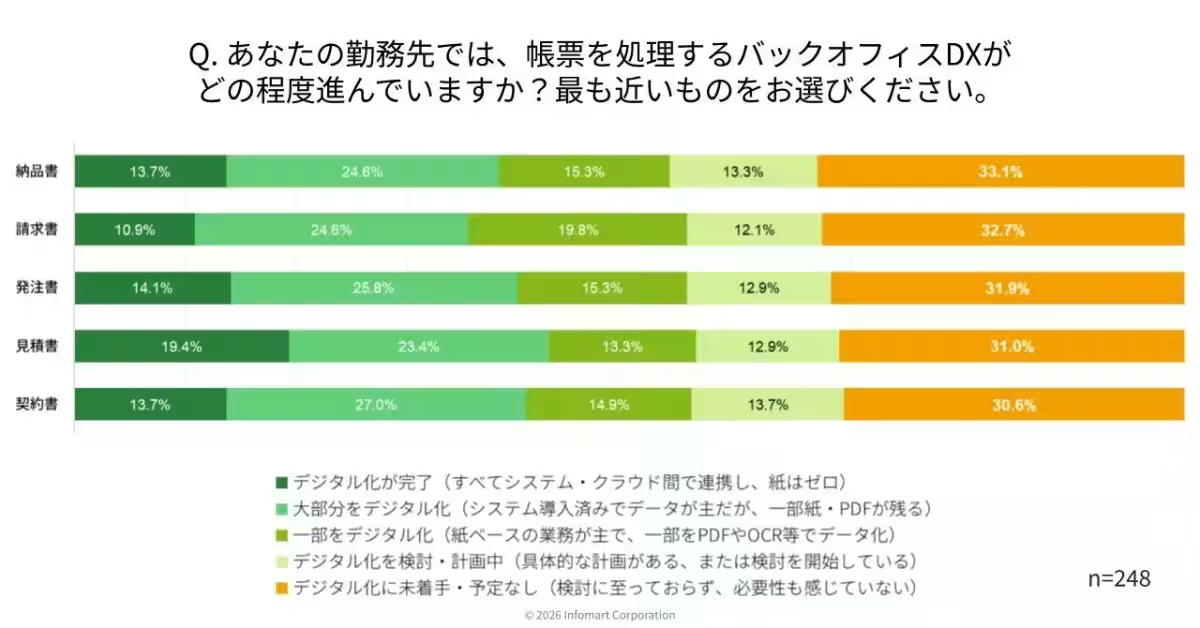
The survey revealed that more than 30% of respondents had yet to initiate or plan for the digital conversion of essential documents like quotes, contracts, purchase orders, delivery notes, and invoices. Among those who had taken steps toward digitization, around 40% of institutions referred to data management as the primary method for handling quotes, contracts, and purchase orders.
Many respondents identified the positive outcomes of back-office DX, with nearly 50% pointing to the advancement of paperless operations, followed by nearly 45% acknowledging cost reductions, and around 37% noting improved document management efficiency. These statistics suggest a significant gap between potential efficiencies and actual practices.
2. Monthly Paperwork Volume
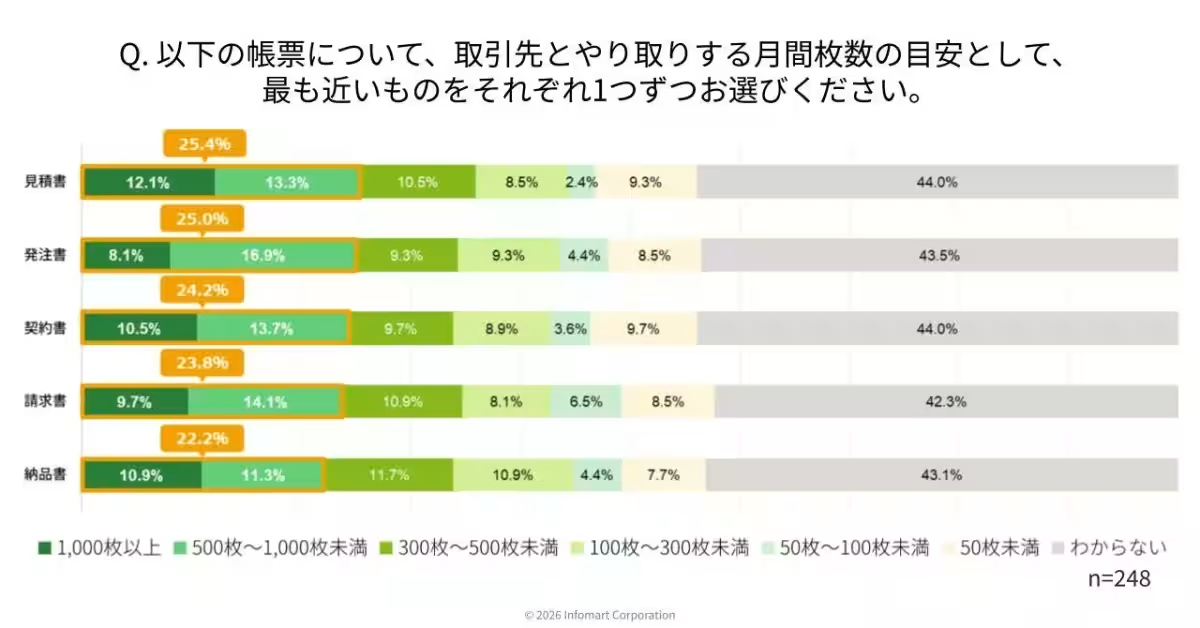
The survey also found that a considerable number of institutions process more than 500 documents every month, contributing to a demanding workflow. When examining various document types like purchase orders, invoices, and contracts, responses indicated that over 25% deal with significant quantities monthly. By calculating daily averages, the burden of paperwork can be quantified to show routine processing of dozens of documents daily—an indication of a considerable administrative load.
Alarmingly, over 40% were unsure of the exact paperwork handled, highlighting a substantial gap in workload awareness at the operational level, which complicates efficiency assessment.
3. Time Spent on Paper Processing
Those engaged in document processing shared that nearly 30% of their departments spend over 50 hours monthly managing paperwork. This overwhelming time commitment can either indicate heavy workloads or inefficient processes, significantly impacting workforce management.
Those working in headquarters or central offices felt the impact most acutely, as many institutions centralize paperwork responsibilities at these sites, leading to further resource strain.
4. Demand for Digital Invoicing
In terms of demands for digital conversions, around 64% expressed strong interest in urging partners to adopt digital invoices while 63% conveyed similar sentiments for purchase orders. This shows a burgeoning recognition of digitalization's crucial role in enhancing operational efficiency within the industry.
5. Impact of Back Office DX on Management
When asked about back-office DX contributions to management performance, around 44% believed there would be a significant improvement. Respondents voiced a desire to redirect savings from efficiencies towards enhancing employee working conditions and introducing new medical services.
The need to alleviate workloads adequately due to chronic staff shortages underlines an urgent requirement for improving work environments across healthcare and welfare sectors.
Conclusion
The norms and practices surrounding back-office operations in healthcare and welfare institutions exhibit stark contrasts between current practices and the potential offered by digitalization. As highlighted by Fumihiro Ono, an executive officer at Infomart, this discrepancy between expectations and reality is alarming, particularly as nearly a third of organizations remain untouched by digital transformation. The substantial hours spent on paper processes contribute significantly to invisible cost pressures that inhibit effective management.
The call to action is evident: harnessing digital technology to streamline administrative functions is not just a matter of convenience but a necessity for elevating the quality of care provided. Infomart remains committed to aiding organizations in easing this burden and facilitating the necessary transition toward better operational models.
For further insights, the detailed report can be found here.


Topics Business Technology)
【About Using Articles】
You can freely use the title and article content by linking to the page where the article is posted.
※ Images cannot be used.
【About Links】
Links are free to use.