



Understanding Partner Preferences in Hobbies: Gender Differences Revealed by Omikare Survey
Omikare's Relationship Insights: Gender Preferences in Hobbies
Recently, Omikare, a leading dating and marriage information site in Japan, conducted an extensive survey on the preferences of singles regarding hobbies and their implications for romantic relationships. With over 950,000 registered members, the survey aimed to uncover how hobbies influence partner compatibility. This article explores the key findings from the survey, revealing fascinating trends and insights.
Survey Overview
The survey took place from April 8 to April 20, 2025, targeting members of the Omikare platform. A total of 1,165 individuals participated through a web-based questionnaire, providing a diverse representation of the dating community.
Financial Investment in Hobbies
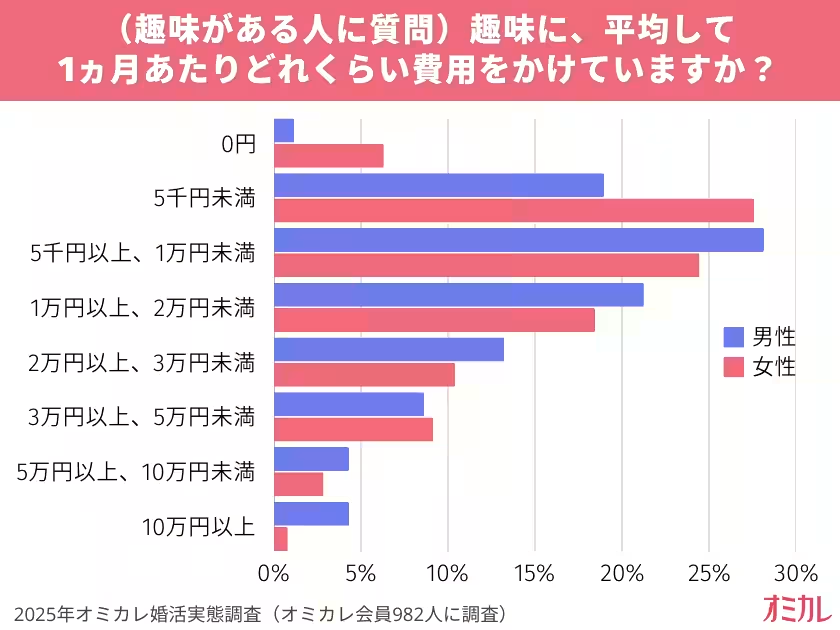
One of the most significant findings showed that men generally spend more on their hobbies than women. Respondents indicated that the average monthly expenditure on hobbies ranged from 5,000 to 20,000 yen. However, a notable trend was that a larger percentage of men allocated over 20,000 yen a month to their hobbies. Common activities among these men included hobbies with substantial initial costs, such as driving, golfing, and travel.
In contrast, women spending over 20,000 yen were more likely to engage in fandom activities, concerts, and self-improvement hobbies, such as fitness and classes. This reflects a consumer-focused approach among women, indicating a willingness to invest in experiences and personal growth.
Acceptance of Partners' Spending
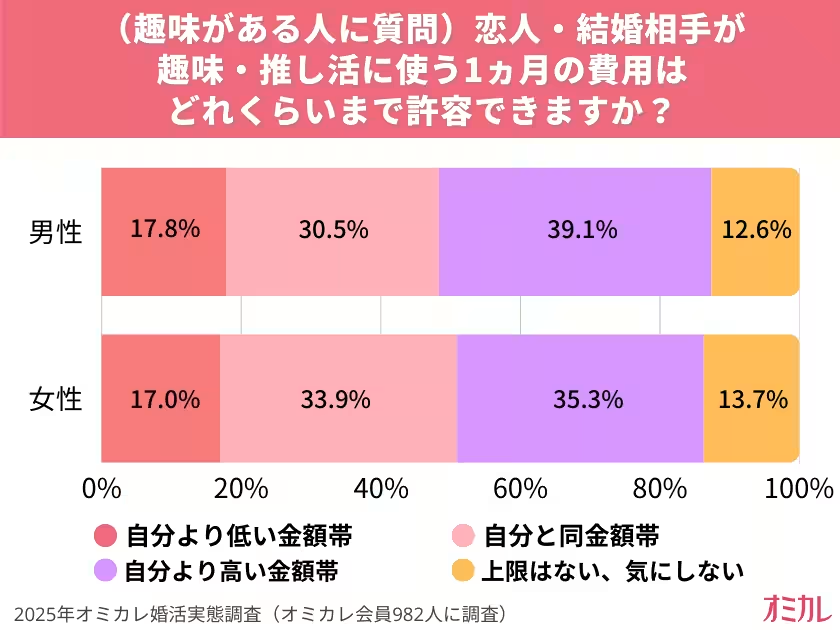
When asked about their partners' hobby expenditures, around 39% of men and 35% of women preferred partners who spend more than they do, while about 30% of men and 34% of women were comfortable with spending at the same level. This reveals that most individuals are open to their partners investing in similar or even greater amounts on hobbies, suggesting that people who are passionate about their interests tend to be more lenient towards their partner's hobbies.
Frequency of Hobbies
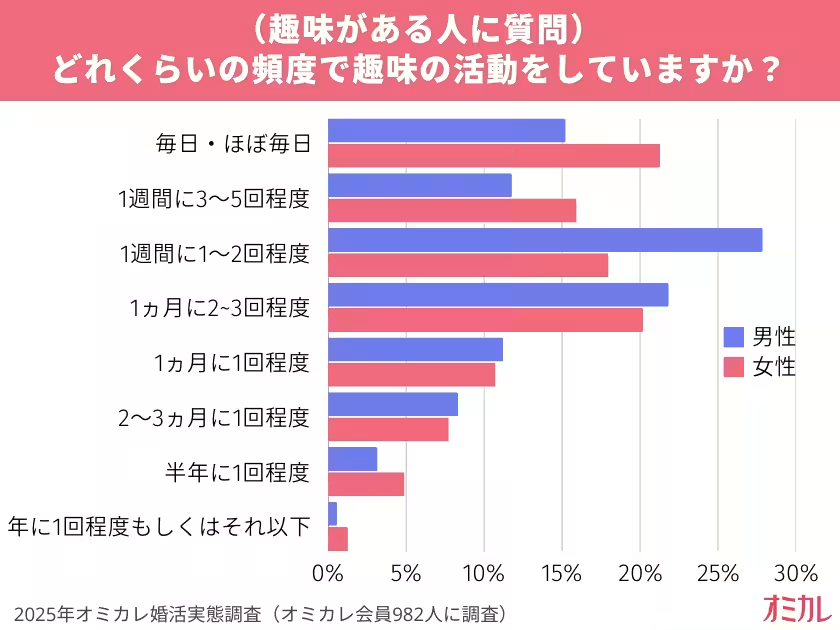
On the question of how often they engage in their hobbies, over 21% of women reported participating nearly every day, while about 16% enjoyed their hobbies three to five times a week—indicating a higher frequency than their male counterparts. Men, however, primarily reported engaging in hobbies once or twice a week (about 28%). This discrepancy suggests that while men tend to invest more financially, women may be more dedicated to the consistent practice of their hobbies.
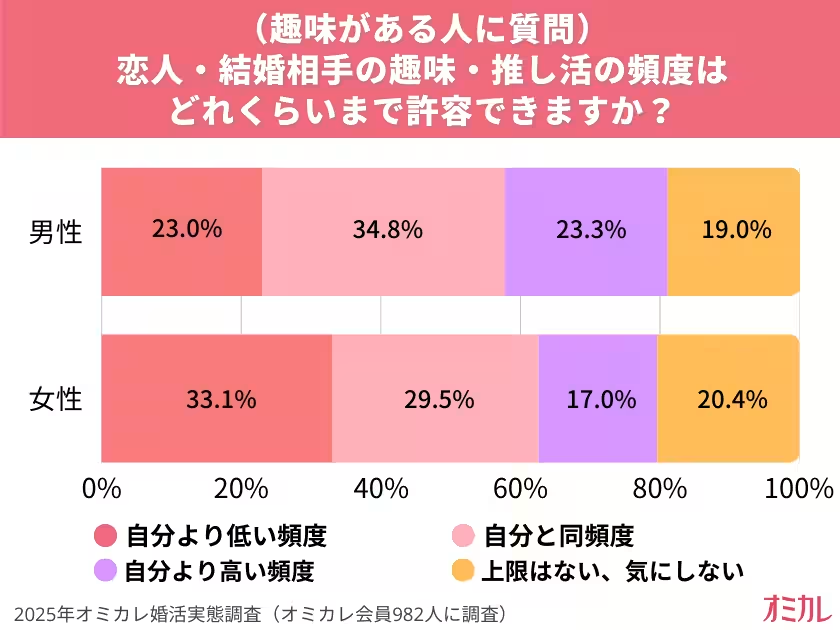
Interestingly, when it comes to the frequency at which their partners engage in hobbies, about 23% of men and approximately 33% of women preferred that their partners engage less frequently than themselves. Notably, this sentiment was particularly strong among women, with nearly 30% expressing a desire for their partners to partake in hobbies less frequently. This could stem from concerns that high hobby frequencies could intrude on shared time and relationship commitments.
Willingness to Compromise on Hobbies
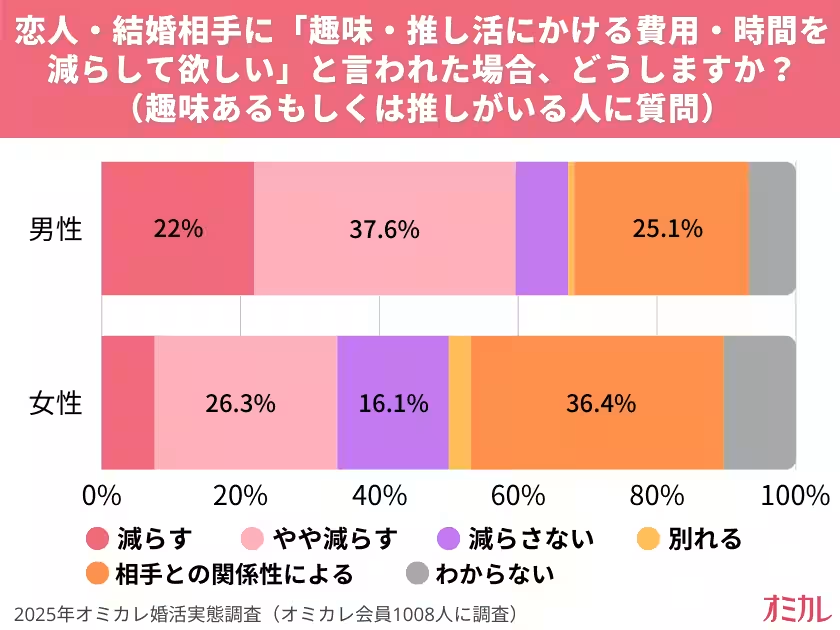
Regarding the potential to reduce hobby investments, about 60% of men indicated a willingness to decrease their hobby time when requested by a partner, while only around 30% of women felt the same way. This suggests that women face higher barriers to reducing their hobby time, often prioritizing the nature of their relationships when considering adjustments.
Conclusion: Fostering Understanding Through Hobbies
The results from the Omikare survey suggest that while individuals are generally accepting of their partners financially investing in hobbies, they are more cautious about the impact of hobby frequency on their shared lifestyles. Women, in particular, seem to place a significant emphasis on balancing time spent on personal interests with their relationships, favoring partners who engage in hobbies less frequently.
Understanding these dynamics is crucial to fostering healthy and balanced relationships. Couples are encouraged to communicate openly about their hobbies, preferences, and the potential impact on their time together. By doing so, they can create a supportive environment that respects both partners' interests while ensuring their relationship remains a priority.
For further insights on how hobbies impact relationships and additional tips on navigating dating and marriage, visit the Omikare blog here.

Topics People & Culture)


【About Using Articles】
You can freely use the title and article content by linking to the page where the article is posted.
※ Images cannot be used.
【About Links】
Links are free to use.