



2026 New Employees' Survey Shows High Motivation Yet Low Action Towards Skill Development
2026 New Employees' Motivation and Growth Survey
A study conducted by ALL DIFFERENT Inc. and the Learning Innovation Comprehensive Research Institute analyzed the attitudes of 3,849 new employees entering the workforce in 2026. The survey, performed between March 24 and May 6, 2026, aimed to shed light on the values and motivations driving young professionals as they embark on their careers.
Background
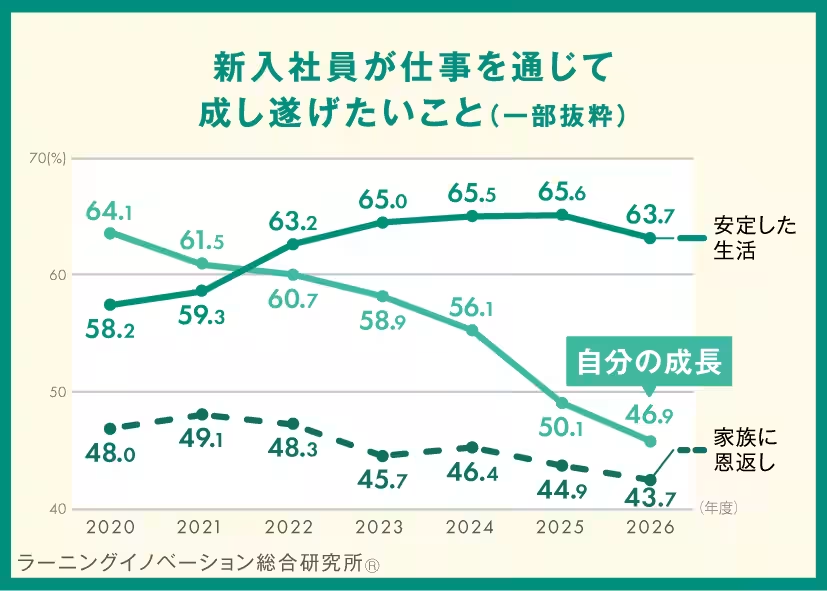
The potential for growth among new employees is immense, signifying a crucial asset that can influence the future value of companies. However, findings from the survey indicated a worrying trend: the desire for personal growth among respondents has diminished since 2020. This article explores the evolving mindset of new employees regarding their growth trajectories.
Key Findings
1. High Motivation for Work
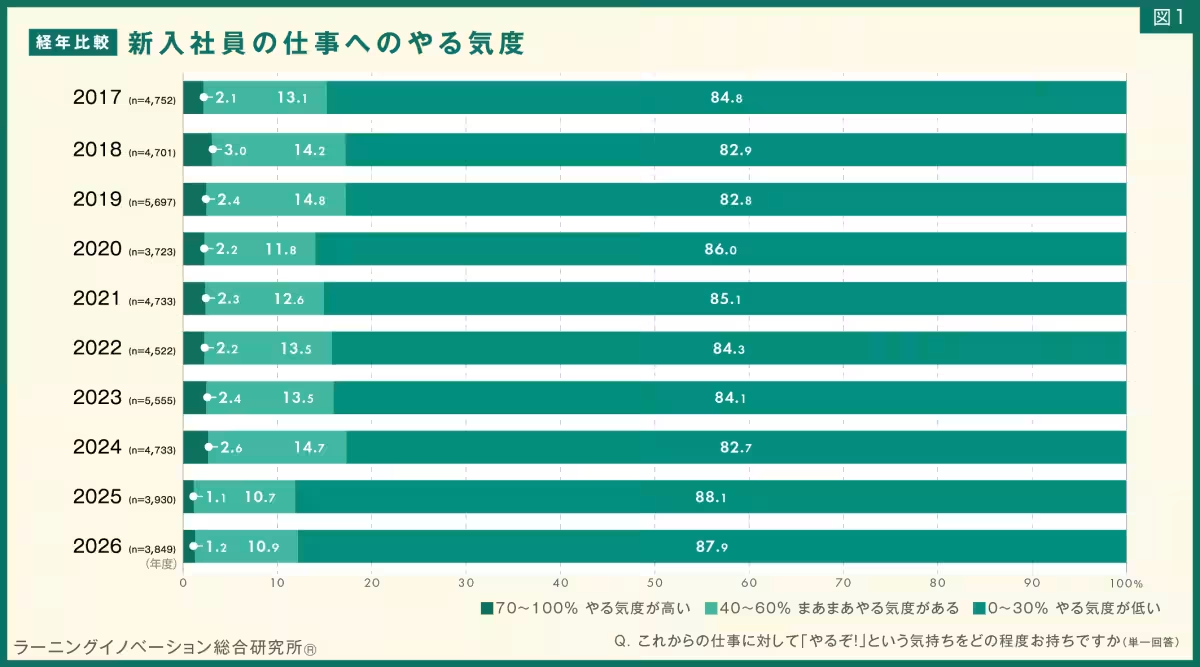
An impressive 87.9% of new employees expressed high levels of motivation for their upcoming work, ranking it as the second-highest percentage observed in a decade. This indicates that most new hires are eager to start their careers and perform well.
2. Lack of Proactive Skill Development
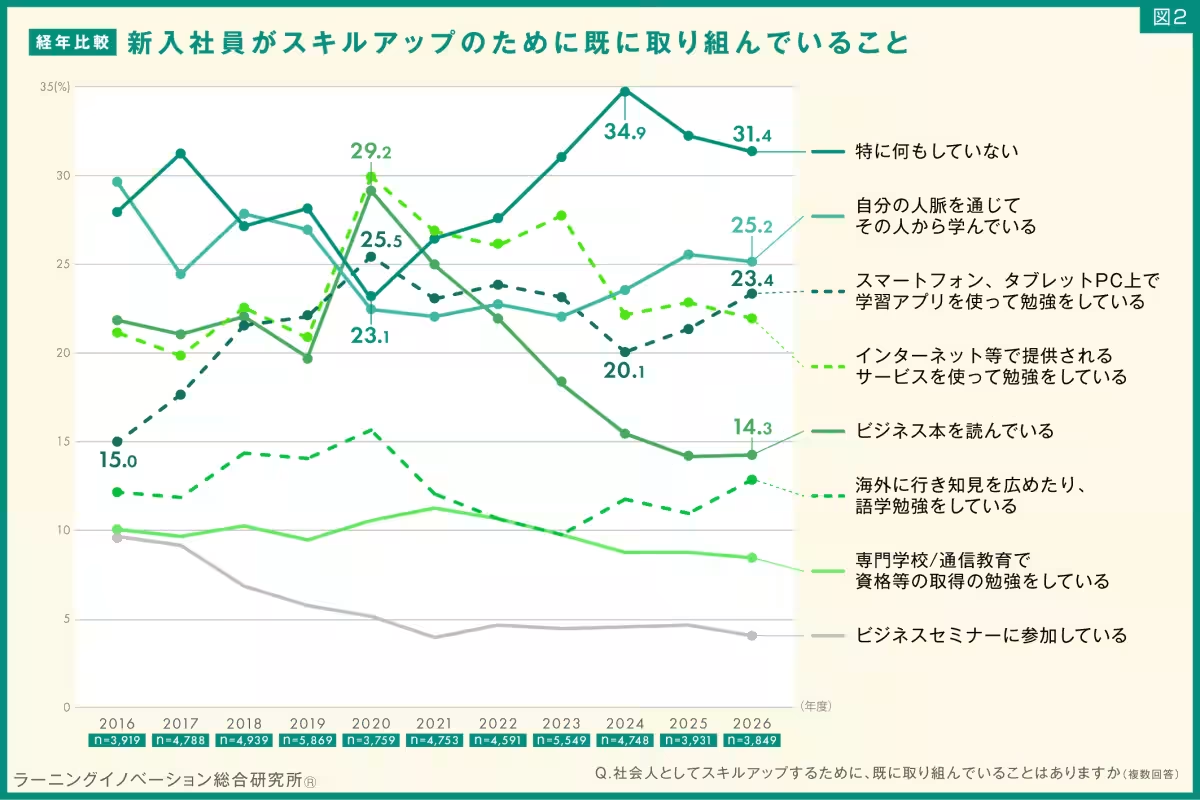
Despite their enthusiasm, the most common response for what they are currently doing to enhance their skills was "nothing in particular" at 31.4%. The following most popular responses included learning from personal networks (25.2%) and utilizing education apps on smartphones and tablets (23.4%). The proportion of respondents stating they were doing "nothing in particular" has risen from 23.1% in 2020 to 34.9% in 2024, demonstrating an increase in passivity towards skill development.
3. Future Endeavors for Skill Enhancement
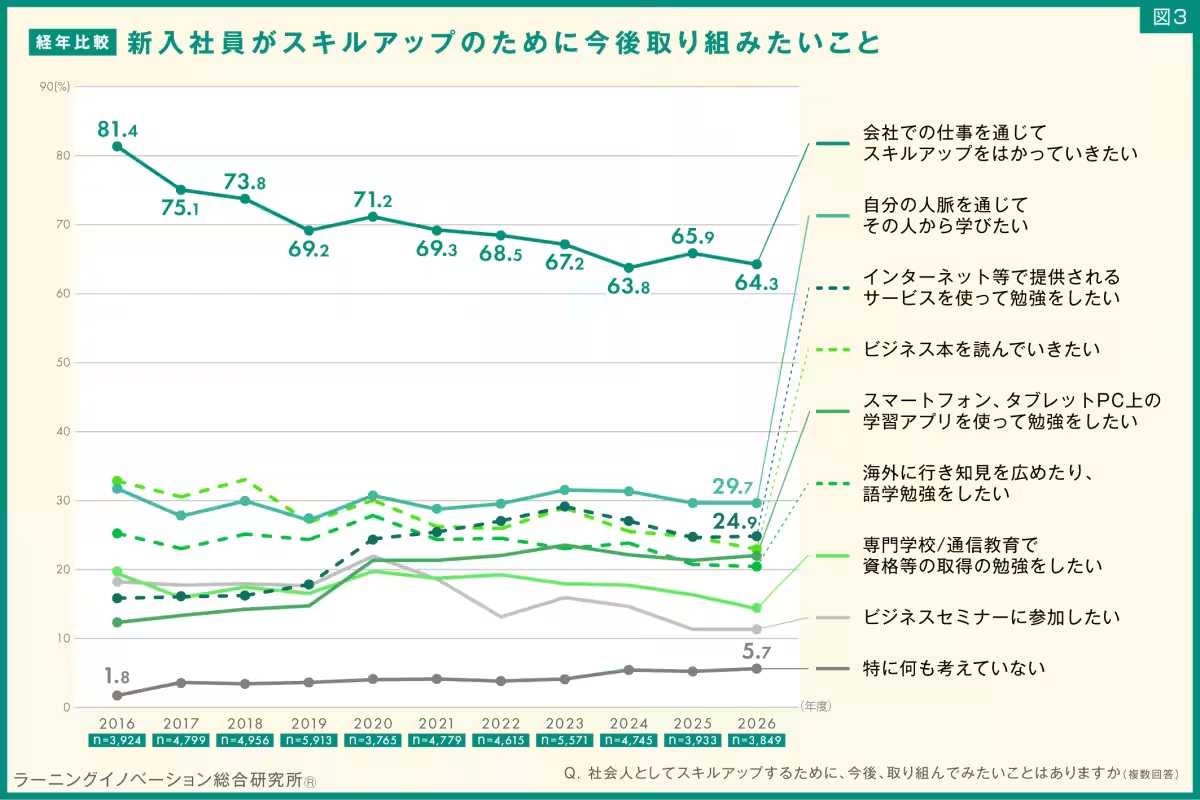
Looking ahead, 64.3% of new employees indicated they wished to improve their skills through work experience. While this approach has maintained its popularity over 12 years, there is a decreasing trend from the 81.4% reported in 2016.
4. Initiative in Goal Setting
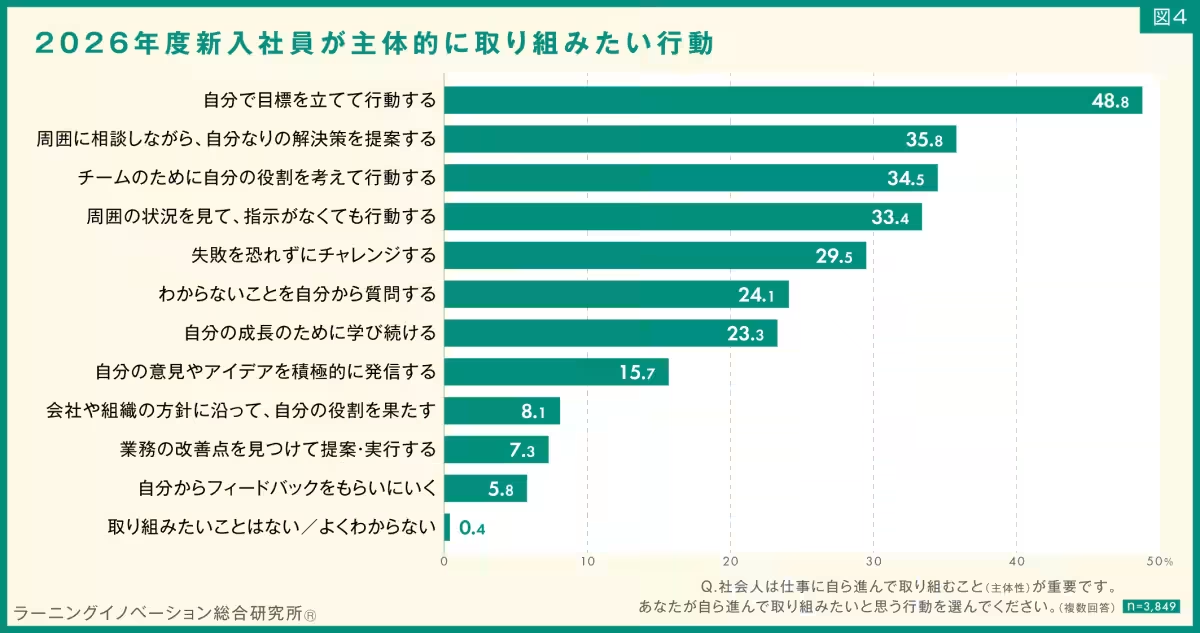
When asked about actions they were willing to take to enhance their skills, 48.8% of respondents stated they wanted to set their goals and take action independently. This desire for personal accountability was followed by a willingness to consult with peers and provide solutions (35.8%) and to act according to their assigned roles in a team context (34.5%).
5. Importance of Success Experiences
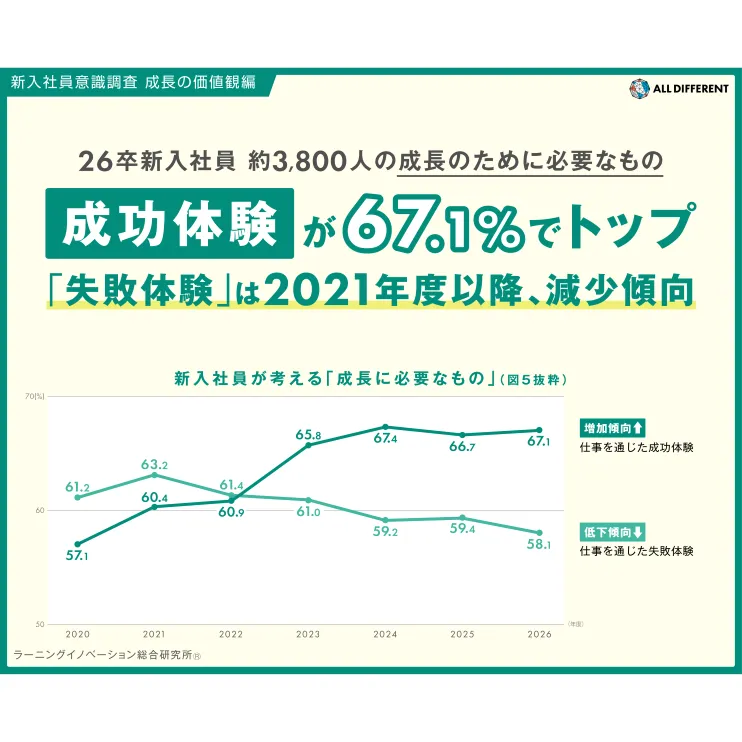
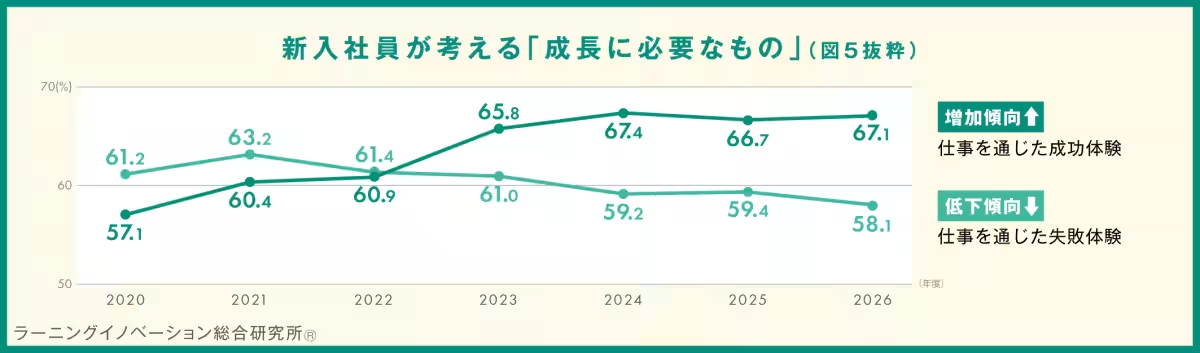
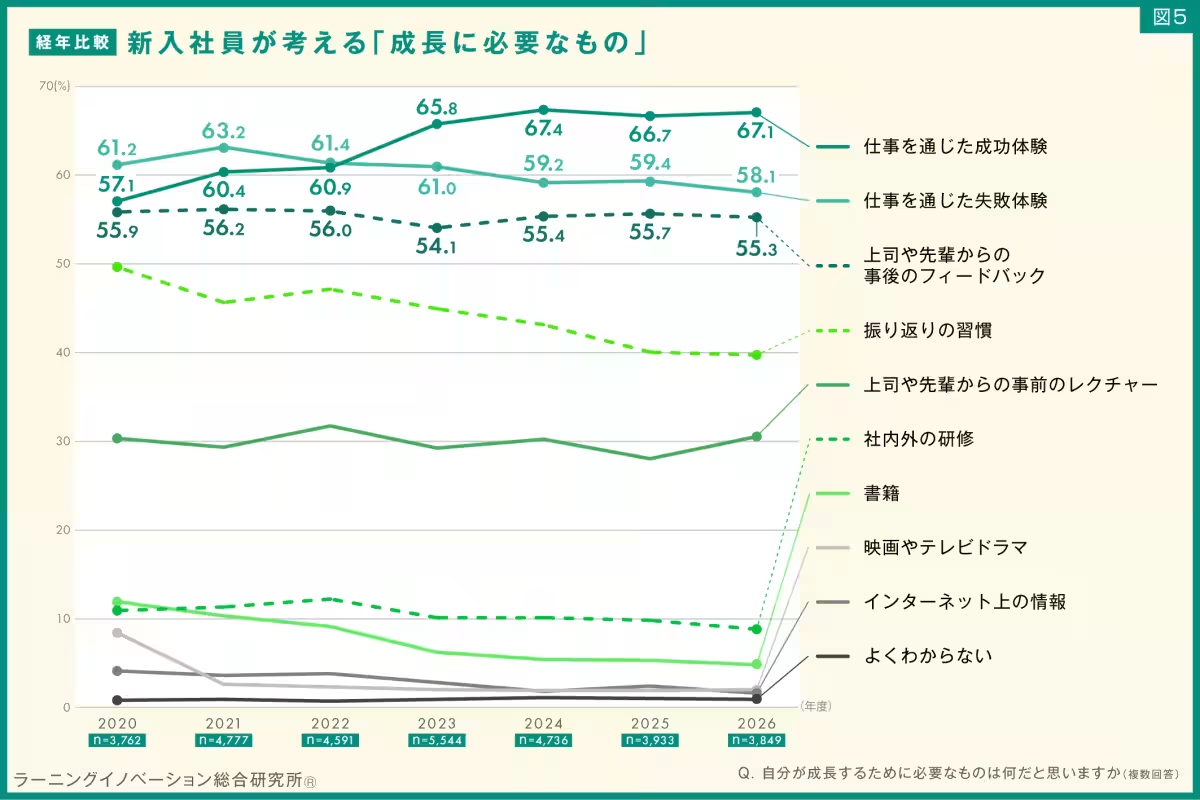
The top factor identified as essential for personal growth was "successful work experiences," with 67.1% citing this as crucial. Conversely, experiences of failure, which had been of significance, showed a gradual decline in importance over recent years.
6. Desired Skills in Year One
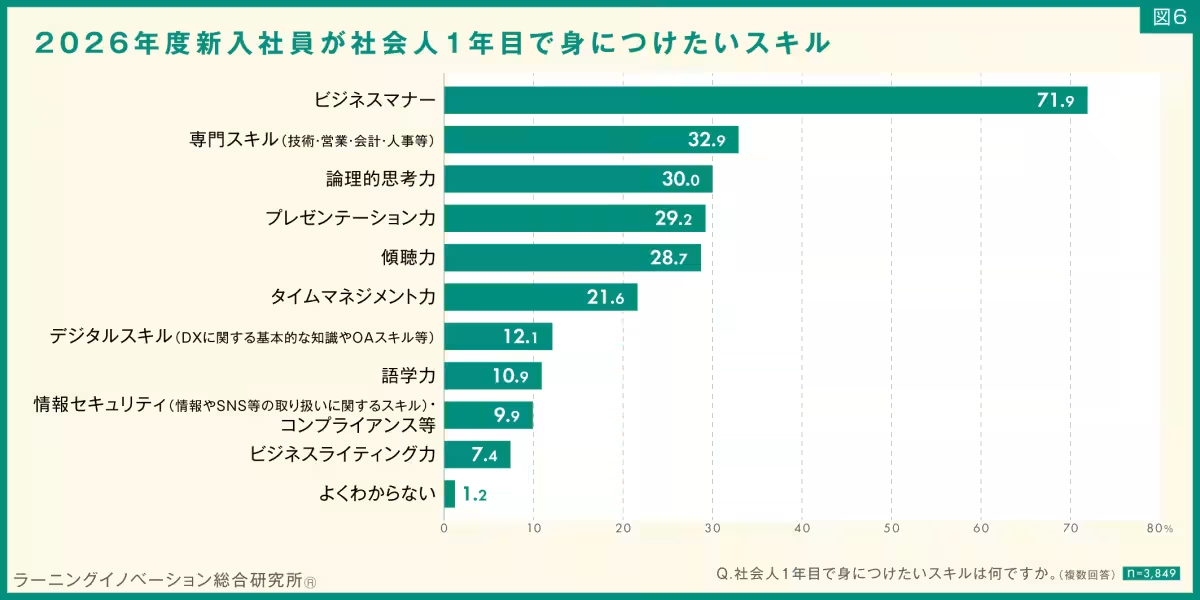
71.9% of respondents indicated that the most critical skill they wanted to acquire during their first year in the workforce was business etiquette. Other skills such as specific professional competencies, logical thinking, and presentation abilities followed in priority but were significantly lower.
7. Desired Evaluation Criteria
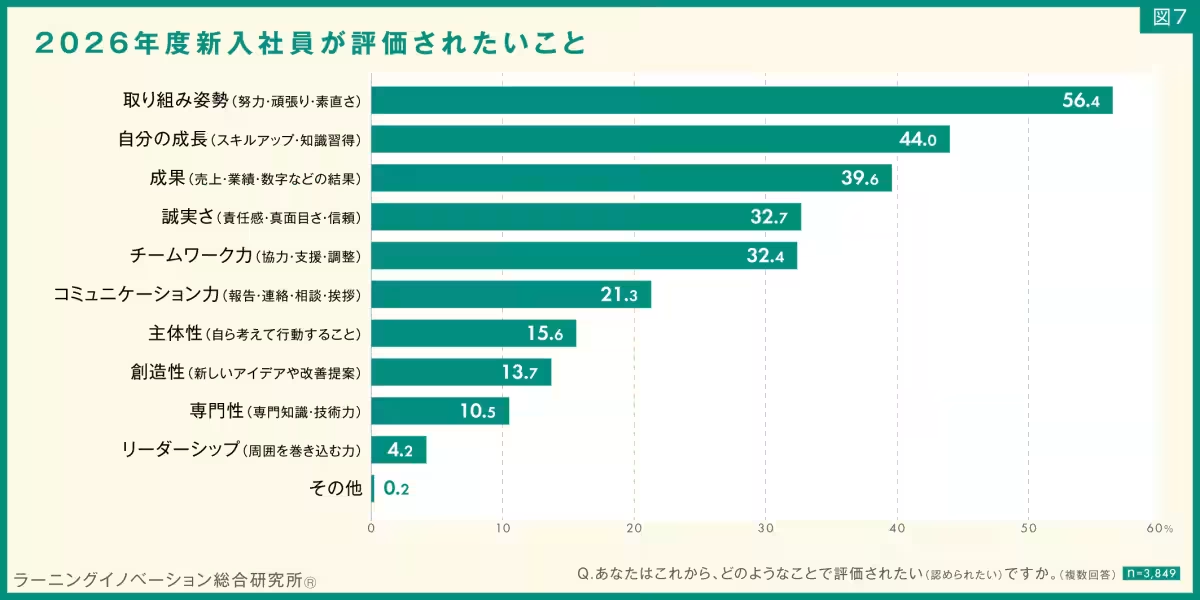
When asked how they wished to be evaluated moving forward, 56.4% emphasized the importance of their efforts, including their attitude, determination, and willingness to be honest. A smaller portion expressed a desire to be recognized for personal growth and accomplishments, which suggests a trend toward valuing the process over results.
Discussion
These findings suggest that while the current cohort of new employees possesses high motivation levels, there’s a notable absence of proactive measures to achieve skill enhancements. The survey reflects a broader trend where individuals seek guidance and prefer structured environments over autonomy in their learning processes. The desire for small successes before taking independent actions points to a cautious approach to professional development.
Recommendations for Companies
Fostering environments that cater to these preferences can yield positive outcomes. Organizations may consider implementing training programs that encourage gradual exposure to independent thinking and decision-making.
Focus on experiencing small successes while engaging employees in collaborative discussions could enhance their competencies and organizational contributions.
In conclusion, the unique characteristics of the 2026 new employees compel organizations to adapt their mentorship and training strategies to cultivate autonomous yet supported skill-building practices. The journey from dependency to independence in skill development is crucial for nurturing a capable and confident workforce ready to face the challenges of the modern business landscape.



Topics People & Culture)
【About Using Articles】
You can freely use the title and article content by linking to the page where the article is posted.
※ Images cannot be used.
【About Links】
Links are free to use.