



Children Experience Game Development with Teravit in Nakama City, Fukuoka
Creating Games with Teravit: A Journey for Children in Nakama City
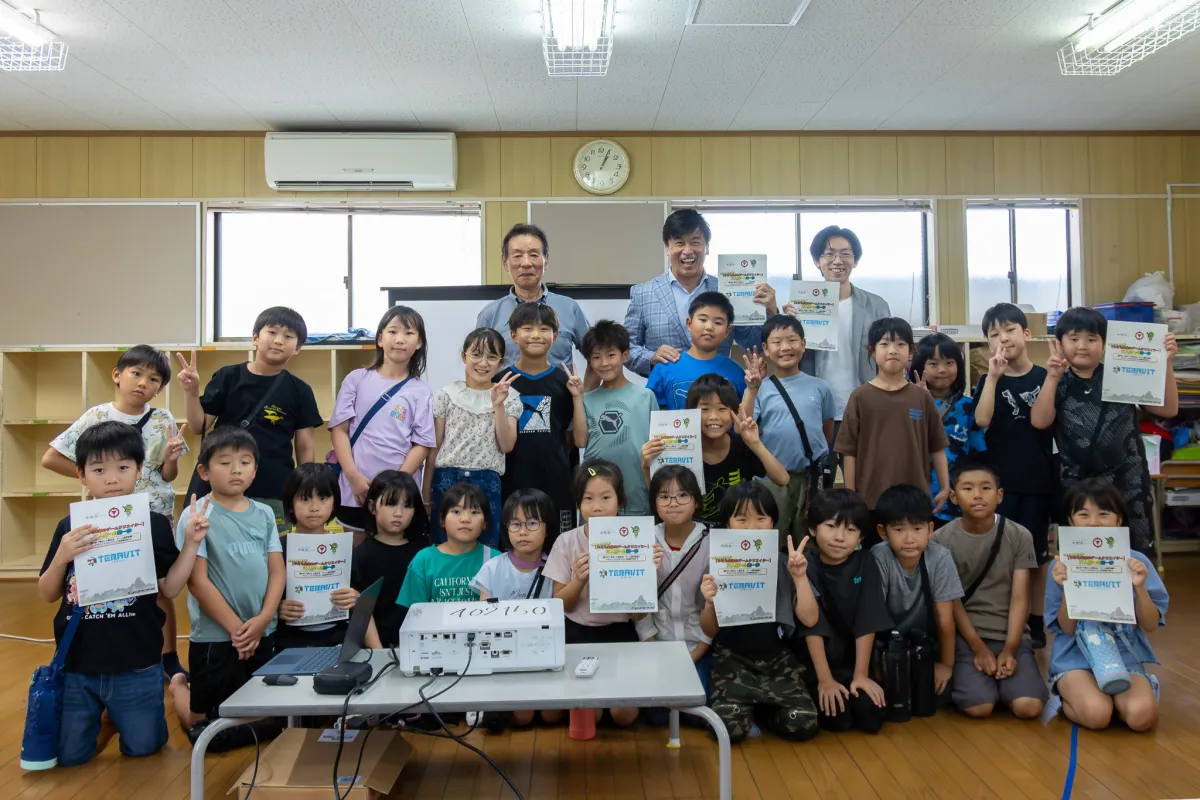
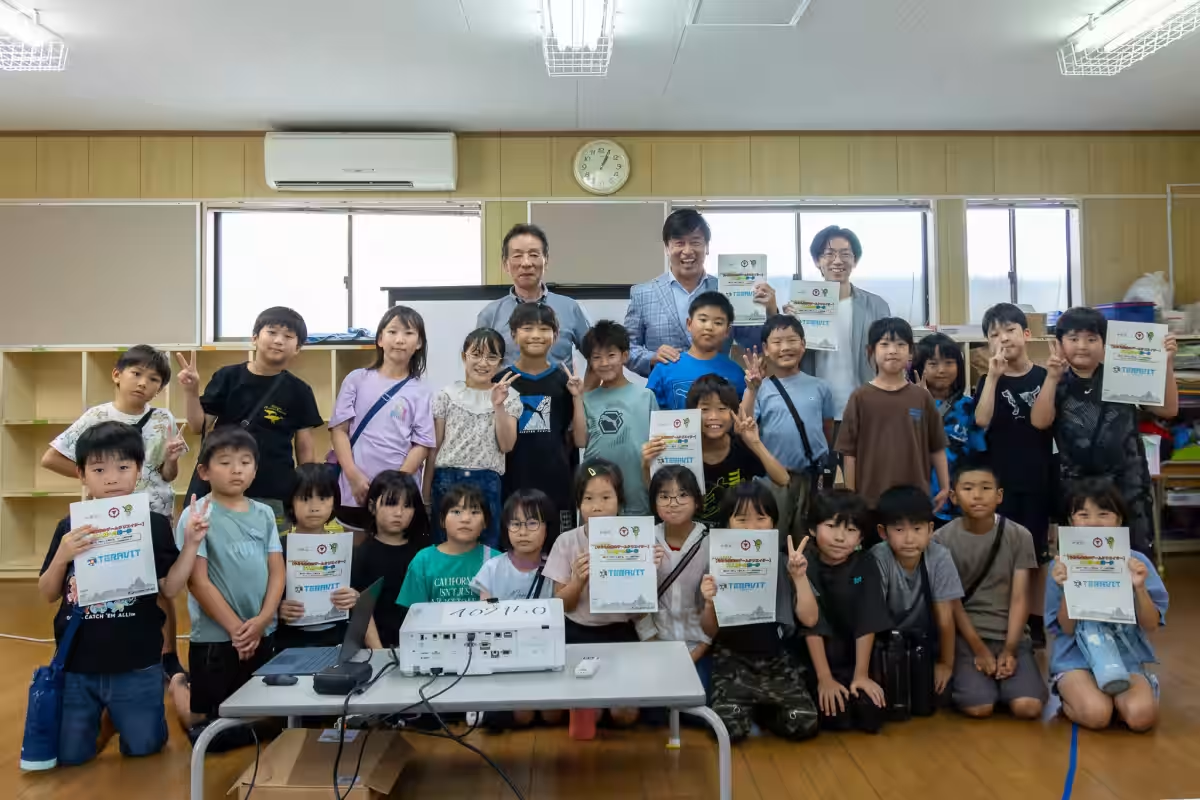
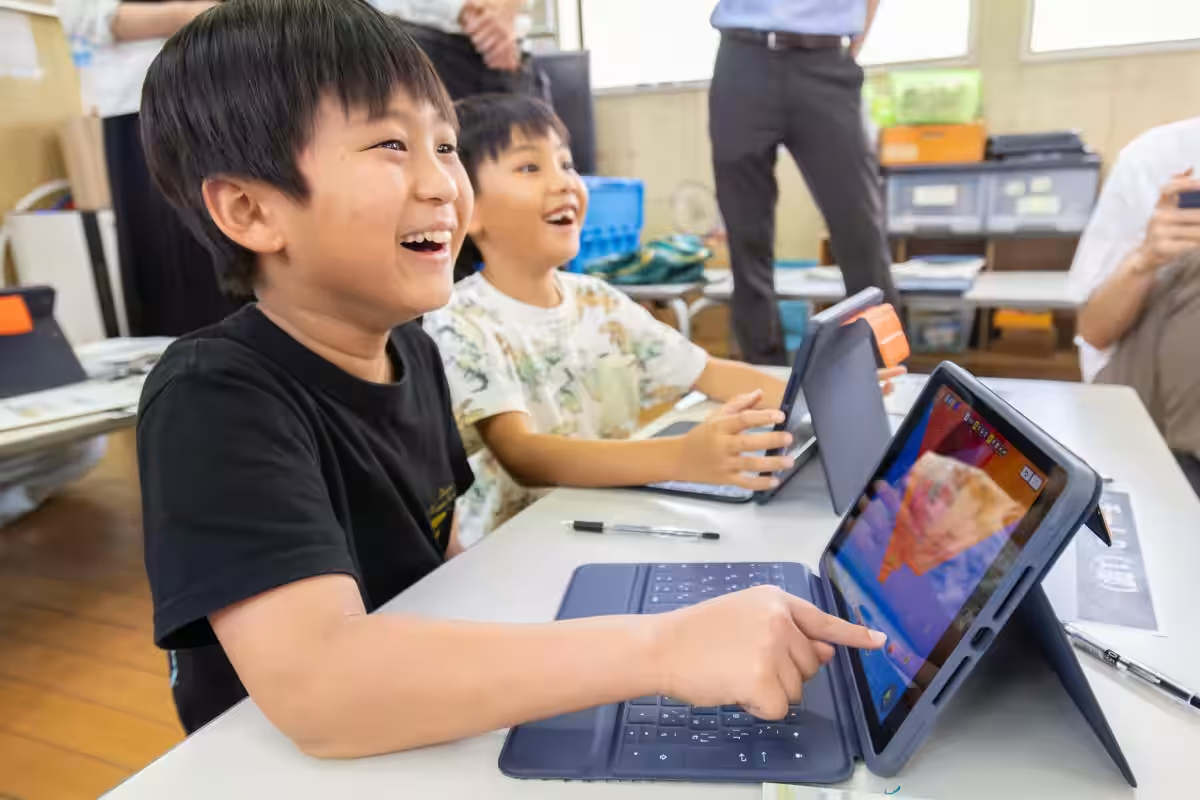
On August 4, 2026, CyberStep Inc., in collaboration with Nakama City's Health and Welfare Division, organized an exciting event for 26 children utilizing the sandbox game "Teravit". This unique program not only allowed the kids to play but also aimed to teach them how to think critically and creatively while developing their own games.
The event was part of CyberStep's "Smile Step Project," launched to promote social contribution and nurturing opportunities for children and young individuals. Initially focused on aiding youngsters, the scope of the project has extended to embrace a wider audience, including support for athletes and teams in sports and esports. This initiative embodies the group’s vision of "PLAY THE NEXT," encouraging participation and creativity.
Emphasizing Creative Learning through Game Development
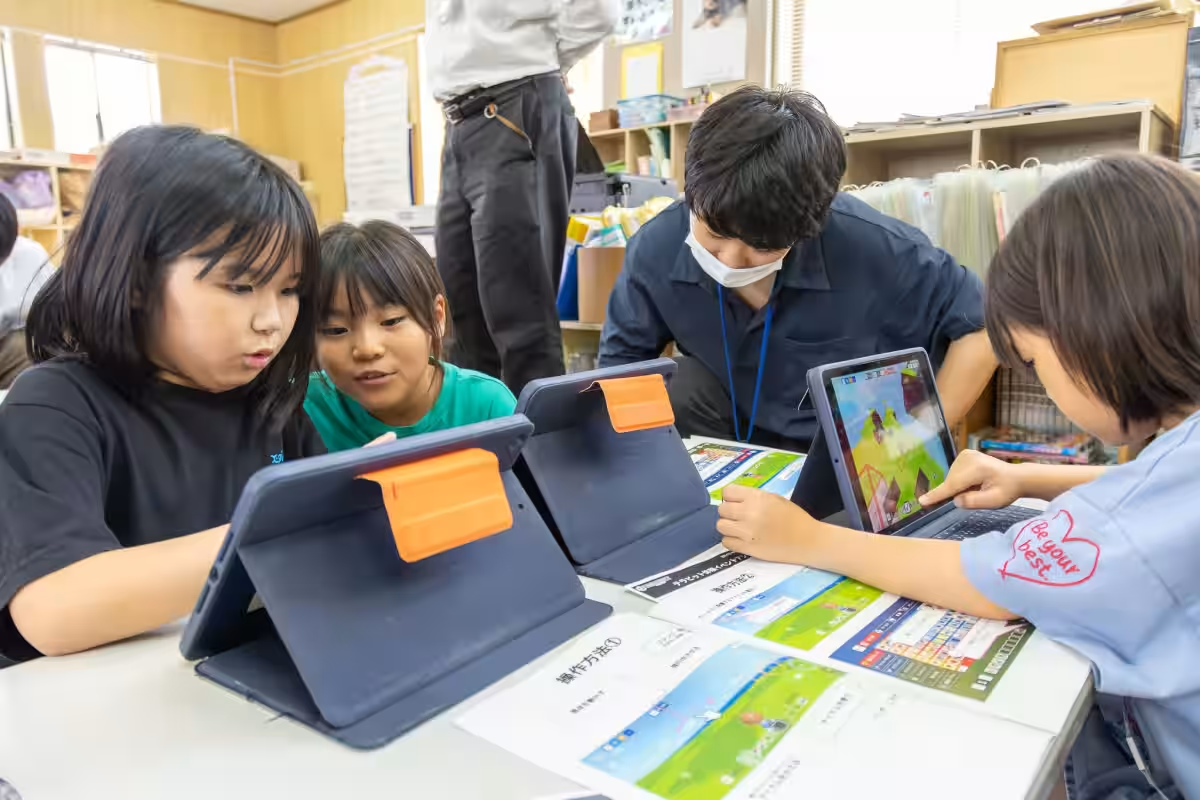
The primary goal of this event was not simply to teach children the mechanics of game operation but rather to allow them to engage in the thought process of game development. During the event, logical thinking was defined as the ability to progressively think about how to realize one's ideas. The children's projects began with posing questions such as, "How can players reach the goal?" and "What can make the game more enjoyable?" They collaborated in teams, testing and refining their ideas, ultimately shaping their unique gaming experiences.
This was not a standard programming class; however, it guided participants through a logical sequence of defining their goals, devising necessary steps, testing, and making revisions—an educational journey closely aligned with programming principles.
Teamwork to Create Fun Games Inspired by Local Culture
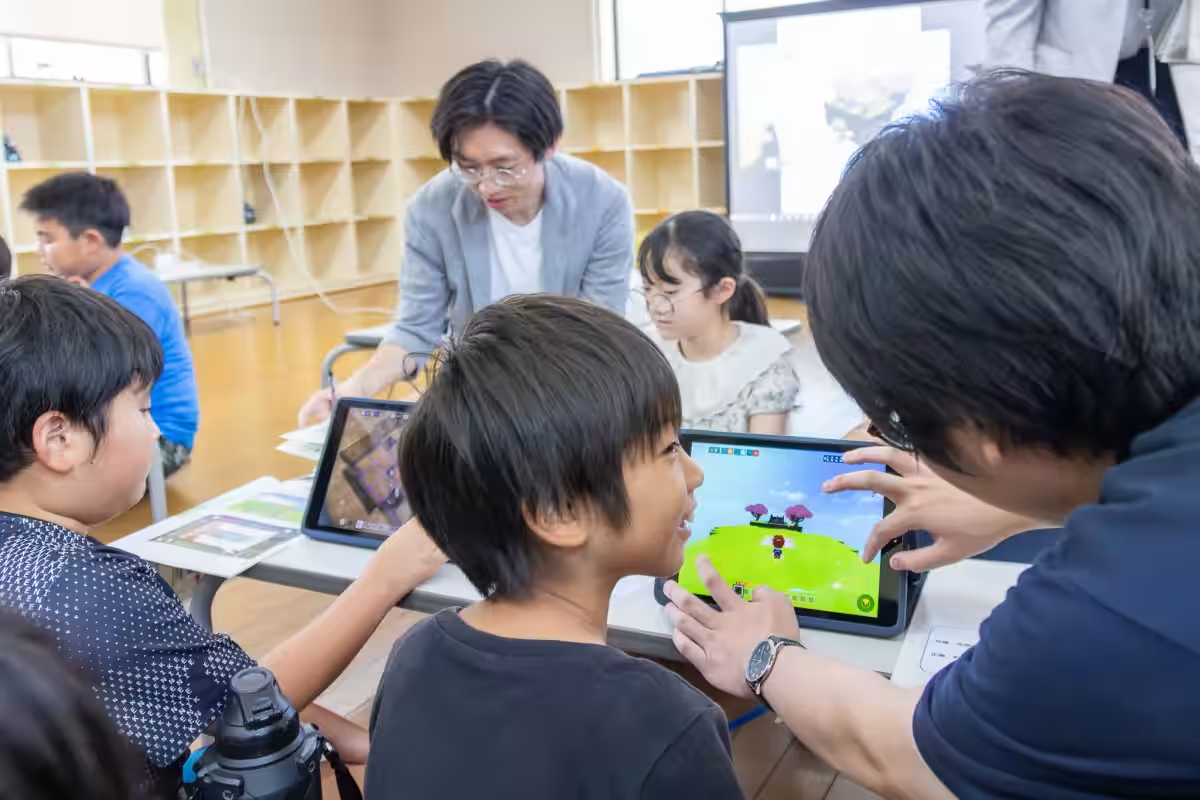
On the actual day of the event, children were divided into two groups, tasked with building games that illustrated a path from a starting point to a goal via Nakama City’s Enju Bridge. Initially, the space was undefined, giving the children the creative freedom to design both the route and obstacles.
Their objective transcended merely creating a finish line; they were to fashion an experience where players could both reach the goal and derive joy from the journey. Utilizing assets such as sliding “ice blocks,” “launch rings” for rapid movement, and other engaging elements, the children implemented various features that contributed to the gameplay dynamics.
As they built their games, they had to think critically about placement and how to surprise players. By testing those elements within a digital realm, they collaborated, shared insights, and ultimately completed their projects.
A Complete Experience: Creating, Playing, and Reflecting
After completing their games, the children also had the opportunity to play creations made by the other teams. This was essential not just for enjoyment but also for learning—analyzing what made other games fun, what creative ideas were applied, and discussing the unique design approaches taken by peers.
Each team presented their game, sharing not just the exciting aspects but also challenges faced and what they found rewarding. They reflected on what they enjoyed, where they struggled, and how they might improve for future projects. As the event concluded, the organizers emphasized that the skills learned during this game development process were applicable across various life scenarios, including schoolwork and sports.
Support from Local Authorities and Community Engagement
The event also saw participation from Nakama City’s Mayor, Kenji Fukuda, and numerous city staff and students from the local university group 'UNITY.' Their presence not only provided support but exemplified community engagement in nurturing creative experiences for young people.
Feedback from the participants highlighted their satisfaction and joy in completing their projects through teamwork. Many expressed excitement over collaborating with friends to build intricate gameplay mechanics.
Educators from the children's afterschool program reported a notable change in behavior, with less vocal students actively participating and expressing themselves during the event. Overall, feedback highlighted the value of this unique, hands-on experience that isn’t typically available in a standard school environment.
Expanding Horizons through Game Development
At CyberStep, "Teravit" is imagined not just as a game to enjoy but as a platform for creative expression and critical thinking. This event, alongside multiple partnerships with local governments, signifies the potential of digital platforms in providing children opportunities to engage with creative problem-solving, experimentation, and communication.
Moving forward, CyberStep will continue to harness the unique characteristics of "Teravit" to create more avenues for children to experience the joy of creation while tackling open-ended challenges in their own ways. This event serves as a model for future collaborations between game developers and educational institutions, enriching opportunities for learning in our communities.
Event Details
- - Date: August 4, 2026
- - Location: Nakama City, Fukuoka
- - Participants: 26 children from the local afterschool program
- - Format: Two sessions
- - Co-Hosted by: Nakama City Health and Welfare Division
- - Planned and Produced by: CyberStep Inc.
About the Smile Step Project: A multifaceted initiative of CyberStep, initially focusing on youth support but gradually expanding to encompass a diverse array of participants—ranging from children to esports athletes.
About Teravit: An innovative sandbox game developed by CyberStep Inc. where users can create worlds using blocks and various assets, allowing for limitless creativity and sharing with other players.

Topics Entertainment & Media)

【About Using Articles】
You can freely use the title and article content by linking to the page where the article is posted.
※ Images cannot be used.
【About Links】
Links are free to use.