




Exploring How Different Age Groups Approach Cooking and Eating Habits in Japan
Understanding Japan's Evolving Eating Habits Across Age Groups
A recent survey conducted by Cross Marketing, a Tokyo-based market research firm, has unveiled intriguing insights regarding the dietary trends and cooking preferences of various age groups in Japan. The study, aimed at understanding lifestyle changes, involved a representative sample of 3,000 individuals aged 18 to 79 from regions across the nation.
Key Findings of the Survey
The survey focused on several aspects of culinary practices and food choices, assessing how attitudes towards food vary between younger and older generations.
1. Attitudes Towards Meals and Ingredients
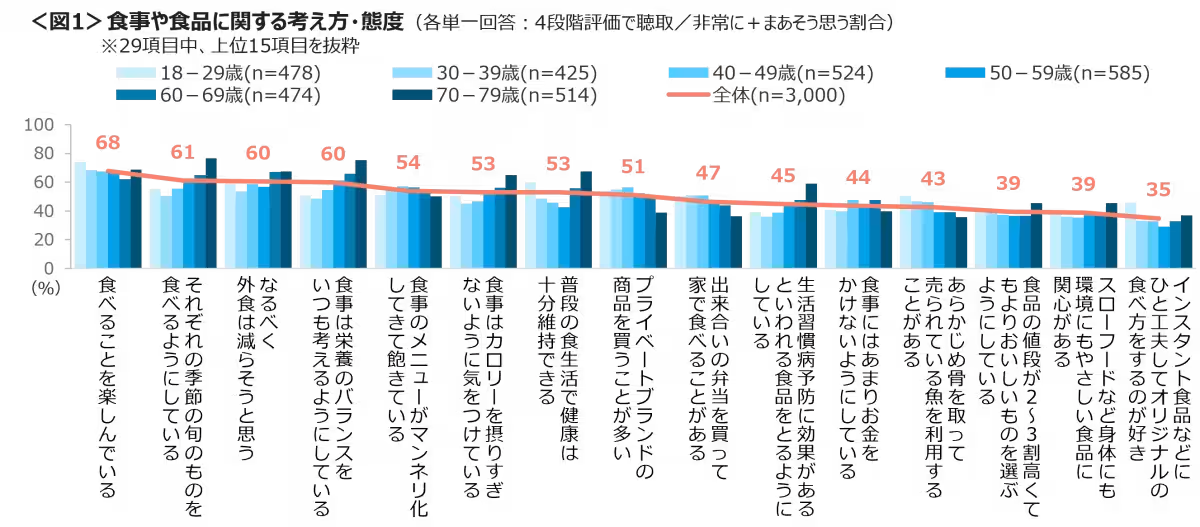
The participants were asked to reflect on their perspectives on 29 different aspects of meals and ingredients. Notably, over 60% agreed that they enjoy eating, make an effort to consume seasonal ingredients, and prefer limiting dining out. Interestingly, health-related choices heavily influenced the older demographic, particularly those in their 70s, who prioritized seasonal produce and balanced nutrition.
On the other hand, the younger generation’s responses indicated a preference for convenience and practicality. They frequently purchase store-brand products, rely on pre-packaged meals, and take advantage of ready-to-cook options. Additionally, many reported enhancing instant foods to improve taste while maintaining simplicity in preparation.
2. Perspectives on Cooking
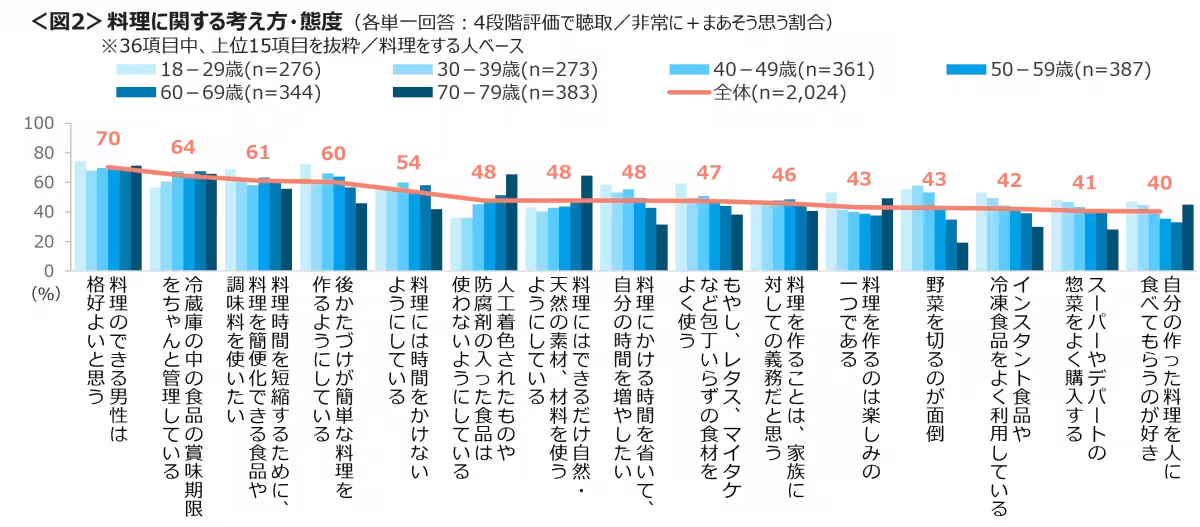
The survey also explored attitudes towards cooking among participants. Surprisingly, 70% of those surveyed believe that men who can cook are attractive. This sentiment was particularly strong among younger individuals. When it comes to meal preparation, about 60% of respondents stated that they prefer using products that make cooking easier and can help them save time in the kitchen.
Among older respondents, there was a notable focus on quality over convenience. Many reported avoiding artificial additives and preservatives, instead leaning towards natural and organic ingredients. This reflects a clear divergence in priorities between age groups, with younger individuals seeking efficiency and older participants valuing healthfulness.
3. Overall Dietary Preferences
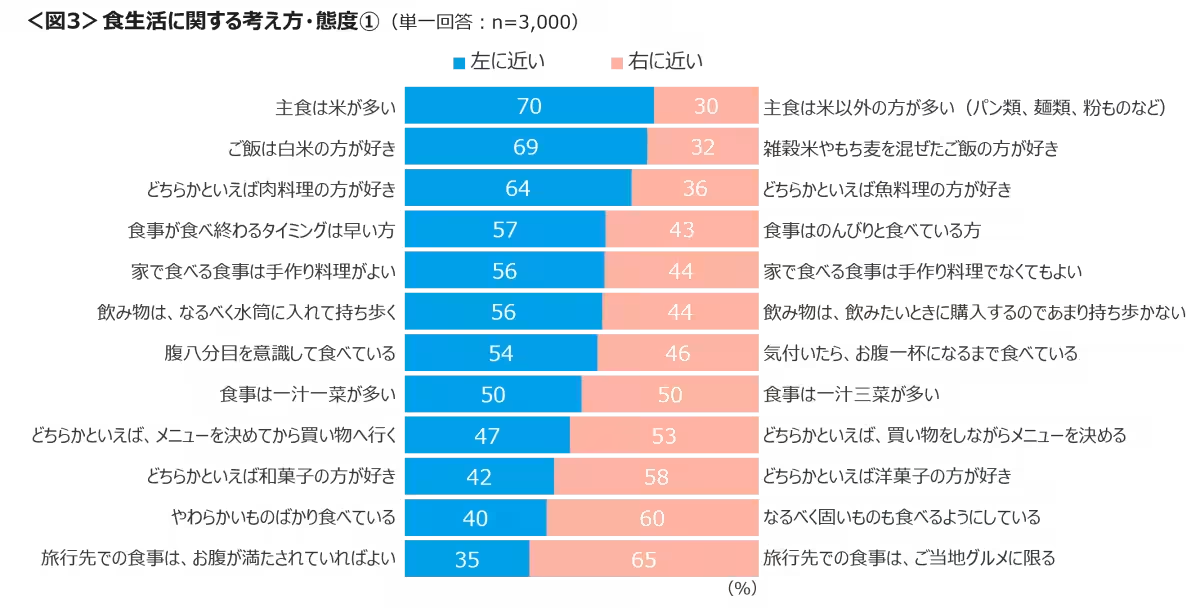
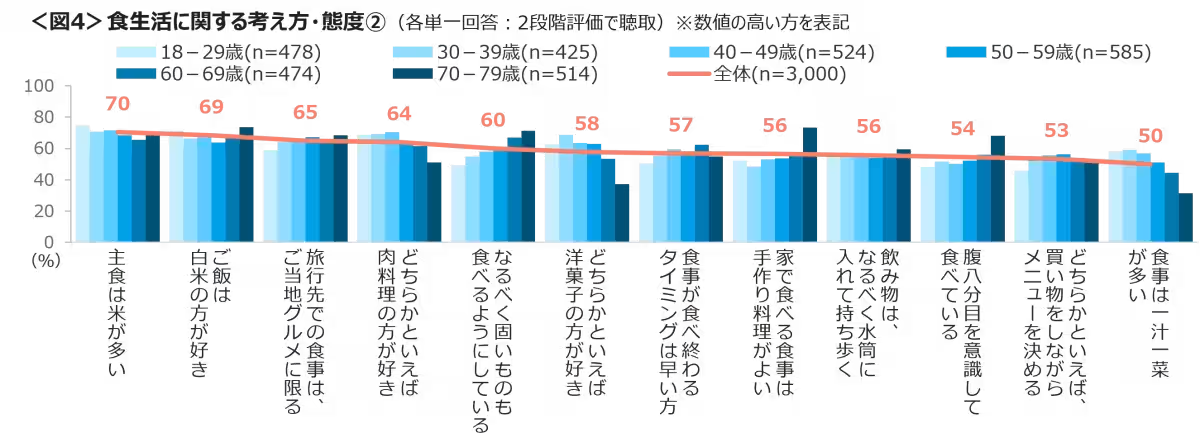
Examining broader dietary habits revealed more profound differences. While around 70% of respondents indicated rice is their primary staple, preferences for the type of meals varied by age. Younger people showed preferences for meat dishes and Western-style desserts, suggesting an inclination towards more diverse cuisines. In contrast, seniors favored traditional, hearty foods and often preferred eating firmer textures over softer ones.
4. Changes in Spending
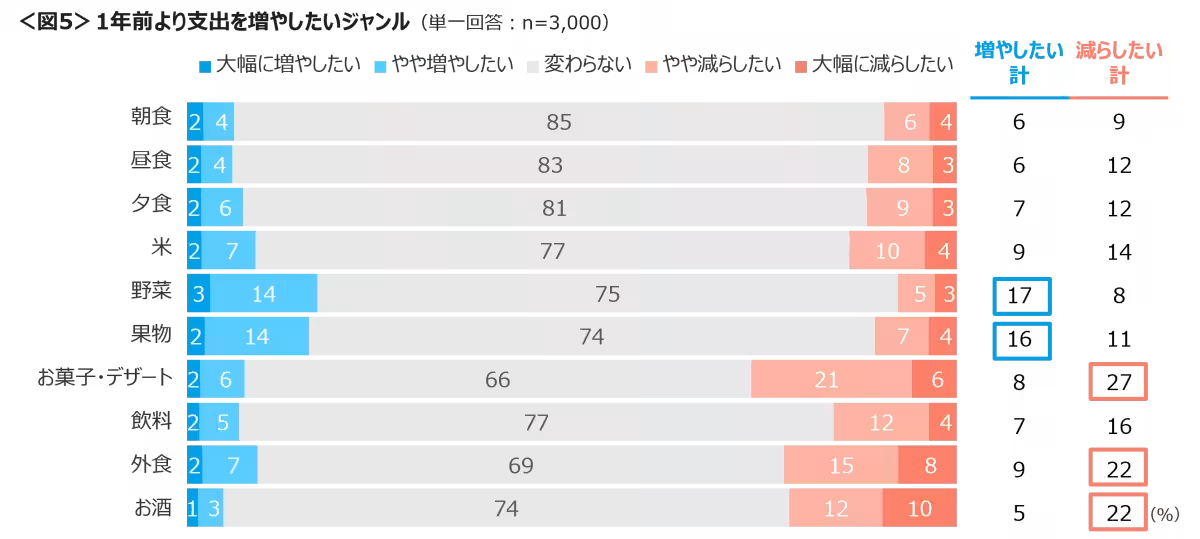
The survey also inquired about fluctuations in food-related spending over the past year. Most participants reported no significant changes, but there was a small subgroup expressing a desire to increase expenditure on vegetables and fruits. Conversely, many indicated a willingness to cut back on snacks, dining out, and alcohol.
Conclusion
The survey conducted by Cross Marketing sheds light on the evolving culinary landscape in Japan, where distinct generational preferences play a critical role in molding habits around cooking and dining. The findings indicate not only a shift towards convenience among younger individuals but also an enduring commitment to health and quality in the older population. As lifestyles continue to evolve, these insights could serve as valuable guidance for food producers and marketers looking to cater to diverse consumer needs.
For more detailed findings, you can download the complete report from Cross Marketing’s official website.
Download the full report here

Topics Consumer Products & Retail)
【About Using Articles】
You can freely use the title and article content by linking to the page where the article is posted.
※ Images cannot be used.
【About Links】
Links are free to use.