




LLMO Strategies: Are They Effective in the Age of AI Search? A 2026 Marketing Insights Survey
Exploring LLMO Strategies in the Age of AI Search
As generative AI continues to gain traction, the landscape of search optimization is undergoing a transformative shift. With LLMO strategies—designed to ensure AI comprehends and cites information—becoming a focal point, companies are navigating various approaches to harness these advancements. This article sheds light on a recent survey aimed at marketing professionals, investigating the implementation of LLMO strategies, their outcomes, and associated challenges.
Chapter 1: Interest in LLMO Strategies
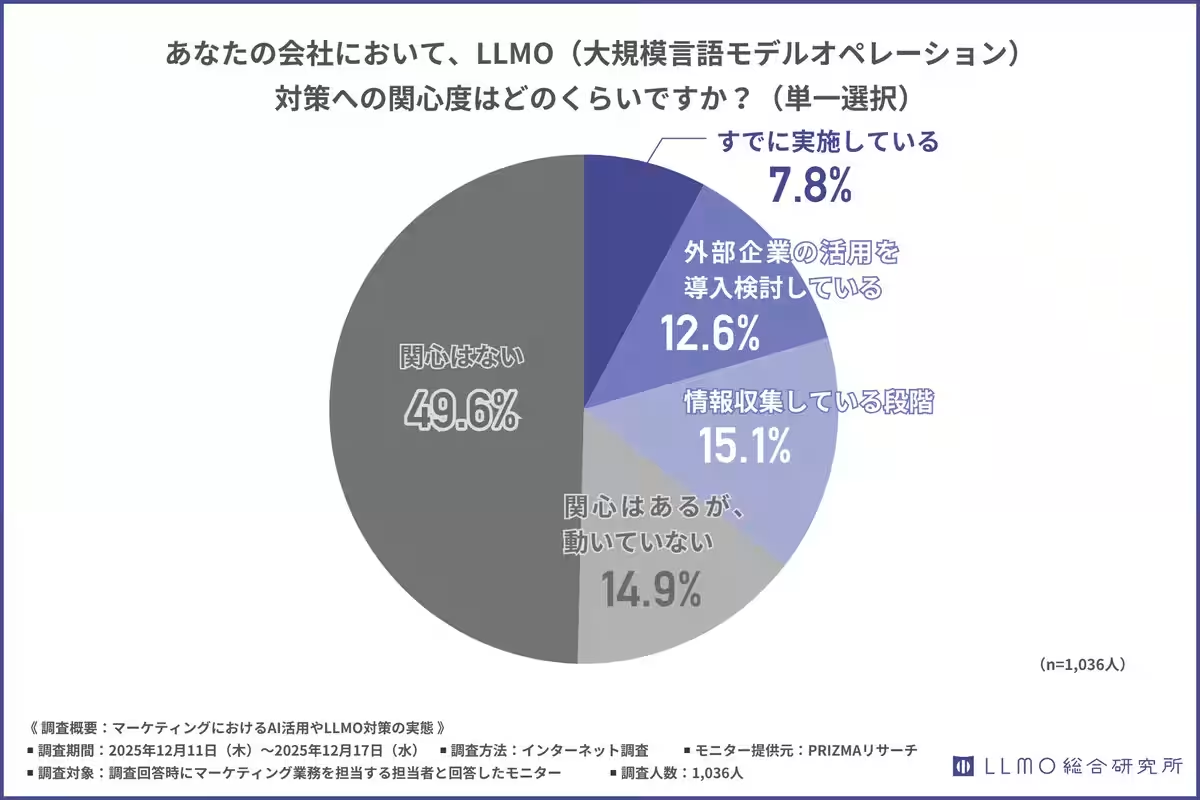
The survey reveals that over 30% of respondents are either currently implementing or considering LLMO strategies. The breakdown is as follows:
- - 7.82%: Already in implementation
- - 12.64%: Exploring collaboration with external firms
- - 15.06%: Actively gathering information
- - 14.86%: Interested but yet to take action
- - 49.61%: Not interested
Notably, fewer than 10% have taken action, indicating a hesitance to engage with these new strategies despite a recognized need for deeper understanding and action.
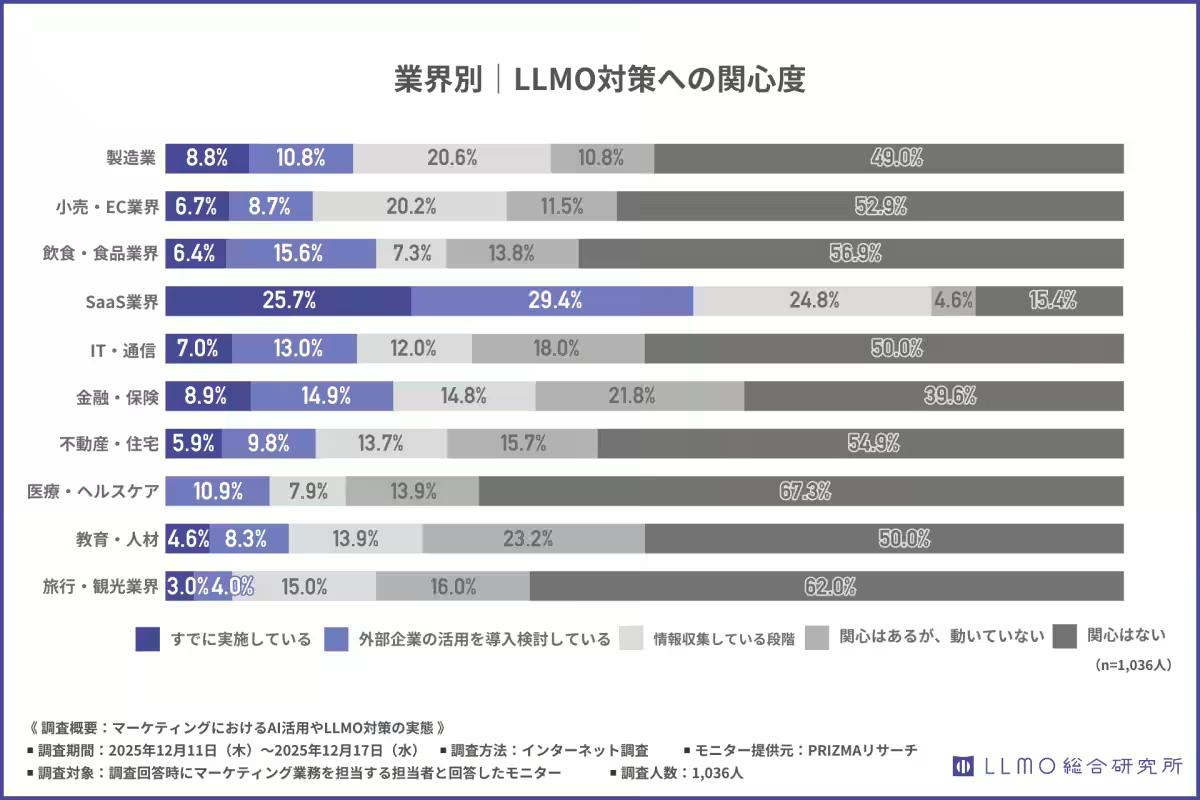
SaaS Industry Leads the Charge
The SaaS sector notably stands apart, boasting a higher engagement level, with nearly half of the companies actively implementing or considering LLMO strategies. This reflects a growing acknowledgment of AI search's role in everyday business operations compared to industries such as finance and education, where interest exists but implementation lags due to concerns over compliance and accuracy.
Chapter 2: Industry-Specific Approaches
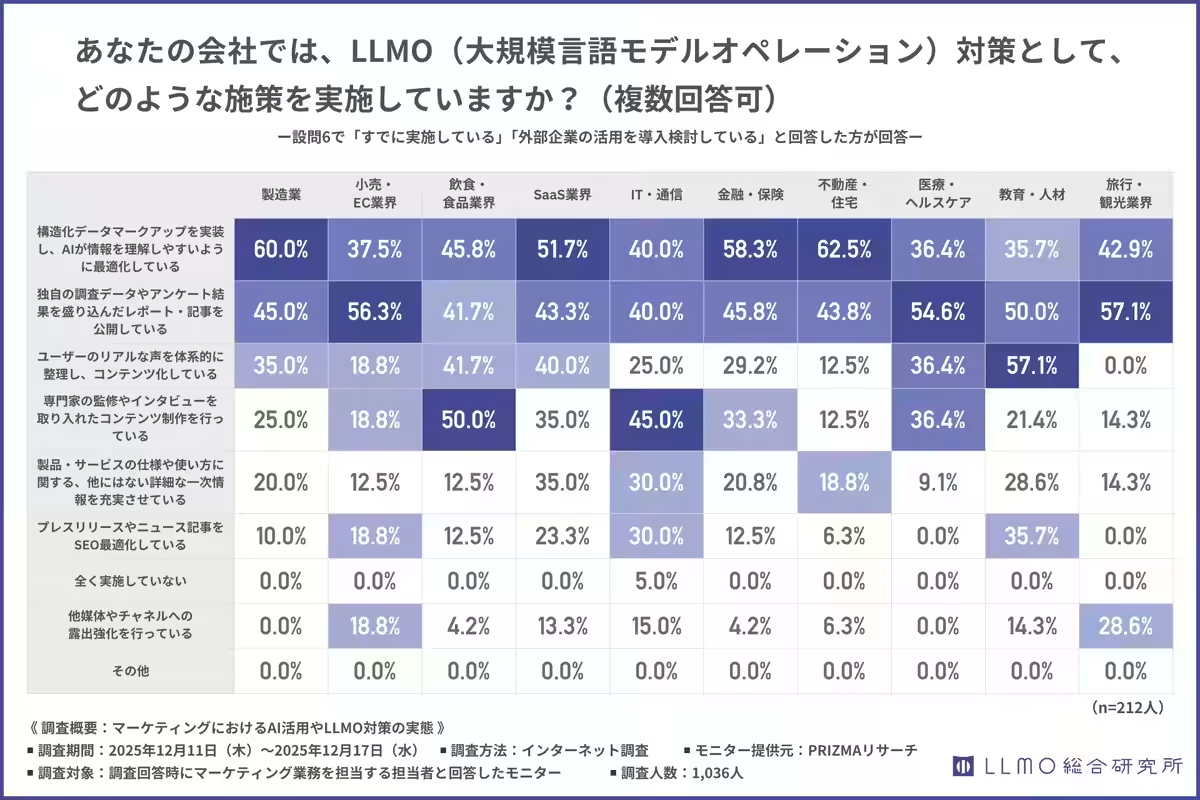
In the pursuit of LLMO effectiveness, strategies vary significantly across industries. While many firms prioritize structured data markup and content that utilizes proprietary research, industries such as finance and IT focus heavily on data optimization and organization. On the contrary, sectors like foodservice prioritize engaging, expert-driven content designed to enhance trust and value in the AI context.
Yet despite these distinctions, the survey highlights a trend where most industries are still grappling with initial adaptations—tackling LLMO from beachheads they find more approachable rather than through an exploratory mindset across advanced methods.
Chapter 3: Recognizing LLMO Effectiveness
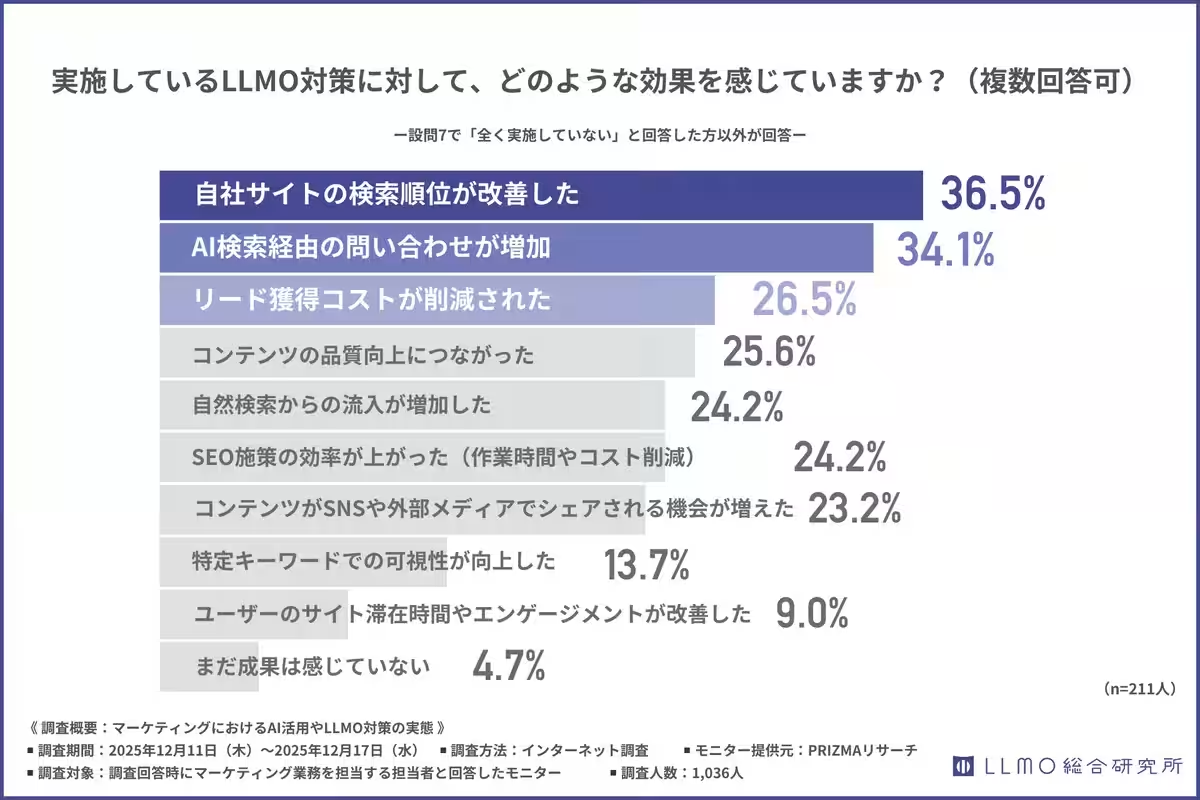
About 60% of companies reported improved search rankings after implementing LLMO strategies. Key indications of success included:
- - 36.5%: Noted improvements in site rankings
- - 34.1%: Increased inquiries via AI search
- - 26.5%: Reduced acquisition costs for leads
These show that LLMO strategies are not just improving web visibility but are also tightening operational efficiency within marketing practices. A minimal percentage reported seeing no benefits, suggesting a positive trend for most companies.
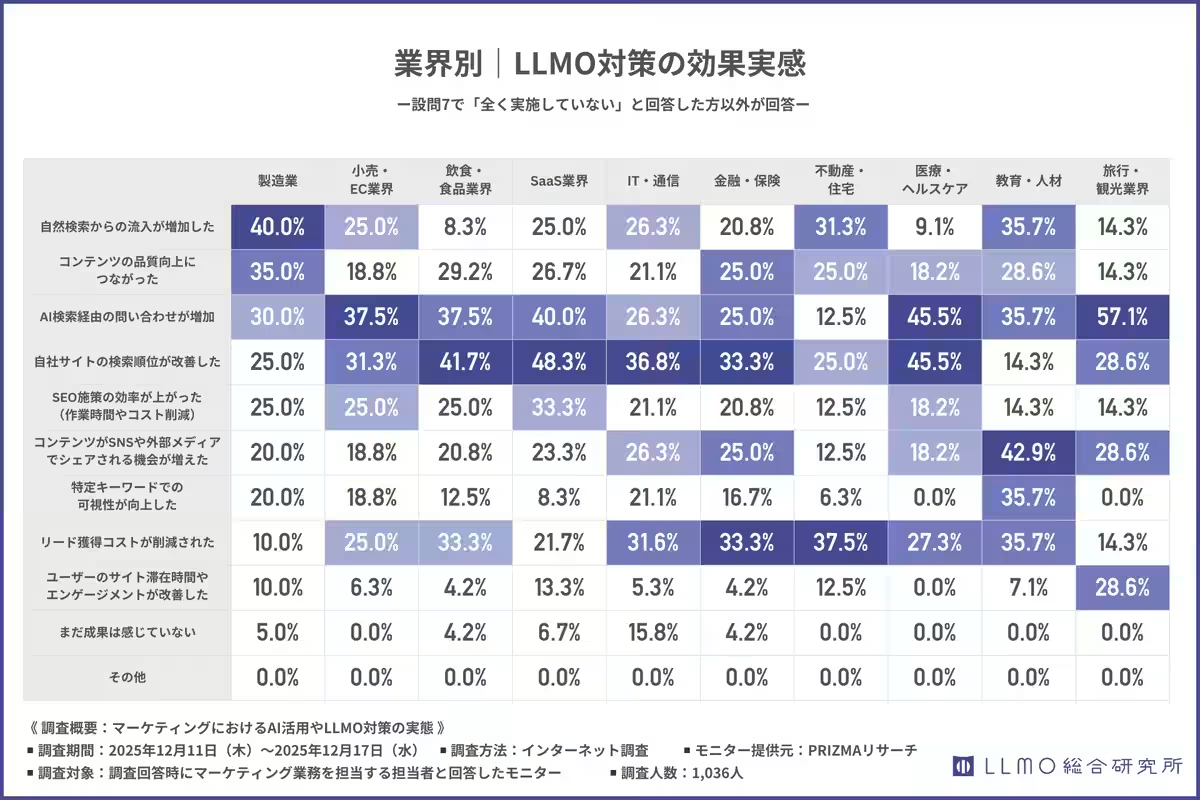
Sector-Specific Results
The results illustrate that industries, particularly SaaS, are almost universally feeling the impact of LLMO strategies, with enhanced visibility and user engagement rates. In contrast, sectors such as education and tourism benefit notably from increased inquiries and reduced lead costs, where success metrics are more tangible.
Chapter 4: Challenges in LLMO Strategy Adoption
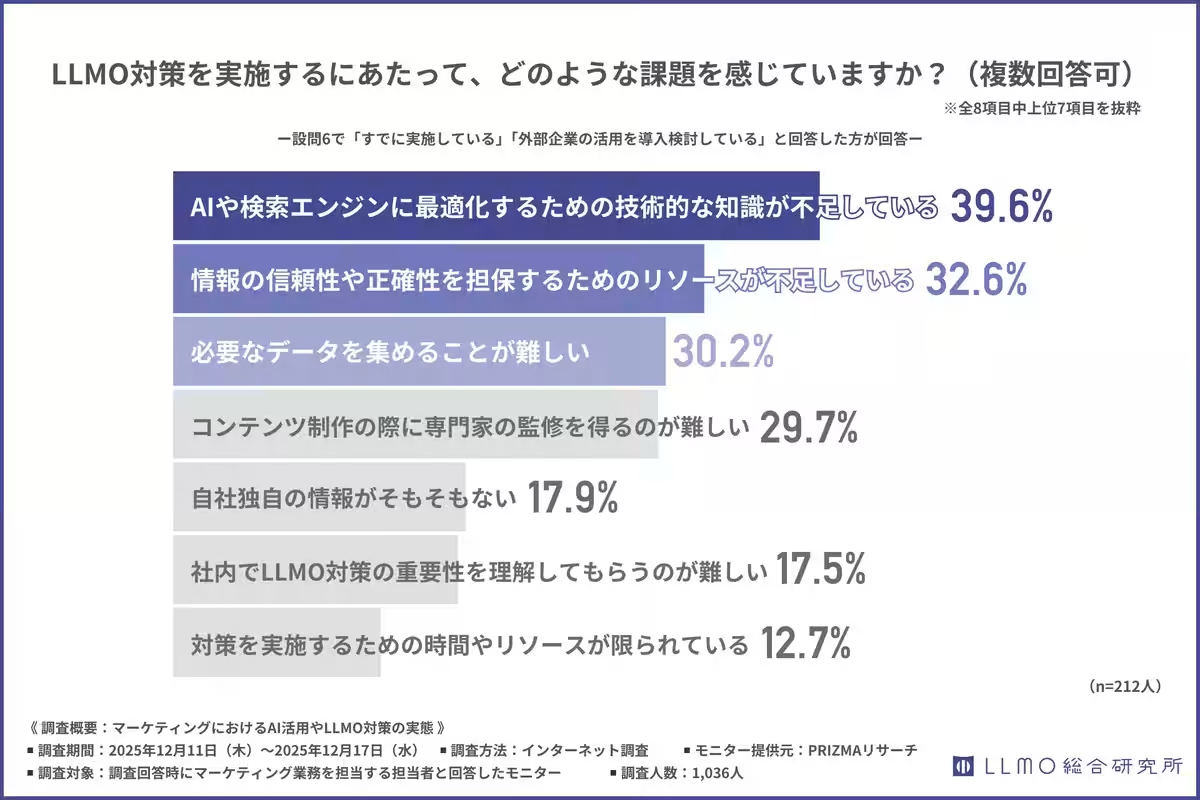
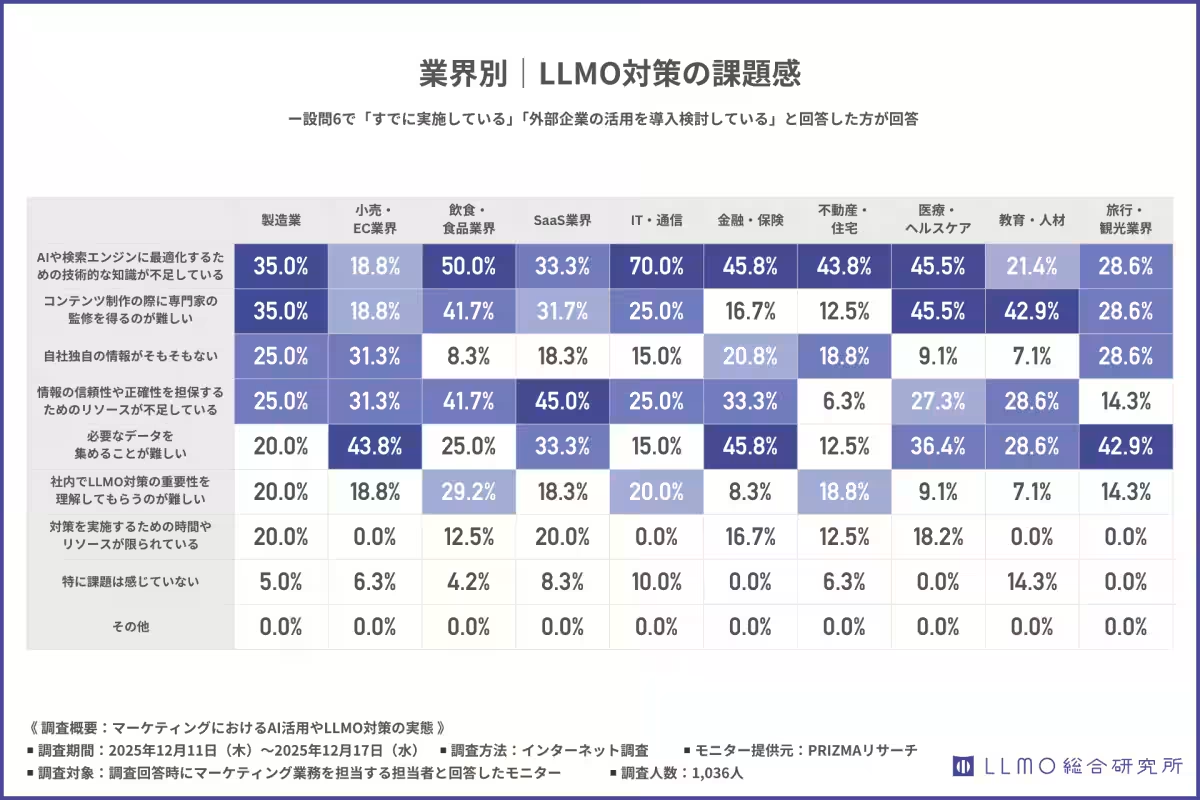
When identifying obstacles, the most frequent concern cited was a lack of technical knowledge (39.6%), followed by insufficient resources to ensure the reliability and accuracy of information (32.6%).
- - 30.2% found data collection challenging.
- - 29.7% had difficulty securing expert oversight during content production.
Insights for Future Enhancement
Several companies voiced aspirations to bolster the effectiveness of LLMO strategies by enhancing the accuracy and reliability of their content. Notable recommendations included:
- - Improve content structure to better align with AI requirements.
- - Seek external expert assistance to guide content development.
- - Strive for higher cost-performance ratios in marketing strategies.
Conclusion: Future Directions for Marketing and LLMO Strategies
While LLMO strategies are still in their infancy across many businesses, some industries, particularly SaaS, recognize the potential of AI search in driving business results. Those that have adopted these strategies report visible improvements, further solidifying the need for effective engagement with LLMO policies.
The future lies not just in optimizing content for AI but also in establishing a robust information foundation that enhances overall brand trust and value. Consequently, this transition will prove essential for businesses aiming to leverage their unique insights in an increasingly digital marketplace.


Topics Business Technology)

【About Using Articles】
You can freely use the title and article content by linking to the page where the article is posted.
※ Images cannot be used.
【About Links】
Links are free to use.