



The Paradox of Trust: Japanese Media Consumption in the Age of Misinformation
The Paradox of Trust: Japanese Media Consumption in the Age of Misinformation
In an era where the abundance of information is at our fingertips due to the proliferation of social media and video platforms like YouTube, the critical question arises: "What should we trust?" Recent research conducted by Ebichoco, aimed at understanding how different generations perceive media and its impact, sheds light on this significant issue. The study surveyed 1,200 men and women aged 20 to 79 across Japan, revealing some surprising outcomes regarding media consumption and trust.
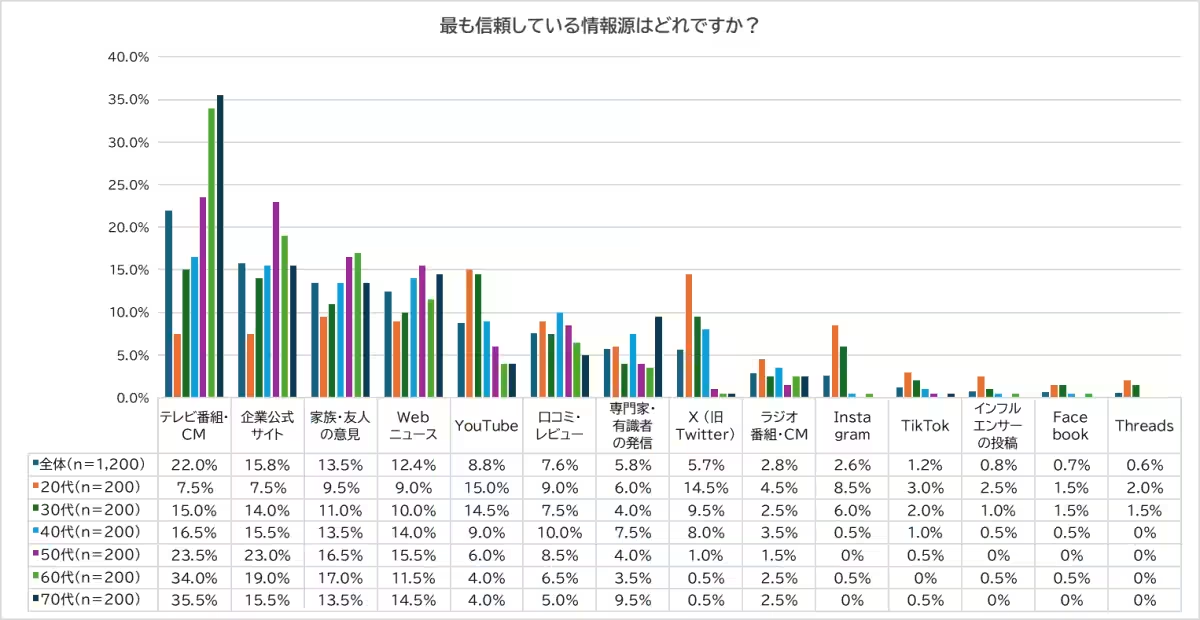
The Dominance of Television in Trust
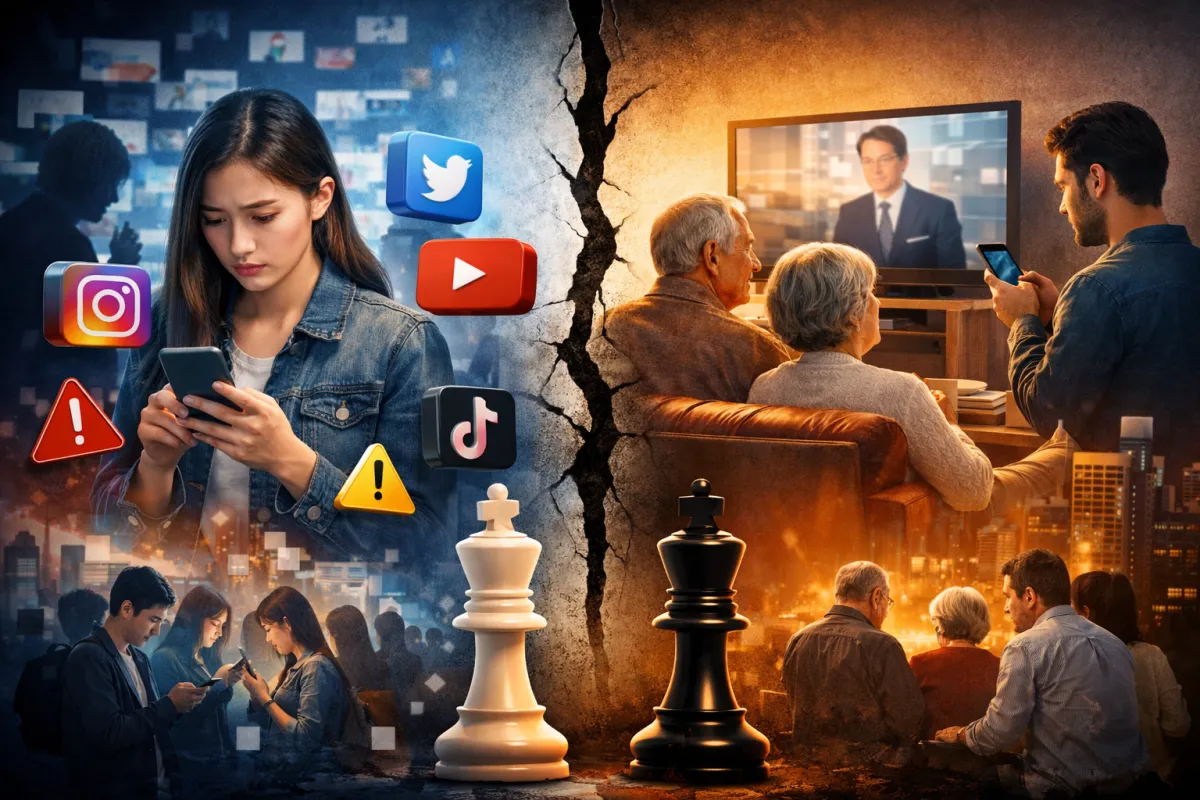
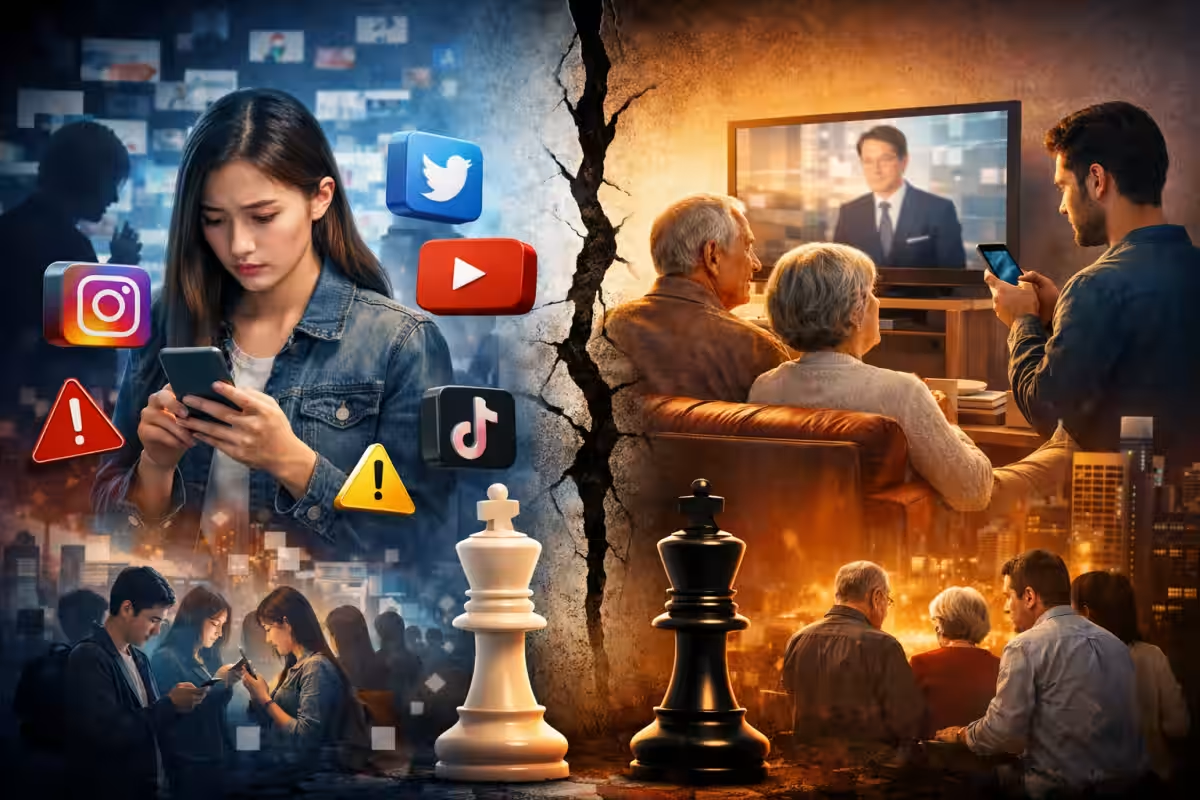
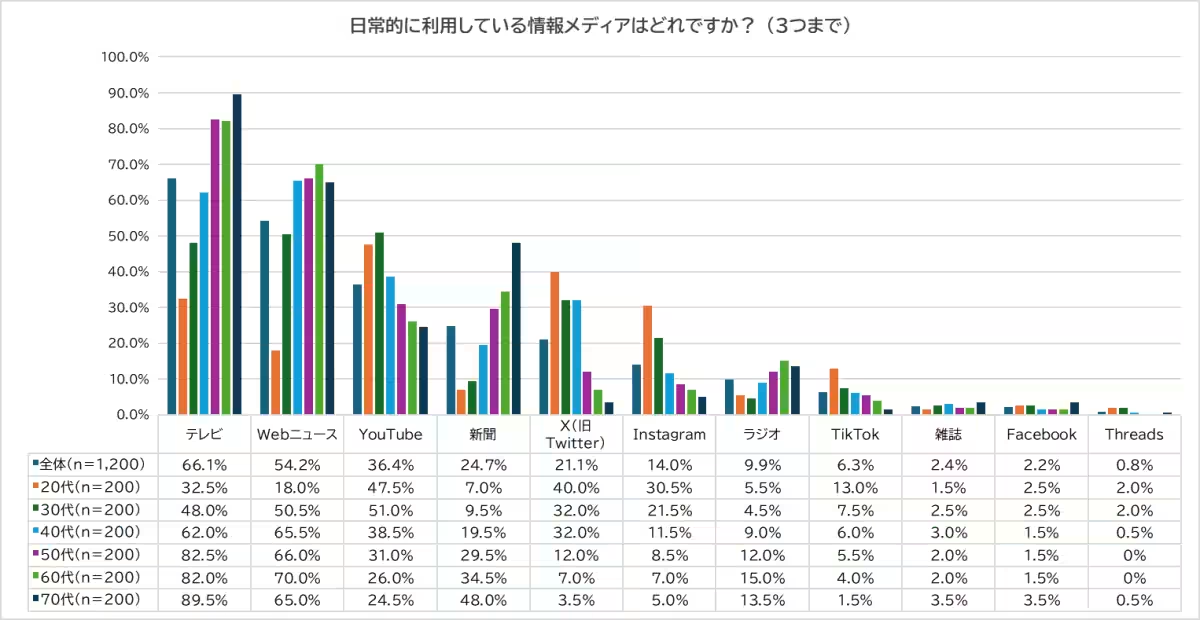
The study shows that despite the rise in popularity of social media and video platforms, television remains the most trusted source of information. Television not only serves as the primary medium for daily information consumption but also tops the trust rankings. Generational differences were striking; while more than 50% of those aged 50 and above primarily use television, the reliance on social media platforms surged among those in their 20s, with over 40% engaging regularly with YouTube and X (formerly Twitter).
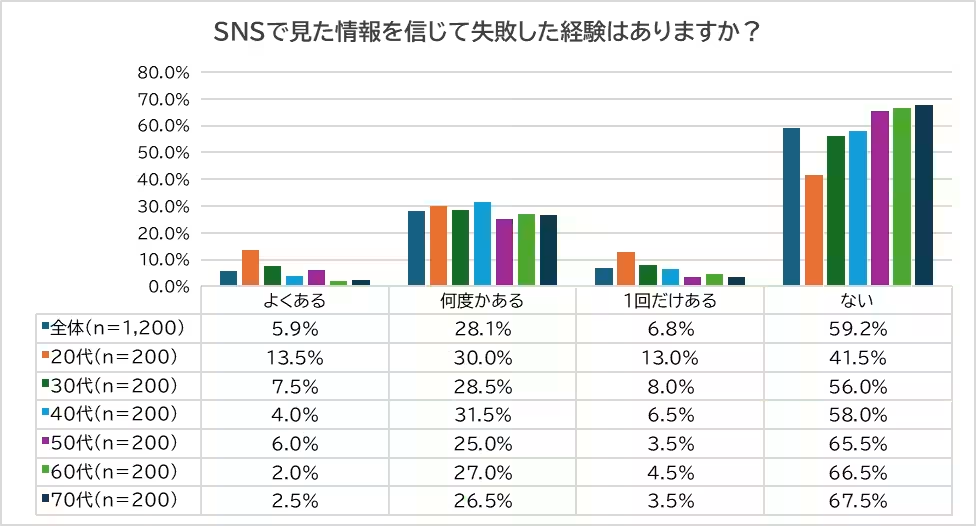
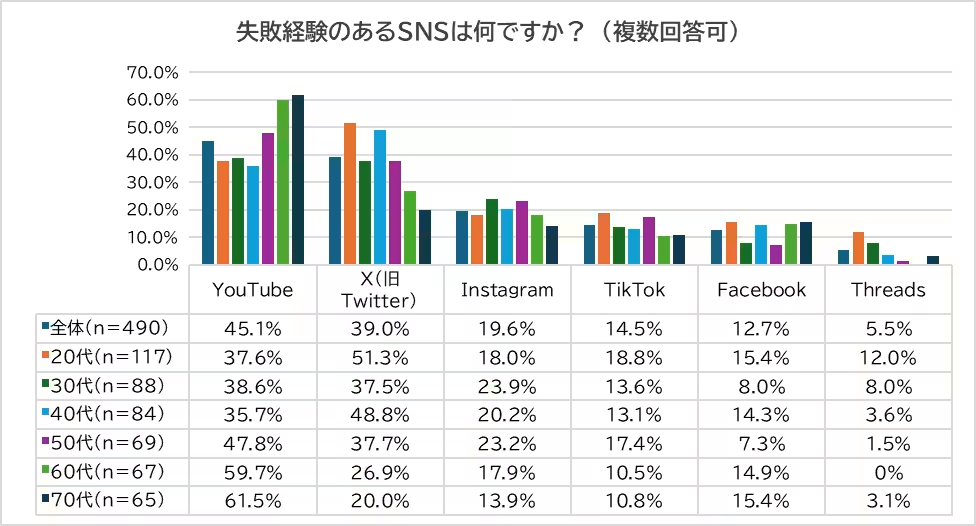
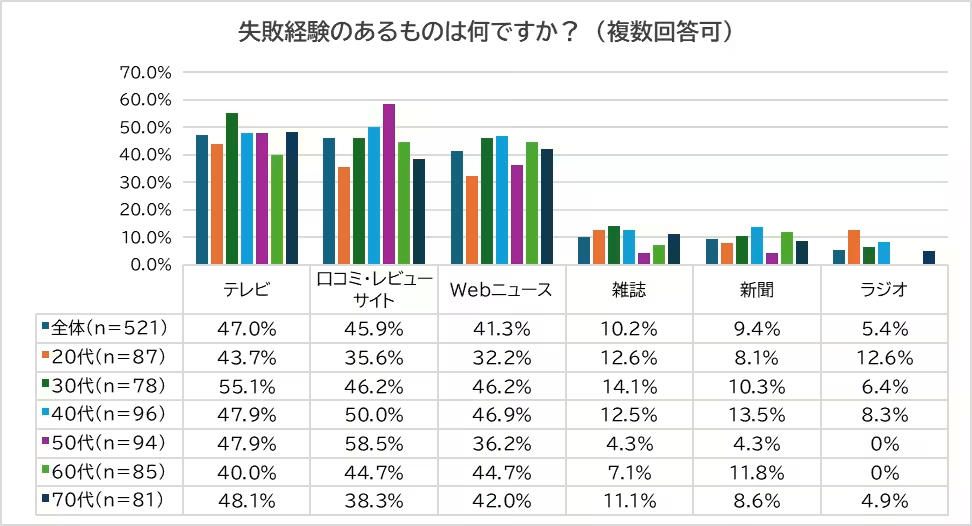
Moreover, it was found that those in younger demographics frequently encounter misinformation, with nearly 40% reporting experiences of failures stemming from trusting information obtained through social media, emphasizing a paradox where users acknowledge the lack of reliability yet continue to engage with these platforms.
Purchasing Behavior: A Divide between Generations
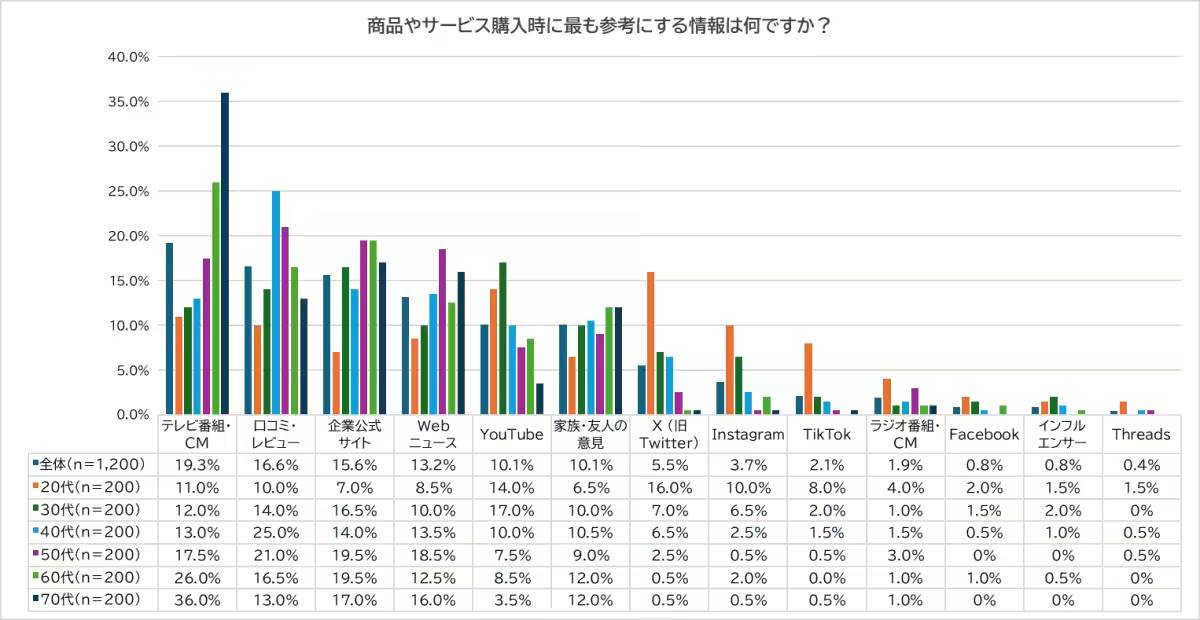
The study's findings indicate a clear divergence in how different age groups approach purchasing decisions. While older generations (60s and 70s) heavily rely on television programs and commercials as their primary reference points for purchasing, younger generations show increasing reliance on social media reviews and influencers. This age-related distinction highlights a growing trend where the direct experiences communicated through social media have become more influential among younger consumers than traditional forms of media, signaling a shift in consumer behavior dynamics.
In particular, individuals in their 20s reported that social media platforms like Instagram, X, and TikTok significantly influence their purchasing decisions, contrasting sharply with their older counterparts. Furthermore, a propensity to over-rely on user-generated content over verified information sources is notable, shedding light on the critical role of real-time feedback in shaping young consumers’ choices.
Trust and Misinformation: A Rising Concern
Despite the engagement with social media, trust levels in such platforms remain significantly low across all age groups. The study highlights that although younger age groups exhibit a degree of trust in platforms like YouTube and X, there is a drastic decline in trust as the age increases. This indicates a clear distinction—while social media is frequently used, its credibility is highly contested.
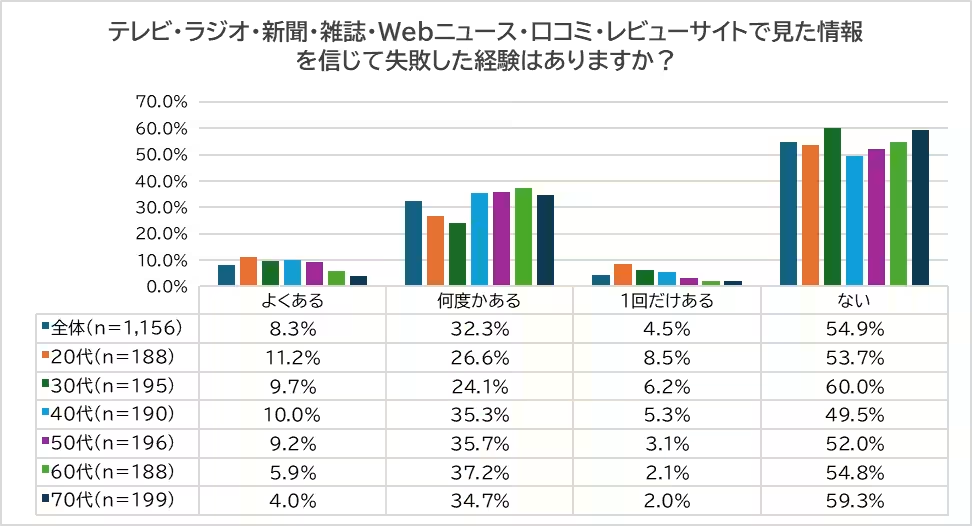
A significant finding of the report is the staggering number of individuals who admitted to experiencing failures from misinformation, particularly concerning social media and other digital sources. As much as 58.5% of young respondents (in their 20s) confessed to having acted on false information, underscoring the urgent need for media literacy initiatives that equip users to discern trustworthy information.
The Role of Established Media in Building Trust
With the observed trust crisis surrounding social media, the findings reveal television as an enduring presence in the information landscape, driven by its regulatory obligations, editorial oversight, and historical credibility among consumers. The study emphasizes that public media continues to play a pivotal role in offering assurance and serving as a stabilizer amid the chaos of information overload.
Consumers now undertake extensive cross-checking, confirming as many as four reviews before making purchasing decisions, indicating a heightened degree of caution against misinformation. This trend underscores the need for companies to not only generate buzz on social media but also to secure credible media exposure to amplify their trustworthiness.
Furthermore, the research delineates how the landscape of consumer trust is evolving yet remains fragile, calling for brands to reinforce their public relations strategies and align with verified information sources to minimize the persistent risk of misinformation.
Conclusion: Navigating the Future of Media Trust in Japan
As we navigate an increasingly digitized world, the implicit takeaway from this study is clear: the brands that will succeed are not merely the ones that achieve high visibility but those that foster deep-seated trust among consumers. The juxtaposition of high engagement with social media alongside significant distrust underscores the critical need for holistic marketing strategies that bridge the gap between immediacy and credibility.
In a world overwhelmed by information, fostering a robust relationship built on confidence and reliability with consumers is paramount. By anchoring their communication strategies in trustworthy media like television, brands can cultivate enduring value and fortify consumer loyalty in the long run.

Topics Entertainment & Media)



【About Using Articles】
You can freely use the title and article content by linking to the page where the article is posted.
※ Images cannot be used.
【About Links】
Links are free to use.