



Introduction of Innovative Floor Construction Technique in Japan Enhancing Structural Integrity
Asanuma Corporation, headquartered in Osaka, has recently achieved a significant milestone by obtaining a technical performance certificate for the innovative CCB-NAC method, a floor slab construction technique utilizing rebar to effectively control cracking. This certification, which has been granted by the Japan Building Technical Evaluation Institute, marks a substantial step forward for the consortium of companies interested in this method, led by Asanuma Corporation itself.
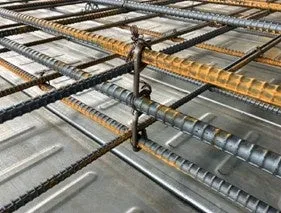
The CCB-NAC (Crack Control Bar – No Additional Concrete) method effectively manages the occurrence of shrinkage cracks in concrete slabs. Through strategic alignment of inducing materials along with vertical cutter joints and parallel slab reinforcements, this technique significantly enhances the potential for cracks to occur along designated joints instead of randomly across the slab surface.
This innovation not only optimizes structural safety by using the full thickness of the slab for strength calculations but also reduces the need for additional concrete typically required at joint locations. As a result, construction can lead to high-quality buildings while also contributing to environmental sustainability by minimizing excess concrete use.
1. Heightened Crack Induction: The method has consistently demonstrated a 25-30% success rate in directing shrinkage cracks into predetermined joints, thus preserving the aesthetic and functional integrity of the slab surface.
2. Superior Construction Quality: Utilizing high-quality deform necked rebars that comply with JIS standards as induction materials assures durability without compromising the structural integrity of the concrete.
3. Efficient Application: The technique allows rebar workers to install inducing materials during the rebar installation process, enhancing labor efficiency and reducing costs compared to traditional methods.
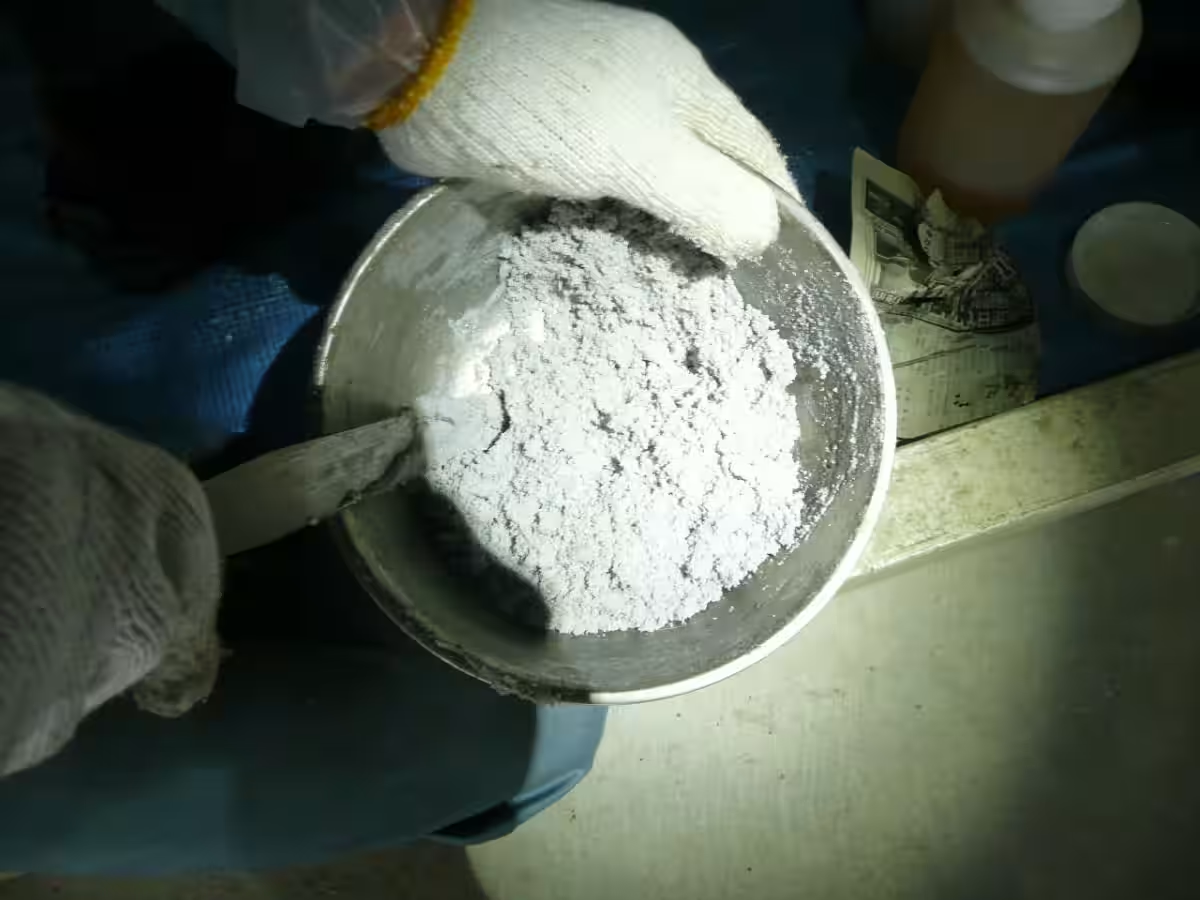
4. Utilization of Specialized Materials: Recommended fillers like PRS (Porous Resin Sand) provide effective protection against edge damage, supporting load resistance and crack distribution, while meeting the necessary standards for construction material performance.
According to the technical performance certificate received, floor slabs that utilize the CCB-NAC method possess structural performance equivalent to those without joints. This landmark achievement opens the door for broader application of this method in real-world building projects moving forward.
The CCB Method Association, which oversees the application of this technique, plans to ensure that only certified technical supervisors who have undergone rigorous training and certification processes will oversee implementations. As of February 2026, 672 individuals have qualified under this program.
Since its inception in 2017, the CCB-NAC method has been successfully applied in over 30 projects, which include warehouses and factory floors, successfully controlling cracking and enhancing structural integrity. Traditionally, measures taken to prevent cracking in structural slabs have relied on various methods, such as reinforcing bars and the addition of expansive agents, which often resulted in visible cracks at the time of project completion.
The recent certification and cost-effective results from trials conducted on actual projects suggest that the CCB-NAC method will see a swift increase in application across structural slabs, further ensuring safety standards while aiming for high-quality construction and environmental conservation. Asanuma Corporation remains committed to driving innovation within the construction industry.
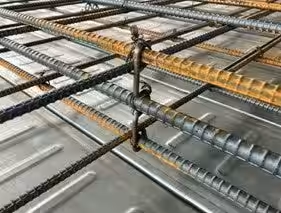
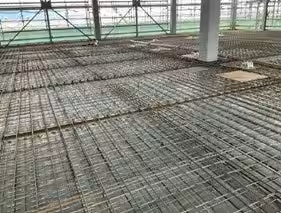
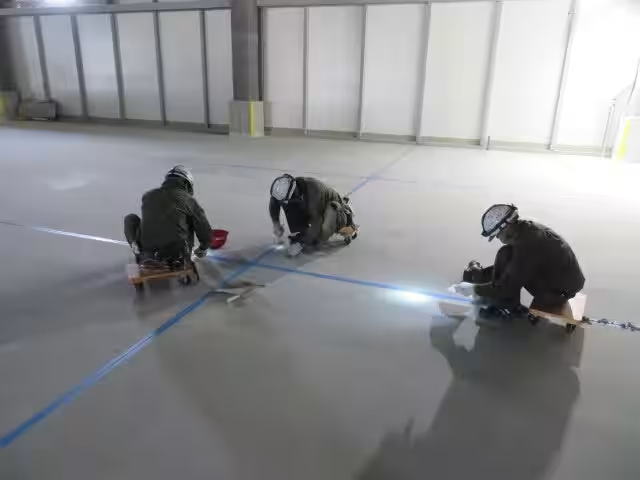

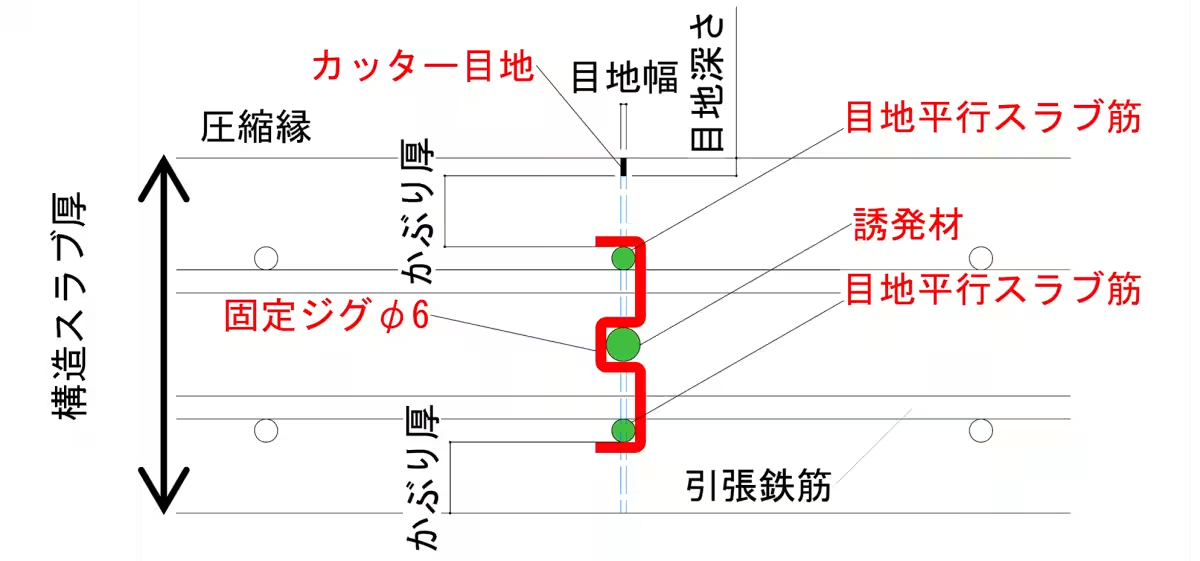

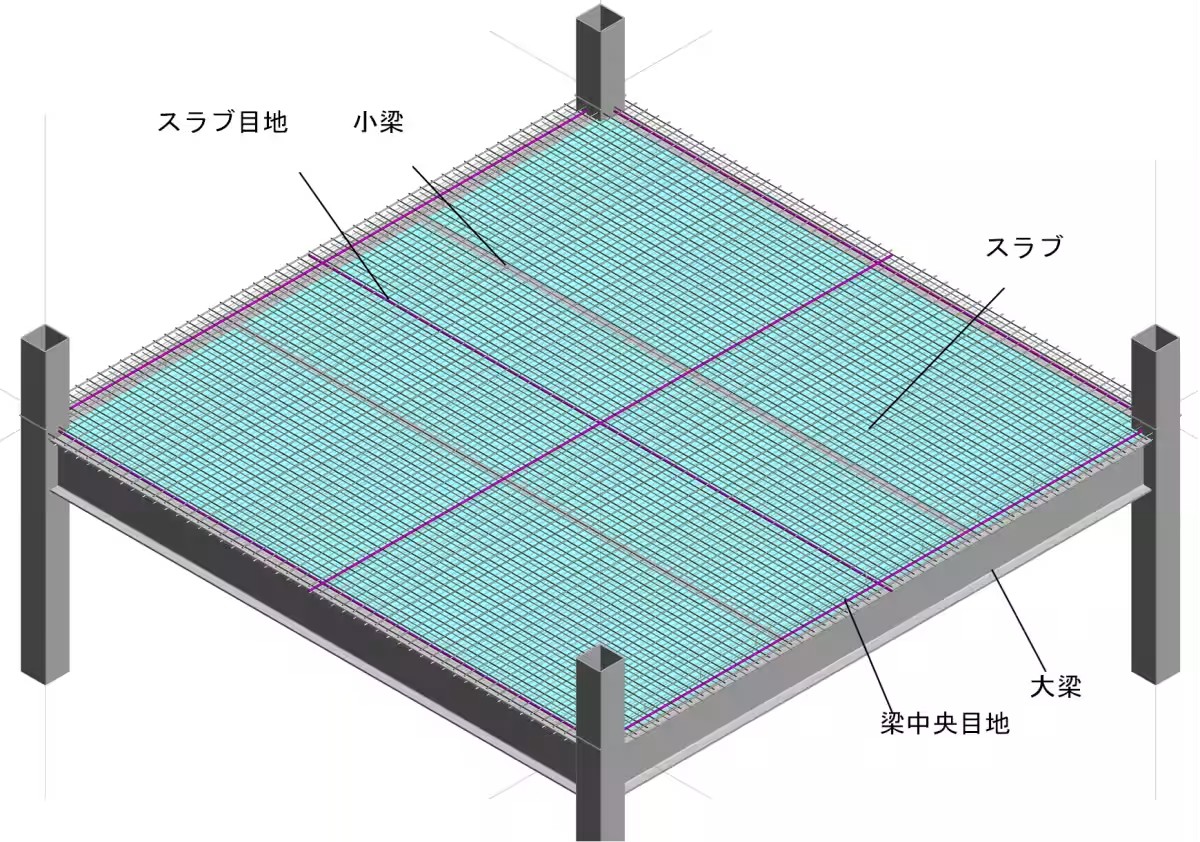
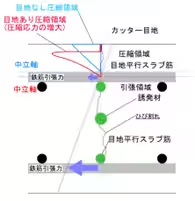
The CCB-NAC (Crack Control Bar – No Additional Concrete) method effectively manages the occurrence of shrinkage cracks in concrete slabs. Through strategic alignment of inducing materials along with vertical cutter joints and parallel slab reinforcements, this technique significantly enhances the potential for cracks to occur along designated joints instead of randomly across the slab surface.
This innovation not only optimizes structural safety by using the full thickness of the slab for strength calculations but also reduces the need for additional concrete typically required at joint locations. As a result, construction can lead to high-quality buildings while also contributing to environmental sustainability by minimizing excess concrete use.
Key Features of the CCB-NAC Method
1. Heightened Crack Induction: The method has consistently demonstrated a 25-30% success rate in directing shrinkage cracks into predetermined joints, thus preserving the aesthetic and functional integrity of the slab surface.
2. Superior Construction Quality: Utilizing high-quality deform necked rebars that comply with JIS standards as induction materials assures durability without compromising the structural integrity of the concrete.
3. Efficient Application: The technique allows rebar workers to install inducing materials during the rebar installation process, enhancing labor efficiency and reducing costs compared to traditional methods.
4. Utilization of Specialized Materials: Recommended fillers like PRS (Porous Resin Sand) provide effective protection against edge damage, supporting load resistance and crack distribution, while meeting the necessary standards for construction material performance.
Performance Certification
According to the technical performance certificate received, floor slabs that utilize the CCB-NAC method possess structural performance equivalent to those without joints. This landmark achievement opens the door for broader application of this method in real-world building projects moving forward.
Future Prospects
The CCB Method Association, which oversees the application of this technique, plans to ensure that only certified technical supervisors who have undergone rigorous training and certification processes will oversee implementations. As of February 2026, 672 individuals have qualified under this program.
Since its inception in 2017, the CCB-NAC method has been successfully applied in over 30 projects, which include warehouses and factory floors, successfully controlling cracking and enhancing structural integrity. Traditionally, measures taken to prevent cracking in structural slabs have relied on various methods, such as reinforcing bars and the addition of expansive agents, which often resulted in visible cracks at the time of project completion.
The recent certification and cost-effective results from trials conducted on actual projects suggest that the CCB-NAC method will see a swift increase in application across structural slabs, further ensuring safety standards while aiming for high-quality construction and environmental conservation. Asanuma Corporation remains committed to driving innovation within the construction industry.
Topics Other)
【About Using Articles】
You can freely use the title and article content by linking to the page where the article is posted.
※ Images cannot be used.
【About Links】
Links are free to use.