



Trends in Graduate Recruitment for Specialized Students in Japan: Insights from Careermap's Survey
Graduate Recruitment Trends for Specialized Students in Japan
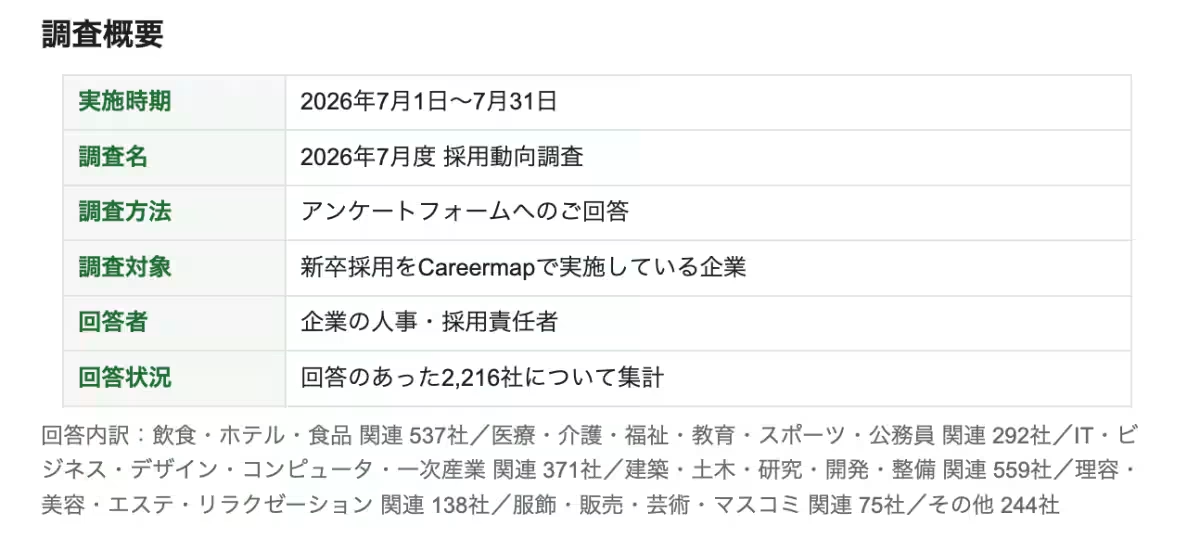
In the rapidly changing job market, the recruitment landscape for specialized students in Japan is shifting. A recent survey conducted by Careermap, a platform connecting specialized students with employers, gathered insights from 2,216 human resource and recruitment leaders across the nation. This study provides an overview of the recruitment trends aimed at the graduating classes of 2027 and 2028, revealing the challenges and strategies companies are adopting amidst a competitive environment.
Recruitment Continuity Despite Challenges
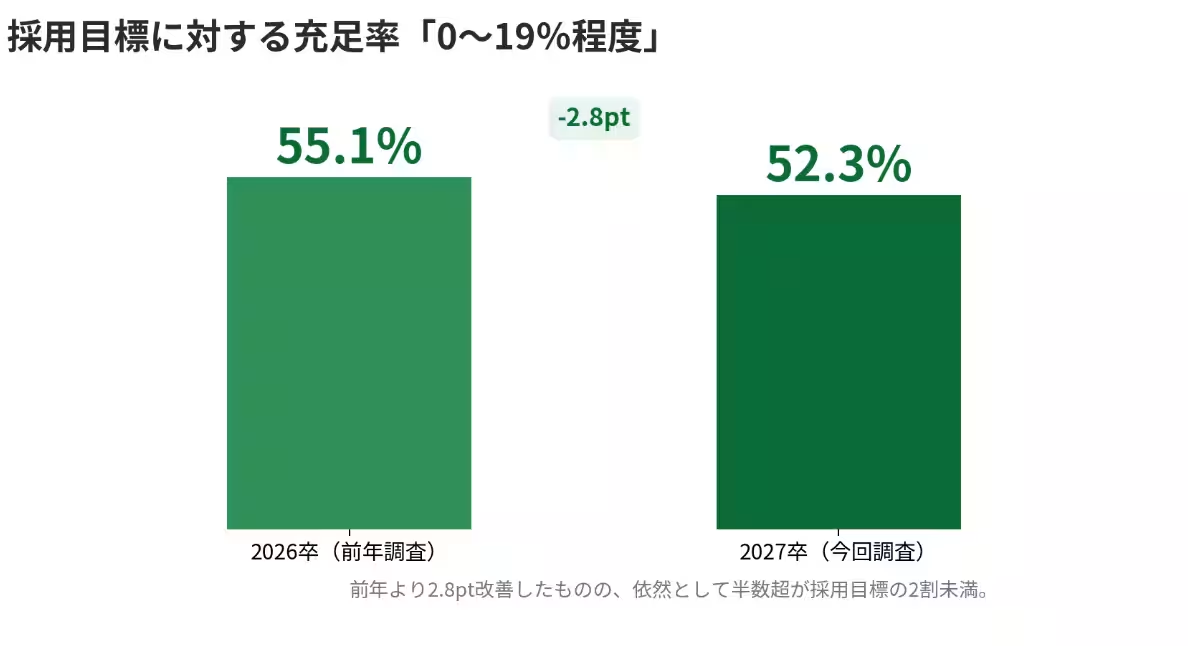
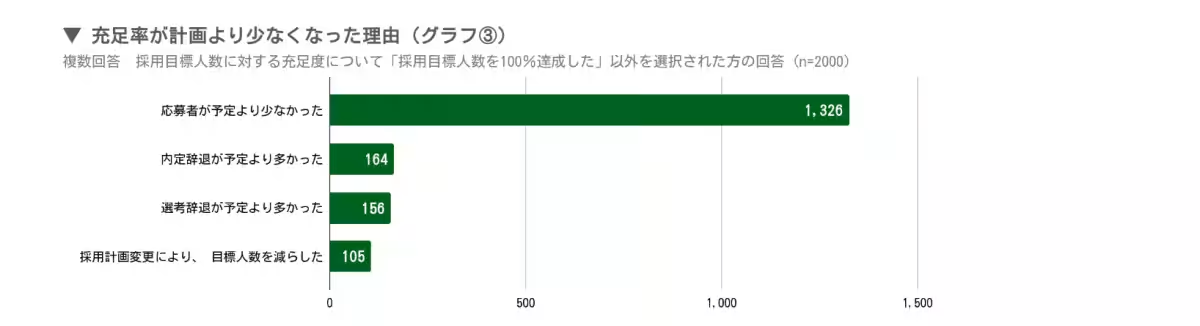
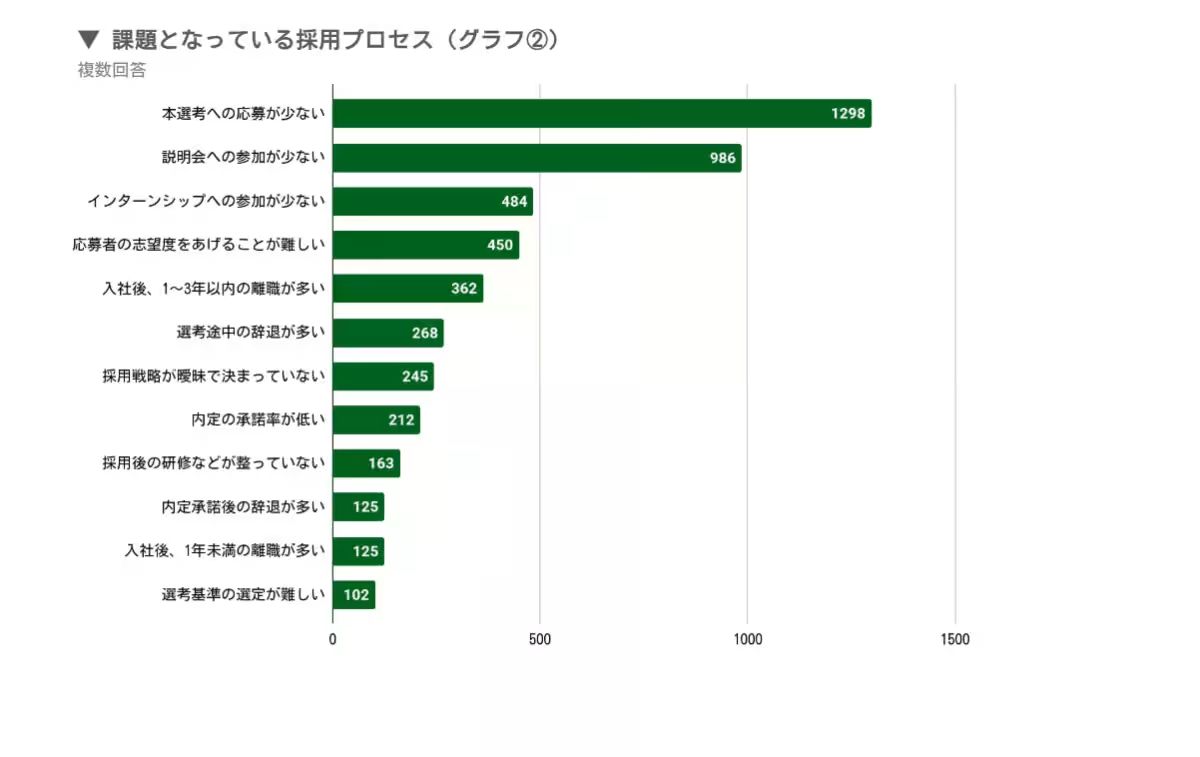
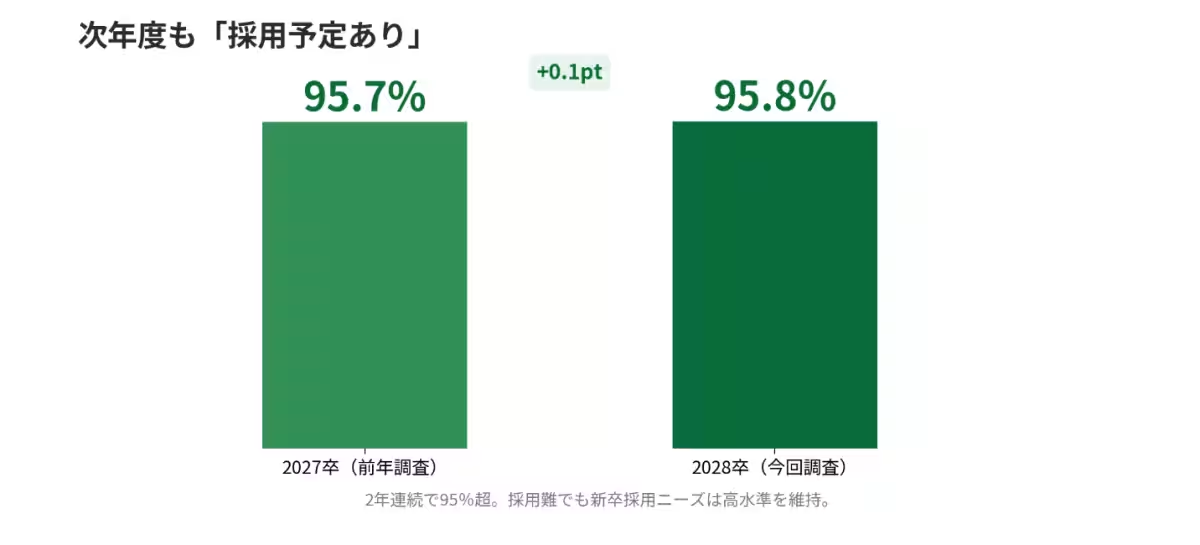
The survey indicates that the desire for recruiting fresh graduates remains strong, with 95.8% of surveyed companies planning to continue hiring for new graduates in 2028, closely mirroring the previous year's statistic of 95.7%. This demonstrates a consistent commitment to new graduate recruitment, even amidst the difficulties within the labor market. Despite this, the fulfillment rate of hiring targets has shown only slight improvement, with 52.3% of companies reporting a fulfillment rate of less than 20%—a minor improvement from 55.1% in the previous year. This underlines a persistent shortage of applicants.
A Focused Approach to Internships
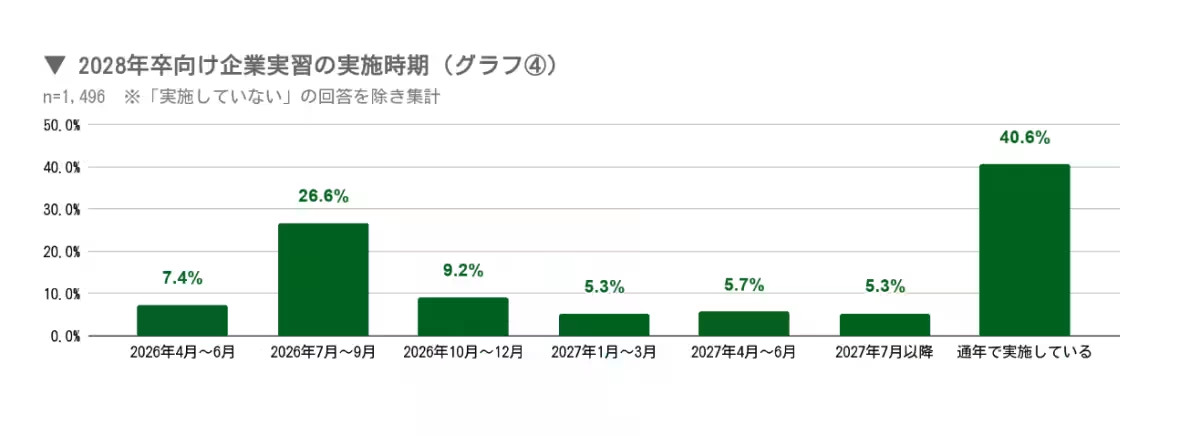
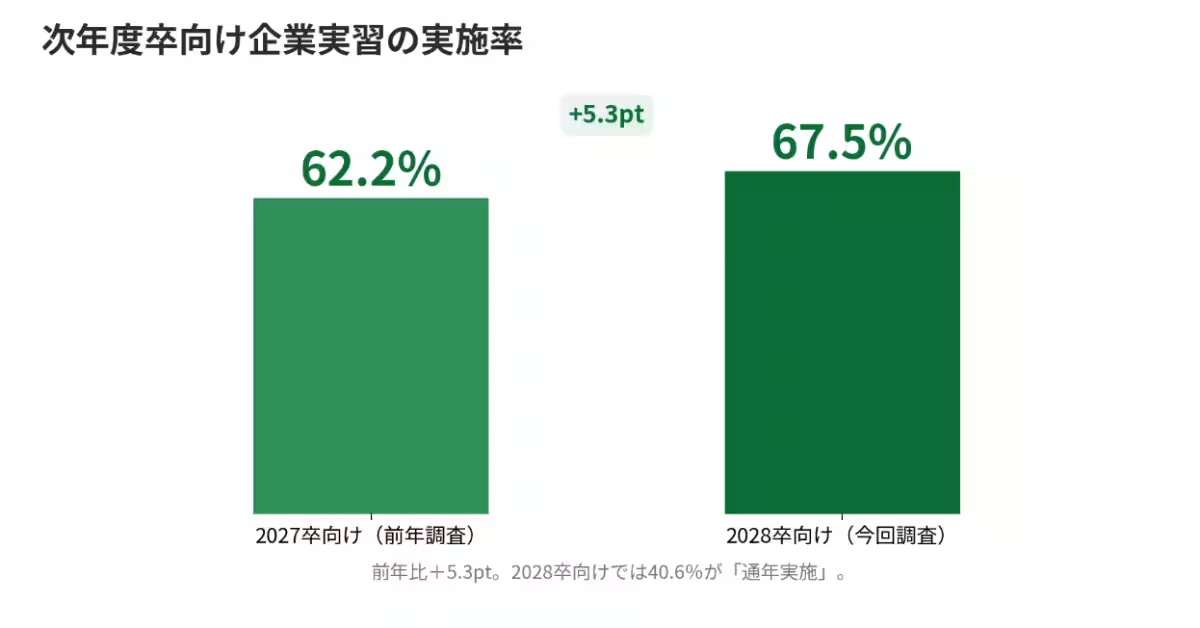
One significant development highlighted in the survey is the increase in company internship participation rates, which rose from 62.2% to 67.5%. Notably, 40.6% of employers now engage in year-round internship programs. This shift reflects an evolving strategy to build long-term relationships with students, rather than relying solely on traditional recruitment methods. Companies are now investing in earlier and more extended interactions with potential candidates.
Hiring Specialized Students: Expectations and Reality
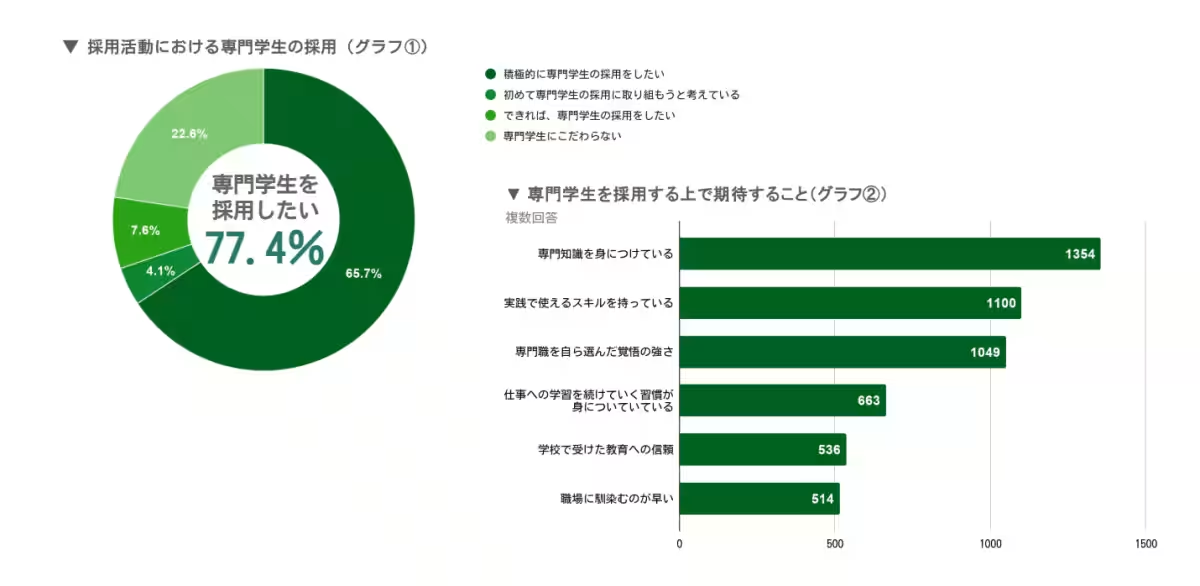
Employers expressed a strong interest in hiring specialized students, with 77.4% indicating they are either actively hiring or considering hiring specialized students for the first time. The key attributes valued by employers include:
1. Specialized knowledge (1,354 mentions)
2. Practical skills applicable in real-world settings (1,100 mentions)
3. Strong commitment to chosen professions (1,049 mentions)
This trend aligns with previous findings, suggesting that employers not only seek technical skills but also value the ability of specialized students to adapt and thrive in their work environments.
Salary Dynamics: A Mixed Picture
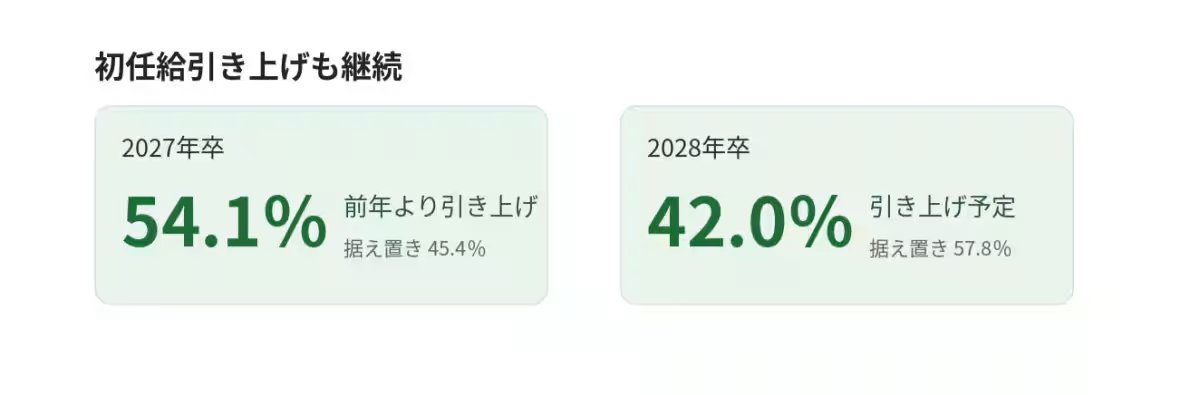
While companies show a willingness to increase starting salaries—54.1% of businesses raised their starting salary for 2027 graduates—only 42.0% plan to do so for the 2028 class. Interestingly, nearly 60% intend to maintain salary levels, indicating a shift in approach among employers due to varying confidence levels about attracting candidates.
The Call for Improved Connections
Despite an apparent enthusiasm for specialized students, the fundamental challenge persists: employers struggle to connect with enough candidates. The latest data shows a trend where the resignation rate of specialized students is consistently lower than that of university students, further highlighting the distinct dynamics at play in the specialized hiring landscape.
Careermap remains committed to addressing these challenges. The platform launched continuous monitoring of the recruitment landscape back in 2020. As such, the focus will be on delivering meaningful connections and insights to students, educational institutions, and companies. Our goal is to bridge the gaps in information and interactions that often hinder students from finding suitable employment opportunities that align with their skill sets and educational backgrounds.
In conclusion, while companies maintain a resolute commitment to recruit fresh specialized talent, the road forward lies in nurturing earlier and more meaningful connections with students. Careermap will continue to gather and disseminate valuable insights, allowing all parties involved to navigate this evolving recruitment landscape effectively.

Topics Other)
【About Using Articles】
You can freely use the title and article content by linking to the page where the article is posted.
※ Images cannot be used.
【About Links】
Links are free to use.