




Understanding the Shifting Motivations for Self-Investment Across Generations
Shifting Perspectives on Self-Investment Across Age Groups
In recent times, there has been a notable surge in interest regarding self-investment, which encompasses activities aimed at improving one’s knowledge, skills, and overall well-being. This shift has transcended age demographics, with younger individuals predominantly focusing on increasing their income, while older generations prioritize health and vitality. A survey conducted by For-it Inc., the developers behind the affiliate platform 'afb', reveals significant insights into how aspirations for self-investment vary across different age groups.
Background of the Survey
The survey entitled “Spring Self-Investment” targeted a diverse group of 500 individuals aged between their teens and sixties across Japan. With the rising emphasis on reskilling, side jobs, and wealth accumulation, understanding the desired outcomes of self-investment becomes crucial. The results illustrate a discrepancy in goals, showing that some seek career advancement and income growth, while others aim for maintaining health or pursuing lifelong learning.
Key Findings
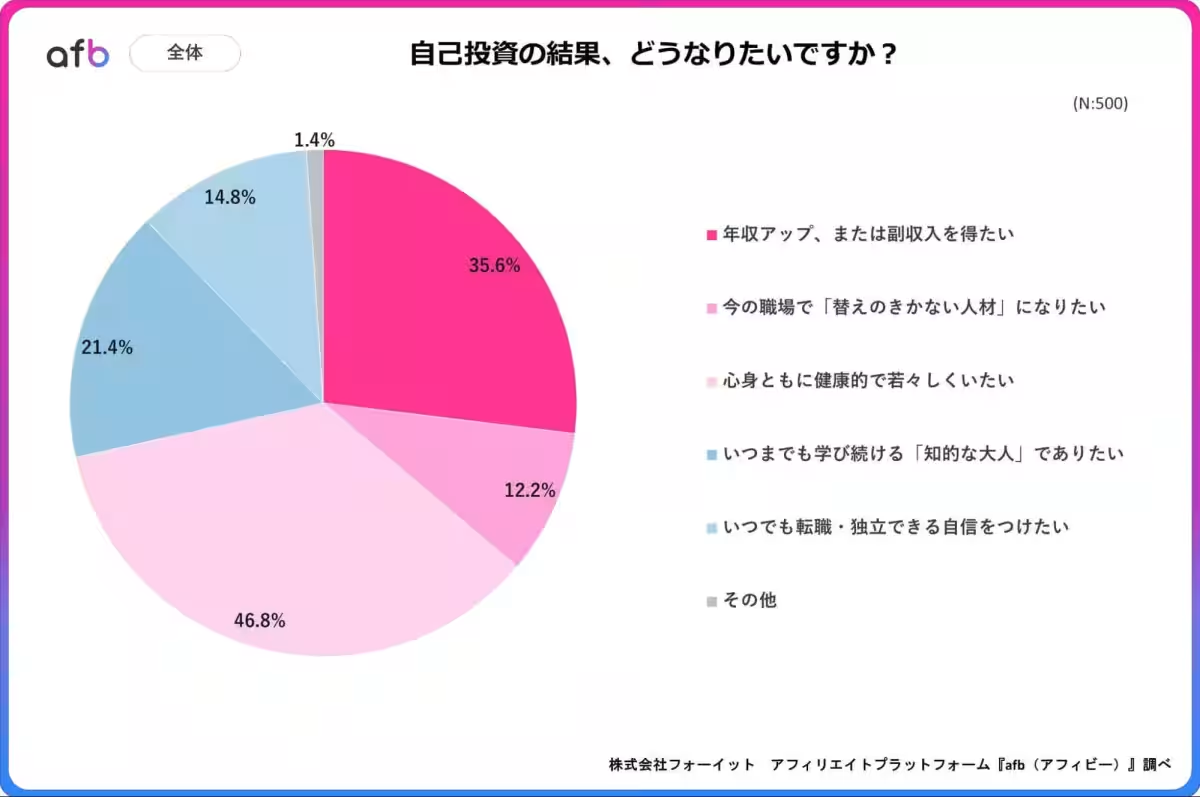
The question posed to the respondents was straightforward: “What do you hope to achieve through self-investment?” The results were illuminating:
- - 46.8% expressed a desire to be healthy and youthful both mentally and physically.
- - 35.6% aimed for increased income or side earnings.
- - 21.4% wished to be intellectually engaged adults who continue to learn throughout their lives.
This data underscores a notable trend: the overarching aim for young adults is to improve income, while older age groups emphasize wellness.
Age and Profession-Specific Insights
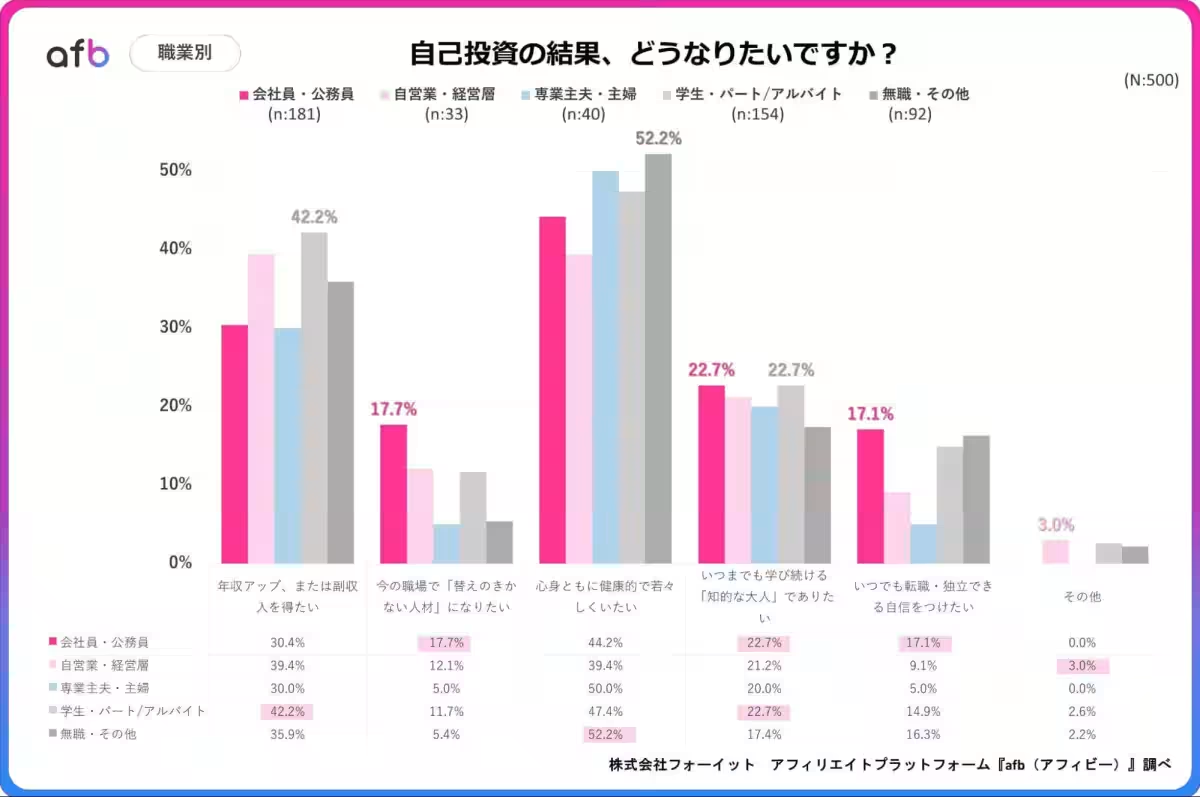
A breakdown by profession highlights significant differences in self-investment goals:
- - Employees and Government Workers: Among this group, 44.2% prioritize health and youthfulness. Approximately 30.4% still express interest in increasing income, demonstrating a balanced focus on both personal wellness and financial stability.
- - Self-Employed and Executives: This demographic shows a pronounced inclination towards income growth with 39.4% targeting increased personal earnings. Their motivation aligns closely with direct business growth goals, reflecting a different perspective on self-investment.
- - Homemakers: A substantial 50.0% of homemakers aspire to maintain health and vitality, illustrating their commitment to personal well-being as they nurture family conditions.
- - Students and Part-Timers: Their primary focus, represented by 42.2%, is on boosting income, revealing a keen awareness of future employment viability.
The Impact of Income Levels on Investment Goals
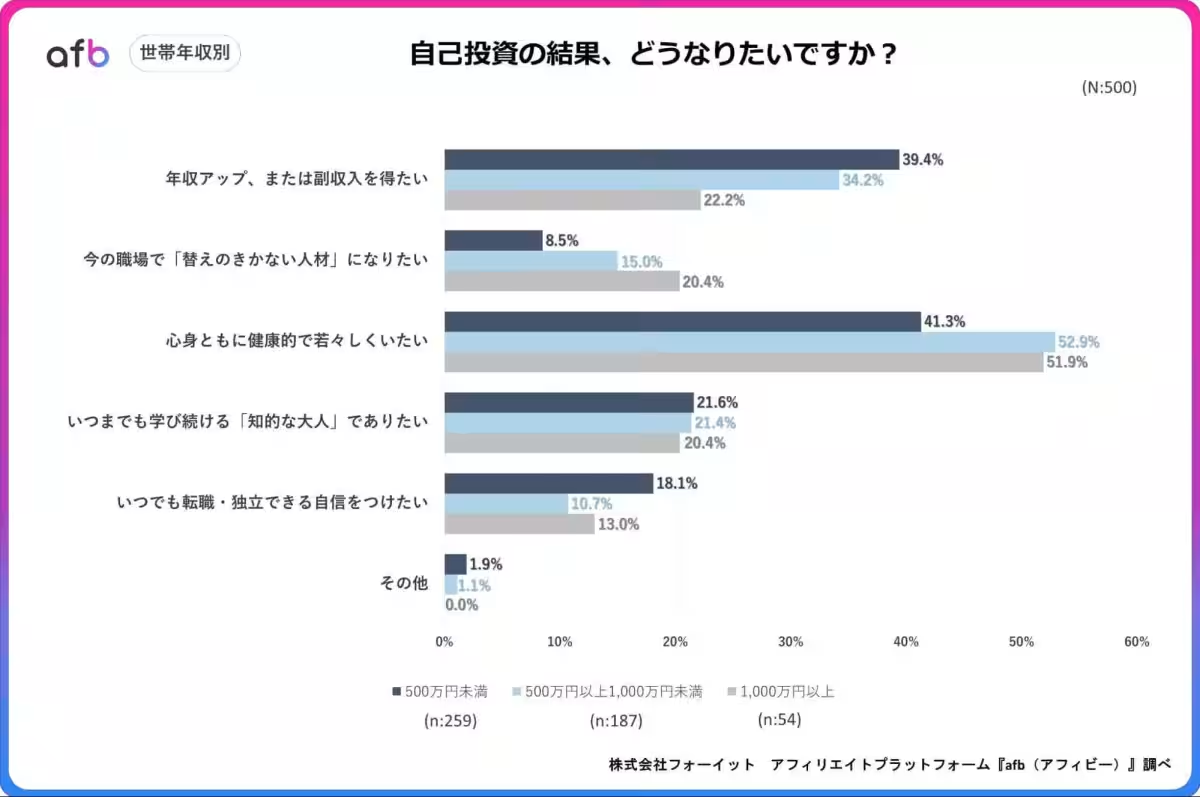
When evaluating the findings based on household income, an intriguing pattern emerges: the higher the income, the more the focus shifts from income enhancement to health!
- - In families earning less than 5 million yen, 41.3% value health goals equally alongside income growth. This suggests a prevailing anxiety about future financial security amidst current expenditures.
- - Those with incomes between 5 million and 10 million yen significantly report 52.9% interest in health and vigor over gaining more income, possibly due to increased financial stability.
- - Among households exceeding 10 million yen, 51.9% emphasize health, while interest in heightening workplace relevance also emerges, focusing on becoming indispensable in their roles.
Conclusion
In summary, these findings reveal a nuanced landscape of self-investment aspirations shaped by age, occupation, and income level. This bifurcation between practical income increases and pursuit of health reflects broader changes in societal priorities. As individuals navigate their self-investment journeys, understanding the motivation behind these choices can help create better pathways for personal development in the years to come.
For further information, visit afb and explore their commitment to enhancing affiliate marketing experiences. Whether you are seeking to start your own journey in self-investment or to improve your income strategies, understanding the shifting motivations across different demographics can pave the way for more targeted and effective approaches.


Topics People & Culture)


【About Using Articles】
You can freely use the title and article content by linking to the page where the article is posted.
※ Images cannot be used.
【About Links】
Links are free to use.