



The Emerging Threat of Ad Fraud: Insights from Cacco’s 2026 Survey
Introduction
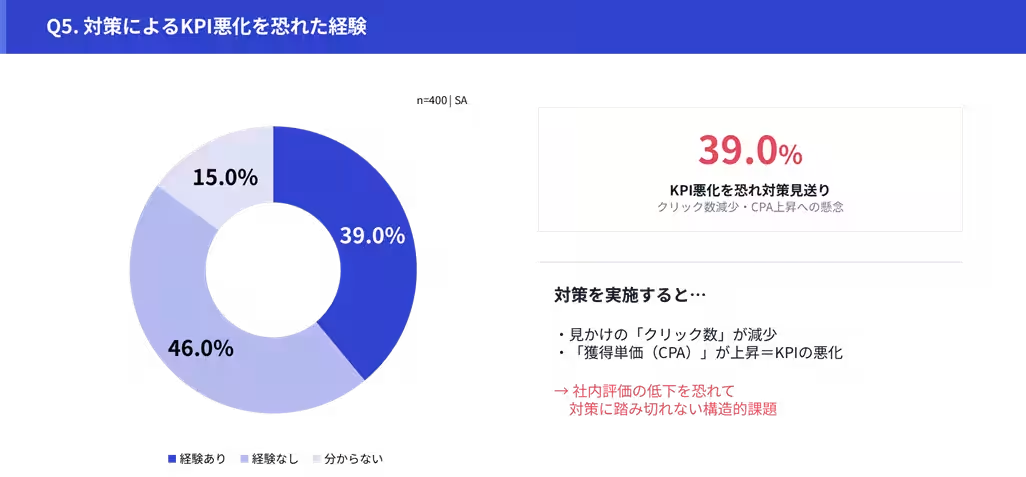
In recent studies presented by Cacco, a Tokyo-based technology company specializing in AI and algorithm-driven solutions, alarming findings related to ad fraud have been unveiled. According to the 2026 survey, nearly 40% of digital advertising professionals are hesitant or have ceased combating ad fraud due to the fear of deteriorating their perceived Cost Per Acquisition (CPA). This unsettling trend signals a critical issue in Japan's digital advertising landscape which needs immediate attention.
Survey Findings
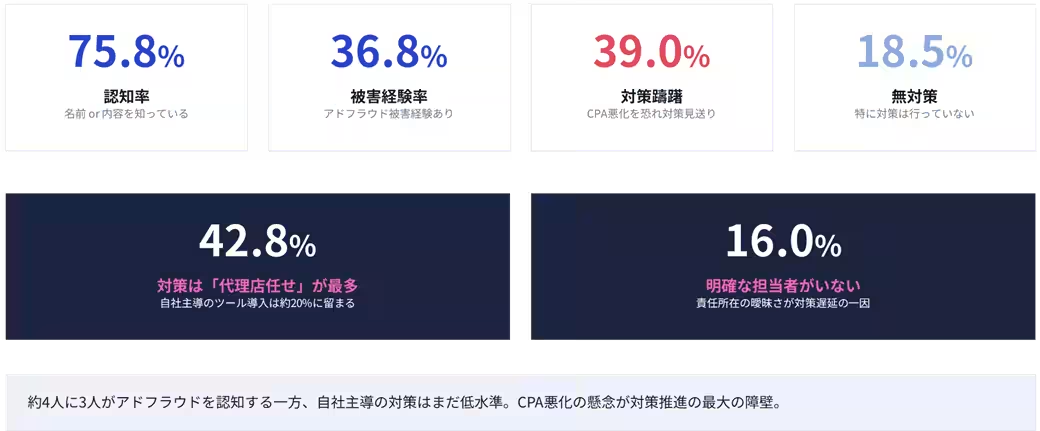
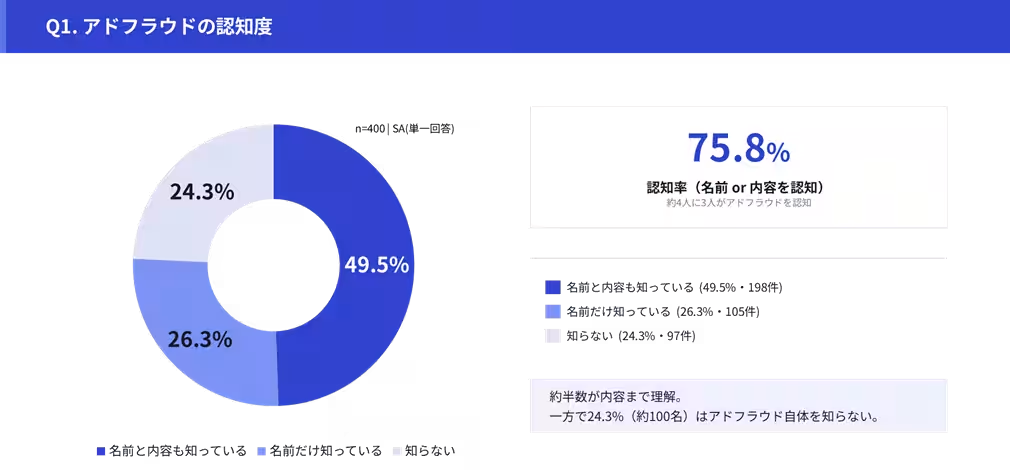
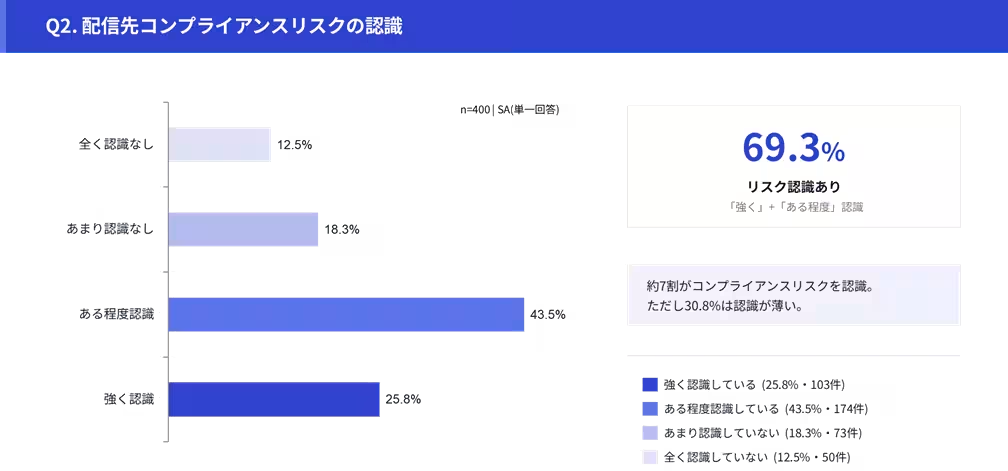
The survey revealed some stark figures: 75.8% of respondents are aware of ad fraud, encompassing illegal click activity primarily executed through bots that siphon advertising budgets. Furthermore, about 69.3% recognized these fraudulent activities as a compliance risk. These figures underscore an increasing awareness of ad fraud's existence and implications in the marketing world.
However, despite this awareness, there's a noticeable reluctance to act against it. Approximately 39.0% of respondents expressed concerns that taking preventive measures against ad fraud would visibly impact their performance metrics, suggesting a reliance on superficial evaluations of success. Many businesses seem to struggle with Balancing short-term outcomes and long-term risk management.
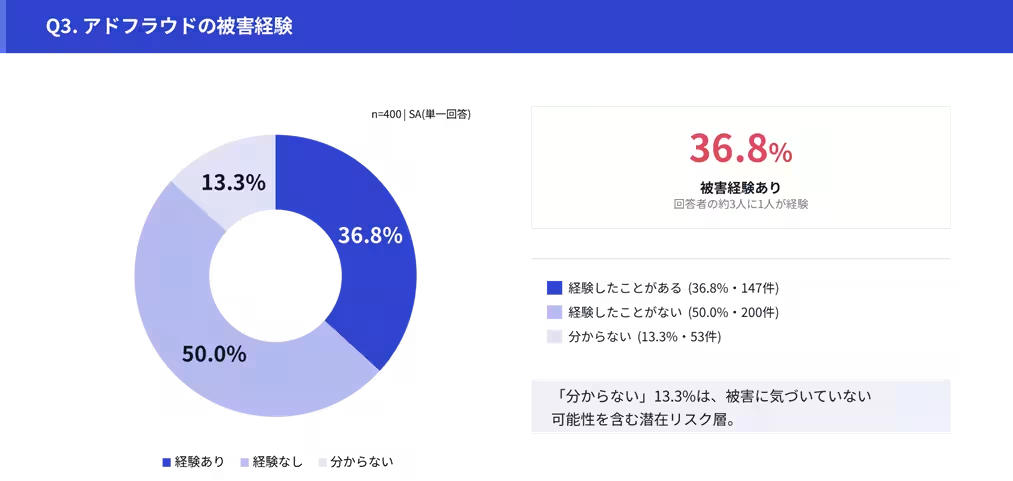
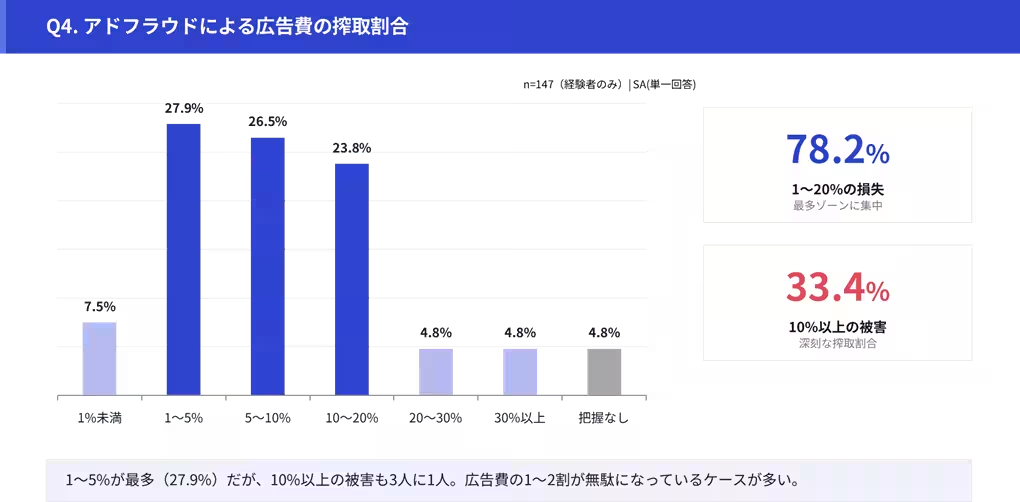
Moreover, 36.8% admitted to having experienced ad fraud personally, with 80% estimating their losses between 1% to 20% of their annual advertising budget. These figures highlight the latent structural risks many companies are oblivious to, and the pressing need for more effective strategies to handle this growing issue.
The Dilemma of Digital Advertising Professionals
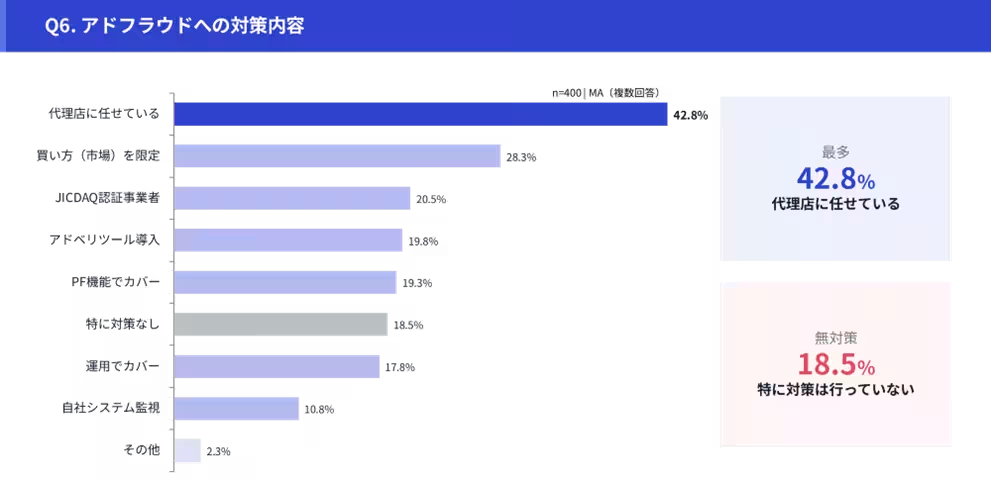
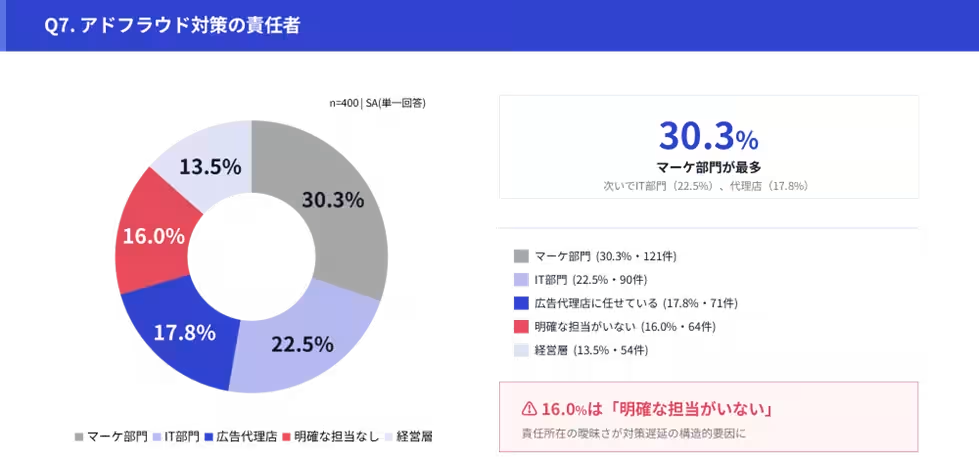
The survey further highlighted a concerning trend among ad operators. More than 42.8% typically delegate their ad fraud prevention efforts to agencies or platforms, indicating a potential lack of accountability. This dependence is compounded by about 33.8% saying they have either no designated responsible parties or are simply leaving it to an agency.
This translates into an environment where the responsibility for mitigating ad fraud becomes nebulous. Many professionals echo the sentiment of believing that 'someone else will handle it', which can lead to disastrous outcomes. As ad fraud becomes a catalyst for organized crime, the impact could be far-reaching, creating a significant governance risk for modern enterprises.
Commentary from Cybersecurity Experts
Dr. Takamichi Saito, head of the Cybersecurity Research Institute at Meiji University, commented on the issue stating that ad fraud should be seen as a form of cybercrime. He indicated that fraudulent ad clicks, when combined with wrongful traffic from botnets, detrimentally alters the landscape of digital advertising. Past incidents like piracy demonstrate that illicit ad earnings can fund criminal activities. This observation stresses that companies must take action, as a passive laissez-faire approach permits these crimes to perpetrate further.
Cacco's Initiative
In response to these pressing threats, Cacco launched the "X-log" ad fraud countermeasure service on April 1st, aiming to support companies in reclaiming lost budget and fighting against bot-driven ad fraud. Cacco's approach centers not just on blocking fraudulent clicks but on alleviating the complexities and performance dilemmas that professionals face when trying to manage ad spend effectively.
Cacco's services, particularly their O-PLUX solution, utilize AI to provide real-time detection of so-called 'malicious clicks', safeguarding clients from needless budget erosion. The overall goal remains focused on creating a transparent and trustworthy environment for digital advertising.
Conclusion
The revelations from this 2026 ad fraud survey serve as a clarion call for the industry to prioritize not only performance metrics but also risk management frameworks to tackle this growing threat effectively. Establishing robust measures against ad fraud will not only aid businesses in protecting their investments but will also contribute positively to the overall digital economy.
As digital landscapes become increasingly complex, stakeholders must unite to enhance the integrity of digital advertising, thereby ensuring a healthier environment and sustainable growth.
By promoting awareness, implementing potent measures, and realigning accountability, the industry can shift towards a new era where companies can confidently invest in authentic engagements, leading to better returns on investment and a healthier advertising ecosystem.

Topics Consumer Products & Retail)






【About Using Articles】
You can freely use the title and article content by linking to the page where the article is posted.
※ Images cannot be used.
【About Links】
Links are free to use.