



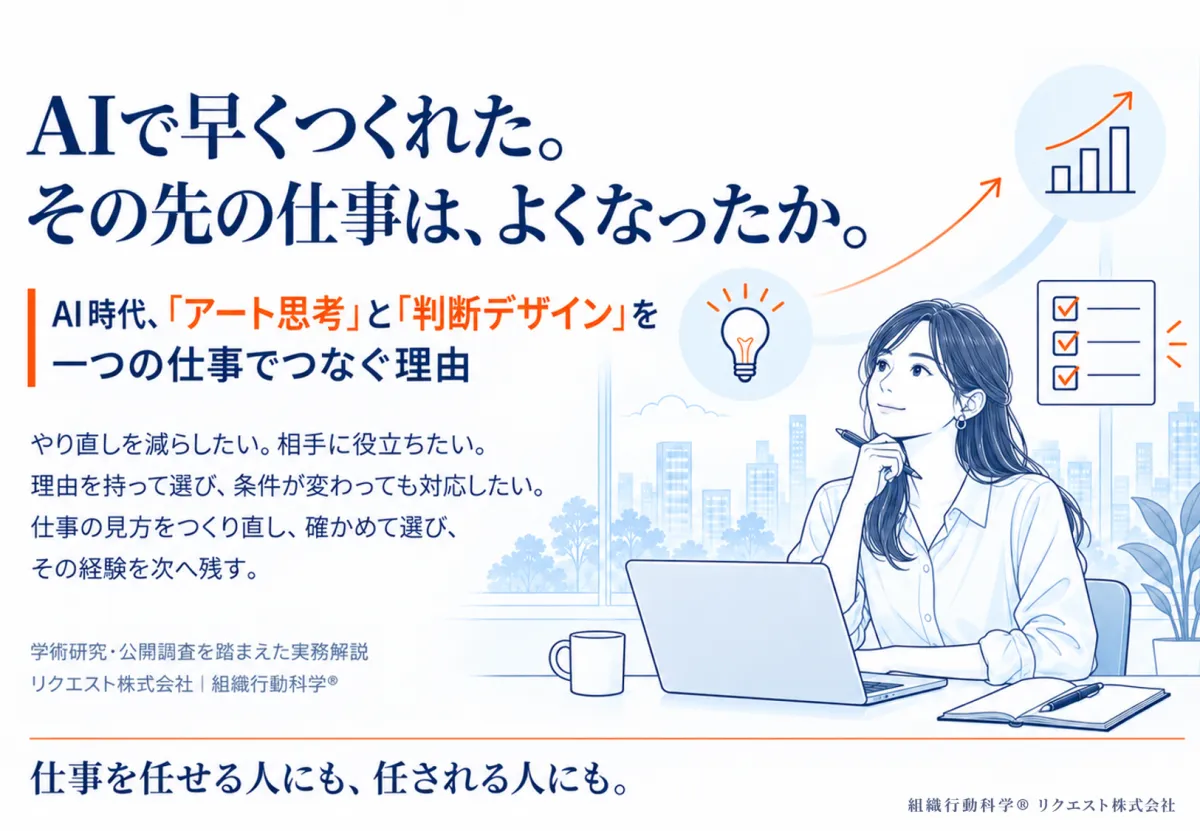
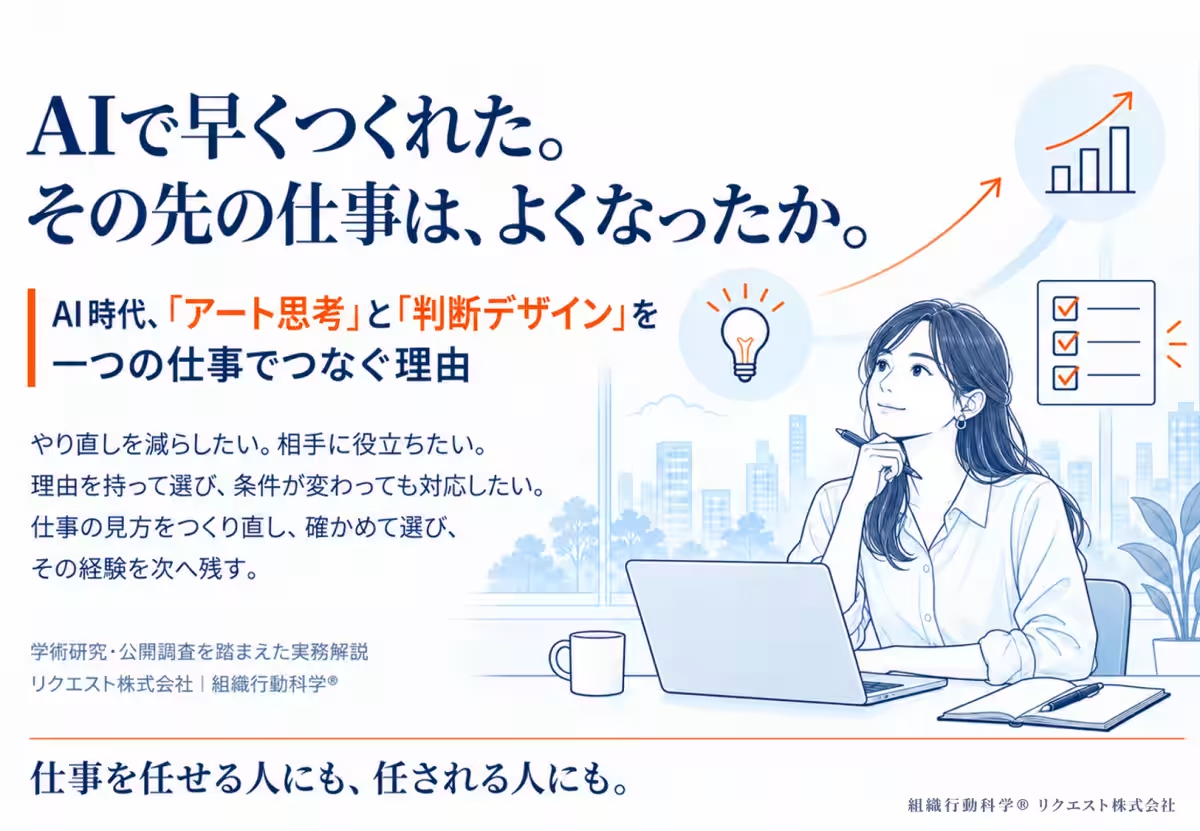
Exploring the Integration of Art Thinking and Judgment Design in the AI Era
The Future of Work in the AI Era: Art Thinking Meets Judgment Design
In a groundbreaking new report released by Request Inc., headquartered in Shinjuku, Tokyo, the integration of 'Art Thinking' and 'Judgment Design' is explored in the context of an increasingly AI-driven workplace. The document, spanning 22 pages, serves as a comprehensive guide on enhancing work processes and outcomes amid the rapid technological advancements that AI presents.
Reducing Redoing: Understanding Work Through AI
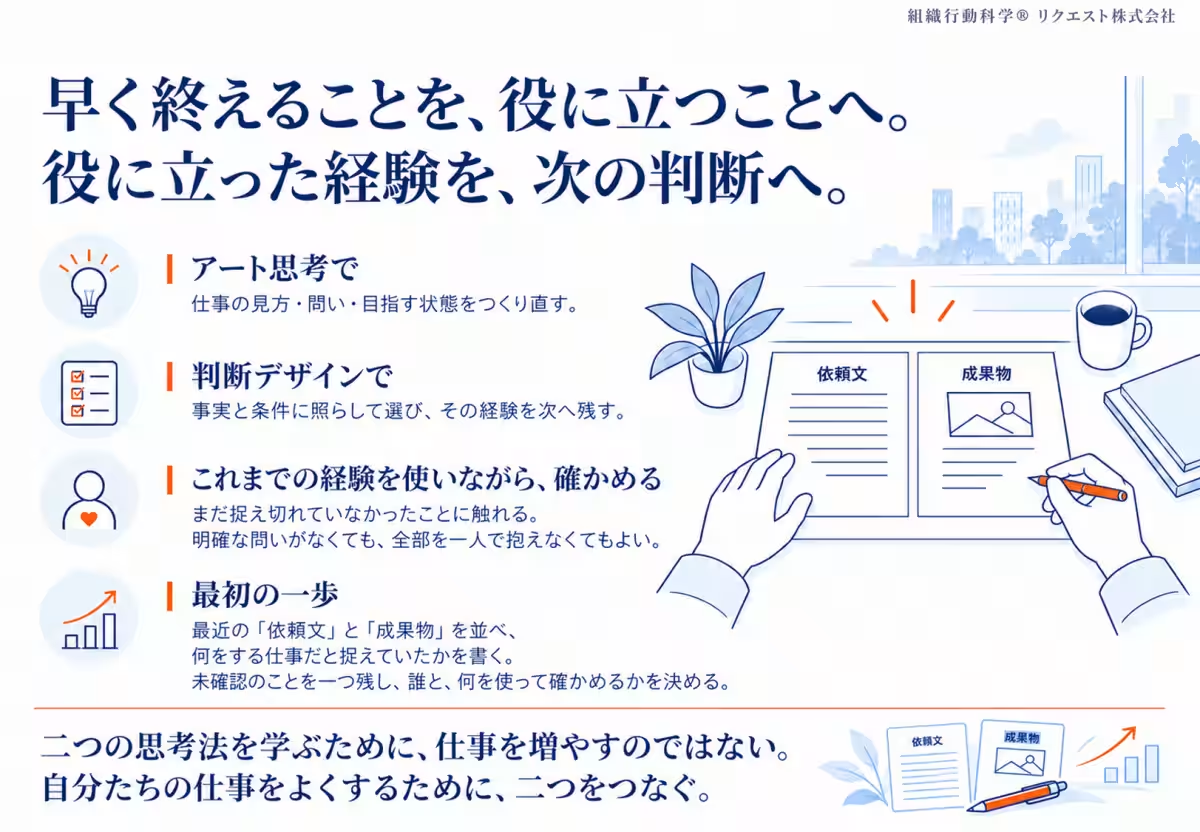
This insightful guide addresses a common frustration in the modern workplace—reducing unnecessary revisions and errors. Many professionals crave the ability to assist their colleagues effectively while adapting to changes in conditions and requirements. By leveraging AI to streamline tasks, the report poses the crucial question: How can these efficiencies lead to better work outcomes and improved judgment experience?
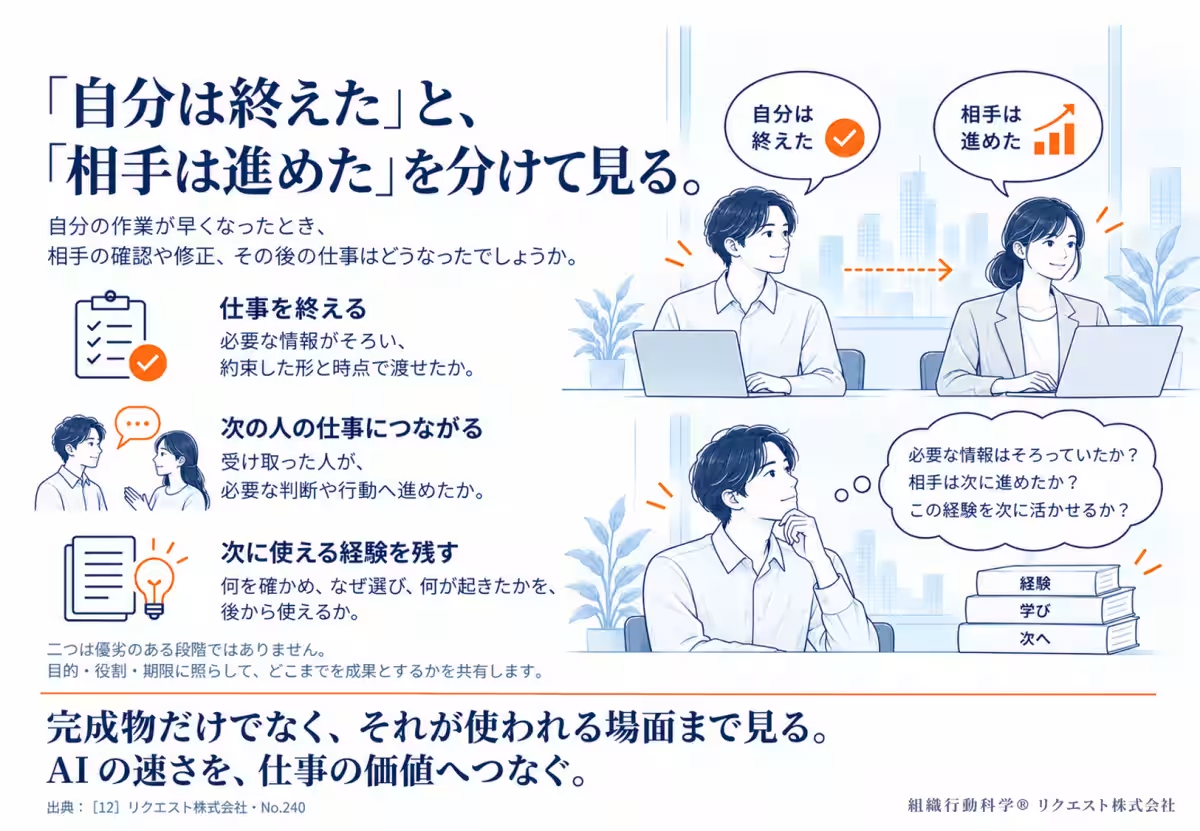
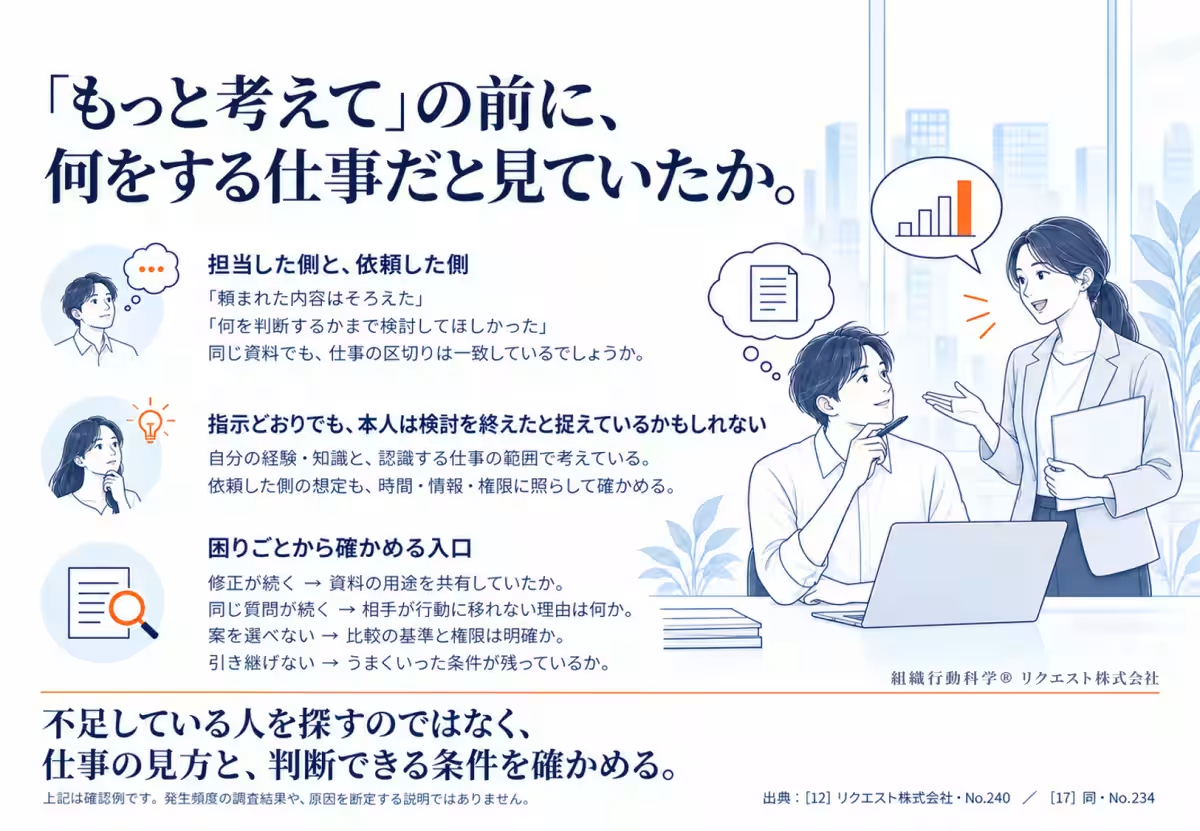
The authors encourage readers to reflect not only on the completion of tasks but also from the perspective of those who utilize the deliverables. Whether it’s meeting materials, customer responses, or reports, understanding the recipient’s needs is pivotal. The guide emphasizes the importance of aligning expectations between the requestor and the executor of tasks, ensuring that both parties are on the same page.
Evaluating AI's Impact Beyond Speed
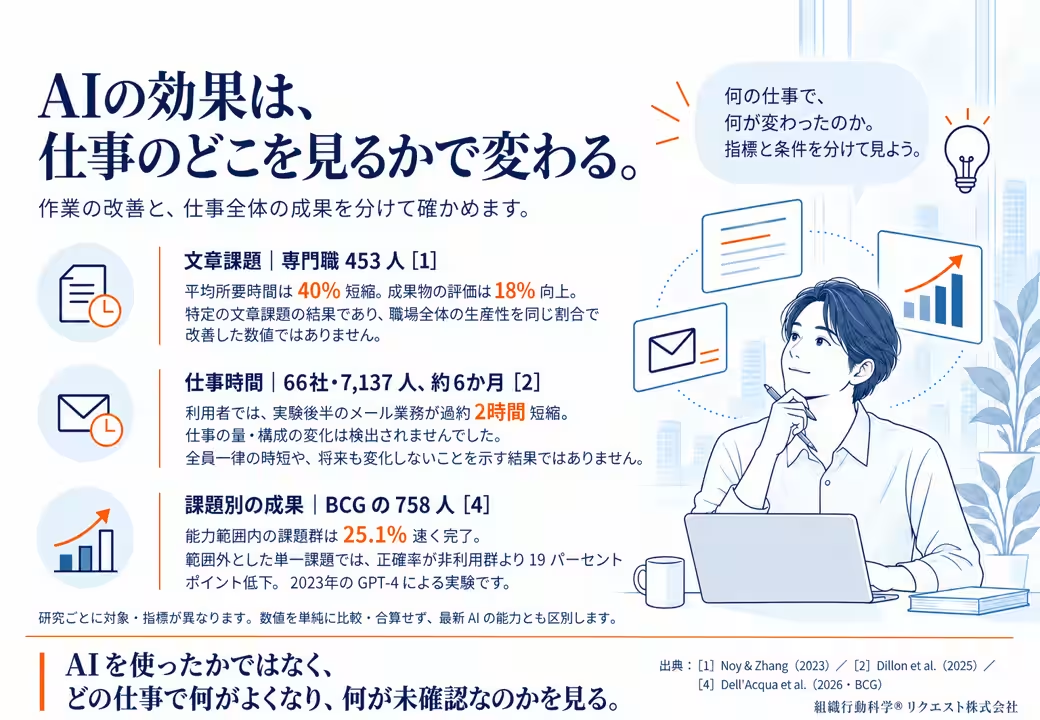
It’s essential to note that the value provided by AI isn’t merely based on how quickly a task is completed. Research indicates that generating AI can lead to shorter turnaround times and improved evaluations of outputs, yet success varies widely depending on the specific tasks, methodologies, and metrics used for evaluation. The guide classifies research findings, allowing individuals to consider what remains crucial in their own work beyond just speed.
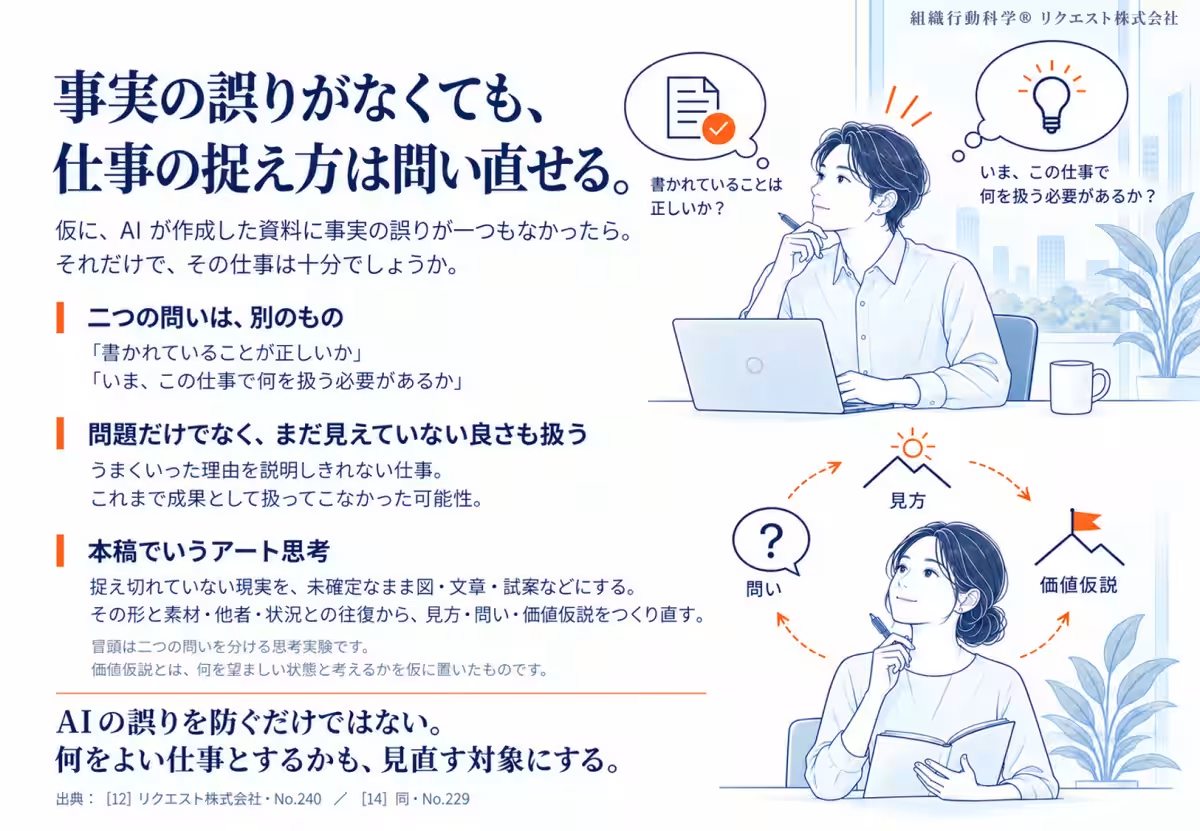
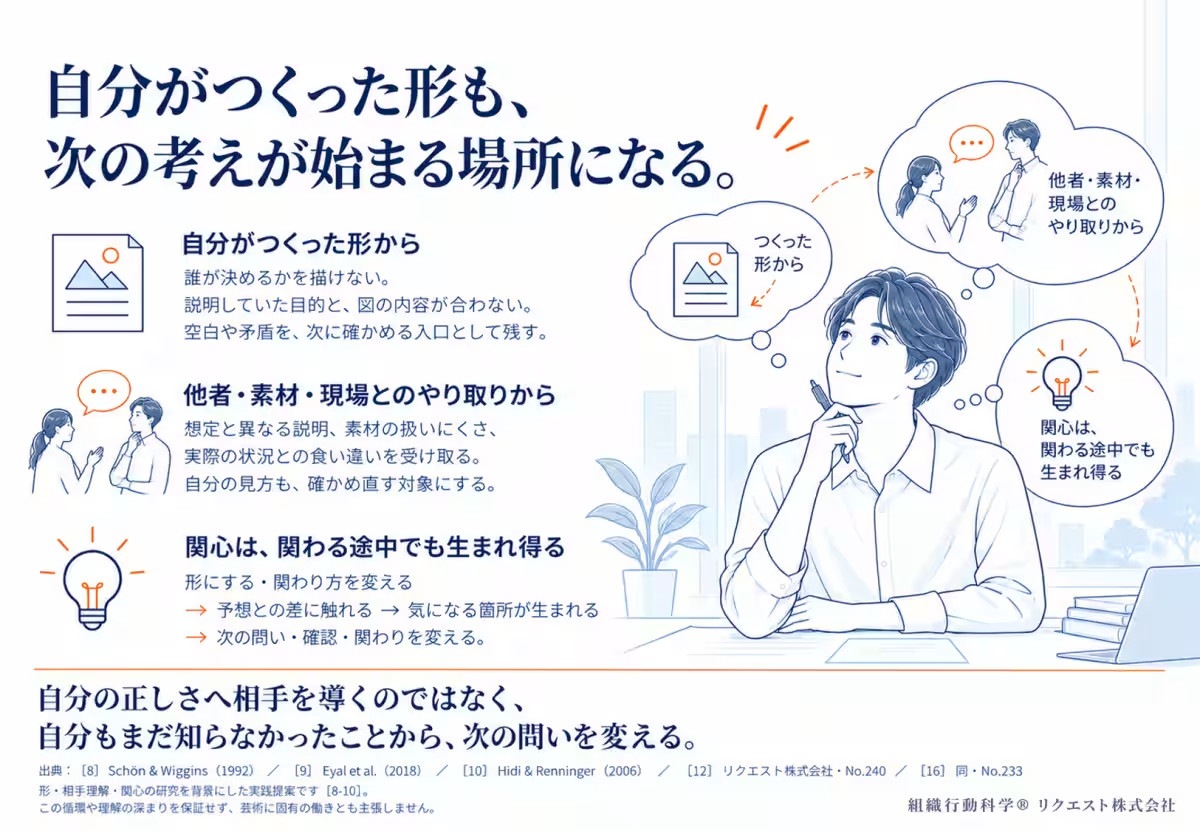
Moreover, even if AI-generated outputs are factually accurate, it’s necessary to ascertain what the end user requires and what situational factors should be addressed—an aspect that the report stresses. The focus on Art Thinking encompasses more than brainstorming; it involves recognizing underlying complexities and responding effectively to uncertainties.
Designing for Better Judgment
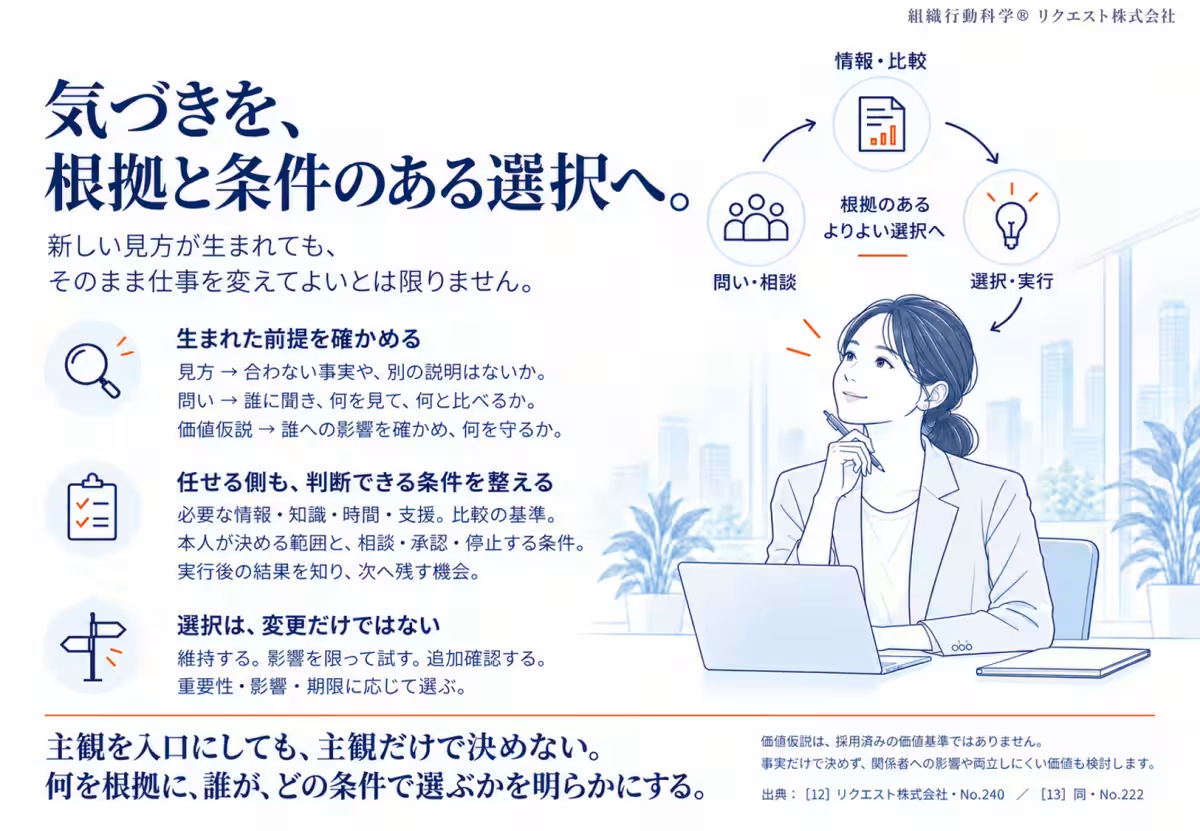
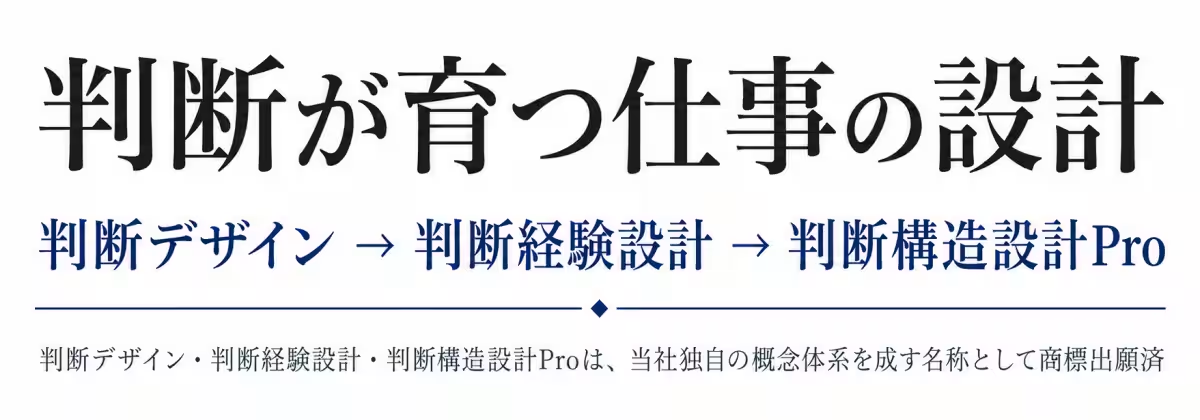
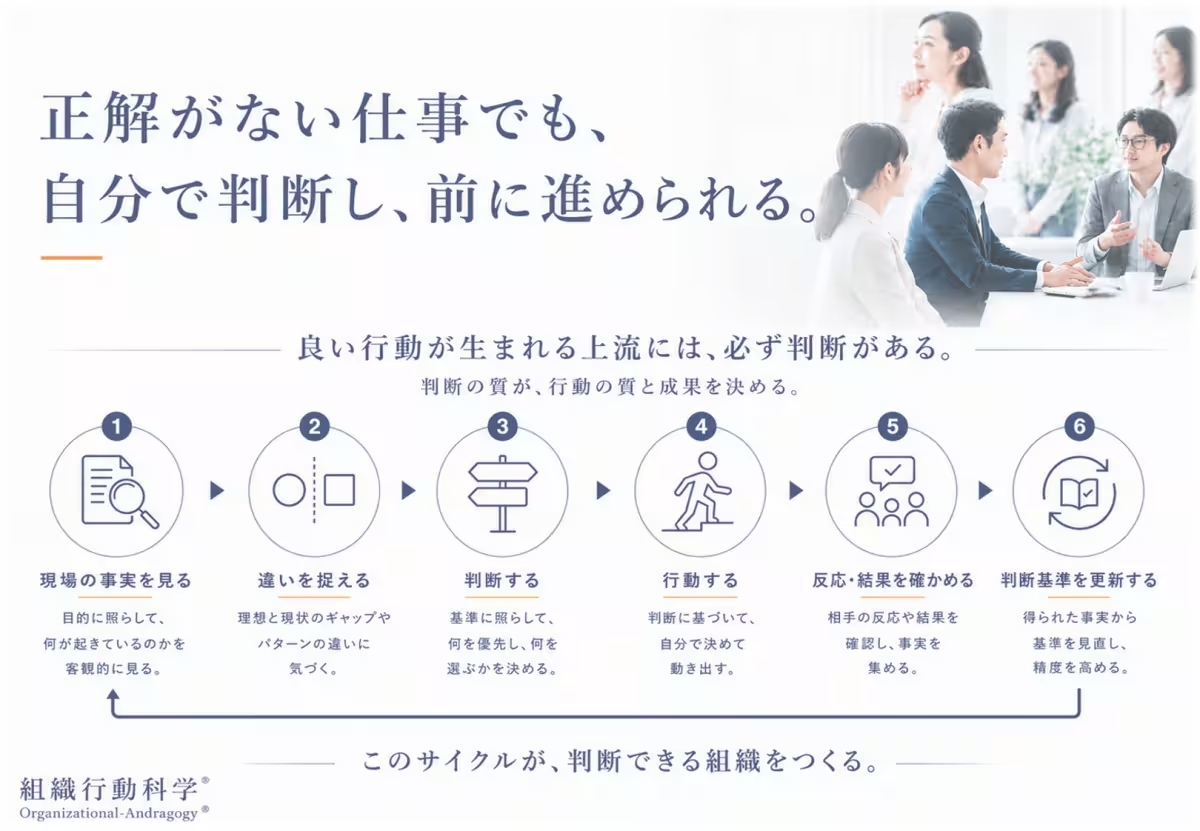
Judgment Design, as defined in the report, refers to the systematic incorporation of inclusive decision-making within the workflow. It highlights the need for understanding the necessary information, the range of choices available, and the conditions under which decisions are made. This systemic perspective aims to connect individual practices to overarching workplace strategies, fostering an environment where everyone understands their roles and responsibilities in the decision-making process.
One of the crucial points made is that merely identifying a problem does not equate to effective action. Engaging collaborators in the process requires careful consideration of the implications of changes and commitments. The guide illustrates how facilitating understanding among team members about purpose and expectations can significantly improve outcomes.
Integrated Work: Linking Insights and Execution
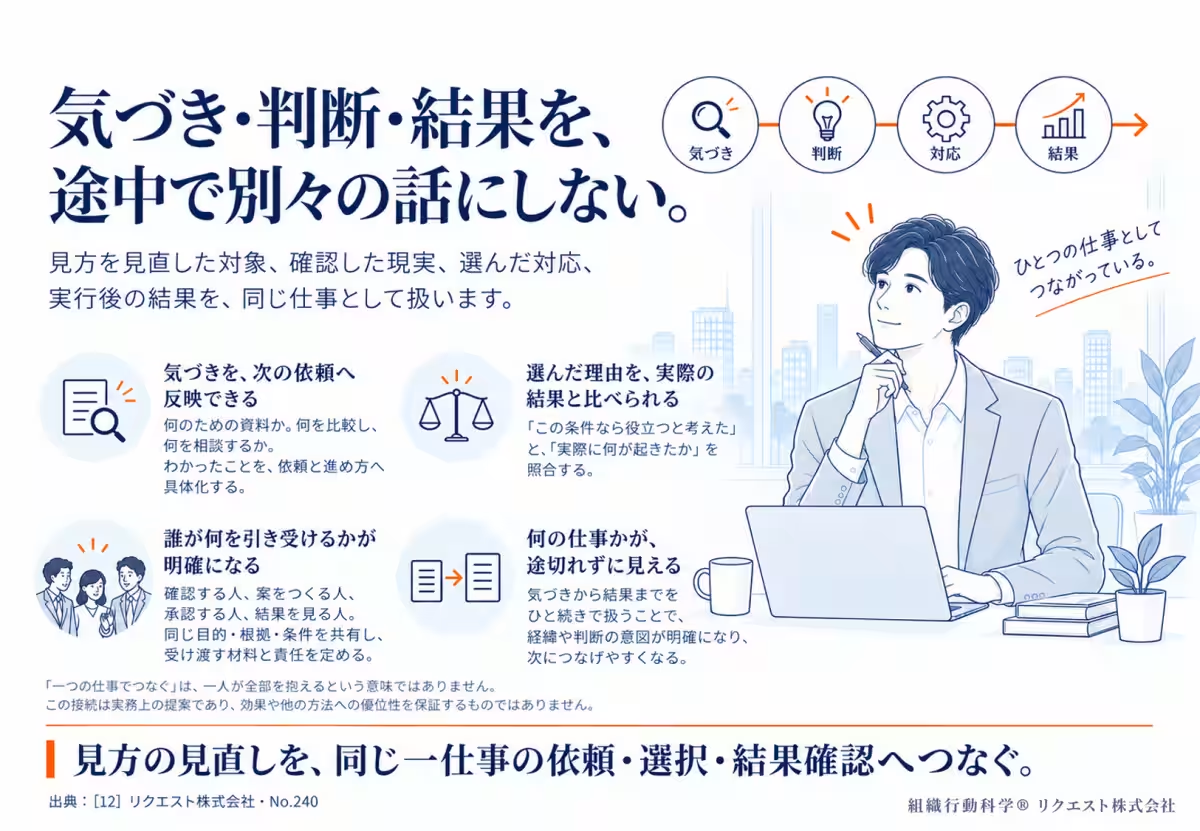
The essence of connecting Art Thinking with Judgment Design lies in maintaining a seamless flow between realization and execution. The report advises against compartmentalizing insights from practical work, as disconnecting these elements could hinder effective action in future tasks. Clarity in objectives and criteria becomes critical in ensuring that insights are genuinely operationalized in everyday practice.
Furthermore, the guide acknowledges that revisiting prior actions isn’t always necessary, especially when clear procedures exist. Instead, it calls for leveraging AI as a tool to explore alternative perspectives while ensuring that facts and explanations from stakeholder interactions remain firm. Overall, the introductory pages contain insightful and actionable frameworks for a modernized approach to work in the AI landscape.
Ultimately, the report presents Request Inc.’s dedication to academic research and practical guidance in navigating these evolving workplaces. By examining the balance of efficiency and effectiveness in AI-generated works, professionals are better equipped to enhance their decision-making processes and improve workforce development.
The full 22-page guide, including detailed methodologies and findings, is available as a PDF attachment, inviting all stakeholders interested in fostering growth amid technological change to engage with these concepts more deeply.

Topics Business Technology)
【About Using Articles】
You can freely use the title and article content by linking to the page where the article is posted.
※ Images cannot be used.
【About Links】
Links are free to use.