



The Current Utilization of Generative AI in Creative Industries: Insights from a New Survey
Understanding the Underutilization of Generative AI in Creative Sectors
Ragate Inc. conducted an independent survey in December 2025 involving 506 business professionals from information systems and DX promotion departments. This survey aimed to dissect the current landscape of generative AI usage in creative tasks such as image, video, and design creation.
Key Findings of the Survey
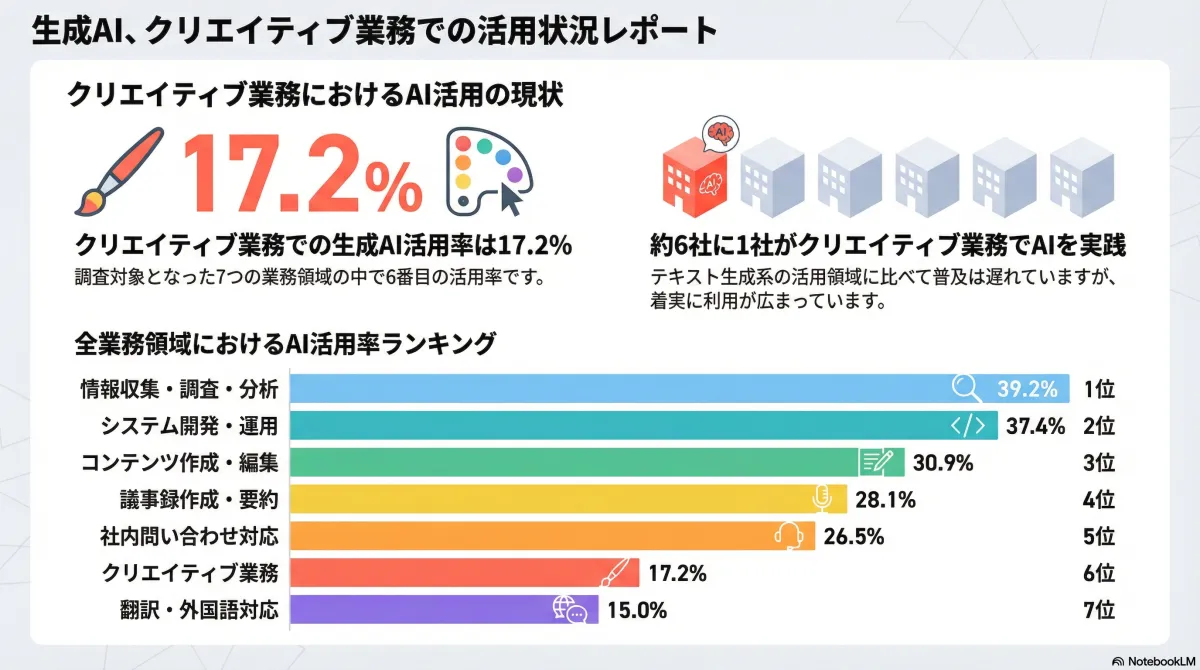
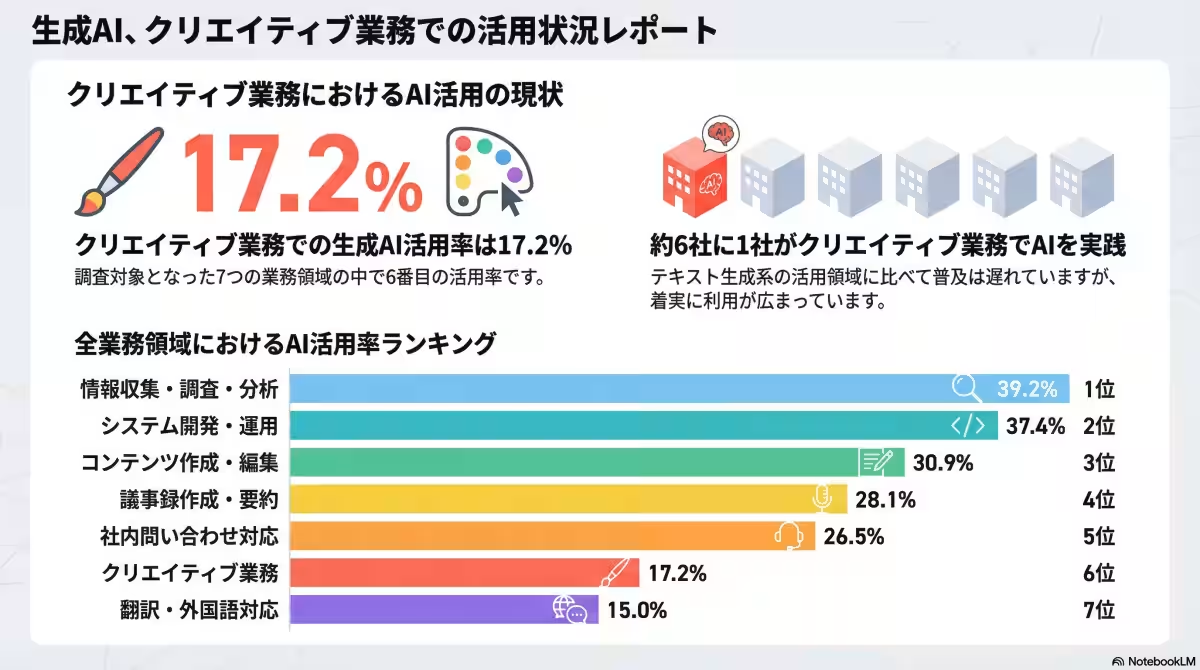
The survey unveiled that only 17.2% of organizations are utilizing generative AI in their creative operations. This positions creative AI usage in 6th place among seven application domains, lagging far behind the leading areas of information gathering (39.2%) and system development (37.4%). Despite the low utilization rate, businesses that have adopted these technologies report significant cost reductions of approximately 80% per image developed.
The Challenges Ahead
The swift advancement of generative AI in text-related fields contrasts sharply with its lag in creative domains. Many employees express frustrations with inefficiencies in selecting images for presentations or constantly recruiting designers for social media posts. The generative AI tools are recognized for their potential to enable non-specialists to create high-quality visuals with ease. However, concerns regarding copyright issues, compliance, and maintaining brand consistency often hamper more widespread adoption.
Detailed Insights
1. Low Adoption Rates: The 17.2% adoption rate indicates that while awareness of generative AI is present, companies are hesitating to implement it. This gap suggests that early adopters may gain a significant productivity advantage over their competitors.
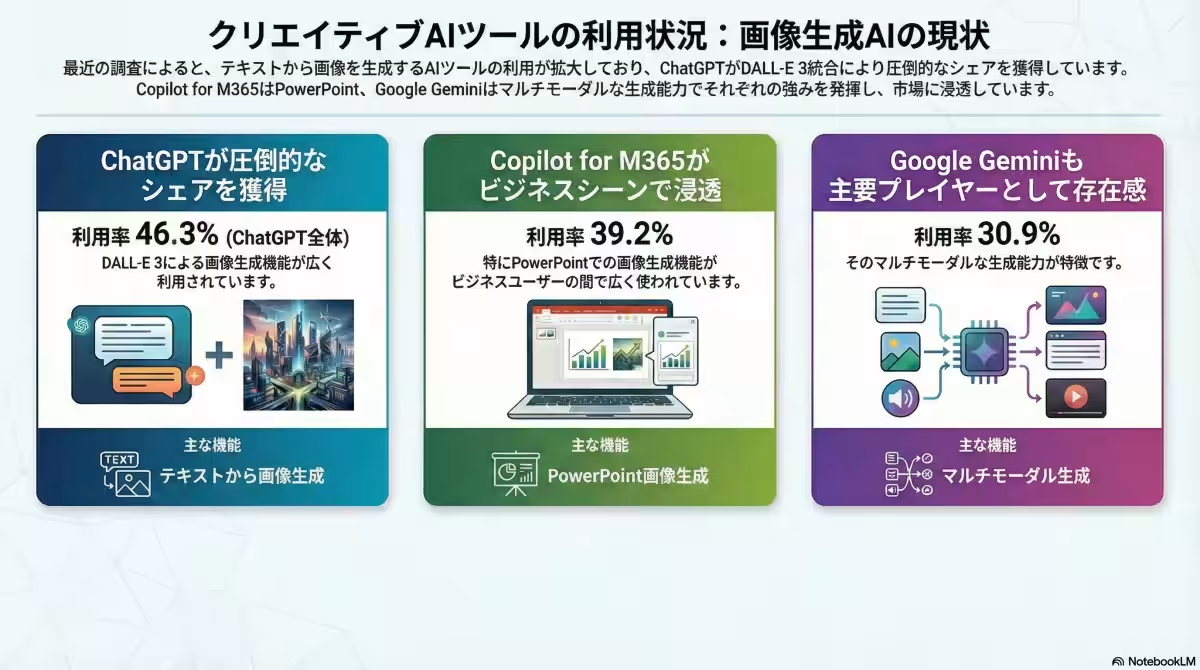
2. Tool Utilization Trends: The survey highlighted that ChatGPT, integrated with DALL-E, emerged as the most popular tool, used by 46.3% of respondents, followed closely by Copilot for Microsoft 365 (39.2%) and Google Gemini (30.9%). The ability to generate images within Microsoft PowerPoint indicates a growing integration into existing business workflows.
3. Economic Benefits Realized: The data highlight significant economic advantages, with conventional processes requiring four hours and around 29,000 yen per image compared to AI-driven workflows which reduce this to just one hour and approximately 5,500 yen. The 80% cost saving is particularly compelling for various business applications, including presentation materials, social media content, and promotional visuals.
Ragate's Perspective and Future Directions
The findings signal that many companies are currently aware of generative AI but have not yet taken the plunge. This awareness offers a strategic opportunity for forward-thinking organizations to establish a production edge. Concerns about copyright and compliance can be alleviated by opting for enterprise-level services like Azure OpenAI or Amazon Bedrock, which allow for thorough checks and guideline establishment.
Moreover, sharing prompt templates internally can stabilize quality, while final review processes by designers can help maintain brand integrity. As video generation AI technology continues to, exampleds like Sora and Runway Gen-3 also emerge as feasible options for producing product introduction videos and short social media clips in the near future.
Ragate is focusing on building infrastructure to support creative AI integration in organizational frameworks. This strategic groundwork will prepare businesses for upcoming transitions. Companies facing uncertainties about tool selection or managing copyright risks are encouraged to seek Ragate's support, which includes AI-driven development assistance and practical generative AI training programs.
In Conclusion
The study offers a glimpse into the current state of generative AI adoption in the creative sector. While the current utilization rate is limited, the advantages seen by early adopters could lead to a significant shift in productivity dynamics. Organizations must remain proactive in exploring these technologies to harness their full potential in the evolving business landscape.
Topics Consumer Technology)
【About Using Articles】
You can freely use the title and article content by linking to the page where the article is posted.
※ Images cannot be used.
【About Links】
Links are free to use.