



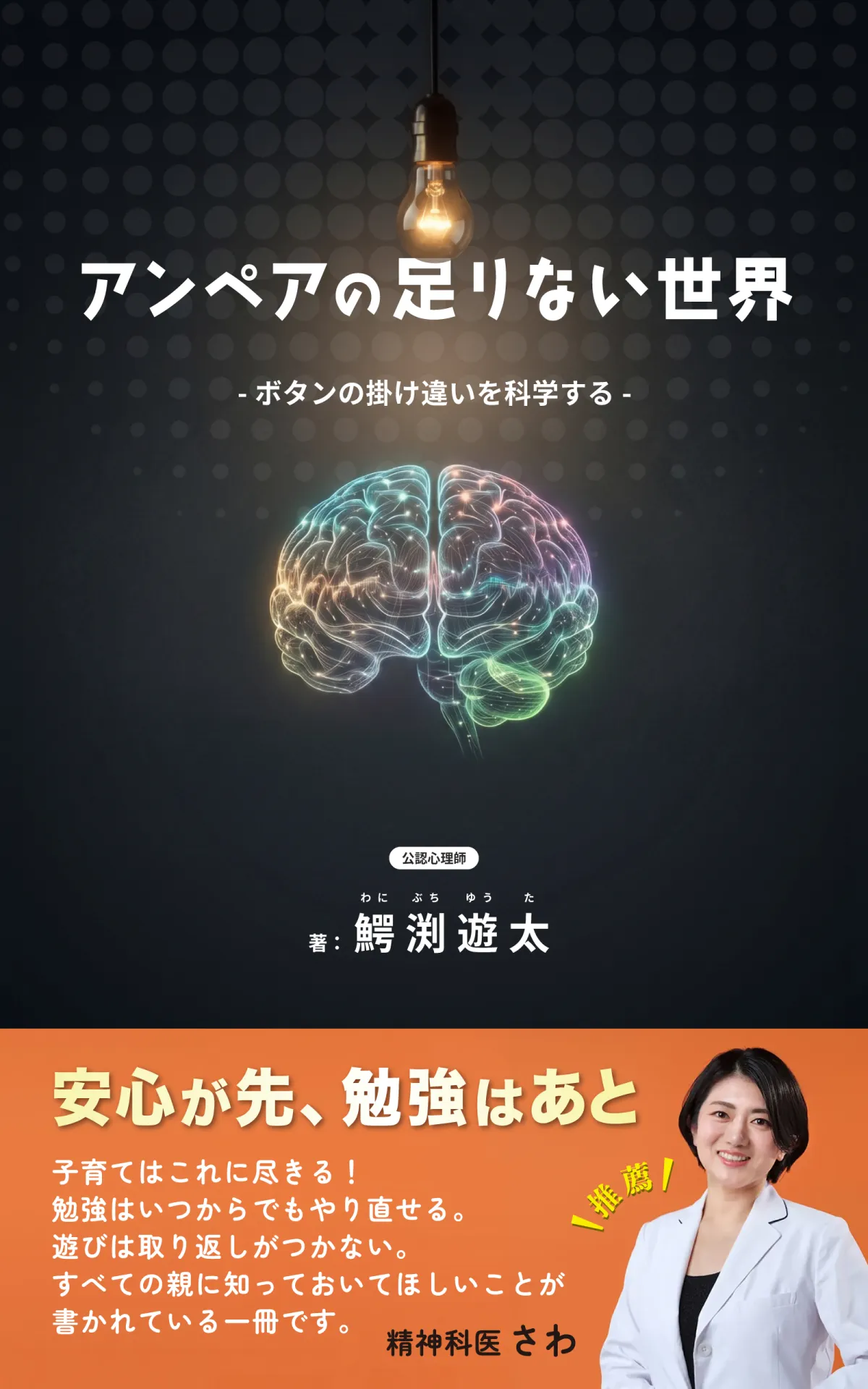
Understanding Japan's Rising Number of School Refusers and Their Needs
Understanding Japan's Rising Number of School Refusers and Their Needs
In recent years, an alarming trend has emerged in Japan: the number of school refusers, children who do not attend school regularly, has been steadily increasing. As of 2024, there are approximately 353,970 children categorized as school refusers, marking a 12-year consecutive rise and reaching an all-time high. Despite the growing number of support systems and resources aimed at assisting these children, a significant portion remains unreachable. This phenomenon begs the question: why is it that, despite good intentions from adults and society, children continue to fall through the cracks?
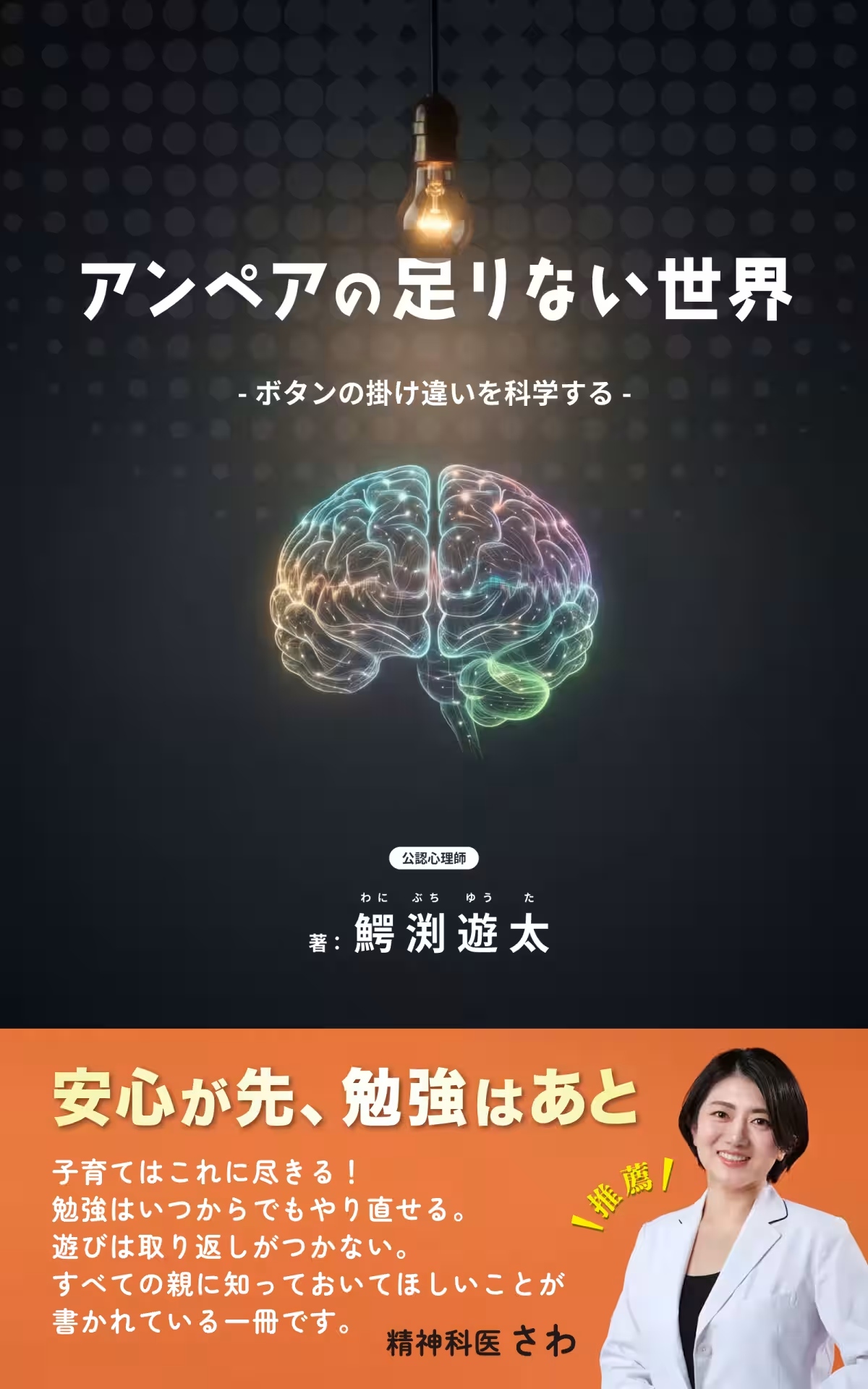
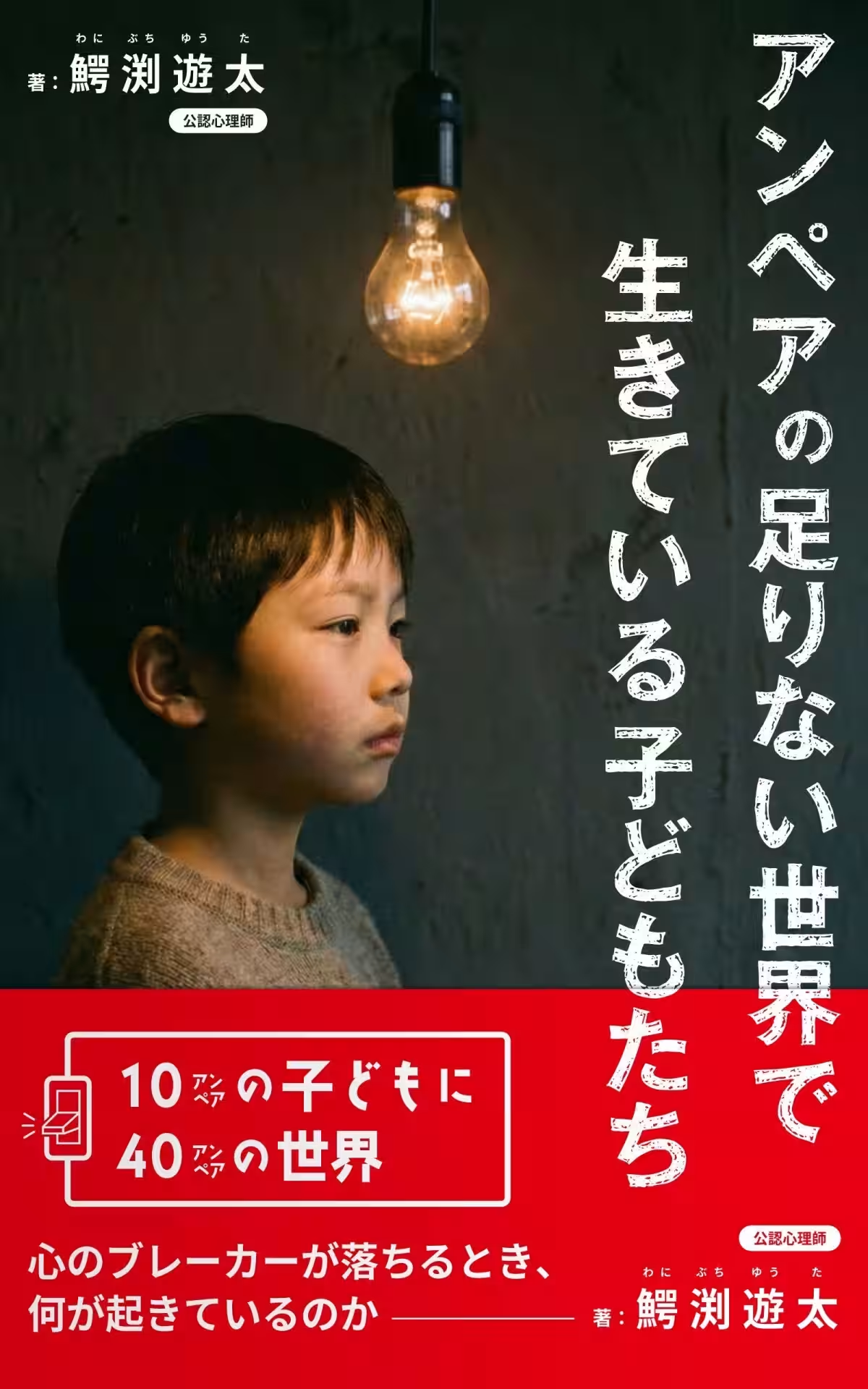
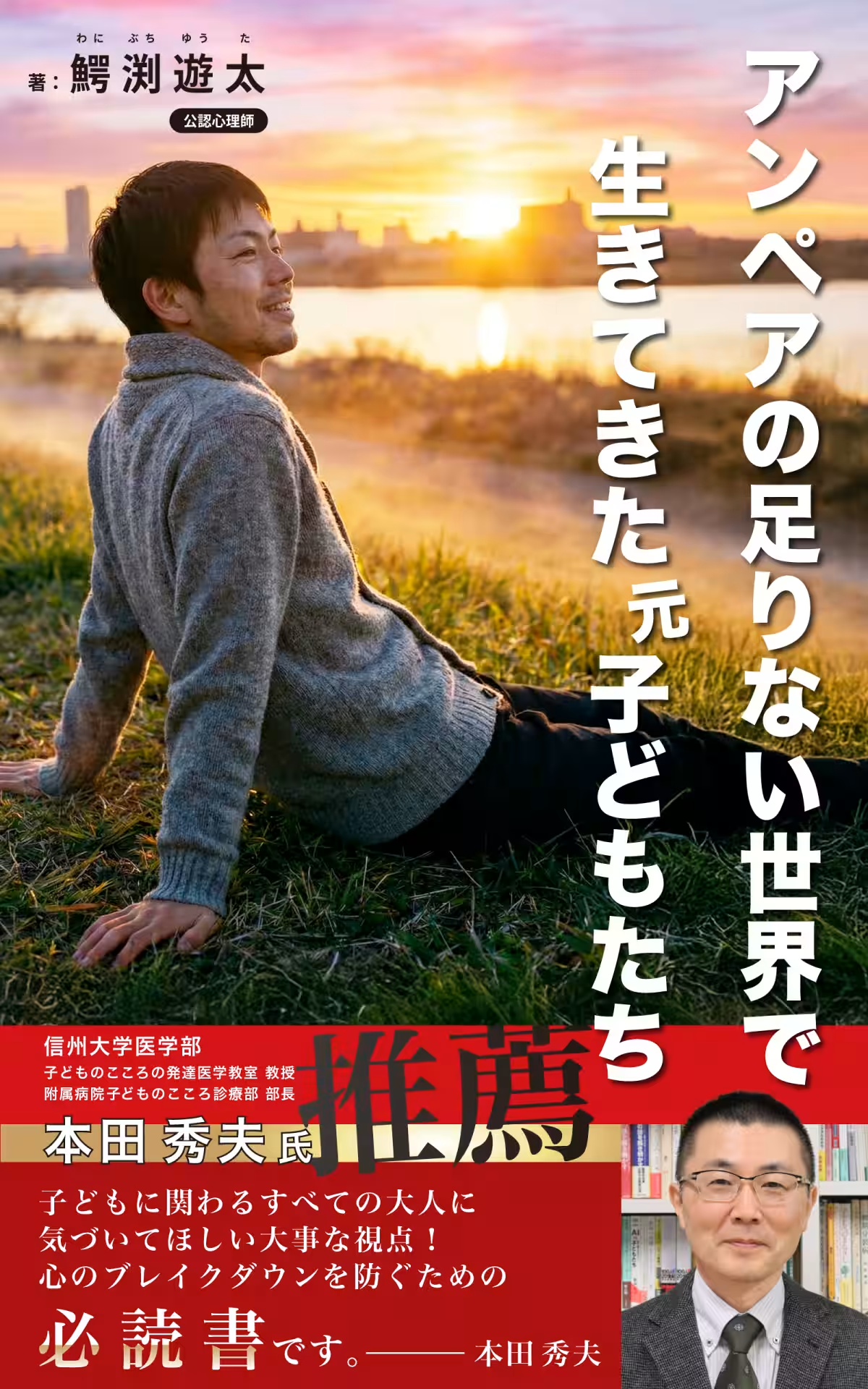
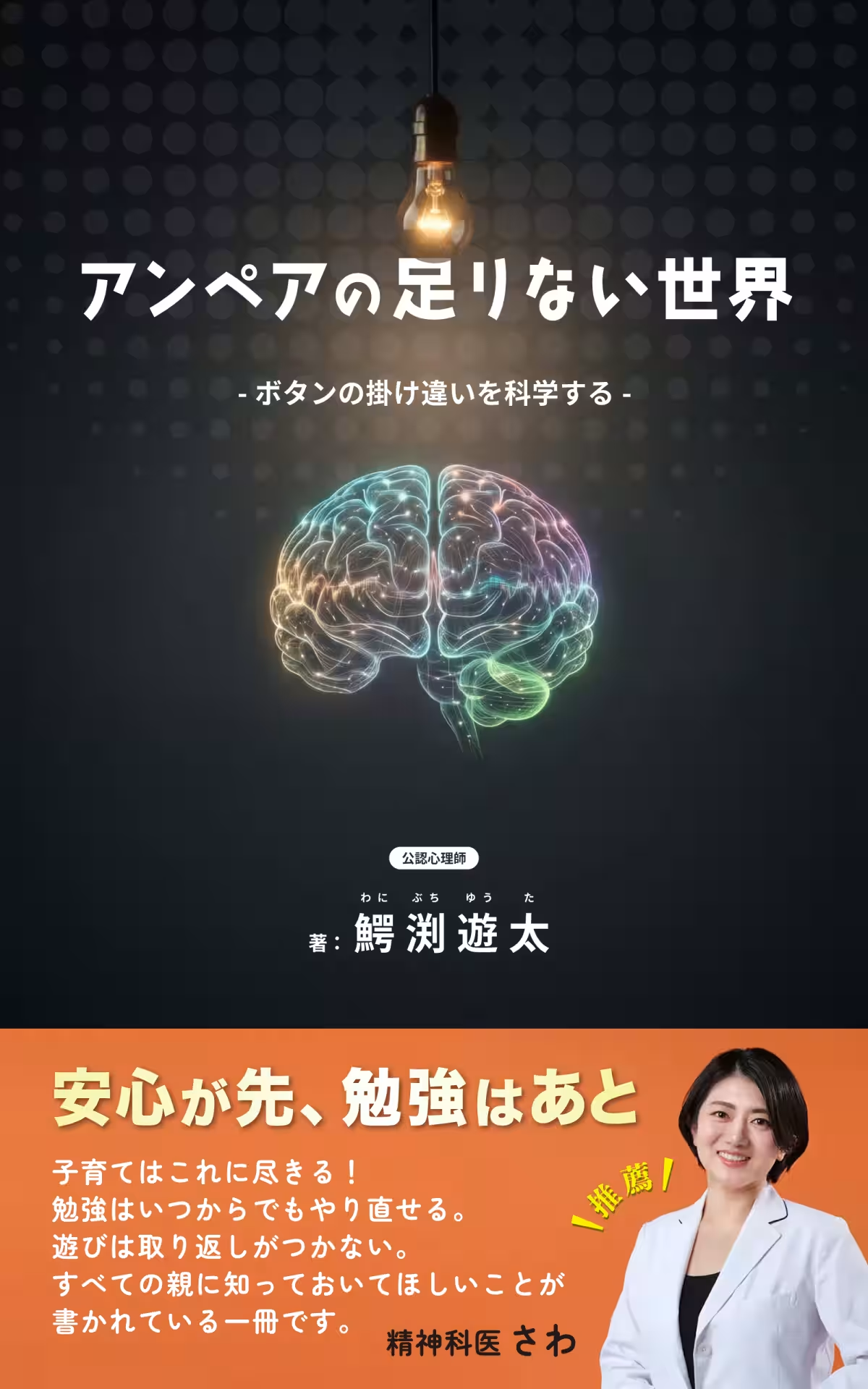
According to Yuta Wanibuchi, a certified psychologist and the author of the new book series "A World with Insufficient Current," this growing divide is attributed to four fundamental mismatches in the support structures supposed to help these children. In his insightful analysis, he highlights that the essence of these issues stems from a broader discrepancy in how society perceives and values the needs of children.
The Insights of Yuta Wanibuchi
Wanibuchi's work centers on the belief that good intentions do not inherently solve problems. He argues that the ongoing debate surrounding the portrayal of school refusal in the media, particularly in the popular Japanese drama "Tatsuki-sensei wa Amすぎる!" which aired its final episode on June 13, 2026, is evidence of these discrepancies in values. Social media has been flooded with opinions, some critical, expressing concerns that such portrayals may encourage avoidance behaviors in children. However, these responses are often rooted in a common notion that overcoming adversity is a matter of effort, which can overlook the complexities involved.
The considerable number of children without access to support—around 136,000, or nearly 40% of school refusers—calls for urgent attention. Among these children, about 67,000 are in a state of total isolation, having not attended school for more than 90 days without any support. This fact is troubling and highlights the systemic gaps in addressing the needs of these children effectively.
Four Mismatches in Support
1. Discrepancy Between Children's Needs and Operational Logic: Wanibuchi identifies that when attempts are made to respond to children's needs, parents often feel alienated, and in cases where parents' needs are prioritized, children may withdraw. The absence of a simultaneous solution that meets the needs of both parties remains a critical challenge.
2. Compounding Pressure from 'At Least' Mentality: Many parents express a sentiment of guilt and fear in the face of their children's struggles, saying things like, "At least we can try this." Yet, this mindset creates an environment that can become toxic, with up to one in five parents of school refusers forced to take leave from work to support their children.
3. Economic Disparities Limiting Access to Resources: The average monthly fee for free schools is approximately 45,000 yen, placing a financial burden on many families. This economic barrier often dictates access to educational resources, exacerbating inequality.
4. Misconceptions About Social Skills and Community: A prevalent belief persists that children must engage in large groups to develop social skills. This belief can limit children’s opportunities and hinder the understanding that social development is rooted in forming trusting, safe relationships.
Reflection and Moving Forward
In his conclusion, Wanibuchi emphasizes that these four mismatches share a common origin: the misguided belief that children need to change rather than broadening the adults' perspectives. By creating safe, nurturing environments focused on trust and making children feel secure, adults can significantly impact their development.
As society grapples with the complexities surrounding school refusal, it is crucial to consider these foundational mismatches. Addressing these issues with empathy and understanding rather than traditional pressures could pave the way for creating supportive environments that truly meet the needs of children distressingly disconnected from traditional schooling. By harnessing shared insights and fostering solidarity between adults and children, we can strive towards a more inclusive approach in education—one that acknowledges the individuality of every child's journey.
About the Author
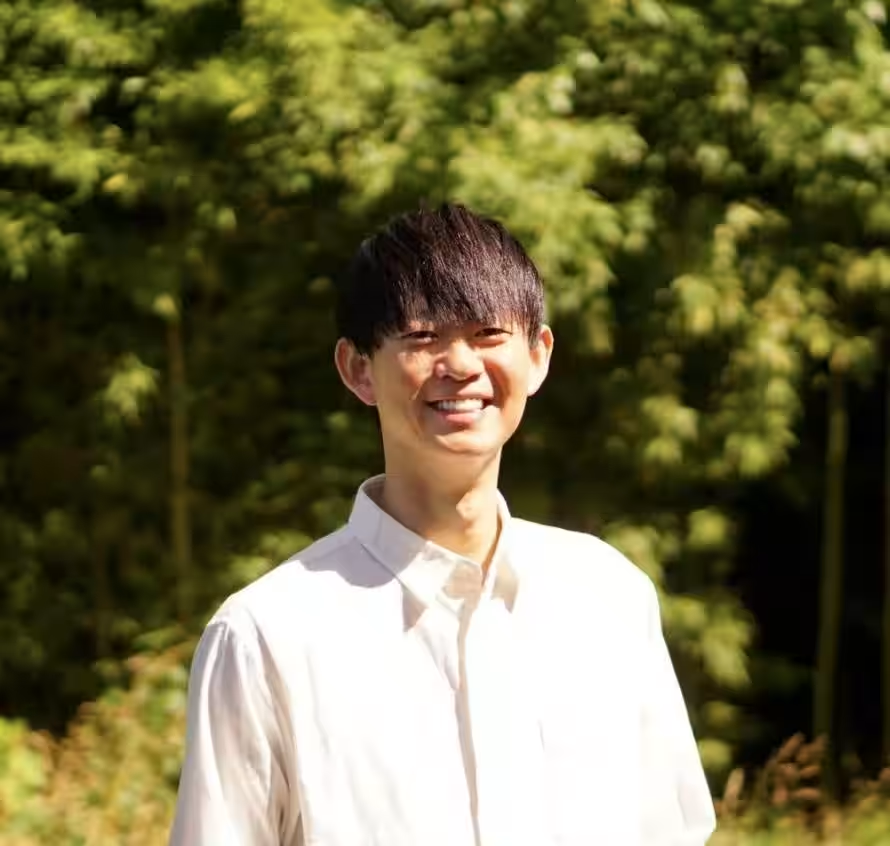
Yuta Wanibuchi is a certified psychologist with over two decades of experience, working in various educational settings in Tokyo. He now manages multiple support initiatives for approximately 180 children, while also contributing to education as a part-time lecturer. His deep understanding of both the systemic structures and the children's realities informs his compelling works that shed light on significant social issues affecting Japan today.
Get your copy of the series: The first volume released on January 23, 2026, was an Amazon best-seller, followed by the second volume on March 20, 2026. The third installment is set to release on June 1, 2026, which further explores these themes comprehensively. Each book is available on Amazon Kindle, offering insights into fostering a deeper understanding of these issues.
Those interested in further insights from Wanibuchi can reach out via his official channels where he is open to collaboration and discussions surrounding educational challenges and opportunities in Japan.
Topics People & Culture)


【About Using Articles】
You can freely use the title and article content by linking to the page where the article is posted.
※ Images cannot be used.
【About Links】
Links are free to use.