



Pet Disaster Preparedness Survey 2026: Key Insights and Actions Needed
Understanding the 2026 Pet Disaster Preparedness Survey
In recognition of the approaching 15th anniversary of the Great East Japan Earthquake, iPet Insurance Co., Ltd., headquartered in Koto, Tokyo, conducted the 2026 Pet Disaster Preparedness Survey. This survey gathered insights from 1,000 dog and cat owners, aiming to emphasize the importance of disaster preparedness for pets. Further highlighting this initiative, the company plans to fully revamp its “Pet Disaster Preparedness” website by mid-March 2026.
Survey Highlights
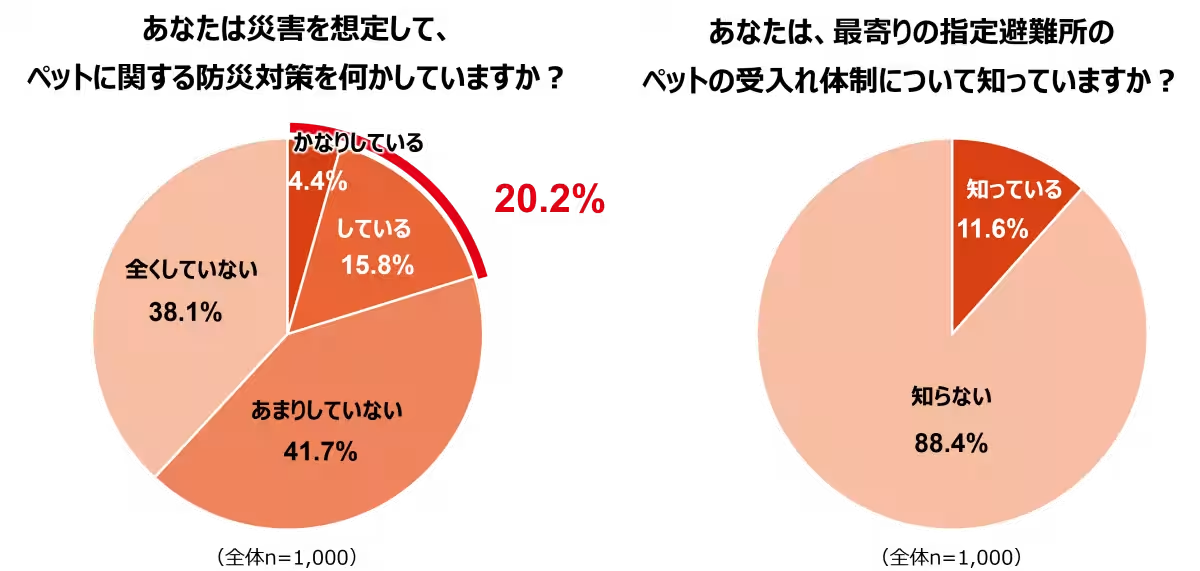
One of the glaring revelations from the survey is that only 20.2% of pet owners believe they have taken significant disaster preparedness measures for their pets. Alarmingly, 88.4% are unaware of their nearest evacuation area's pet acceptance policies, underscoring a pressing need for preparedness measures among pet owners.
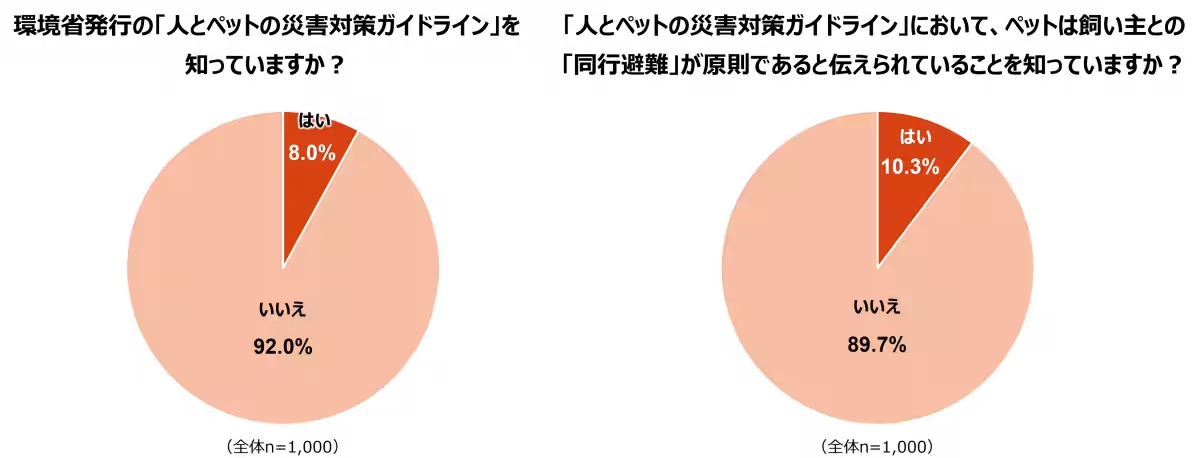
The survey also found that approximately 90% of respondents are not familiar with the “Disaster Response Guidelines for Humans and Pets” or the principle of evacuation (同行避難), illustrating a gap in understanding that needs to be bridged.
Reasons for Not Evacuating with Pets
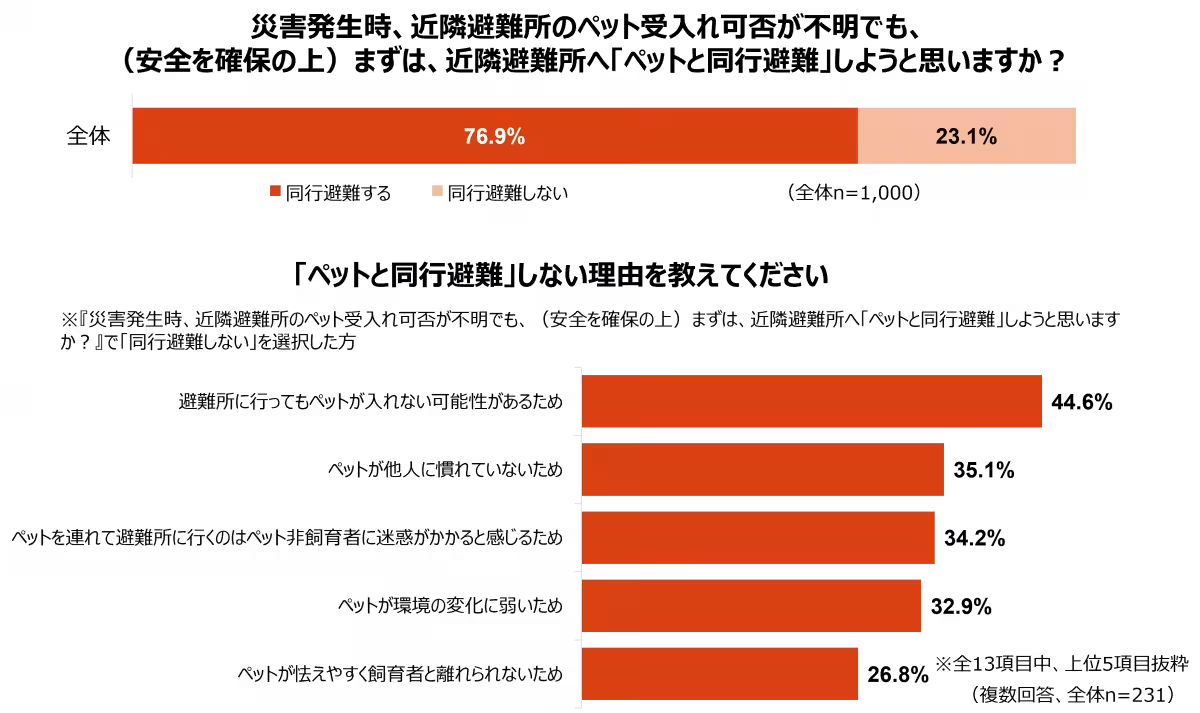
Despite the desire to evacuate together, with 76.9% of owners expressing this preference, many remain concerned. The predominant reason cited for not evacuating with pets is the fear that pets may not be allowed in shelters, with 44.6% of respondents identifying it as a barrier. This concern highlights the necessity for establishing clear and welcoming evacuation protocols.
Common Concerns During Evacuation
During evacuation scenarios, pet owners expressed worries about potential conflicts with others and their pets, as 55.7% noted this as their top concern. The adjustment to an unfamiliar environment, particularly concerning bathroom needs, was another major issue, affecting 51.9% of respondents. Thus, tackling the psychological and health aspects of pets in these stressful situations is paramount.
Importance of Accessing Accurate Information
When queried about reliable sources of disaster preparedness information, more than half of the respondents indicated that local municipalities would be the most valuable resource. Additionally, many pet owners would turn to veterinarians or media channels for guidance. This feedback highlights the need for informational outreach that not only increases awareness of existing resources but also fosters a sense of community among pet owners during disaster preparations.
Microchipping Rates for Lost Pets
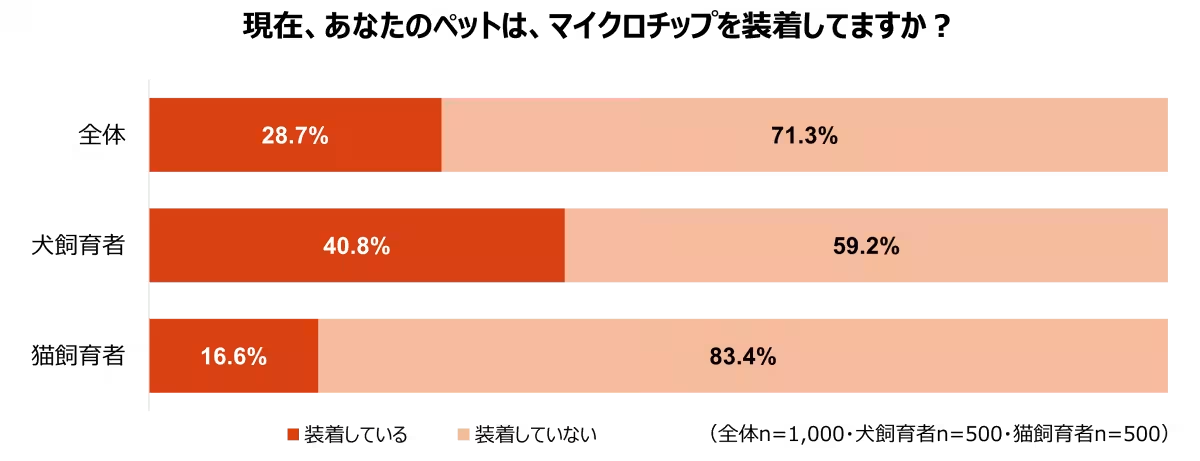
The installation of microchips, a critical measure for lost pets during disasters, currently stands at about 28.7%. Following the changes to the Animal Protection Management Law in June 2022, where microchipping has become mandatory for breeders and pet shops, there remains an effort to encourage all pet owners to adopt this precaution. This tool can serve as a life-saving measure for lost pets in emergencies.
Moving Forward: The Revamped Pet Disaster Preparedness Site
In response to the survey, iPet Insurance plans to completely redesign its “Pet Disaster Preparedness” website, which was launched in 2023. The revamped site aims to provide essential knowledge on pet preparedness, including simulations tailored to various disaster situations and calculations for necessary supplies based on family structure and pets. This enhancement aims to enrich the resources available to pet owners.
Furthermore, the website will include health management and training resources critical for disaster readiness. By making these tools accessible, iPet Insurance aspires to instill a culture of preparedness among pet owners.
As the anniversary of the Great East Japan Earthquake approaches, now is the ideal time for pet owners to reflect on the importance of readiness. Continuous support from reliable sources and informative platforms will help protect both pets and their owners in times of crisis.
Conclusion
The 2026 Pet Disaster Preparedness Survey reveals significant knowledge gaps and behavioral concerns among pet owners regarding disaster readiness. Awareness can be effectively raised through reliable information channels, and instituting clear evacuation protocols can assist in calming fears related to evacuation with pets. The impending overhaul of the “Pet Disaster Preparedness” site aims to further bolster these efforts, ensuring pets and their owners are as prepared as possible for emergencies.





Topics Policy & Public Interest)
【About Using Articles】
You can freely use the title and article content by linking to the page where the article is posted.
※ Images cannot be used.
【About Links】
Links are free to use.