



Understanding Workplace Risk Behaviors: Insights from RCIJ's Latest Survey
Understanding Workplace Risk Behaviors: Insights from RCIJ's Latest Survey
The general public is increasingly aware of various risks associated with workplace communication due to advancements in technology and social media. A recent survey by the Risk Communication Institute of Japan (RCIJ) has revealed compelling insights into the landscape of risk awareness and behavior among employees in Japan.
The Survey Overview
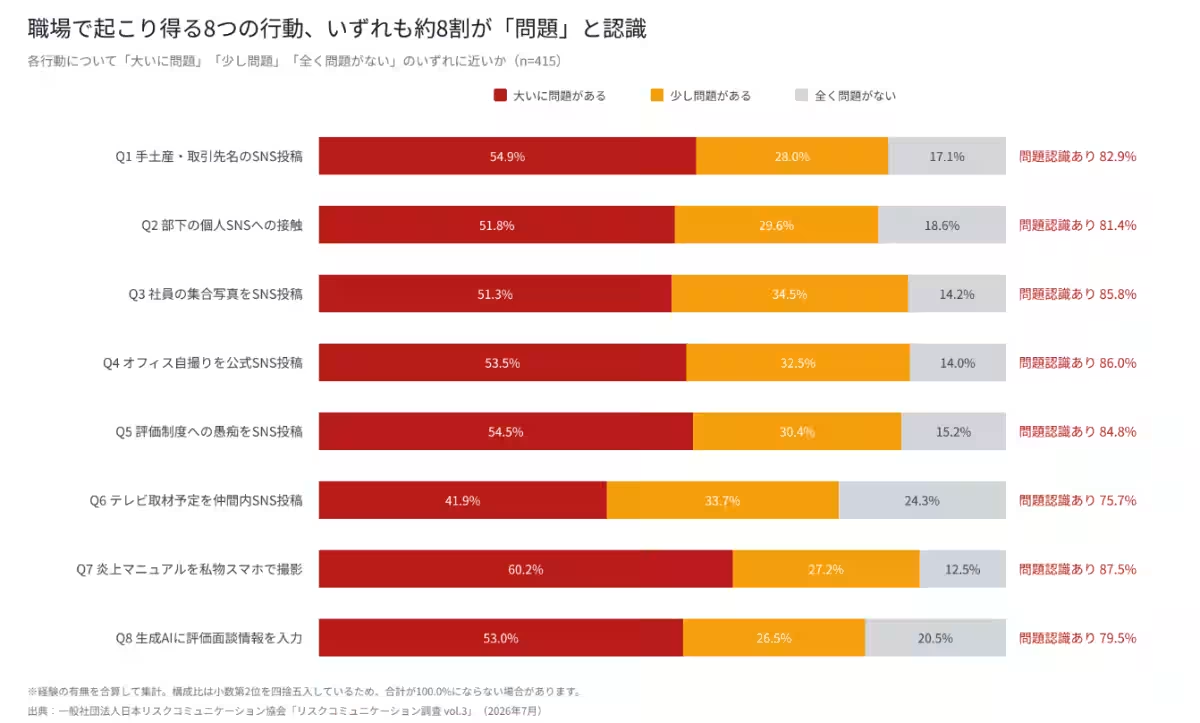
A total of 415 working individuals participated in this survey, where they were asked to evaluate eight potential risk behaviors related to social media, information management, and Generative AI usage in their workplace. The results revealed that over 75% of respondents identified all eight proposed behaviors as problematic.
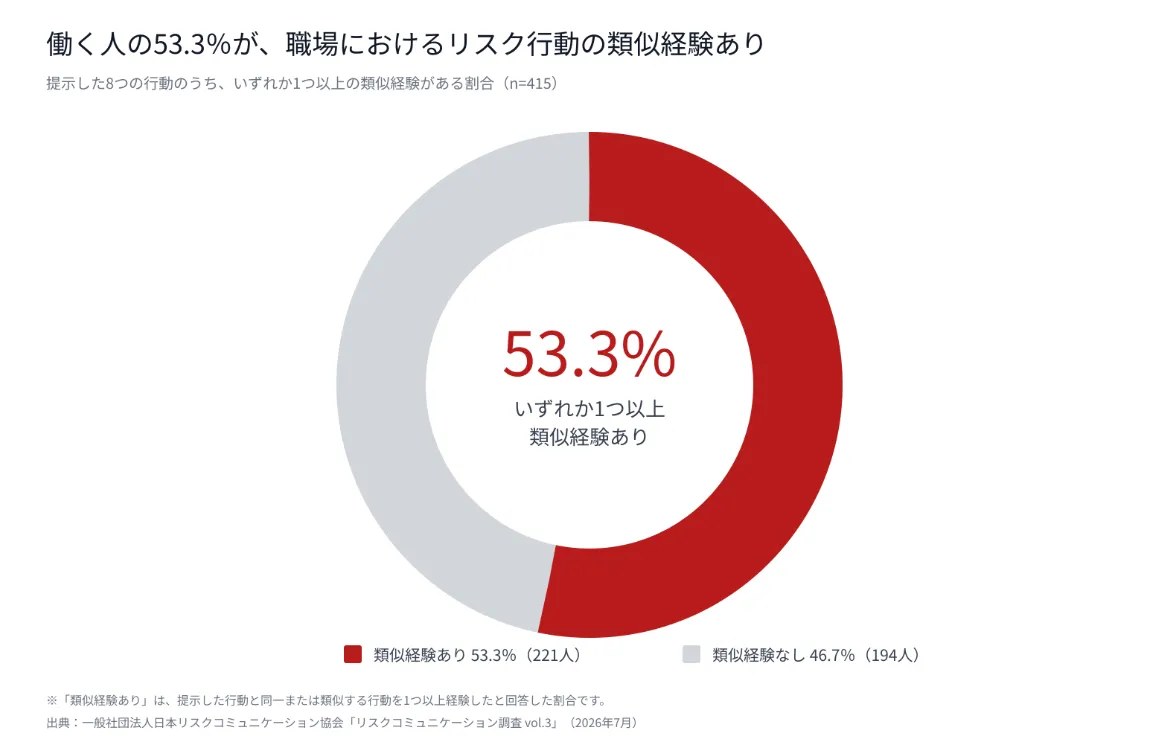
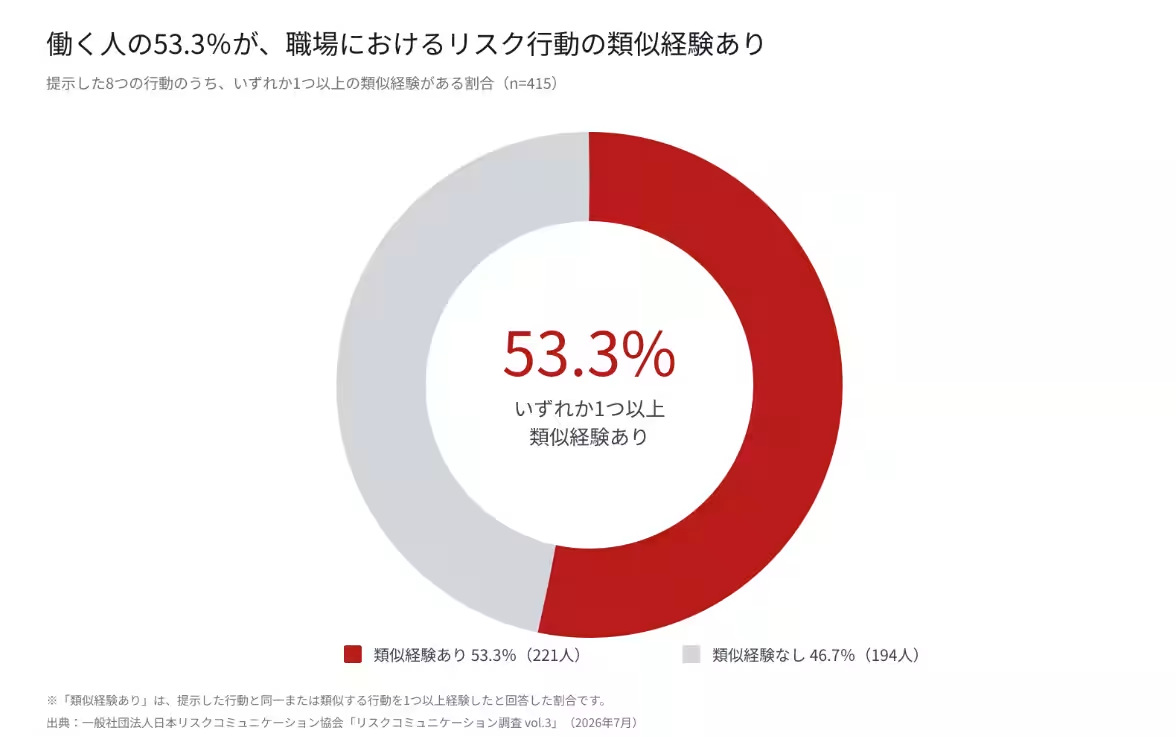
Interestingly, despite this high degree of awareness, a significant 53.3% of respondents reported having experienced at least one of the risky behaviors in their own work environment. This gap between recognition and actual behavior suggests a notable dissonance among employees when faced with the necessity and conveniences presented by their daily tasks.
Key Findings
1. High Awareness Yet Risky Behaviors Continue
While the awareness of potential risks is high (75% or more for all eight behaviors), the survey also found that a striking number of individuals had still engaged in similar behaviors. This situation creates an irony where employees recognize the risks but choose to overlook them in favor of work efficiency and convenience.
2. Demographics of Risky Behaviors
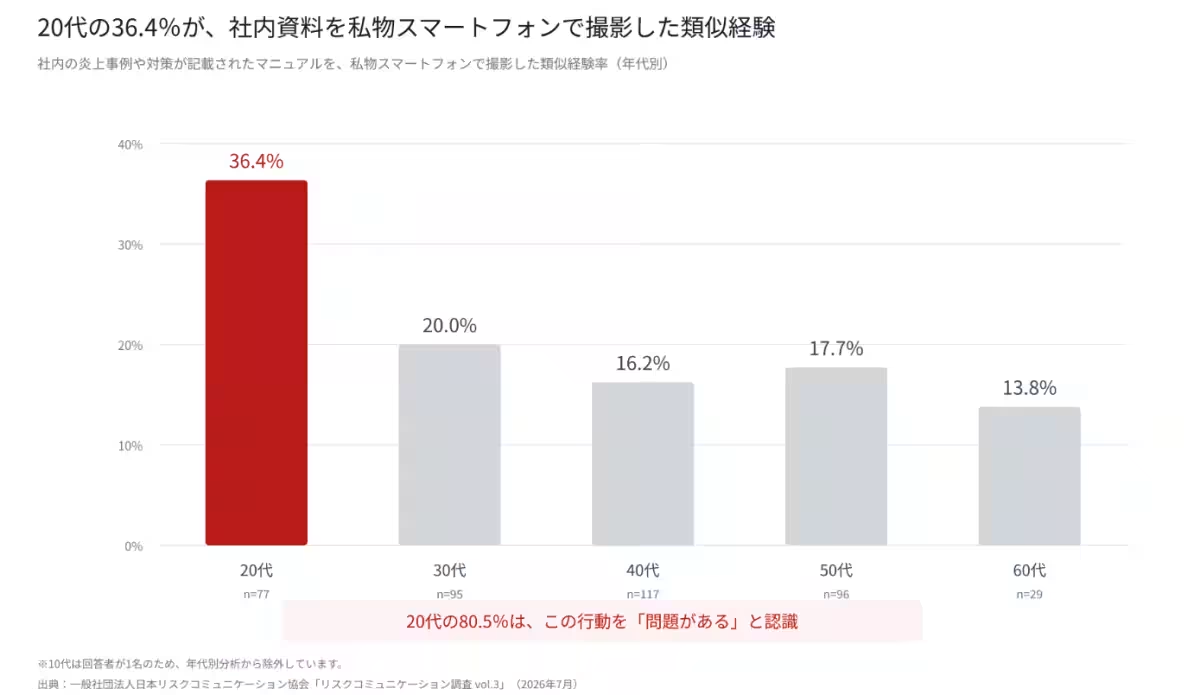
The survey particularly highlighted that younger employees, specifically those in their 20s, showed a higher propensity for taking risks. For instance, 36.4% admitted to photographing internal documents with personal smartphones, even though 80.5% acknowledged it as a risky action. This demographic's recognition of the problem juxtaposed with their behaviors points to a “gap between recognition and action,” often driven by a blend of necessity and goodwill in executing their duties.
3. Understanding the Gap
The research suggests that merely educating employees on risks is not a sufficient deterrent against risky actions. Behaviors such as sharing company materials on personal social media or following subordinates on Instagram reflect a balancing act between perceived necessity and established norms. Employees may feel that their intentions, often based on goodwill, justify taking risks, revealing a loophole in organizational culture regarding risk management.
The Eight Identified Risk Behaviors
To understand these dynamics, RCIJ outlined eight risk actions for participants:
- - Posting gifts from business partners on personal SNS accounts.
- - Commenting regularly on subordinates’ personal Instagram posts.
- - Sharing group company photos on personal accounts.
- - Uploading self-shot videos from the office to corporate SNS.
- - Complaining about work-related issues on personal SNS accounts.
- - Announcing media appearances on personal SNS.
- - Capturing crisis management manuals with personal smartphones.
- - Inputting subordinate evaluation information into Generative AI.
Recommendations from Experts
Haruko Osugi, RCIJ’s Executive Director, emphasized that the findings suggest a critical need for organizations to adjust their approach to risk management. It is essential to acknowledge that creating awareness alone is insufficient. Instead, organizations should define clearer guidelines on the handling of sensitive information.
Furthermore, a holistic organizational strategy involving culture, ethics, and practical rules, rather than simply blaming individuals for risky behavior, will lead to a more transparent reporting environment. This approach can significantly improve organizational resilience against communication risks and enhance overall workplace safety.
Implications for Organizations
Organizations need to adopt a proactive strategy that involves educating employees not only about the risks but also providing concrete instructions on acceptable information handling practices. The evolution of workplace dynamics post-COVID, factoring in remote working and technology adoption, calls for a revolutionary shift in how businesses perceive and manage risk.
In summary, the RCIJ survey indicates an urgent need for more robust frameworks that mitigate risks while retaining functional efficiency. This dual approach will foster a safer and more informed workplace, bridging the existing gap between employees' awareness of risk and their actual behaviors, ultimately leading to a healthier and more sustainable workplace culture.
Topics Business Technology)

【About Using Articles】
You can freely use the title and article content by linking to the page where the article is posted.
※ Images cannot be used.
【About Links】
Links are free to use.