




In-depth Analysis of Home Loan Trends Based on Latest Survey by LIFULL HOME'S
Understanding Current Home Loan Trends
In a recent survey conducted by LIFULL HOME'S, significant insights were revealed regarding the sentiment of current homeowners and prospective buyers towards home loans. This analysis involved 765 current borrowers who obtained their loans within the last decade and 1,097 individuals intending to secure a loan in the next five years. Given the evolving landscape of interest rates and recent policy changes, the findings are critical for understanding consumer behavior in the housing market.
Key Findings from the Survey
Types of Home Loans Chosen
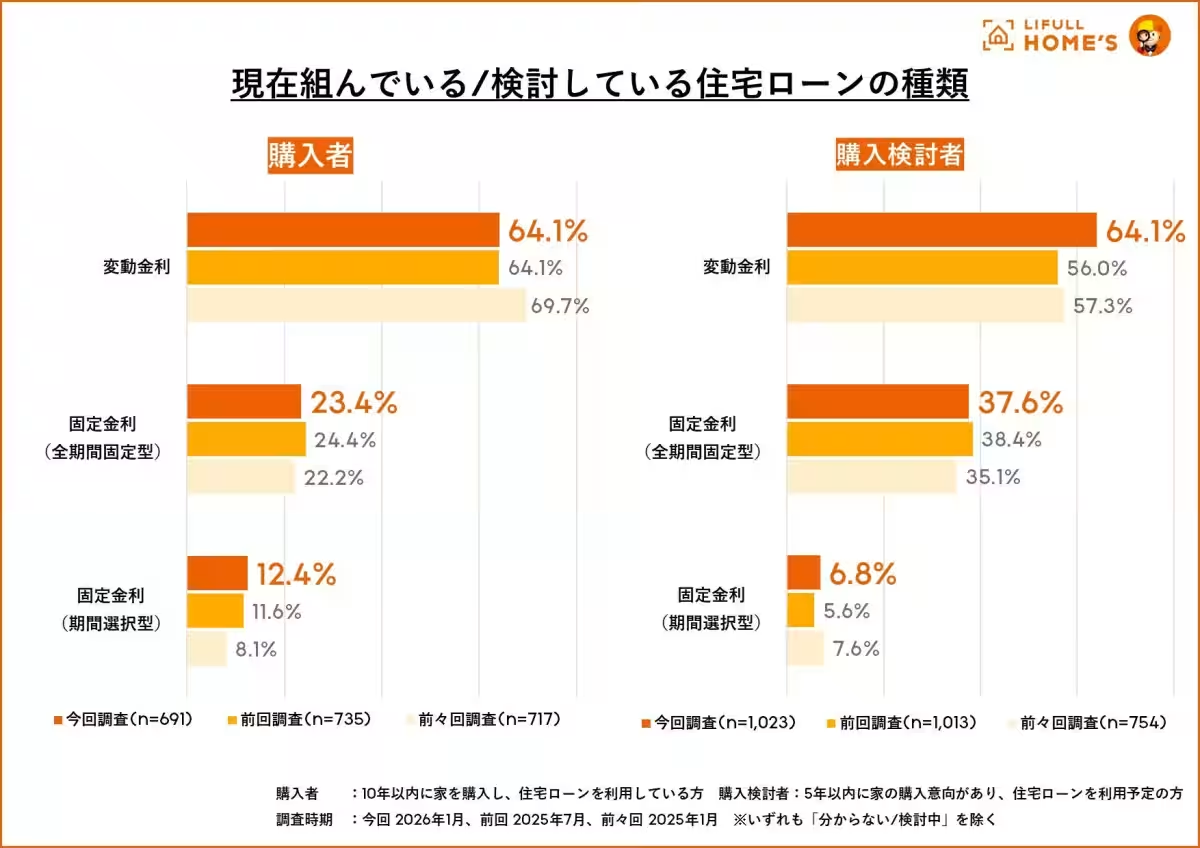
The survey found that both current borrowers and prospective buyers predominantly opt for variable interest rates, with this group standing at 64.1%. Notably, this reflects a slight increase among potential buyers, rising from 56.0% in the previous survey. The inclination towards variable rates shows a significant trend as individuals weigh the risks of fluctuating interest rates against the benefits of currently low borrowing costs.
Contrarily, fixed-rate options seem less favored, with only a modest increase noted in the selection of hybrid loans. This reflects growing concerns over the potential rise in interest rates, leading consumers to hedge their bets with adaptable rate structures, showcasing a cautious yet hopeful outlook.
Household Income to Loan Amount Ratios
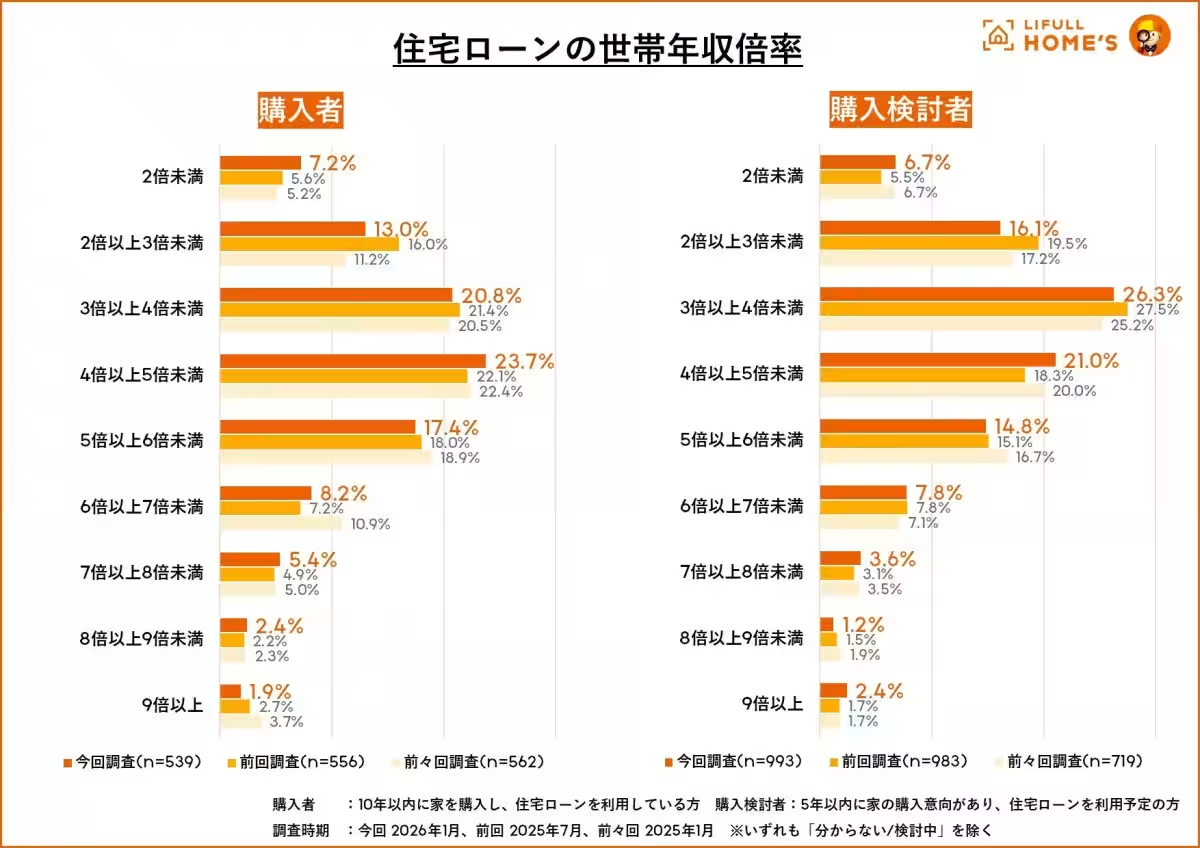
The income multiplier for home loans among potential buyers has shifted back to the range of '4x to less than 5x', signifying a resurgence of reliance on elevated borrowing levels amid rising home prices. This contrasts the previous preference for lower ratios, revealing a response to the current housing market's affordability challenges.
Monthly Loan Payments as a Percentage of Income
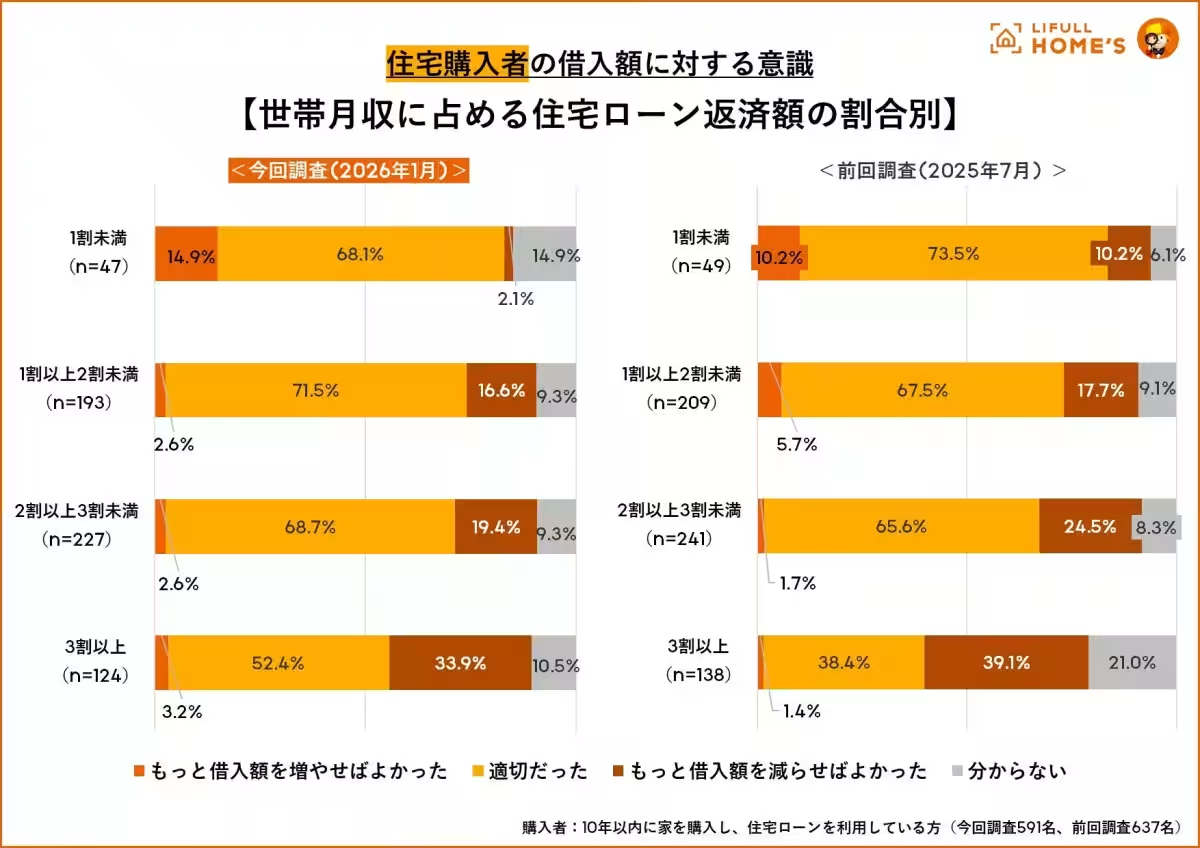
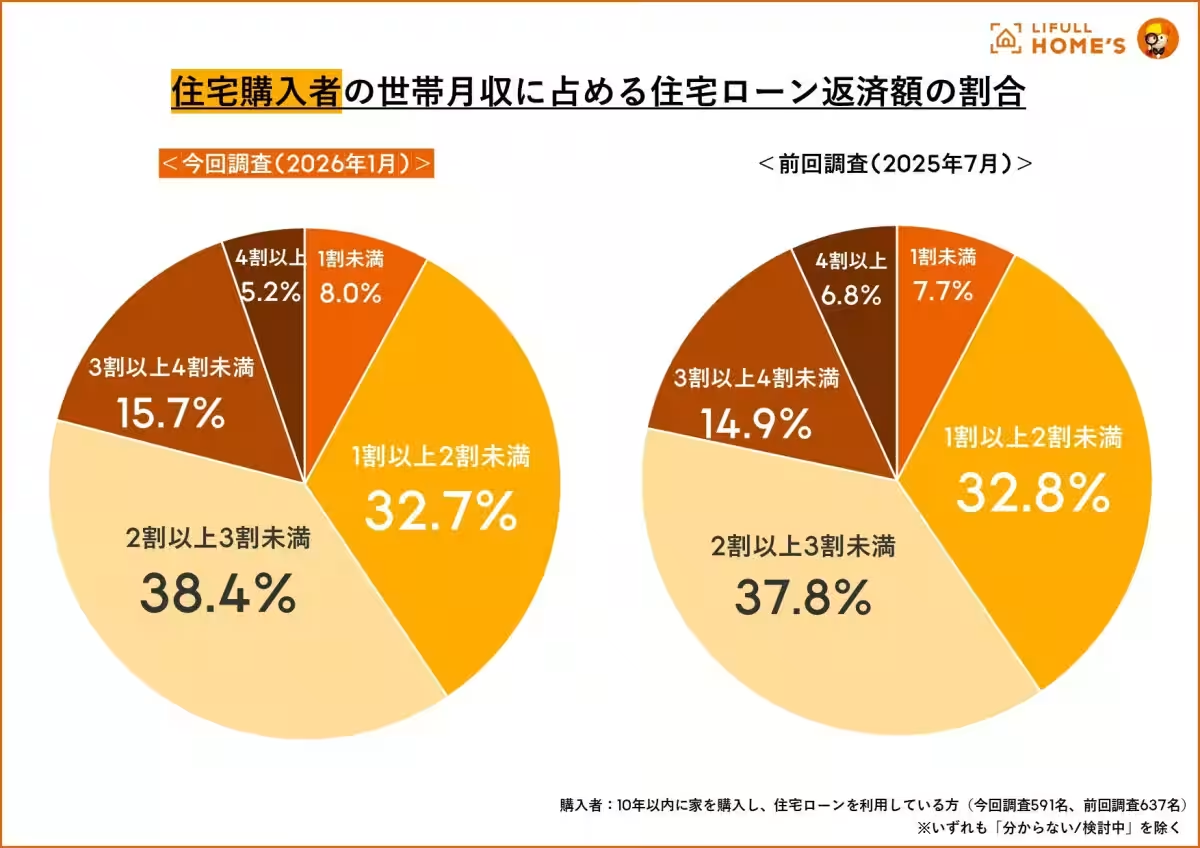
Among current homeowners, the percentage of monthly income allocated to loan repayments has increased, with 38.4% reporting that their obligations exceed 20% of their monthly income. Despite a majority considering their borrowing amounts 'appropriate', a striking one-third expressed regret, suggesting a growing trend of financial strain due to housing expenses.
Intentions to Purchase Property
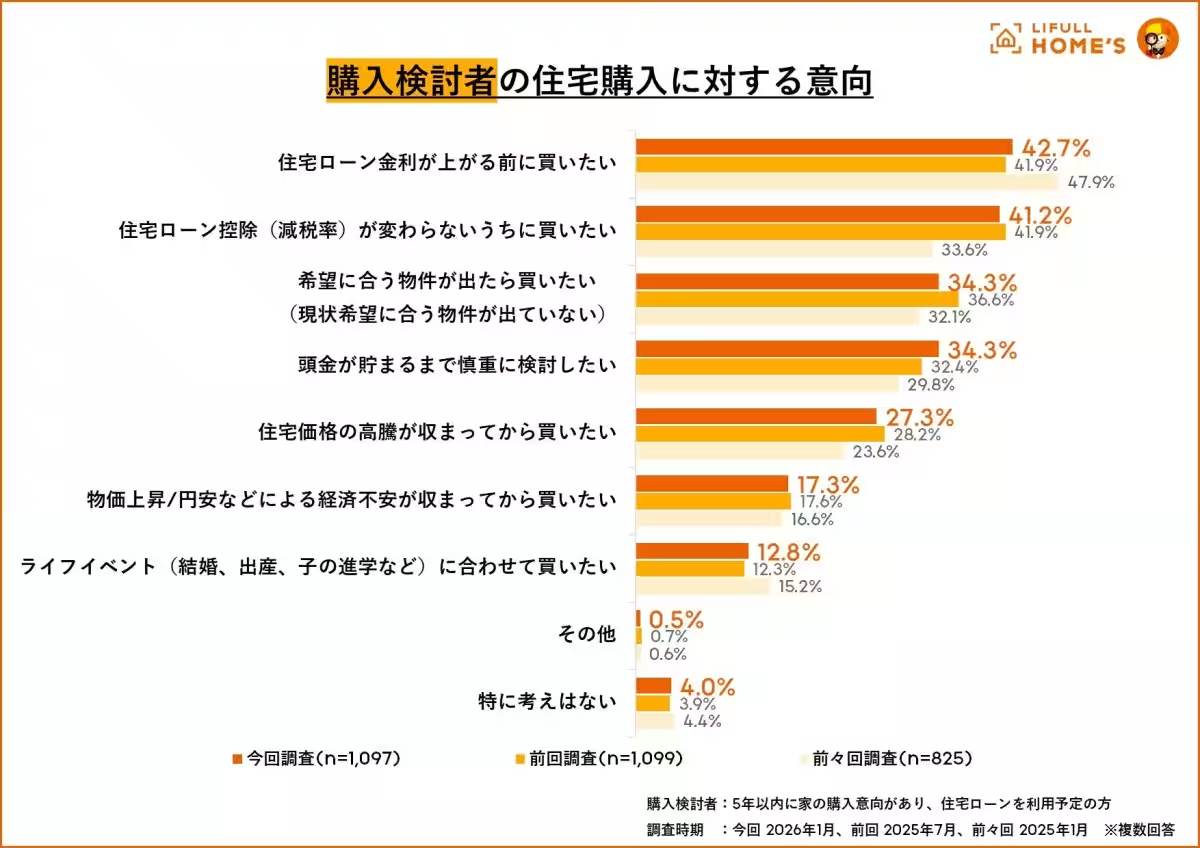
The survey highlighted a pronounced urgency among potential homeowners, with over 42% indicating a desire to purchase before interest rates rise further, surpassing the importance of tax deductions in influencing their decisions. This sentiment underscores a broader focus on immediate market conditions over long-term tax benefits, reflecting a shift in priorities as the housing landscape becomes increasingly pressured by economic changes.
Outlook for Interest Rates
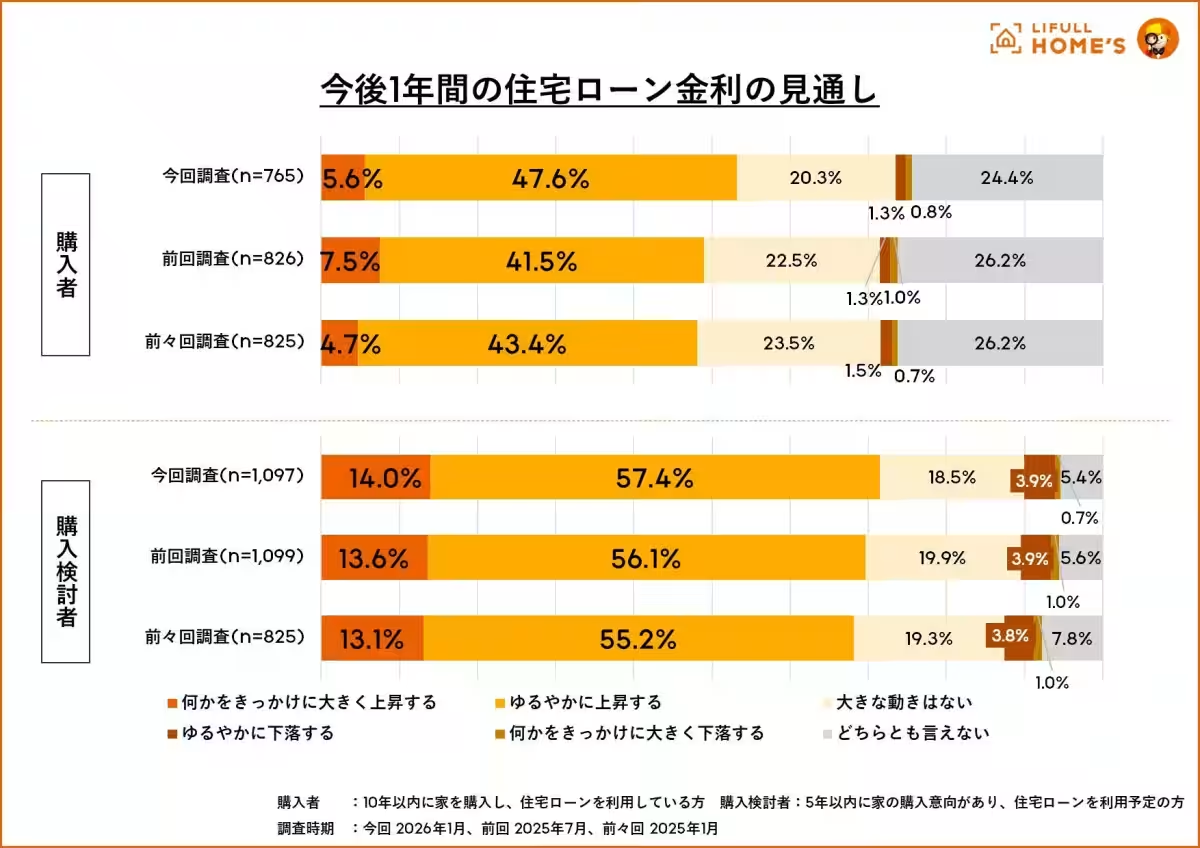
Looking ahead, expectations around interest rates are shifting, with over half of current homeowners predicting a rise in the next year. This sentiment is echoed among potential buyers, where nearly 71% anticipate increasing costs, indicating a collective anxiety about market dynamics and the future affordability of housing.
Concerns About Repayment Capability
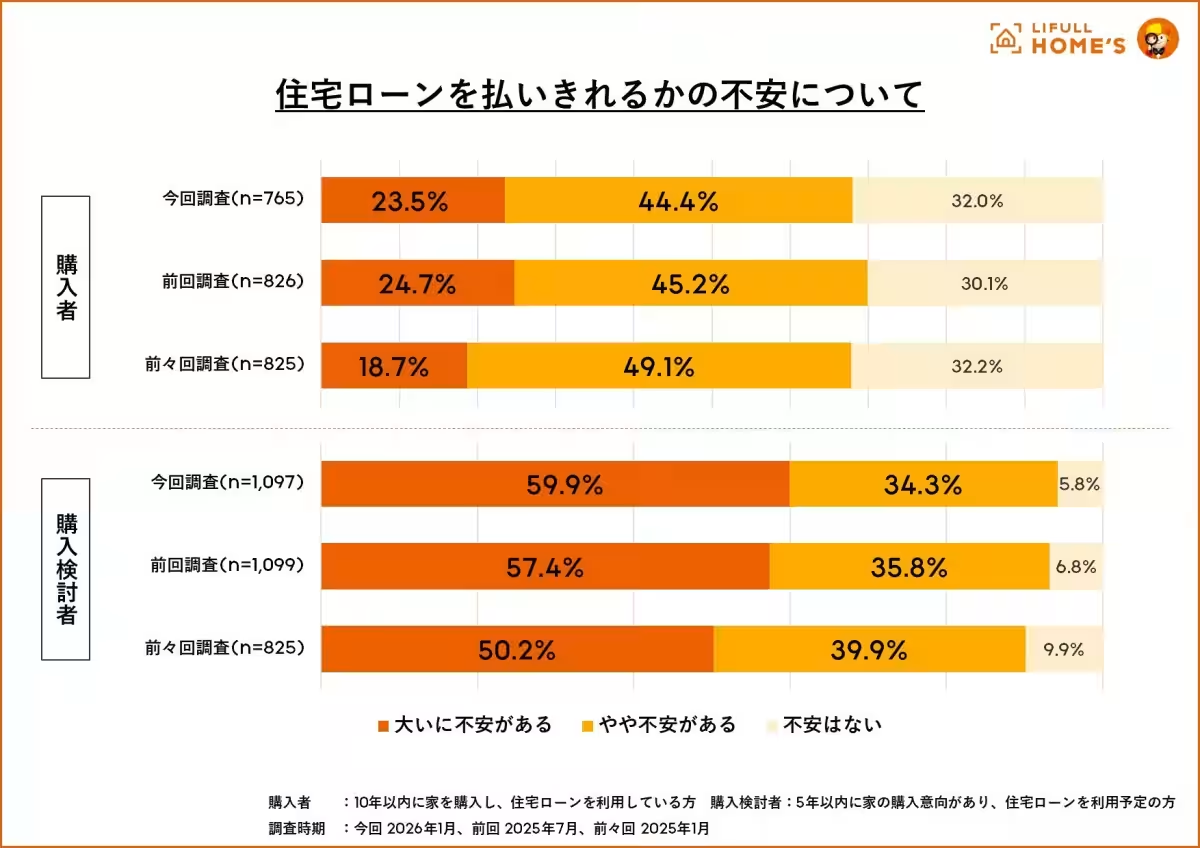
Perhaps most striking is the growing concern surrounding repayment capacity; 94.2% of prospective buyers reported feeling some level of financial insecurity regarding their ability to manage loan repayments. This marks the highest recorded anxiety level observed in past surveys, highlighting a significant disconnect between current homeowners and those preparing to enter the market.
Strategies for Mitigating Rate Increases
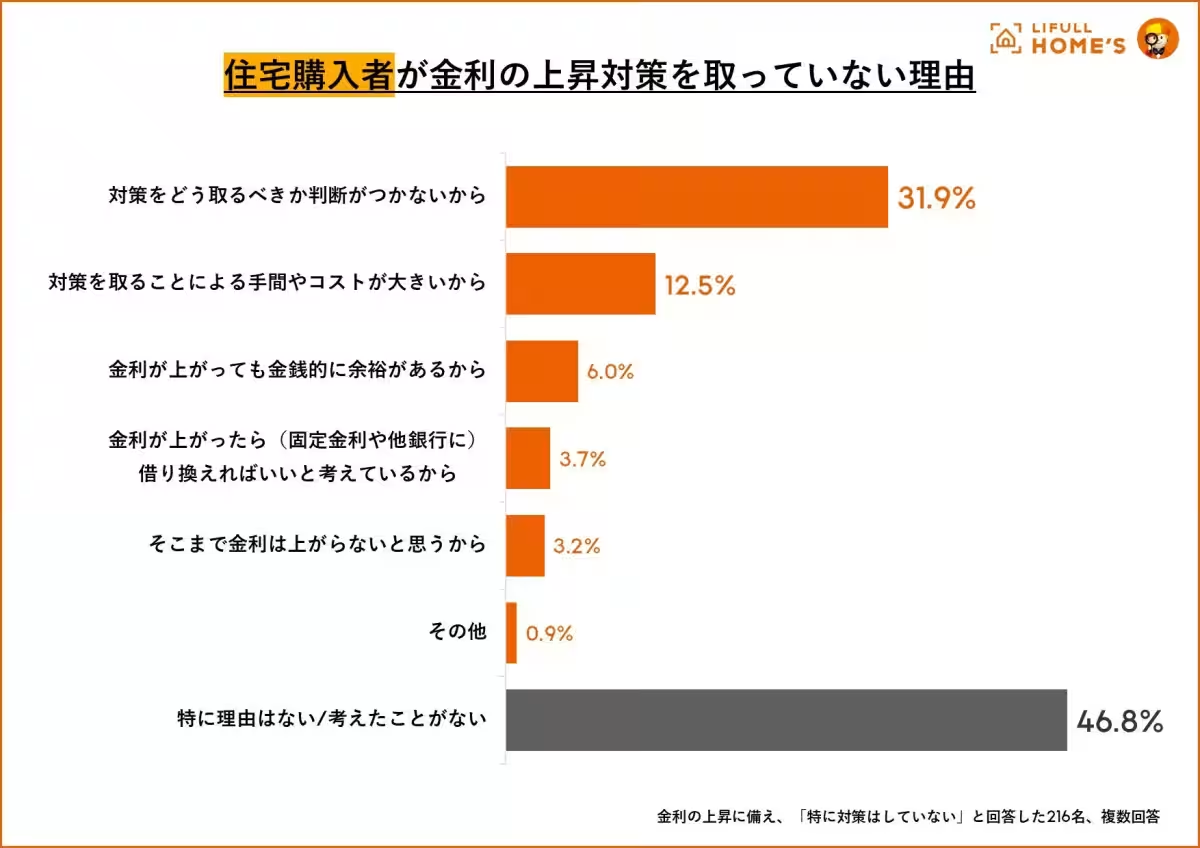
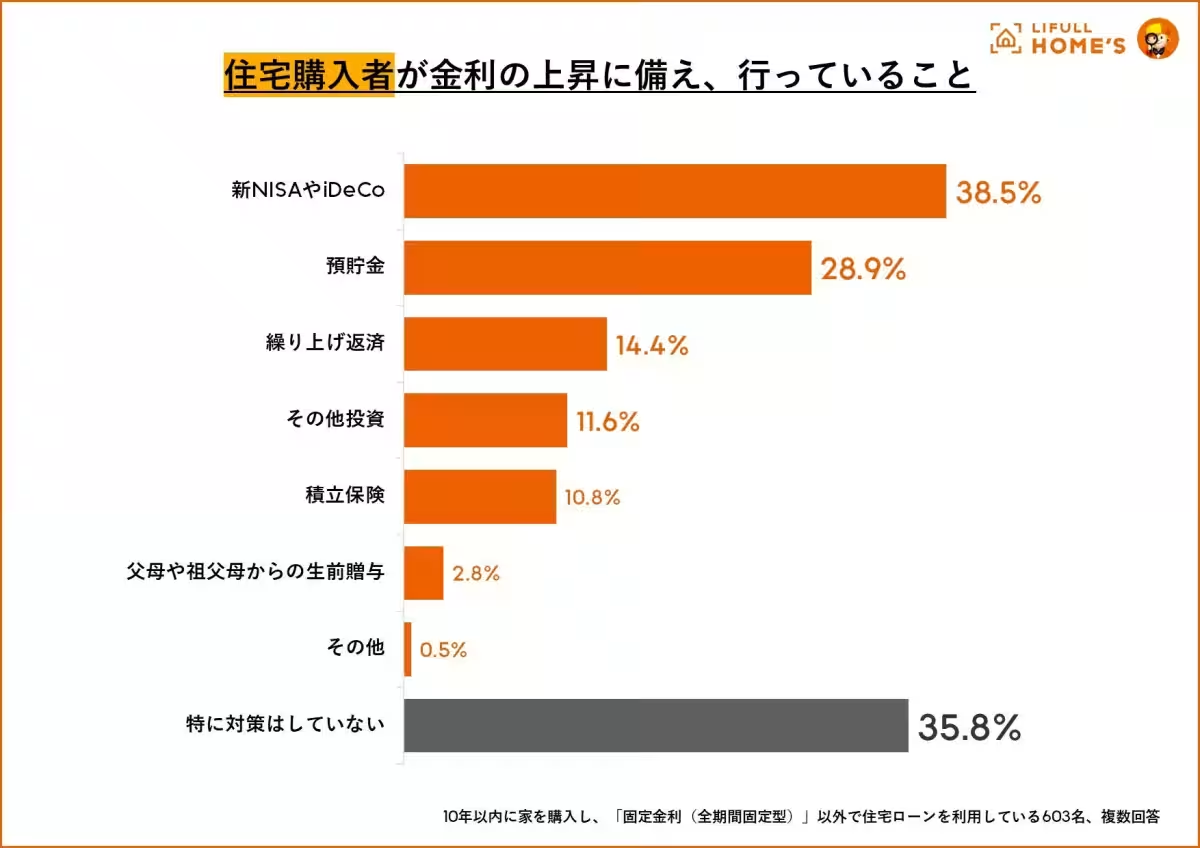
While approximately 64% of respondents are taking steps to prepare for rising rates, a substantial number remains indecisive — reflecting a lack of clarity on effective strategies. Nearly 38.5% are opting for investment methods like NISA and iDeCo, though over a third of respondents have yet to implement any measures to address potential future cost pressures.
Criteria for Bank Selection
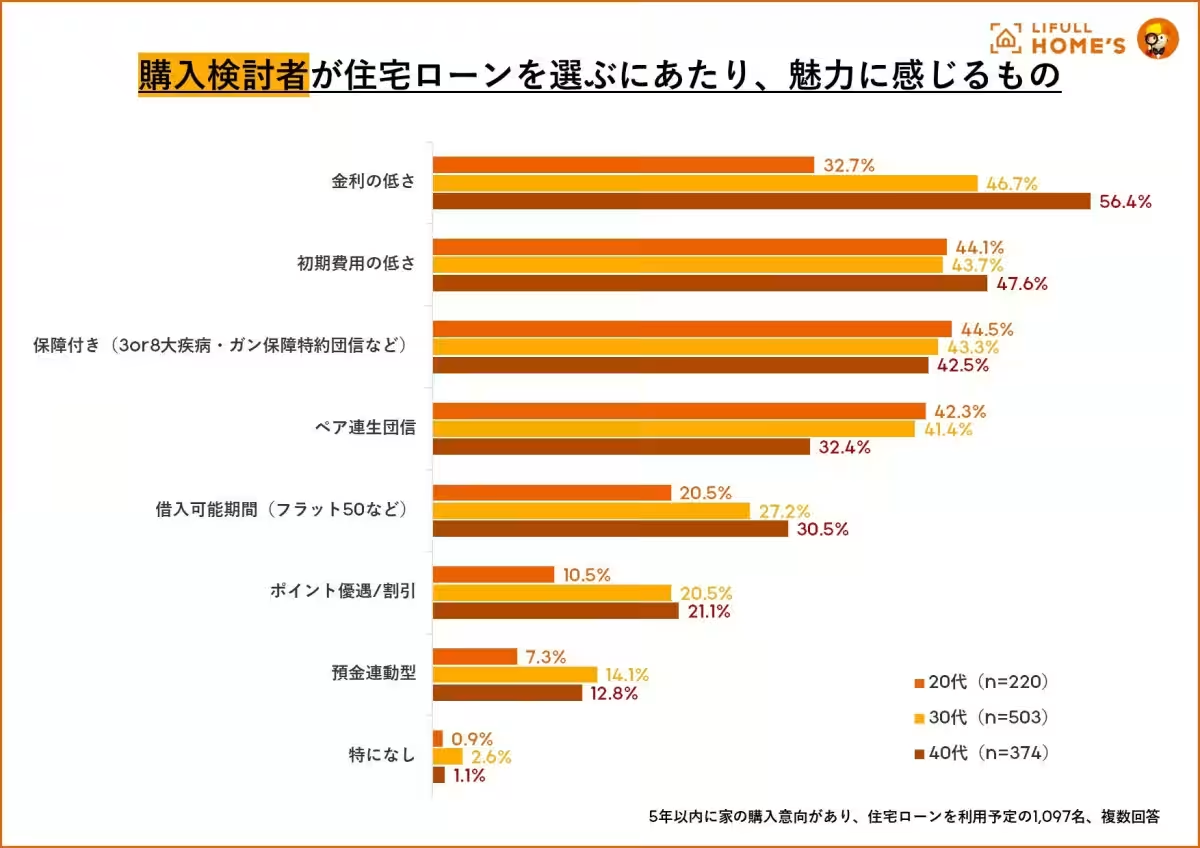
The criteria for selecting a lending institution appeared to vary significantly by age group. Young buyers prioritized lower initial costs and comprehensive protections, while older respondents focused on securing lower interest rates and favorable borrowing periods. This demographic divergence sheds light on the varying values and priorities buyers hold in the current economic environment.
Conclusion
The findings from LIFULL HOME'S survey underscore the complexities facing today’s homebuyers as they navigate an unpredictable financial landscape. With interest rates anticipated to rise and significant uncertainty affecting affordability, both current and prospective homeowners are altering their approaches to borrowing. As LIFULL HOME'S continues to monitor these trends, the implications for the housing market and financial institutions remain profound, necessitating adaptive strategies for both consumers and lenders alike.
Stay tuned for further insights and updates as we continue to analyze and report on housing and financial trends.



Topics Consumer Products & Retail)
【About Using Articles】
You can freely use the title and article content by linking to the page where the article is posted.
※ Images cannot be used.
【About Links】
Links are free to use.