



Harnessing Generative AI in Business: Bridging Gaps and Improving Integration
Exploring the Integration Challenges of Generative AI in Business
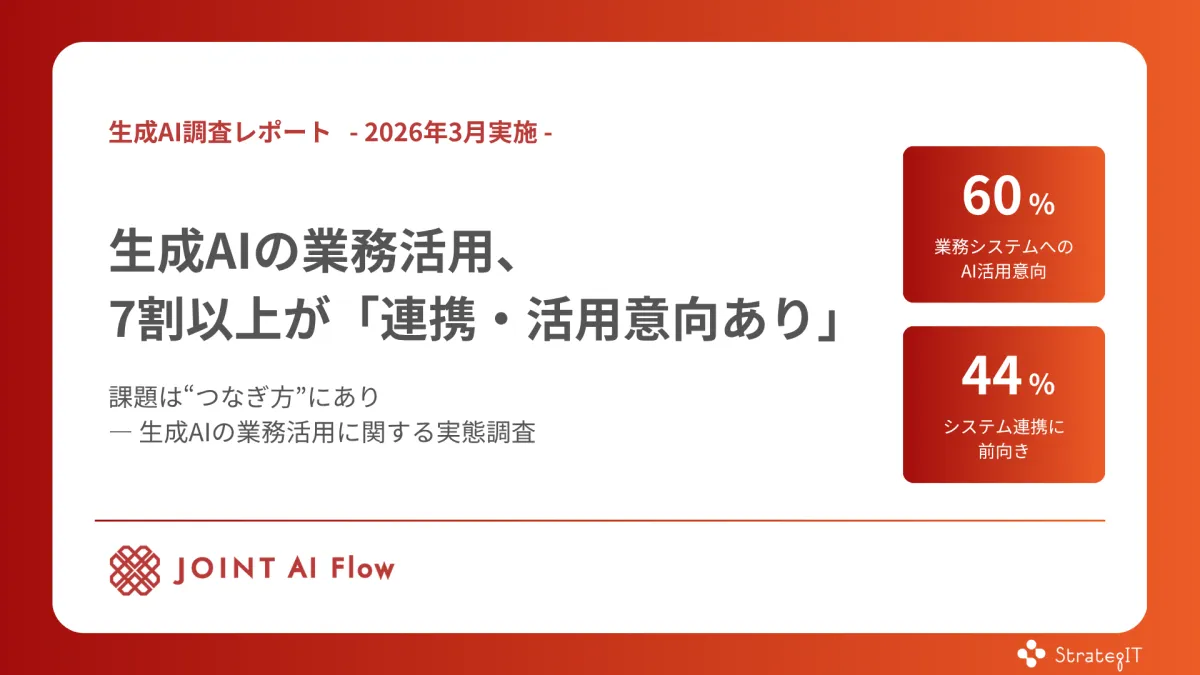
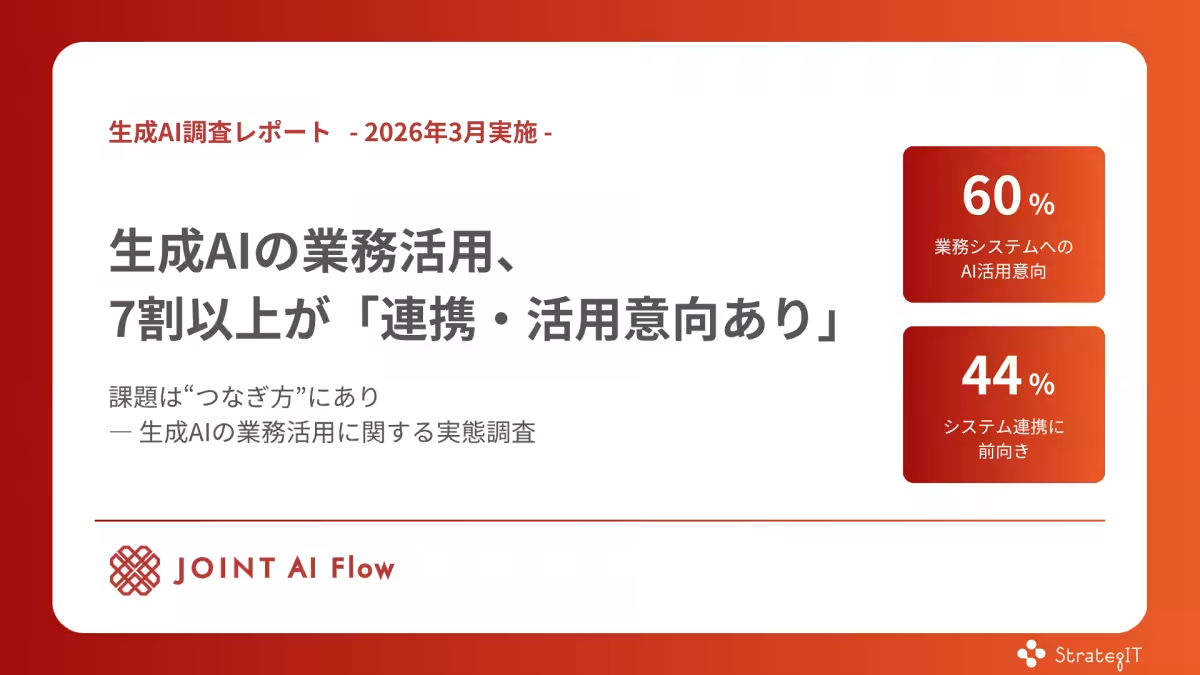
In a recent survey conducted by Stratigit, a Tokyo-based company, to understand the landscape of generative AI usage in businesses, more than 120 business professionals were questioned. The results indicated a strong interest in integrating generative AI into operations, with over 70% expressing a desire to connect with existing business systems. However, the findings also highlighted significant challenges related to the integration process.
Current Utilization Status of Generative AI
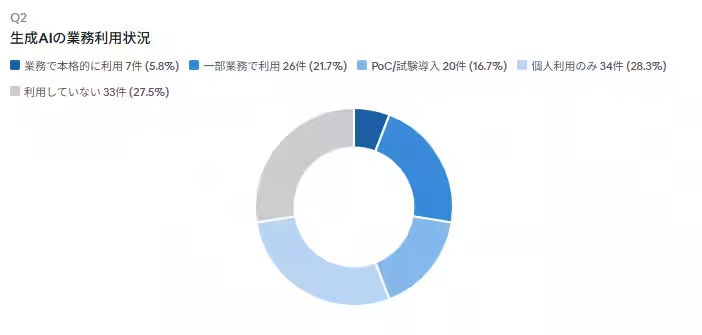
When asked about their current use of generative AI, the responses revealed that only about 27% of businesses are utilizing the technology extensively or for some specific functions, categorized as the "active users." Meanwhile, around 46% are in a phase of exploration—testing or using it for personal endeavors—but haven’t fully adopted it in their operations. Another 27% reported not using generative AI at all, illustrating that many firms are still in early stages of exploring its possibilities.
Limited Sense of Utilization
A follow-up question regarding how effectively they felt they were using generative AI showed that only about one-third reported feeling adequately capable of utilizing the technology. The majority expressed sentiments that they were either hardly using it or not using it at all, which reflects a gap in confidence and capability amongst business professionals.
Key Obstacles to Integration
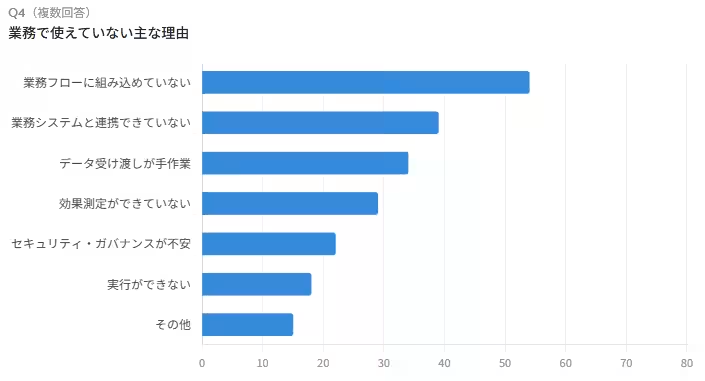
The survey also revealed that the primary barrier to integrating generative AI into workflows is the difficulty of incorporating it into existing business processes. Many participants identified challenges such as lack of integration with existing SaaS platforms and manual data transfer as significant obstacles. This suggests that the limitations do not stem from the capabilities of generative AI itself, but rather from structural and operational constraints in their business environments.
Positive Outlook for System Integration
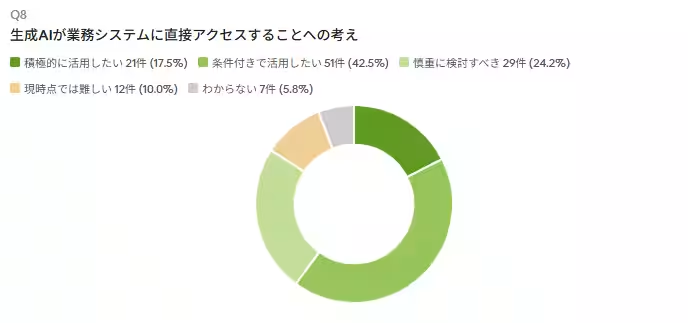
Despite these barriers, the enthusiasm for integrating generative AI with business systems remains high. The survey found that over 74% of respondents are supportive of connecting generative AI to multiple systems, with a particular focus on tasks like data retrieval, handling inquiries, and updating records. Some participants also expressed a strong desire for generative AI to directly access business systems, with nearly 60% supporting this idea, albeit contingent on proper governance measures such as role management and audit trails.
The Evolving Role of IT Departments
As companies look to expand their use of generative AI, the IT department's role appears poised to become even more critical. Most respondents believe that the expectations placed on IT professionals will increase. This aligns with the view that as generative AI technologies evolve, the strategic importance of IT departments will also grow, highlighting the need for them to adapt and innovate.
Data Availability as a Decision-Making Barrier
The study also pointed out that more than half of the participants felt a lack of objective data is hindering decision-making processes within their organizations. This underlines a pressing need for robust evidence-based information to promote effective utilization of generative AI across various levels.
Insights from Stratigit
According to a statement from Stratigit, this survey has affirmed that the enthusiasm and intent to leverage generative AI are widespread across numerous companies. However, the real challenges lie not within the technology itself, but rather in how to effectively implement it and bridge it with existing systems. Stratigit aims to enhance companies' ability to adopt generative AI by supporting them in addressing these integration challenges.
Introduction to JOINT AI Flow
Stratigit has developed the "JOINT AI Flow," a flexible and secure platform designed to connect generative AI technologies, including ChatGPT and Copilot, with business systems. Featuring over 110 connectors, it allows seamless integration with major SaaS platforms, enabling rapid deployment with no-code or low-code capabilities. This advancement equips businesses to build dedicated AI agents tailored to their unique needs, driving sustainable growth through the effective use of AI.
About Stratigit
Founded on July 2, 2019, Stratigit focuses on the interconnected realms of AI, systems integration, and business consulting. Their mission revolves around empowering all businesses with the capabilities of AI and SaaS, thus enabling them to unlock their full potential through the efficient synergy of diverse applications. Their headquarters are located in Minato-ku, Tokyo, and they provide a range of services, including the development of data integration platforms and ERP implementation support.
For more information, visit Stratigit's website.
Topics Business Technology)
【About Using Articles】
You can freely use the title and article content by linking to the page where the article is posted.
※ Images cannot be used.
【About Links】
Links are free to use.