



Strengthening Marine Education in Tokyo: A Training Initiative for Local Teachers
Strengthening Marine Education in Tokyo
In an era where environmental awareness is critical, the importance of marine education has never been greater. A notable initiative designed to bolster marine education in the Tokyo metropolitan area recently took place, organized by the Next Generation Value Consortium and Act Indie Co. Ltd., known for running the popular outing information site "iko-yo". The project, part of the "Uminoko Classroom" program, which offers marine learning experiences for elementary schools, aimed to train local educators on the significance and intricacies of marine ecosystems.
Overview of the Marine Education Training Program
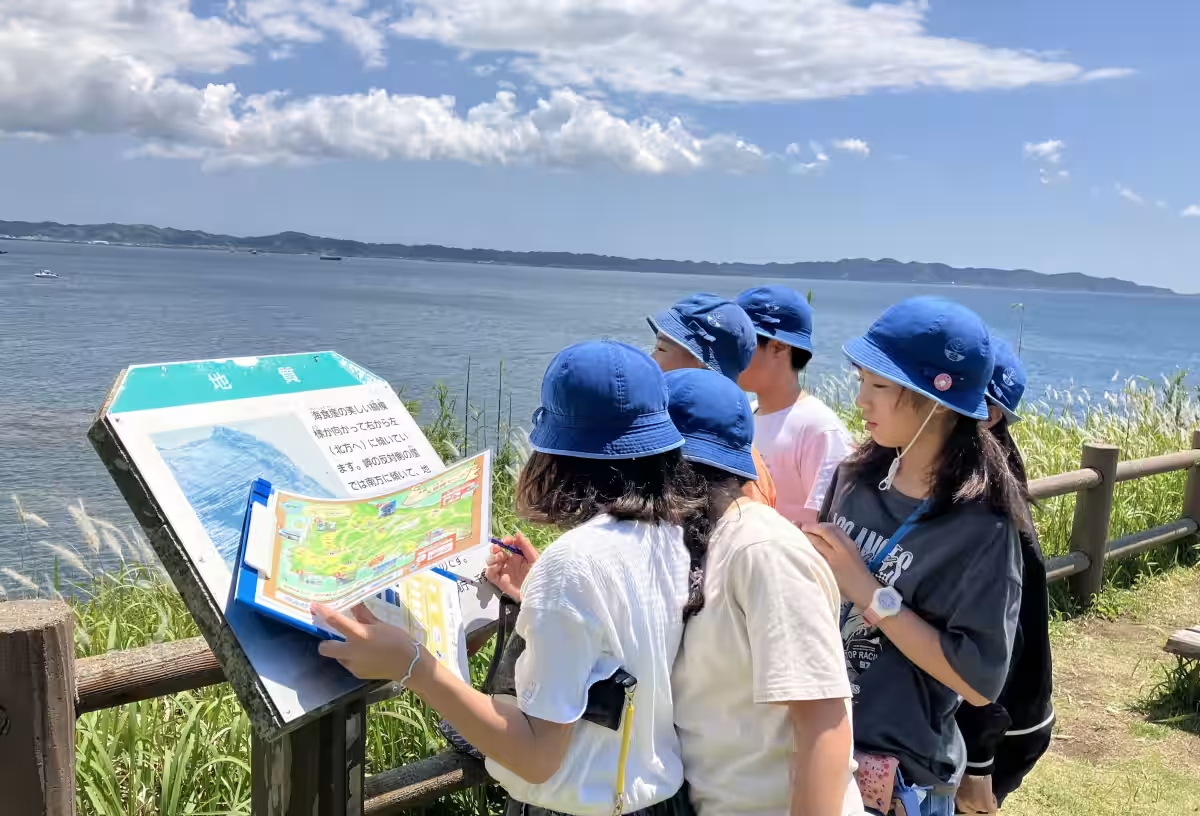
Held between March 26 and April 21, 2026, the training attracted approximately 141 teachers from five municipalities: Adachi, Meguro, Nerima, Shinjuku, and Kawasaki. The program consisted of five sessions, taking place at various coastal locations in Chiba Prefecture, including the Okitsu Ocean Park and Tomiura Fishing Port.
Schedule and Activities
The training included both theoretical instruction and hands-on activities:
- - Dates: March 26, April 13, April 16, April 17, and April 21, 2026.
- - Locations: Okitsu Swimming Beach, Mt. Ohbosu Nature House, Tomiura Fishing Port, among others in the southern Boso area.
- - Participants: About 141 teachers from the specified districts.
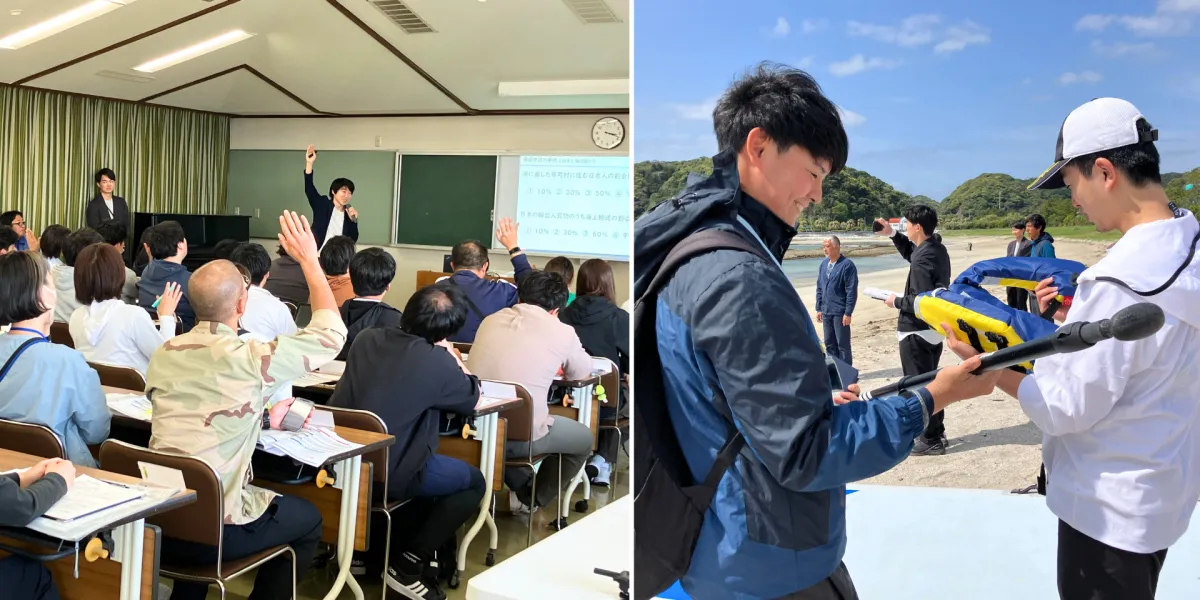
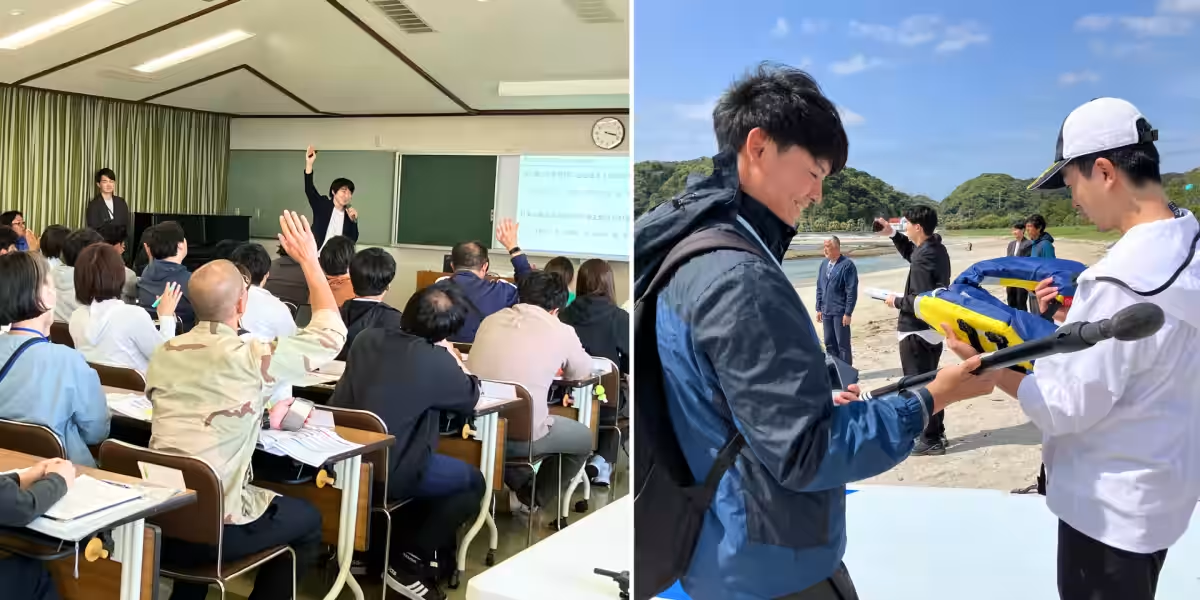
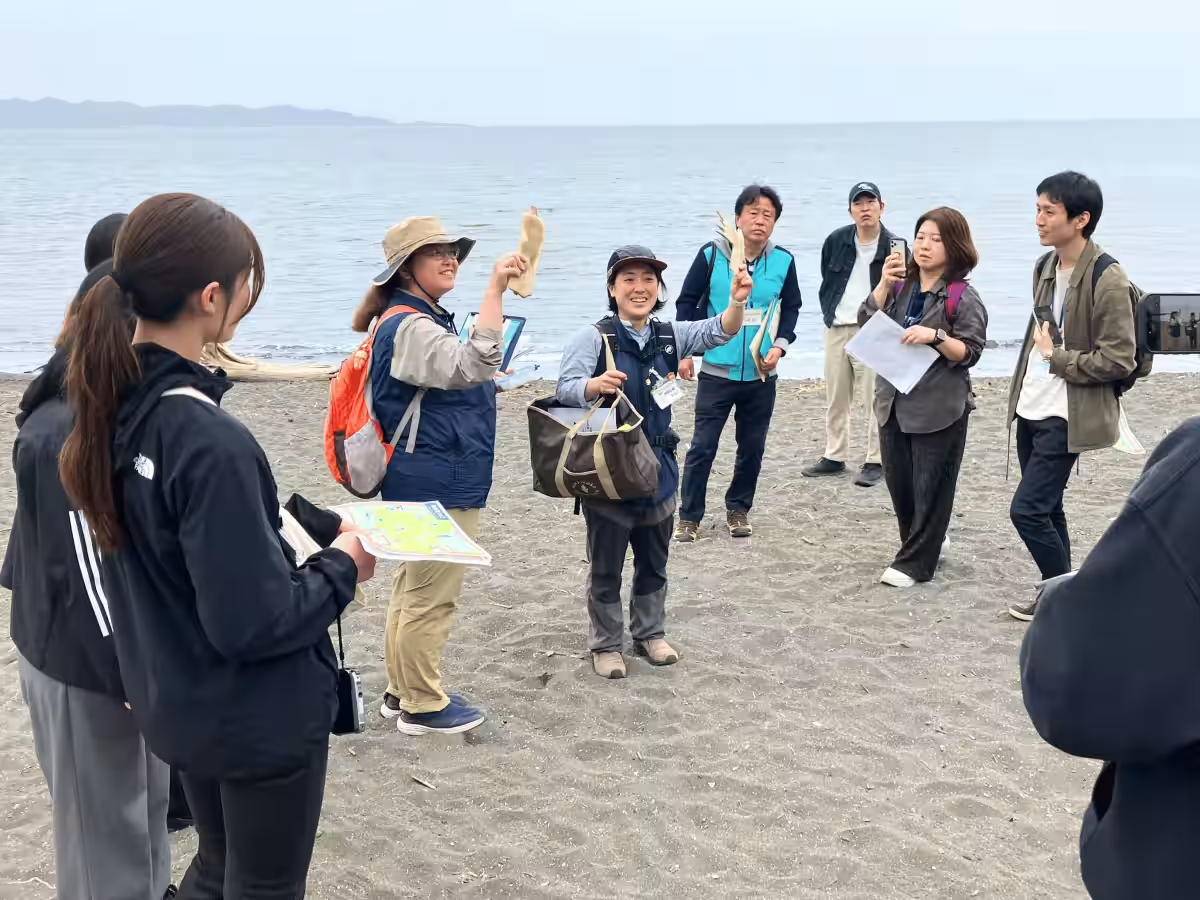
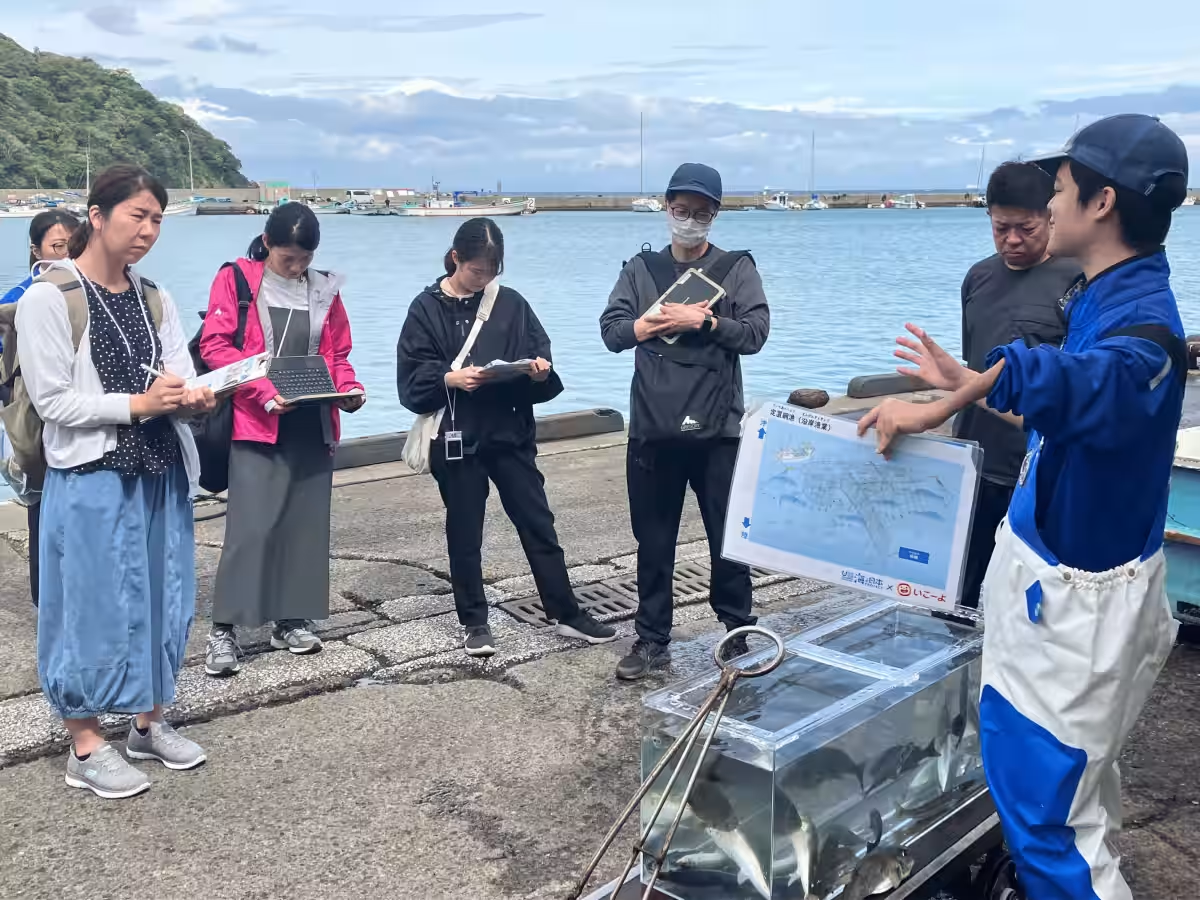
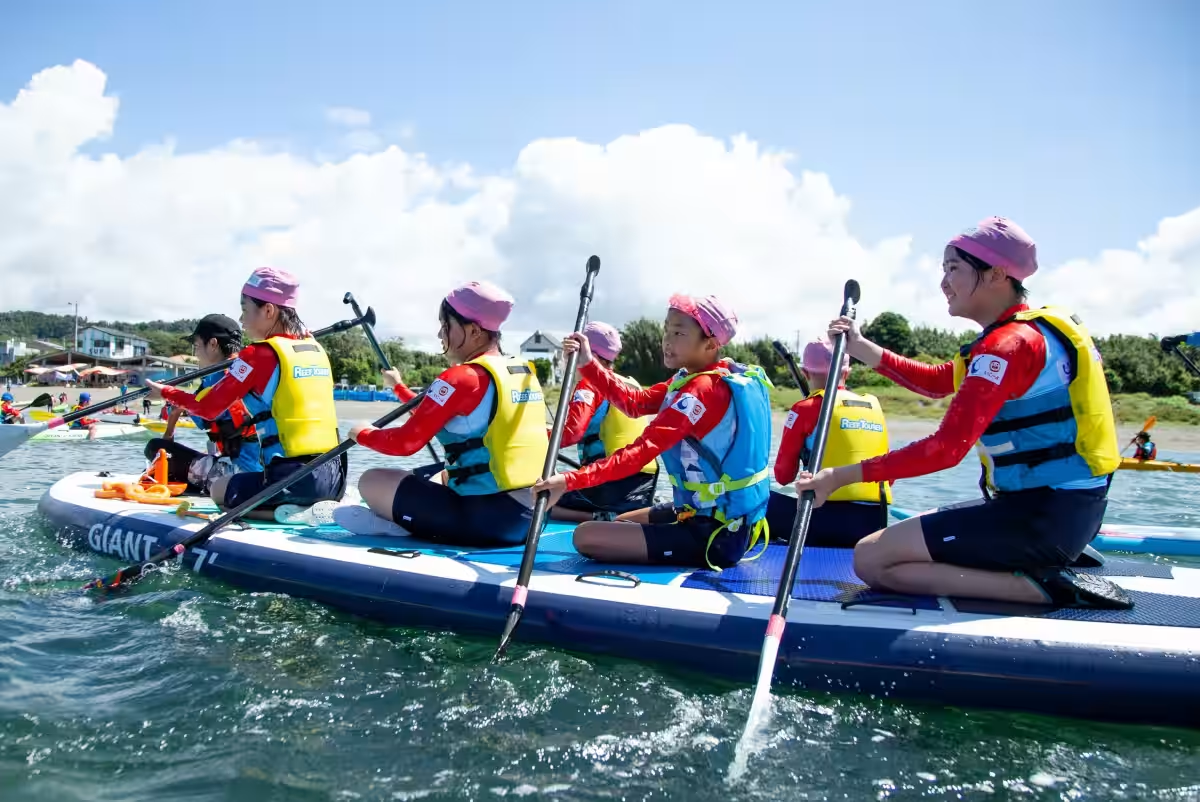
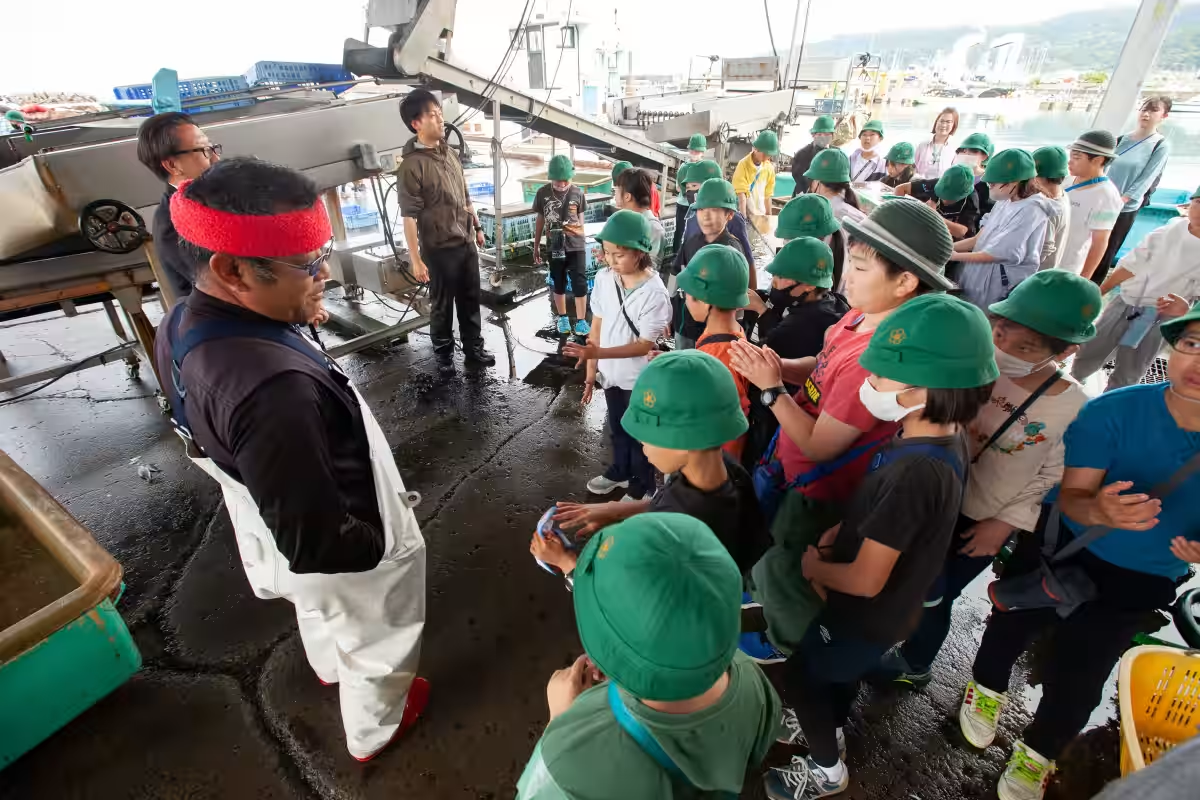
The curriculum featured classroom sessions on the connections between the sea and our lives, followed by practical beach activities such as beachcombing and learning the proper use of life jackets. Teachers were also able to gain insights into fishing practices, hands-on experiences with live fish, and bidding processes at local fish markets.
Engaging Learning Atmosphere
During the training sessions, an atmosphere of active learning and curiosity prevailed. The educators eagerly participated in discussions, exchanging ideas and questions as they delved into the various topics presented. During the beachcombing session, many teachers enthusiastically identified and cataloged different types of shells they found along the shore. At nearby fishing ports, they interacted with fresh catches and engaged in mock auction experiences, further deepening their understanding of maritime activities and ecosystems.
Insights from the Uminoko Classroom Project
The "Uminoko Classroom" is foundationally aimed at establishing meaningful connections between children and the marine environment. Given Japan's status as an island nation, the initiative strives to counter the declining opportunities for children to engage with the ocean firsthand. Factors such as parental workload and educational institutions' concerns about safety risks often deter children from experiencing the sea, particularly in urban areas.
As such, the project seeks to lower psychological barriers to marine experiences by collaborating with local governments and educational institutions. By normalizing marine education and experiential learning in curricula, it aims to create an environment where such activities are considered standard offerings in regular classes and school camps.
Looking Ahead: Upcoming Programs
The program's future initiatives, set to take place from May 2026 to around January 2027, aim to involve 48 schools and approximately 3,700 students. Planned activities include a variety of educational sessions focusing on marine safety, hands-on marine activities, and immersive experiences at fishing ports. With collaboration from local organizations, these programs are set to enrich students' educational experiences and foster a deeper appreciation for the ocean.
For additional insights and updates, visit the official Uminoko Classroom website and their Instagram page for real-time engagement and information sharing.
This concerted effort to enhance educators' knowledge and passion for marine environments signifies a robust step towards cultivating a generation of ocean-literate students in Japan, ensuring that future generations are better connected to their natural maritime heritage.

Topics Other)
【About Using Articles】
You can freely use the title and article content by linking to the page where the article is posted.
※ Images cannot be used.
【About Links】
Links are free to use.