



Understanding Insurance and Risk Management for Used Condominiums in Japan
Comprehensive Survey of Insurance and Risk Management for Used Condominiums
In January 2025, MEMOCO Inc. conducted a joint survey with Sumunara targeting 109 individuals who have purchased used condominiums in Japan. This survey sheds light on their understanding of insurance, including fire and earthquake coverage, as well as their awareness of disaster risks and earthquake performance.
Survey Overview
- - Survey Period: January 29, 2025 - November 7, 2025
- - Methodology: Online survey via crowdsourcing
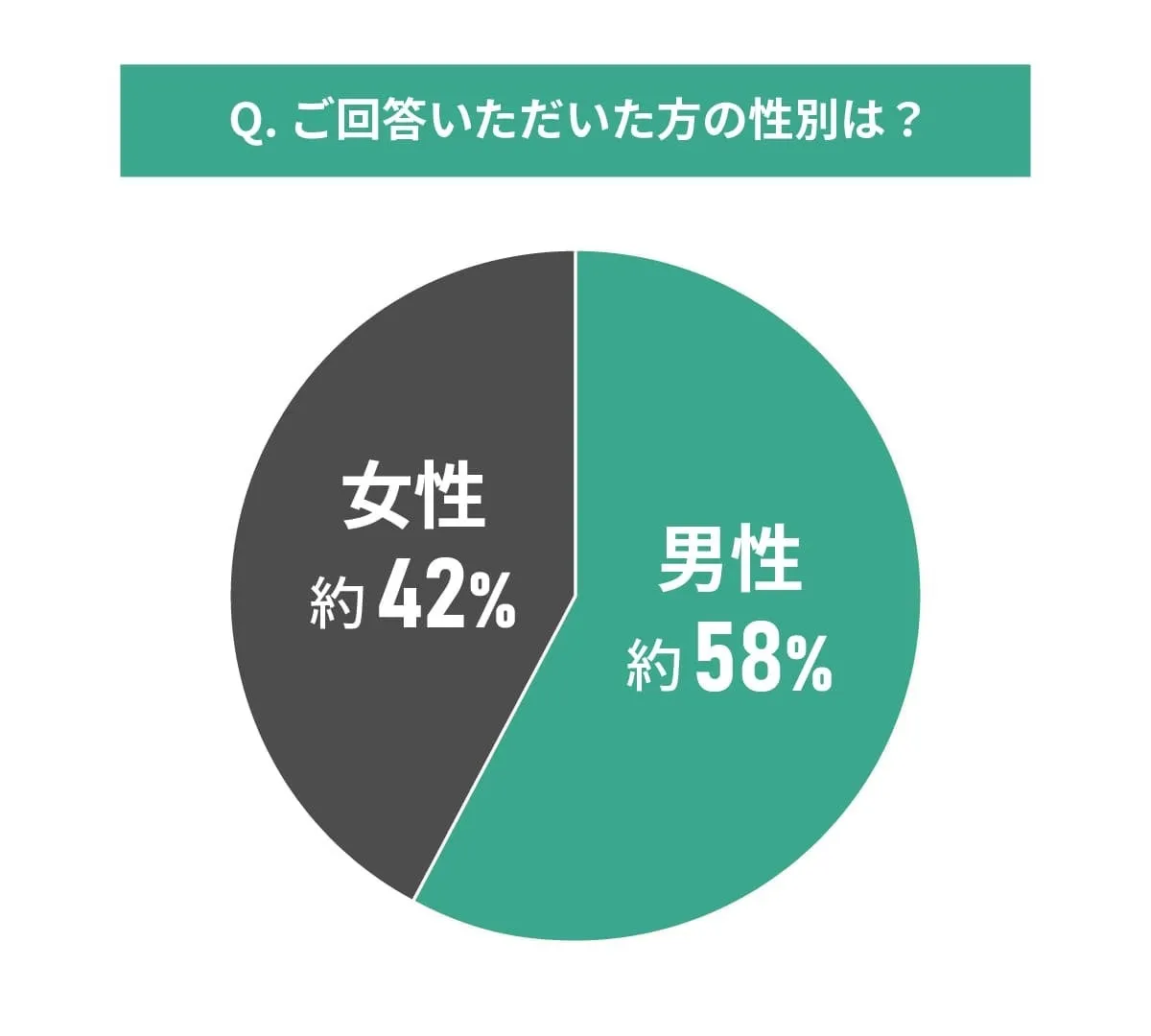
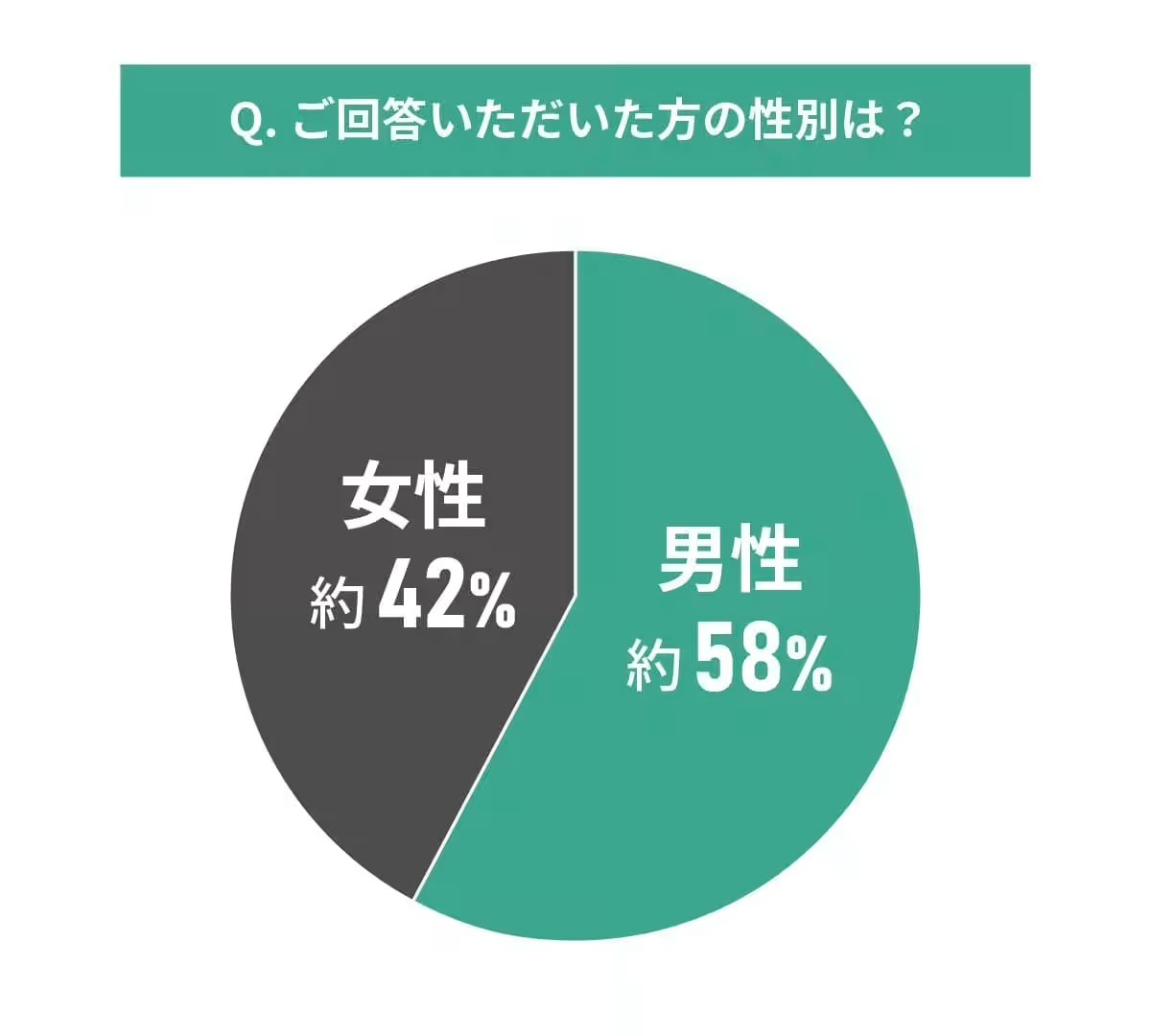
- - Participants: 109 respondents (63 males and 46 females)
Respondent Demographics
- - Gender Distribution:
- Female: 42%
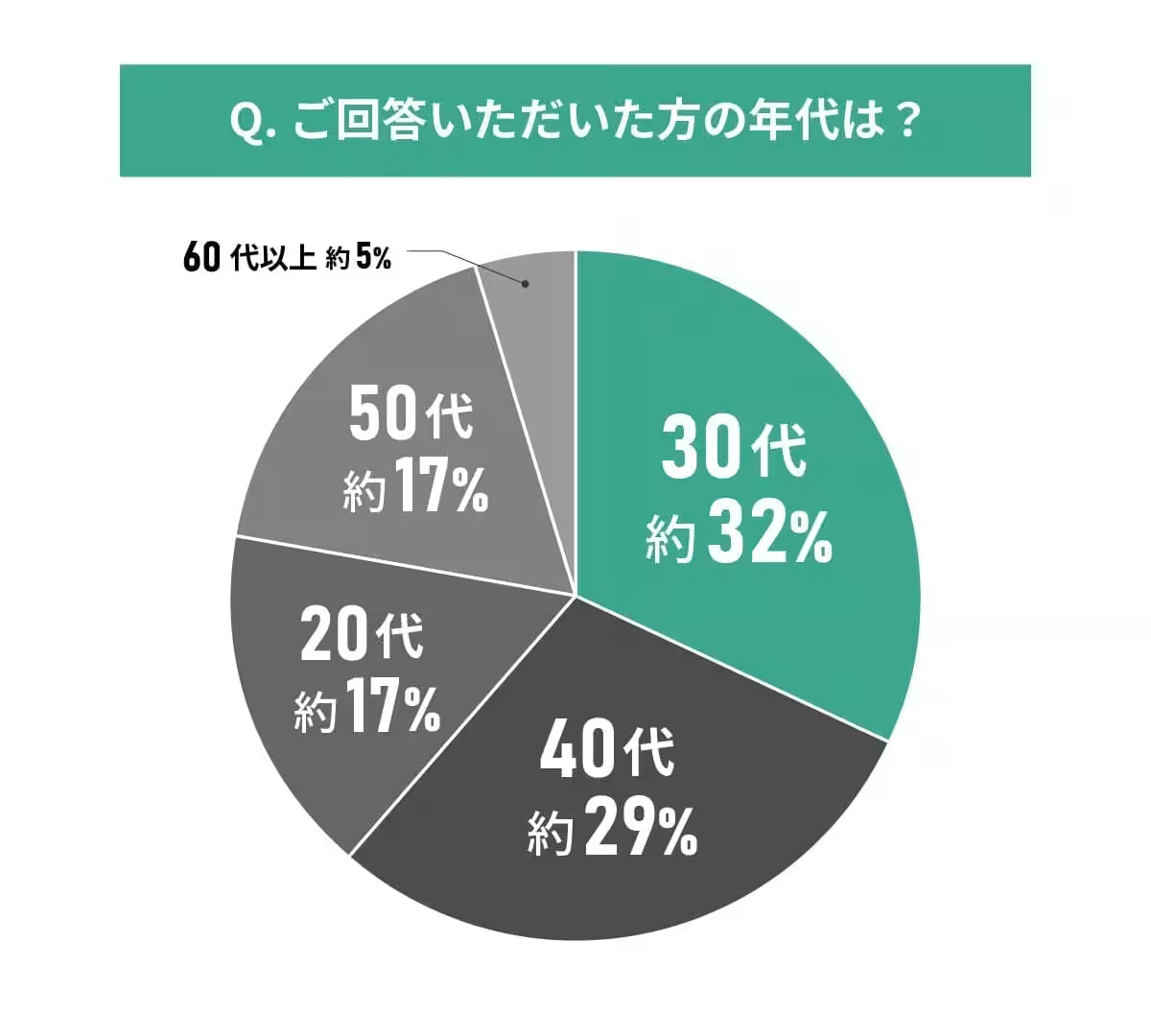
- - Age Group Distribution:
- 30s: 32%
- 40s: 29%
- 50s: 17%
- 60 and above: 5%
Insurance Enrollment Status
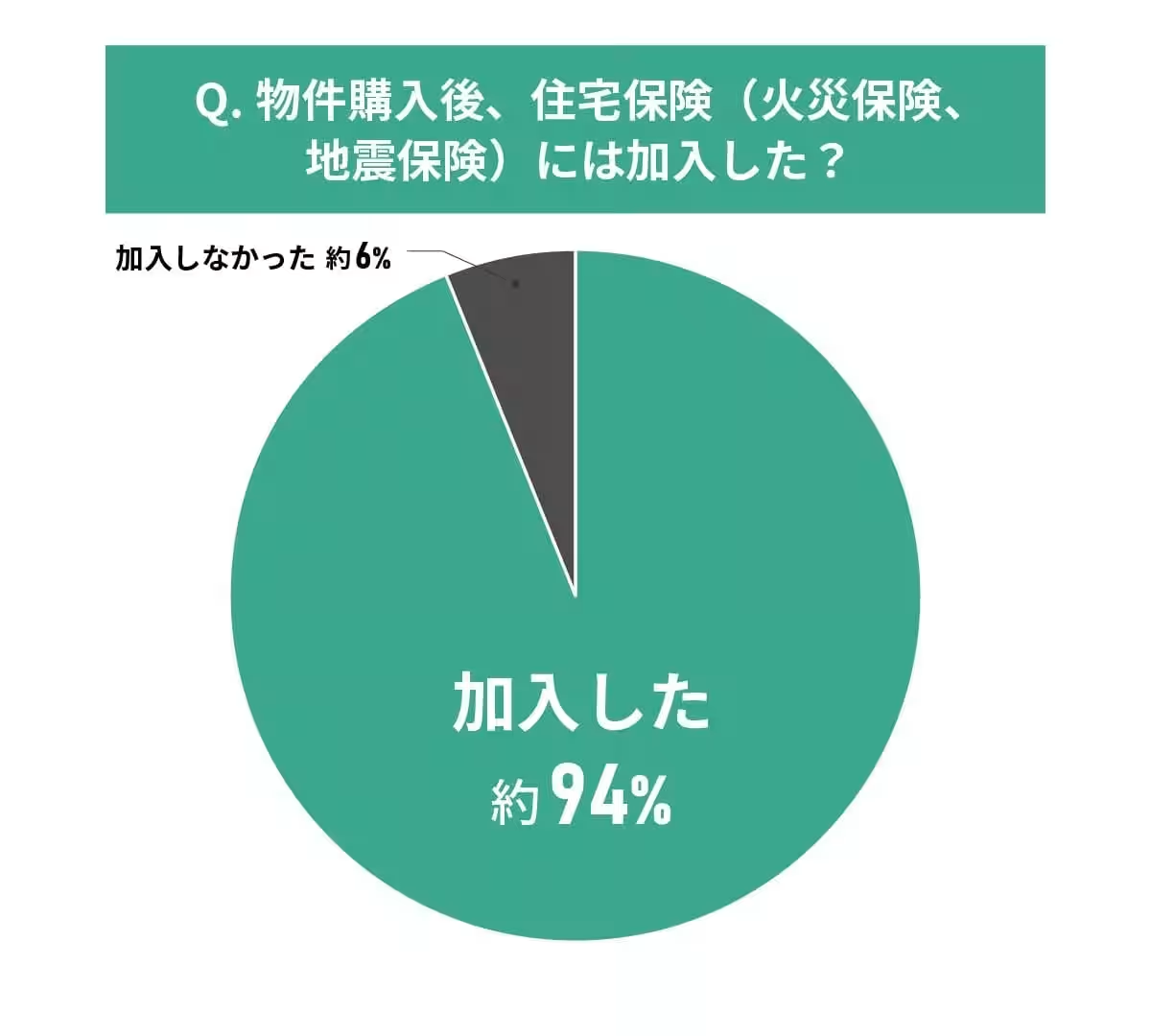
The survey revealed a remarkable 94% of respondents had secured housing insurance after purchasing their used condominiums, indicating a strong recognition of the need for insurance among buyers.
Reasons for Purchasing Insurance
An analysis of 102 respondents who purchased insurance highlighted several significant motives:
1. Preparation for the Unexpected: Many cited reasons such as “for emergencies” and “to prepare for potential disasters” as their primary motivations, showing a proactive approach to disaster preparedness, particularly regarding fire and earthquakes.
2. Obligatory Condition: A notable number indicated that purchasing insurance was not just a preference but a requirement linked to mortgage agreements, or strong recommendations from real estate agents.
3. Peace of Mind: Emotional factors play a role as many sought comfort from their investment in securing their homes.
4. Awareness of Earthquake Risks: Respondents also considered the prevalent earthquake risk in Japan, which contributed significantly to their decision to obtain coverage.
5. Encouragement from Others: Recommendations from family, friends, and real estate professionals influenced many buyers.
Conversely, 6% of respondents chose not to purchase insurance for various reasons:
- - Some believed it was unnecessary or had undervalued the potential risks.
- - Concerns about costs versus benefits deterred a few, while others were put off by the procedural complexities involved in obtaining coverage.
Awareness of Disaster Risks Associated with Purchased Condominiums
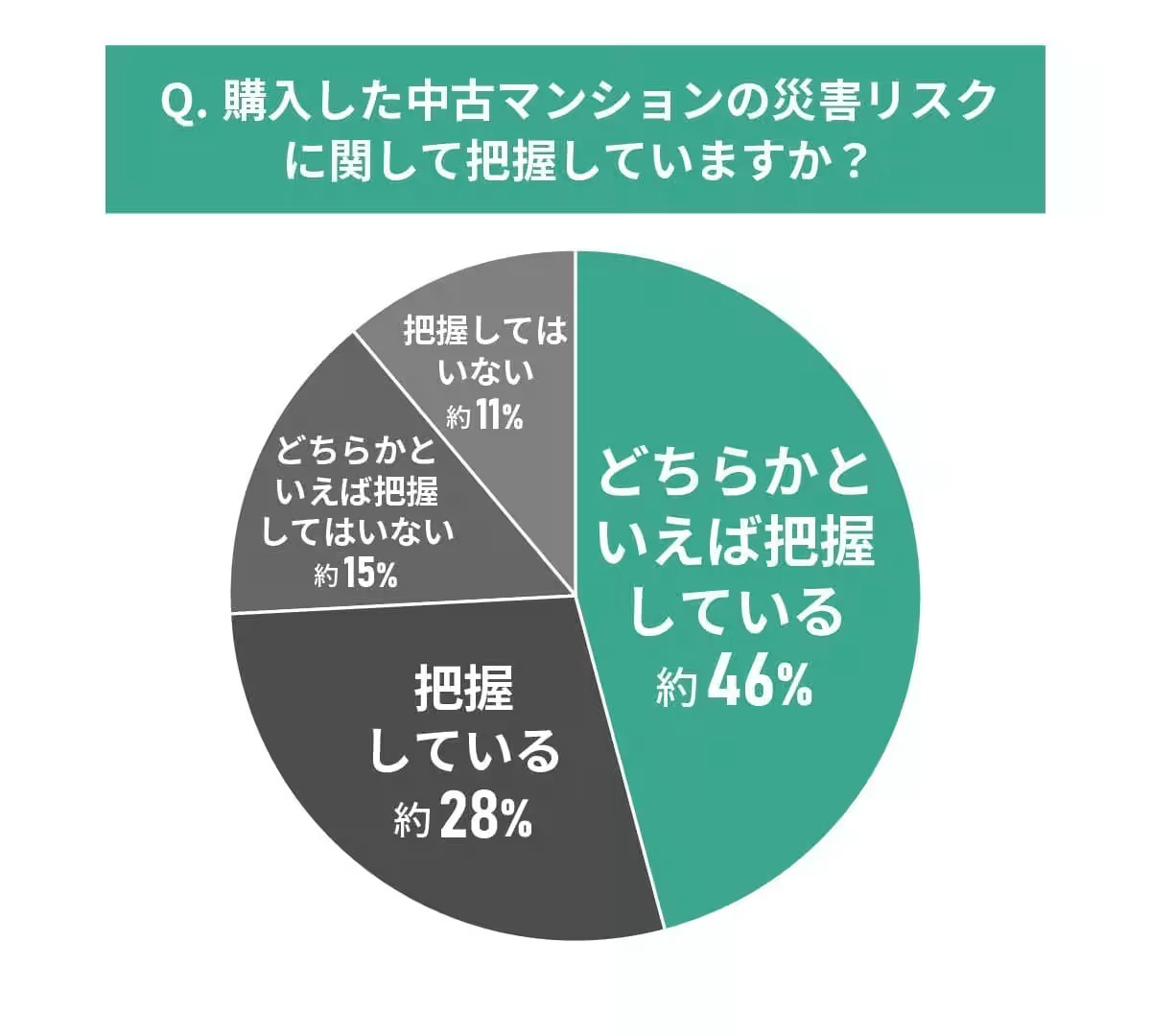
When asked how well they understood the disaster risks related to their purchased condominiums, the survey results illustrated:
- - 28% felt sufficiently informed, while 46% claimed they were somewhat aware.
- - About 26% either lacked understanding or felt uninformed regarding potential disaster risks.
This finding indicates that while a significant number of buyers have some level of awareness, many may not grasp the full scope of risks involved with their properties.
Awareness of Earthquake Resistance Performance
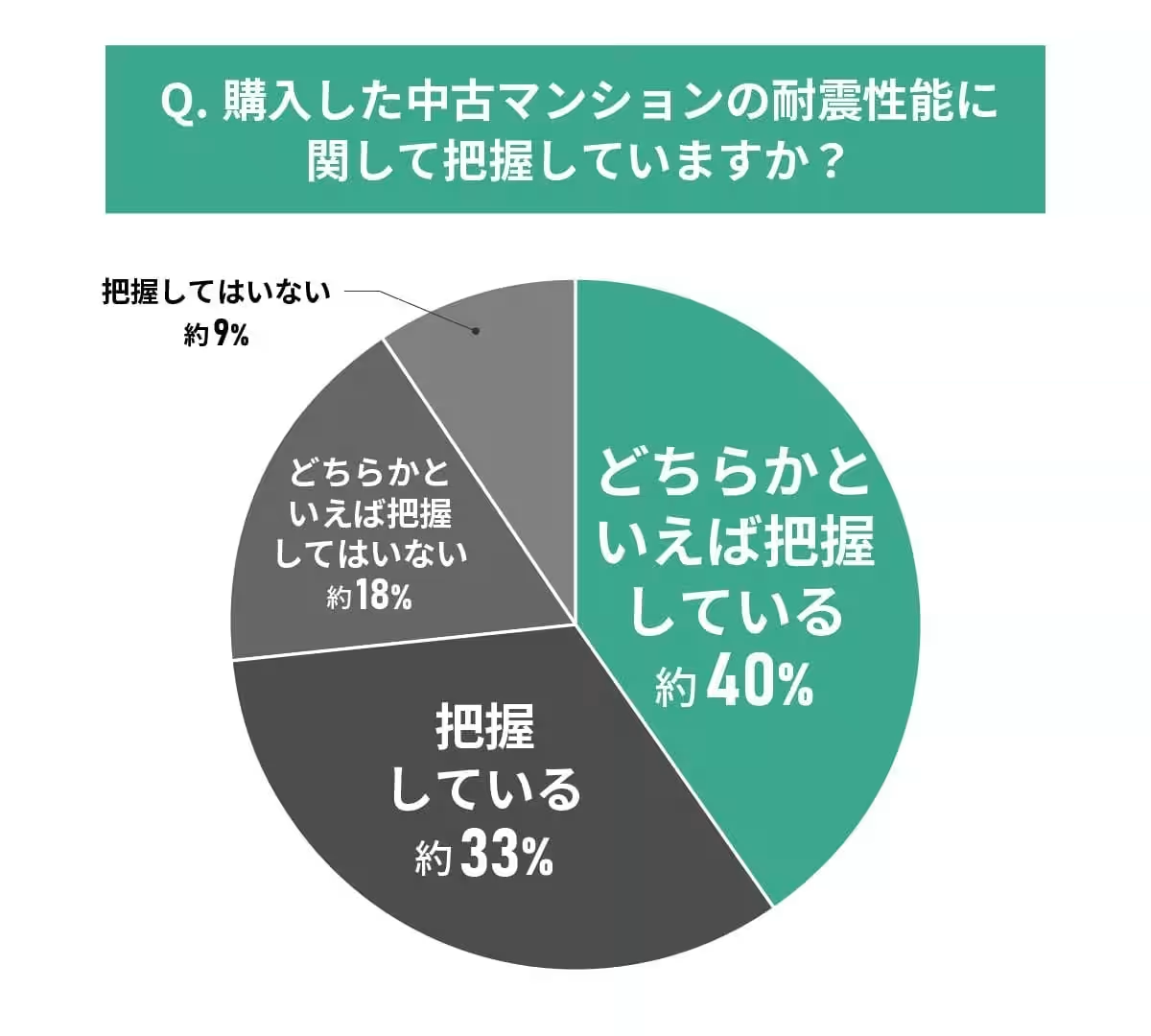
Respondents were also queried about their knowledge of their condominiums' earthquake resistance. The results demonstrated:
- - 33% confirmed their understanding, while 40% reported they were somewhat informed.
- - As with disaster risks, approximately 26% admitted to lacking sufficient knowledge.
Comparative Analysis of Risk Awareness
When comparing awareness of disaster risks and earthquake resistance:
- - The data shows a nearly identical distribution between the two, with respondents being almost equally invested in understanding both aspects. However, those who clearly understood earthquake performance (33%) slightly outnumber those who disclosed awareness of disaster risks (28%).
This suggests that clear indicators like building age may make assessing earthquake resistance slightly easier for buyers.
The Significance of Understanding Risk Factors
Grasping disaster risks is crucial for choosing appropriate insurance plans and setting the right coverage limits. Buyers aiming to secure properties in high-risk areas must consider fortified coverage, thus ensuring they are prepared for emergencies effectively.
Conclusion and Recommendations
The findings of this survey reveal dual aspects of concern: a high insurance enrollment rate among buyers juxtaposed with inadequacies in understanding disaster risks and building performance.
Advising Future Buyers:
1. Confirm Disaster Risks: Always check hazard maps before purchase.
2. Verify Earthquake Resistance: Ensure the property meets current construction standards.
3. Select Appropriate Insurance: Tailor insurance to specific risks and property value.
While used condominiums can offer affordability, proper awareness and understanding of associated risks are critical for long-term asset protection. These insights could greatly benefit prospective buyers navigating the complexities of the real estate market in Japan.
Topics Consumer Products & Retail)
【About Using Articles】
You can freely use the title and article content by linking to the page where the article is posted.
※ Images cannot be used.
【About Links】
Links are free to use.