



The Rise of Bitcoin Adoption Among Mid-Sized Companies in Japan
The Rise of Bitcoin Adoption Among Mid-Sized Companies in Japan
Overview of the Adoption Trends
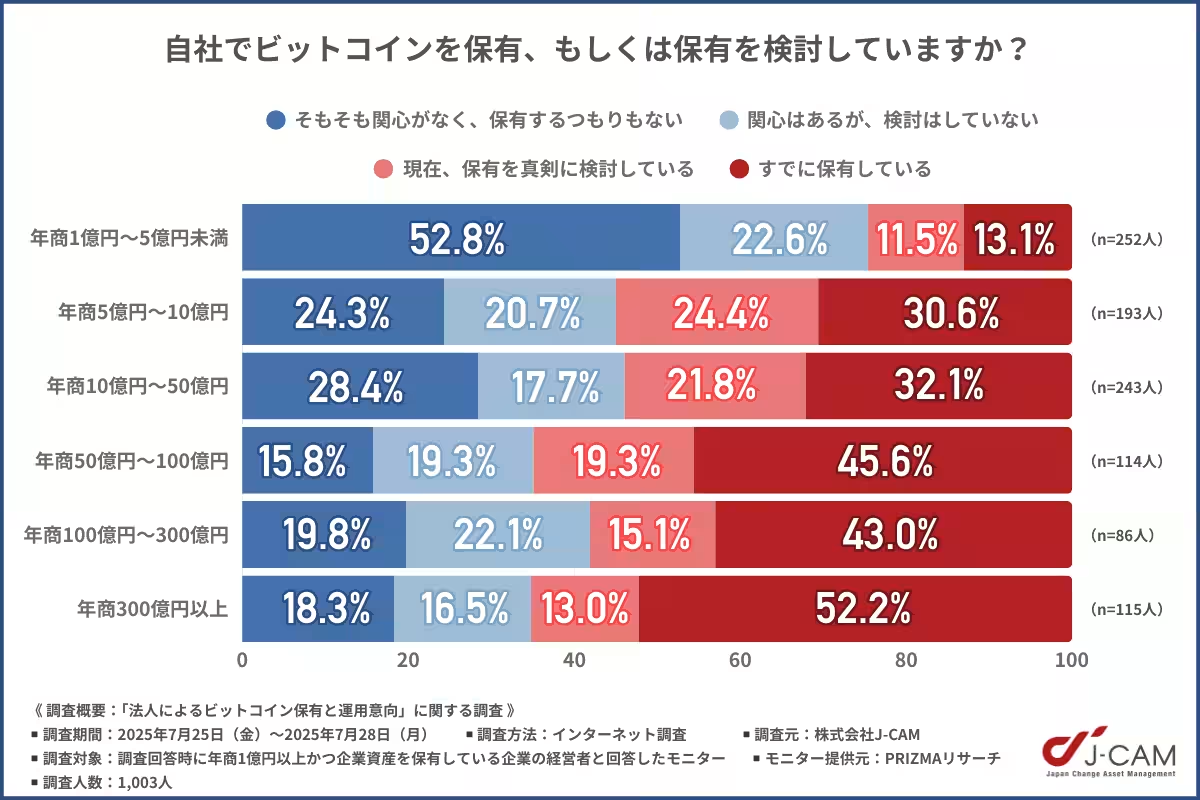
A recent survey conducted by J-CAM, a company running the services BitLending and Iolite, reveals a growing interest in Bitcoin among mid-sized firms in Japan. The study focused on companies with annual revenues exceeding 100 million yen, showing that over 52% of companies with revenues of 30 billion yen or more own Bitcoin. This statistic indicates a significant shift in asset management strategies as companies seek alternatives to traditional banking investments in the face of ongoing low interest rates.
With rising inflation concerns and the limitations of traditional investment vehicles, many companies are looking at Bitcoin as a viable option for diversifying their assets. However, some executives voice concerns, expressing uncertainty about how to begin and worries about the unique risks associated with cryptocurrencies.
The Survey Findings
J-CAM's survey, which took place from July 25 to July 28, 2025, surveyed 1,003 executives from companies with annual revenues of at least 100 million yen and financial assets. The research highlights significant insights:
- - The predominant asset management method remains bank deposits, but the interest in holding cryptocurrencies, including Bitcoin, is increasing as company revenues rise.
- - The most common concerns regarding asset management are inflation, difficulty in investing, and a lack of specialized knowledge.
- - Among companies with revenues exceeding 30 billion yen, over half reported holding Bitcoin.
- - The main reasons executives find Bitcoin beneficial include its effectiveness for diversification, portfolio optimization, increased profits, and as a hedge against inflation.
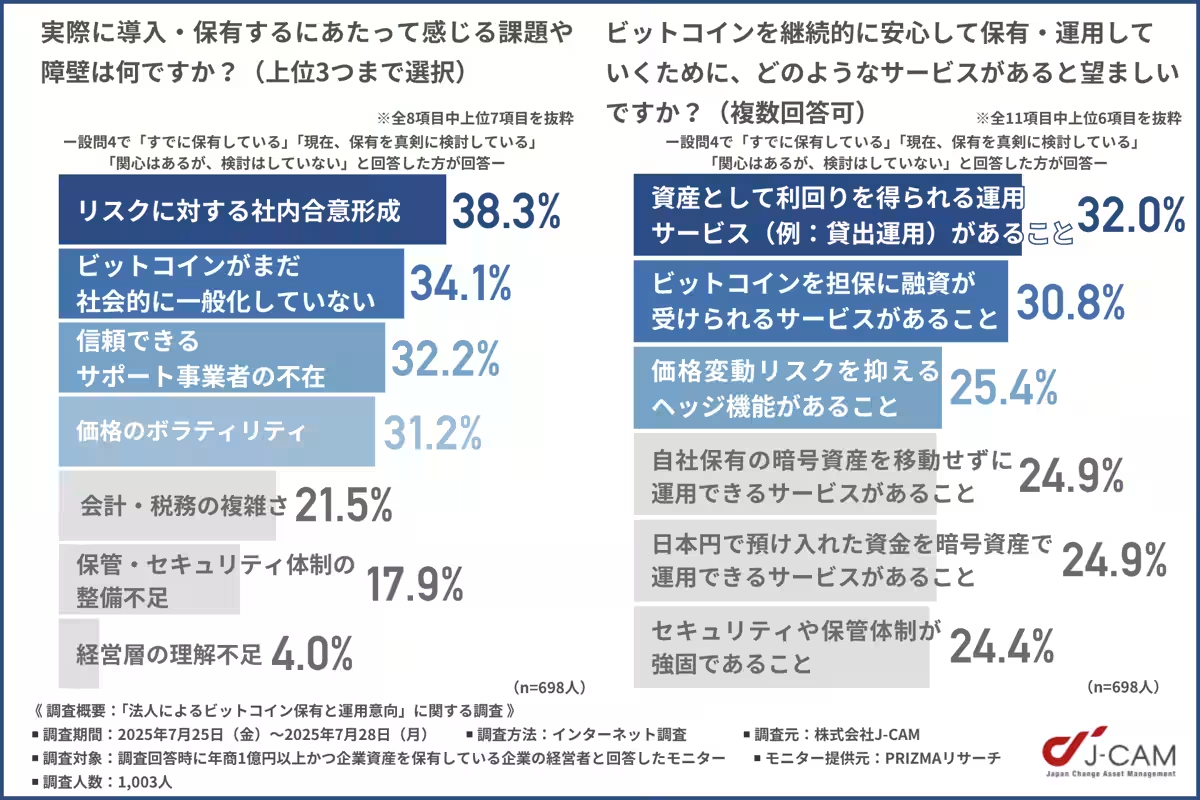
- - Key challenges for adoption include internal consensus and concerns regarding market maturity.
- - Desired support services for ongoing management include yield assurance, lending solutions, and risk hedging.
Current Asset Management Practices
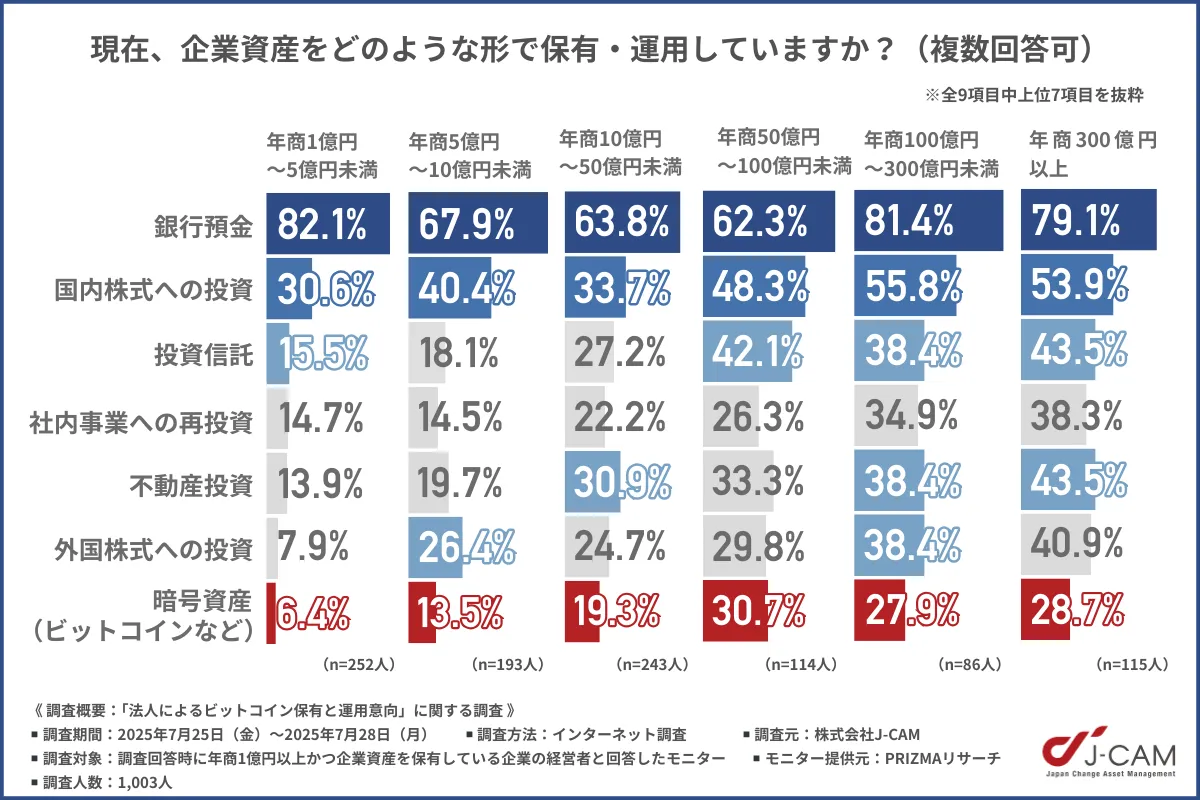
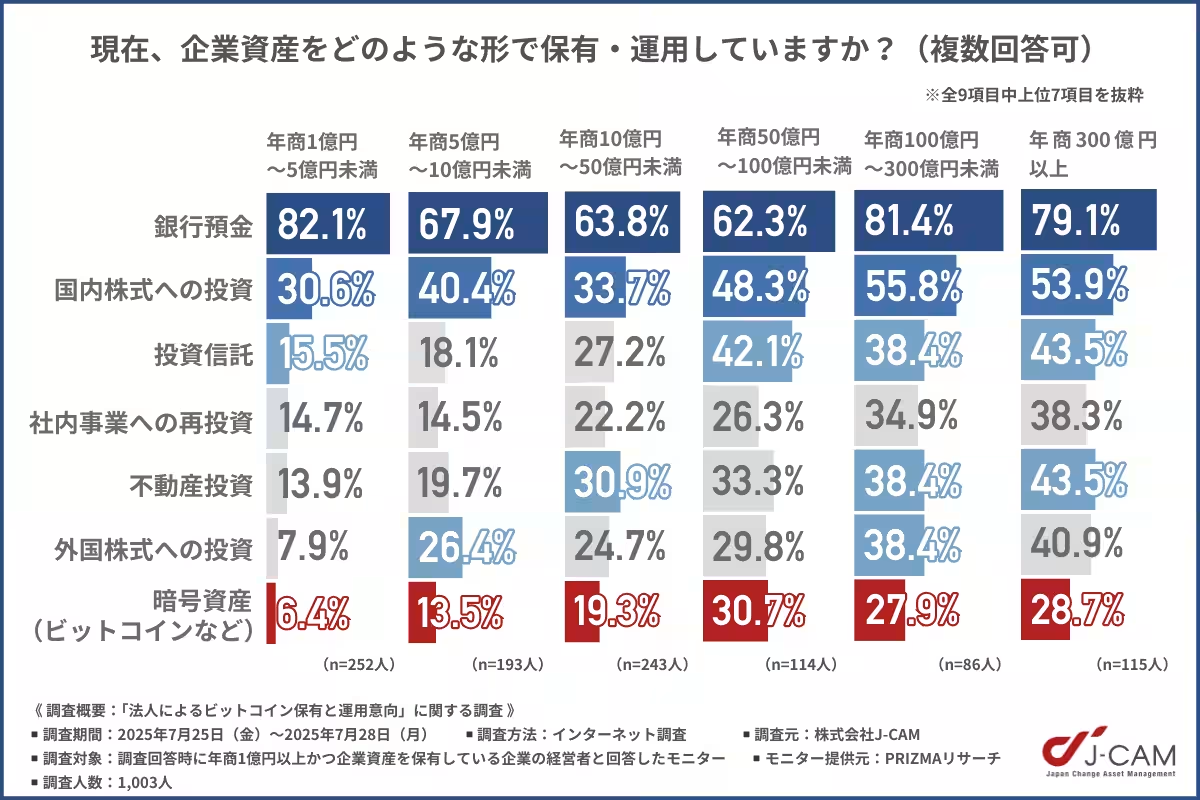
According to the survey, when asked how assets are currently managed, most respondents pointed to bank deposits as their primary investment, particularly strong among companies with revenues between 100 million and 500 million yen, where 82.1% hold cash reserves. Conventional methods like domestic stock investments and mutual funds remain popular, reflecting a cautious approach to asset management.
Conversely, interest in cryptocurrencies rises with company size. For instance, only 6.4% of companies with revenues between 100 million and 500 million yen reported holding cryptocurrencies, while the percentage climbs to 28.7% among companies with revenues exceeding 30 billion yen.
This shift suggests larger companies are more inclined to integrate cryptocurrencies into their investment strategies as the market develops. The survey indicates a growing recognition of Bitcoin as a legitimate component of asset diversification, particularly amidst inflation risks.
Perceptions of Bitcoin
The survey reveals an intriguing picture of how companies perceive Bitcoin. For smaller firms (under 500 million yen), a decently large percentage, around 52.8%, show no interest in investing in Bitcoin. However, among companies with revenues of 5 billion yen and above, ownership or serious consideration of Bitcoin is notably higher than in the lower revenue brackets, with over 40% of firms in this segment already owning Bitcoin or considering its acquisition.
The findings convey that larger firms are effectively leveraging Bitcoin as part of their investment strategies. Furthermore, a significant number of executives are considering Bitcoin for their portfolios due to its promising potential, which could encourage faster adoption among mid-sized firms moving forward.
Barriers to Adoption
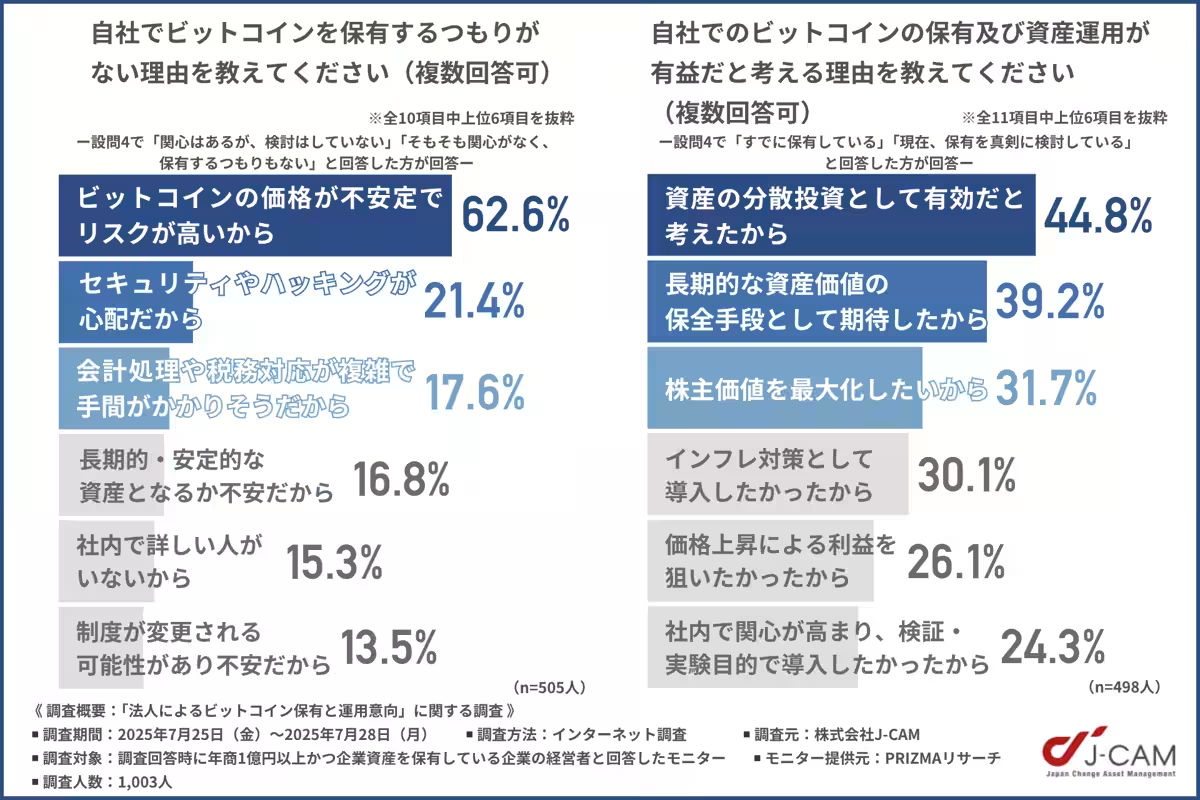
Despite the positive outlook for Bitcoin adoption, significant barriers persist. Many executives express concern over Bitcoin’s price volatility—62.6% identify it as the main reason for avoiding investment. Additionally, worries about security, hacking, and the complexities of accounting and tax-related issues also deter investment, indicating a need for better education and resources.
The Benefits of Holding Bitcoin
For those who have adopted or are considering Bitcoin, the outlook remains optimistic. Executives cite reasons such as diversification, long-term asset value protection, and maximizing shareholder value as key motivators behind their decision. Some noted that they’ve experienced substantial benefits since incorporating Bitcoin into their asset management, highlighting improvements in portfolio optimization and overall asset appreciation.
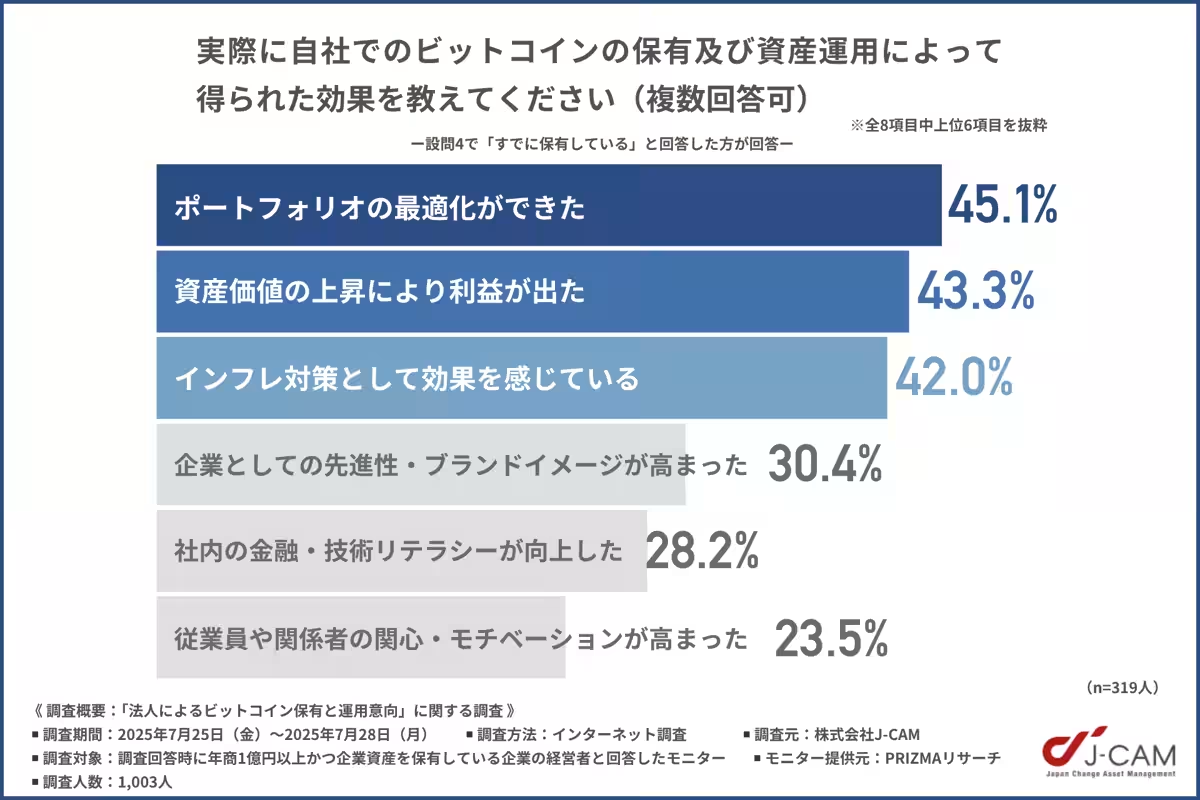
Over 45% specifically noted that they successfully optimized their portfolios by holding Bitcoin. This showcases that businesses not only see financial rationale in Bitcoin holdings, but they also leverage this asset as a progressive signal within their operational frameworks, further enhancing their brand value.
Conclusion
The findings of J-CAM's survey reveal a burgeoning environment for cryptocurrency adoption in Japan's corporate sector, where Bitcoin is viewed increasingly as a valuable asset. Companies are beginning to recognize its potential to address not just immediate financial needs but also long-term strategic goals. However, barriers remain, particularly in the areas of internal consensus and a lack of trusted support services, which could impede broader acceptance. The evolving landscape indicates that while Bitcoin’s adoption is gaining momentum, significant foundational aspects of corporate governance and market infrastructure must still catch up to facilitate its widespread use.
Future Directions
Moving forward, it will be critical for organizations to establish robust internal structures to support cryptocurrency operations, alongside the essential development of regulatory frameworks that can further legitimize and streamline Bitcoin’s status within the corporate financial ecosystem.

Topics Business Technology)
【About Using Articles】
You can freely use the title and article content by linking to the page where the article is posted.
※ Images cannot be used.
【About Links】
Links are free to use.