


T2 and Mitsubishi Estate Innovate with Autonomous Truck Logistics Test
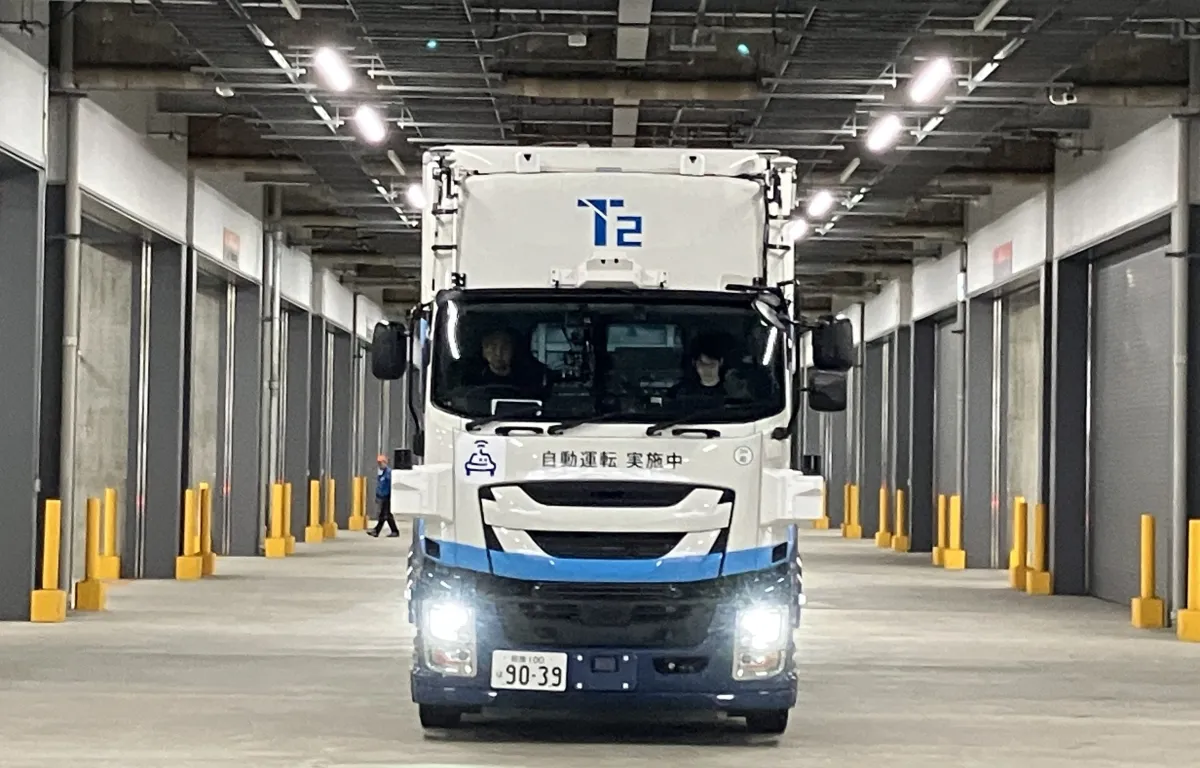
In a significant step towards revolutionizing logistics, T2, based in Chiyoda, Tokyo, and Mitsubishi Estate, also from Chiyoda, have embarked on Japan's first-ever test of autonomous truck operation within a logistics facility. With the aim of achieving Level 4 autonomy by 2027, this innovative project commenced in July 2025 at the Tokyo Distribution Center in Ota Ward, Tokyo, and will run until September of this year. The test focuses on verifying the effectiveness of technologies crucial for internal building operations.
The two companies have identified a new generation of core logistics facilities that connect directly to expressway interchanges in major urban areas across Japan as a base for operating T2’s Level 4 autonomous trucks. The challenge of enabling trucks to navigate within buildings has often been seen as technically demanding. Achieving this would allow for the transportation of goods between different loading bays (or “burases”) without human drivers present, facilitating smoother and more efficient logistics operations.
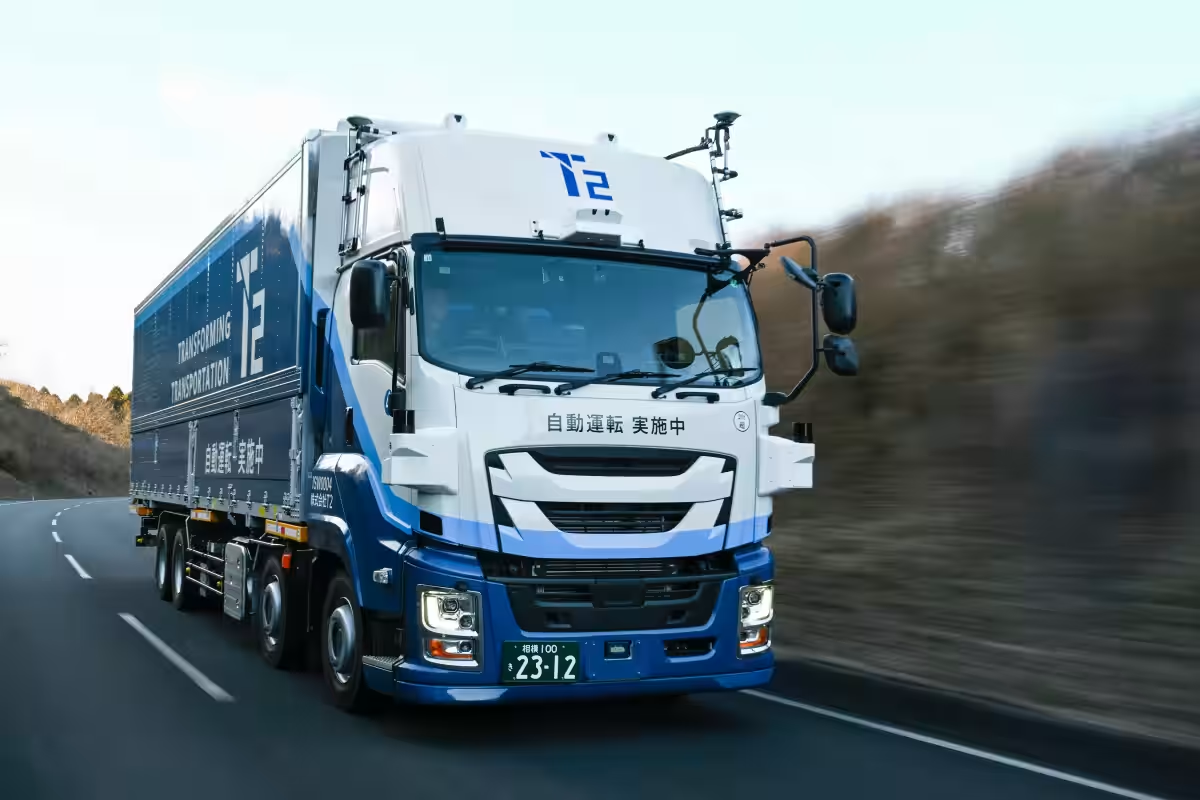
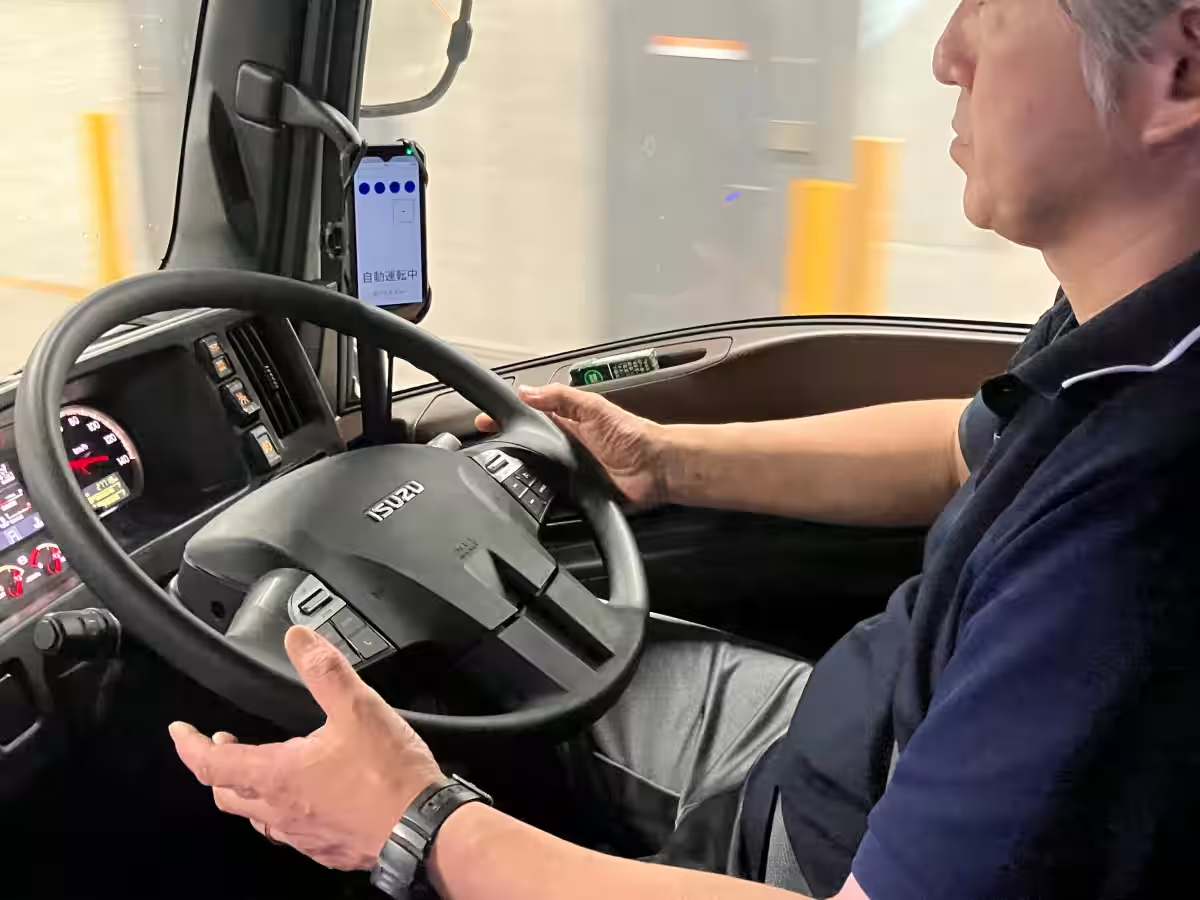
In light of the growing crisis in logistics due to the expected driver shortage referred to as the "2024 Problem," T2 has been actively working on Level 4 autonomous trucks that do not require a driver on board for trunk transportation. As part of this initiative, since July this year, they have also been running commercial operations utilizing Level 2 autonomous trucks where the driver does not need to hold the steering wheel, thus gradually making strides toward their level 4 goal.
Mitsubishi Estate is enhancing these efforts by developing core logistics facilities in Kyoto, Sendai, and Yokohama that are geared towards integrating next-generation mobility solutions including Level 4 autonomous trucks and double articulated trucks. The overarching mission is to contribute to improved logistics efficiency through the adaptation of these groundbreaking transport technologies.
Based on a capital and business partnership formed in June 2023, both companies believe that successfully facilitating driverless truck operations within logistics facilities, as well as on highways, could enhance seamless transportation and lead to a significant reduction in manpower. They are actively pursuing technological development to establish environments where Level 4 autonomous trucks can comfortably operate within buildings, which is why they have initiated this important demonstration.
Following this trial, the future aim is to merge T2’s Level 4 autonomous trucking technology with the core logistics facilities developed by Mitsubishi Estate. This initiative is set to challenge notions of sustainable logistics while aiming to minimize the environmental impact through efficient delivery solutions.
This test marks the advancement of logistics technology, particularly as the journey for autonomous trucks involves estimating vehicle positioning using Global Navigation Satellite System (GNSS) data which can struggle within building confines. To address this, the demonstration will leverage high-precision 3D data from the logistics facility alongside LiDAR information that estimates distances and shapes to validate whether internal navigation is technologically feasible.
The testing is set to unfold in phases, with the first stage occurring from July to September this year, utilizing Level 2 autonomous trucks for straight driving on the same floor. The next phase planned for 2026 will test multi-floor operations incorporating ramps and assess operational efficiencies at loading bays. The ultimate goal remains the successful implementation of these advanced technologies in Mitsubishi Estate's core logistics facilities.
The collaborative efforts between T2, Mitsubishi Estate, and Mitsubishi Estate Design as they explore the unique technologies involved in autonomous indoor navigation are further supported by ongoing patent applications pertaining to this innovative transport method.
This groundbreaking initiative not only represents advances in technology but also positions both T2 and Mitsubishi Estate at the forefront of logistics innovation in Japan, marking a meaningful stride towards autonomous solutions that could transform the industry.
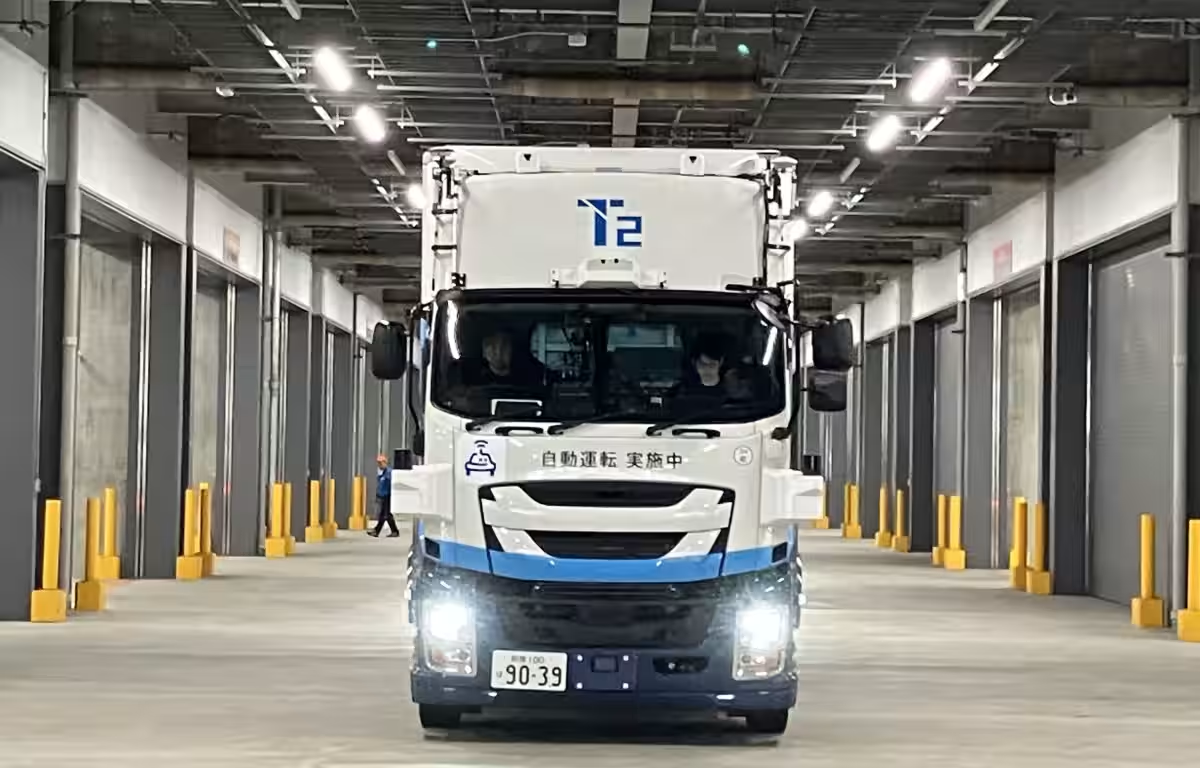
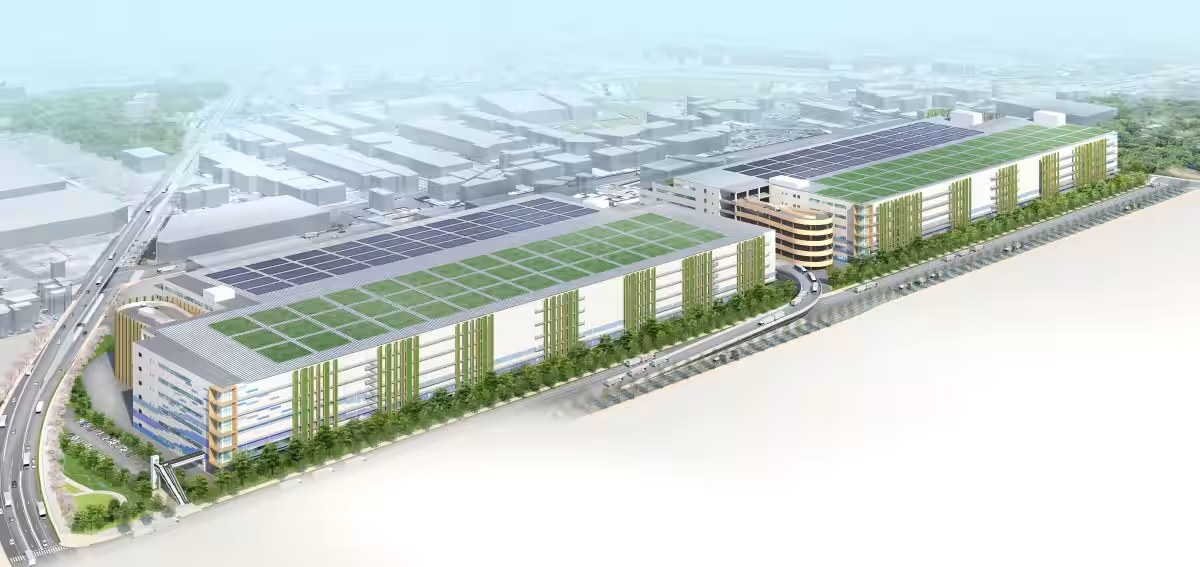
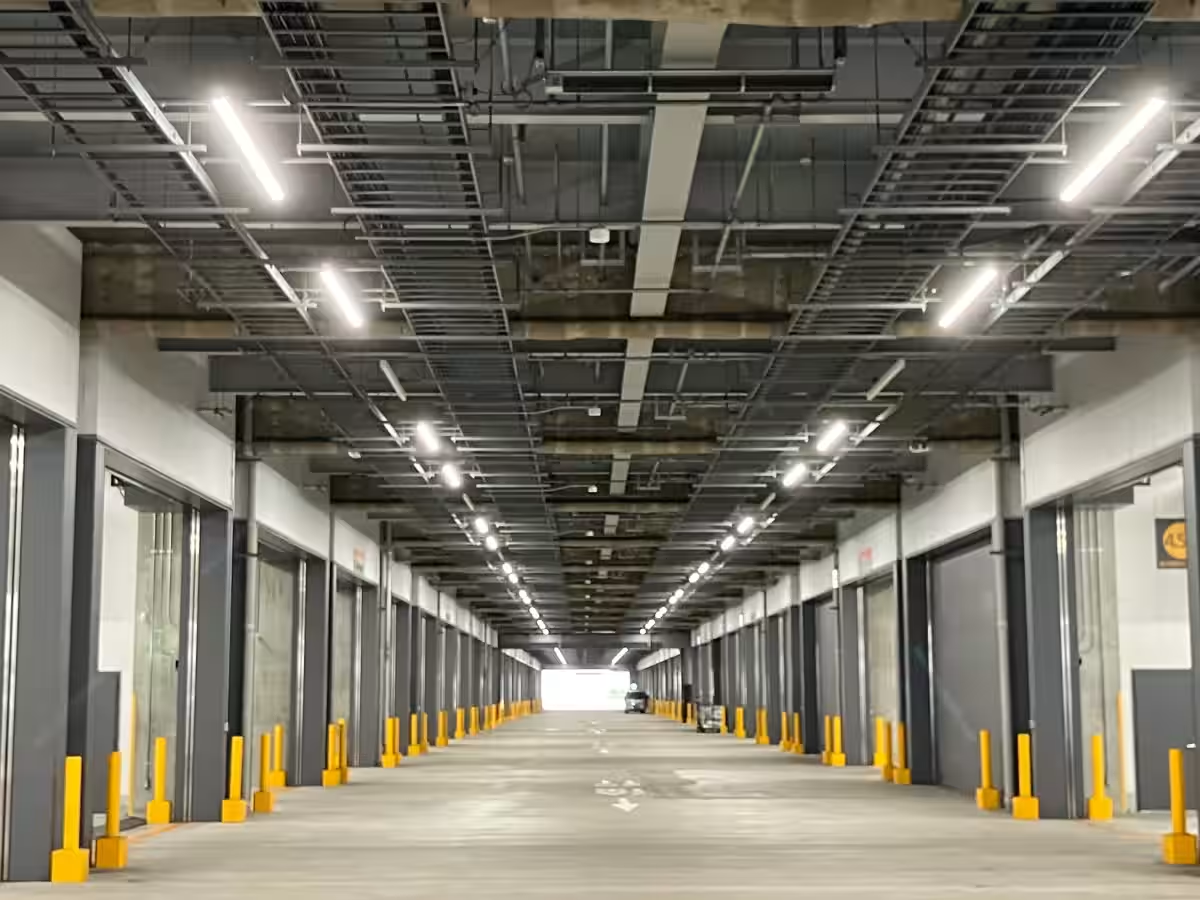

The two companies have identified a new generation of core logistics facilities that connect directly to expressway interchanges in major urban areas across Japan as a base for operating T2’s Level 4 autonomous trucks. The challenge of enabling trucks to navigate within buildings has often been seen as technically demanding. Achieving this would allow for the transportation of goods between different loading bays (or “burases”) without human drivers present, facilitating smoother and more efficient logistics operations.
In light of the growing crisis in logistics due to the expected driver shortage referred to as the "2024 Problem," T2 has been actively working on Level 4 autonomous trucks that do not require a driver on board for trunk transportation. As part of this initiative, since July this year, they have also been running commercial operations utilizing Level 2 autonomous trucks where the driver does not need to hold the steering wheel, thus gradually making strides toward their level 4 goal.
Mitsubishi Estate is enhancing these efforts by developing core logistics facilities in Kyoto, Sendai, and Yokohama that are geared towards integrating next-generation mobility solutions including Level 4 autonomous trucks and double articulated trucks. The overarching mission is to contribute to improved logistics efficiency through the adaptation of these groundbreaking transport technologies.
Based on a capital and business partnership formed in June 2023, both companies believe that successfully facilitating driverless truck operations within logistics facilities, as well as on highways, could enhance seamless transportation and lead to a significant reduction in manpower. They are actively pursuing technological development to establish environments where Level 4 autonomous trucks can comfortably operate within buildings, which is why they have initiated this important demonstration.
Following this trial, the future aim is to merge T2’s Level 4 autonomous trucking technology with the core logistics facilities developed by Mitsubishi Estate. This initiative is set to challenge notions of sustainable logistics while aiming to minimize the environmental impact through efficient delivery solutions.
This test marks the advancement of logistics technology, particularly as the journey for autonomous trucks involves estimating vehicle positioning using Global Navigation Satellite System (GNSS) data which can struggle within building confines. To address this, the demonstration will leverage high-precision 3D data from the logistics facility alongside LiDAR information that estimates distances and shapes to validate whether internal navigation is technologically feasible.
The testing is set to unfold in phases, with the first stage occurring from July to September this year, utilizing Level 2 autonomous trucks for straight driving on the same floor. The next phase planned for 2026 will test multi-floor operations incorporating ramps and assess operational efficiencies at loading bays. The ultimate goal remains the successful implementation of these advanced technologies in Mitsubishi Estate's core logistics facilities.
The collaborative efforts between T2, Mitsubishi Estate, and Mitsubishi Estate Design as they explore the unique technologies involved in autonomous indoor navigation are further supported by ongoing patent applications pertaining to this innovative transport method.
This groundbreaking initiative not only represents advances in technology but also positions both T2 and Mitsubishi Estate at the forefront of logistics innovation in Japan, marking a meaningful stride towards autonomous solutions that could transform the industry.
Topics Consumer Products & Retail)

【About Using Articles】
You can freely use the title and article content by linking to the page where the article is posted.
※ Images cannot be used.
【About Links】
Links are free to use.