



Freezing Vegetables: A Modern Solution to Food Waste Crisis
Tackling Food Waste with Frozen Vegetables
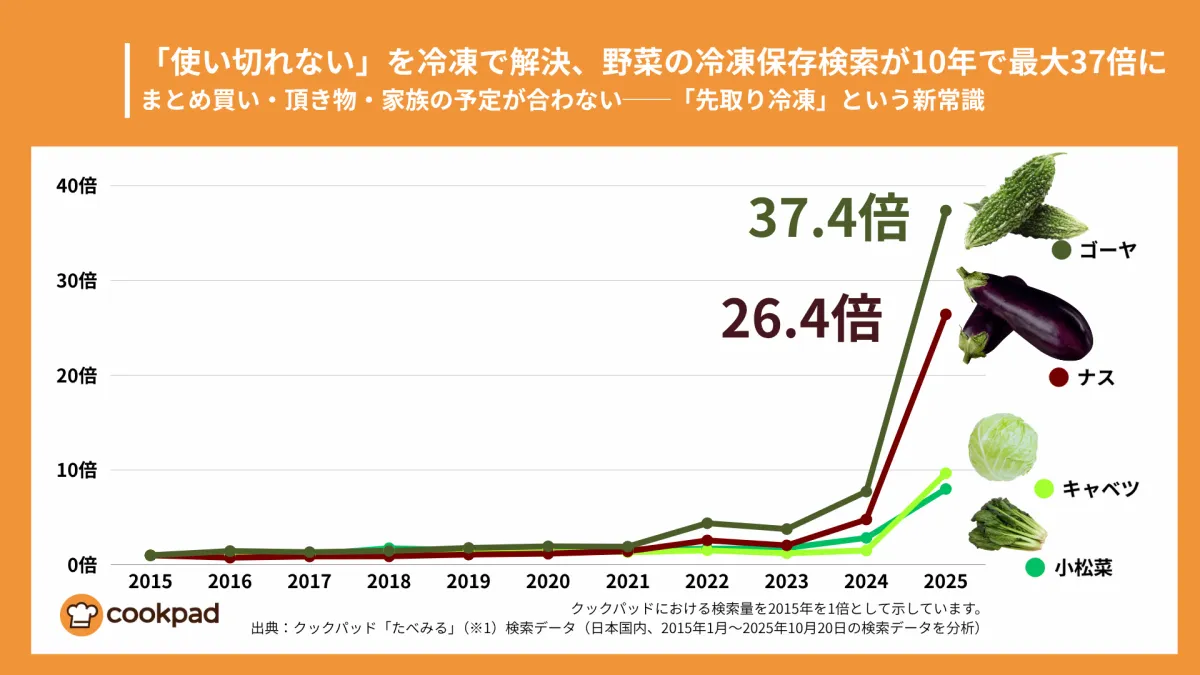
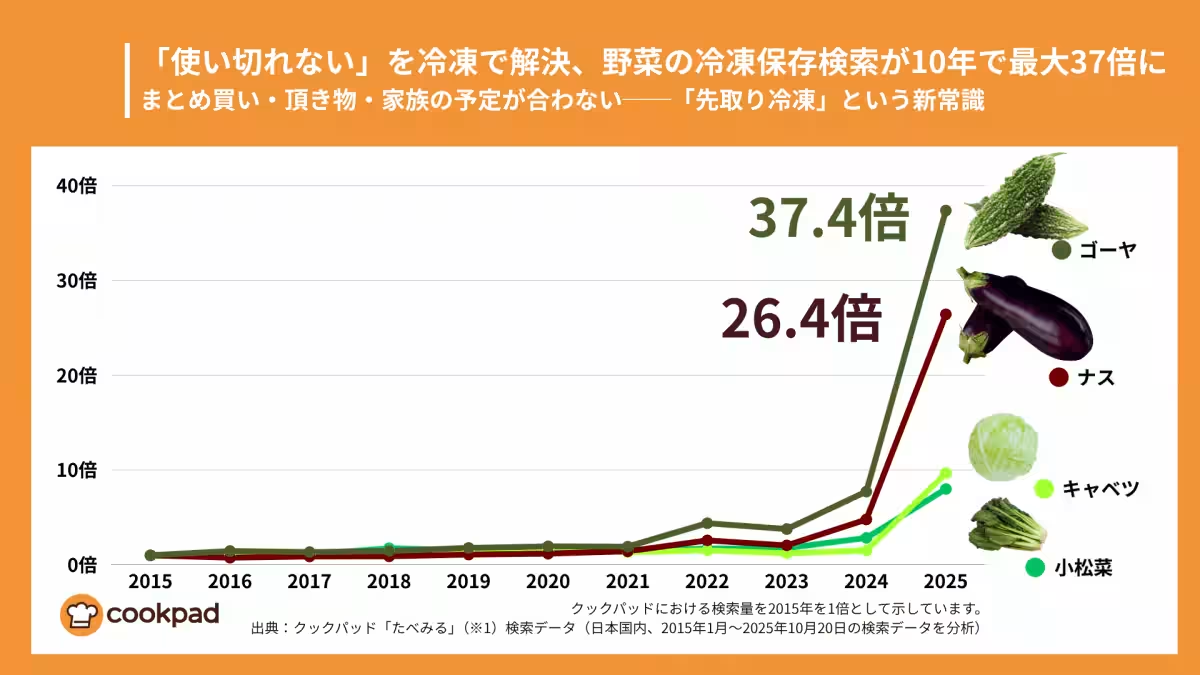
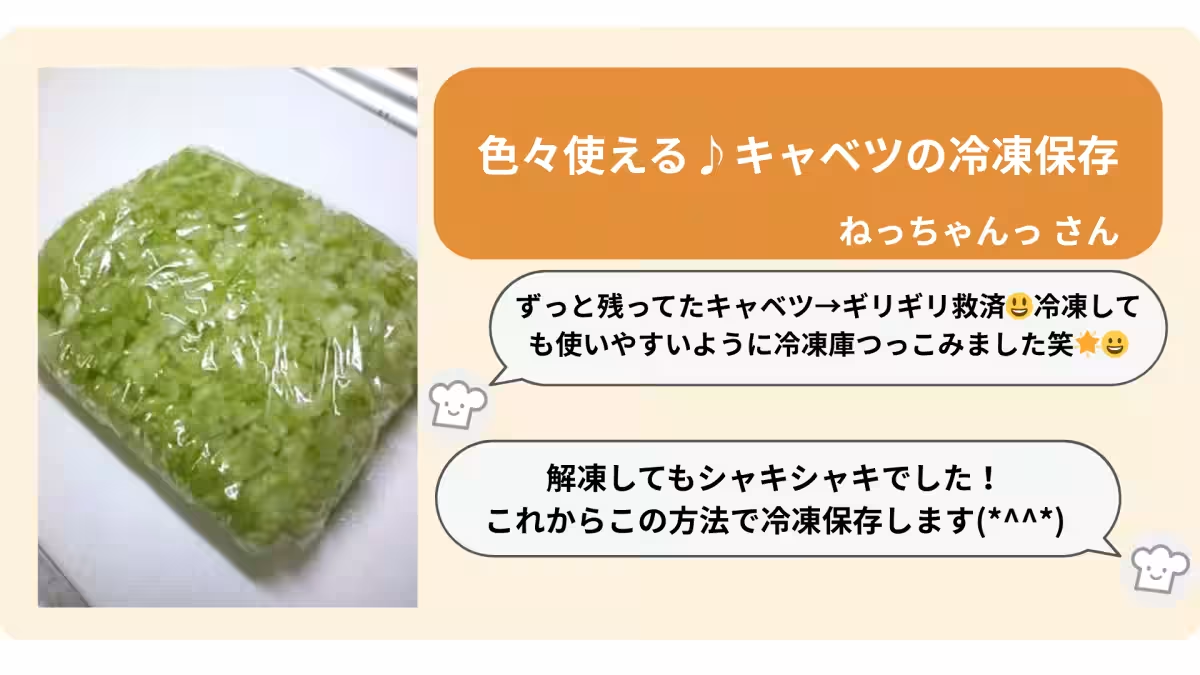
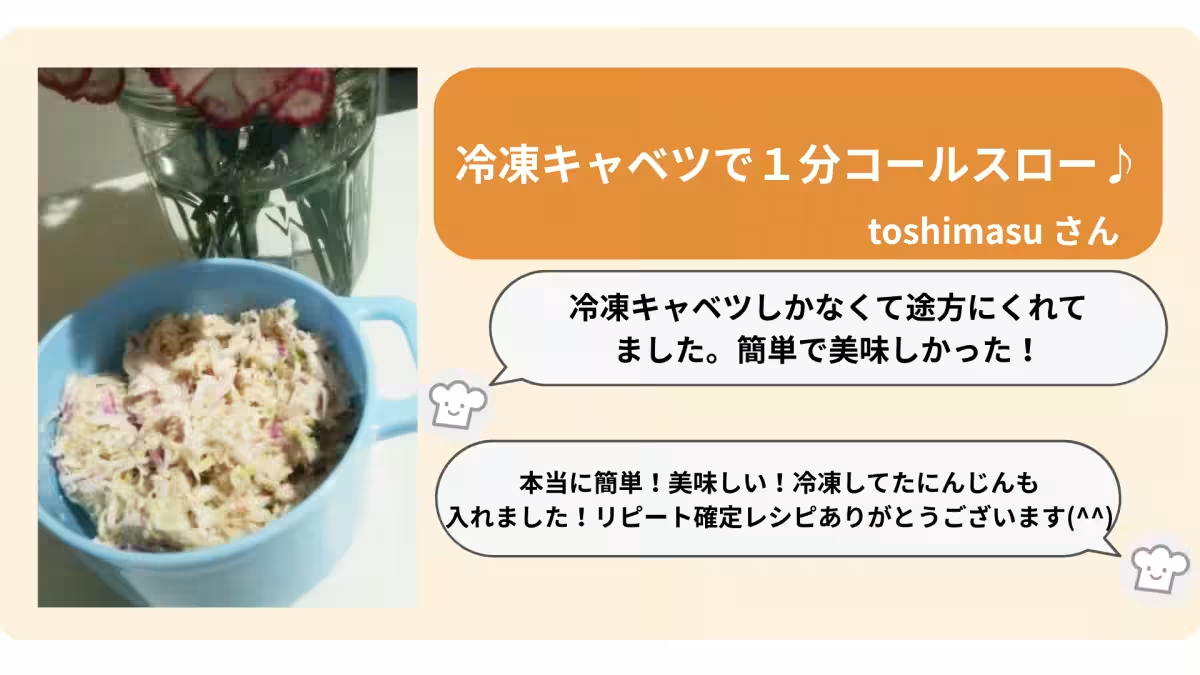
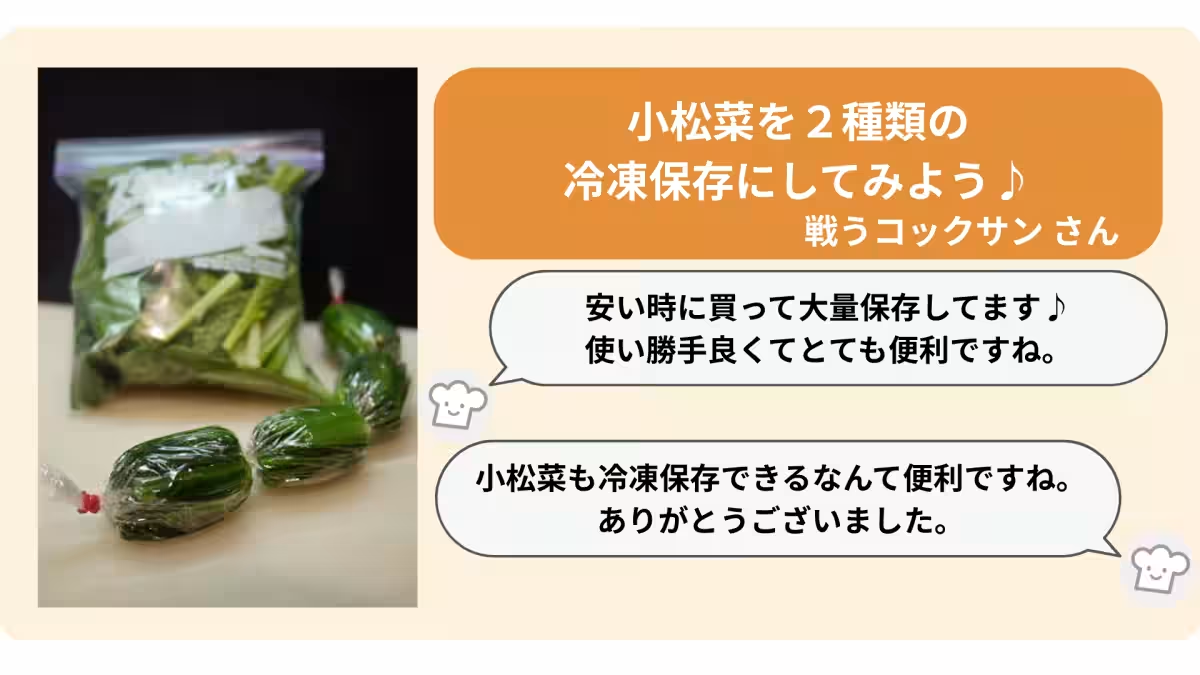
In a significant development concerning food waste, Cookpad, the leading recipe service in Japan, has conducted research aligning with October’s Food Loss Reduction Month. Their findings reveal a striking increase in searches related to freezing vegetables, with items like Komatsuna, eggplant, and bitter melon seeing an average rise of 17 times since 2015, and a staggering 37 times for bitter melon alone. This trend appears to be driven by the realities of modern life, wherein families often find themselves unable to consume all the food they acquire due to various reasons such as buying in bulk, receiving excess gifts, or scheduling conflicts that prevent them from using up their groceries.
Understanding the Rising Interest in Vegetable Freezing
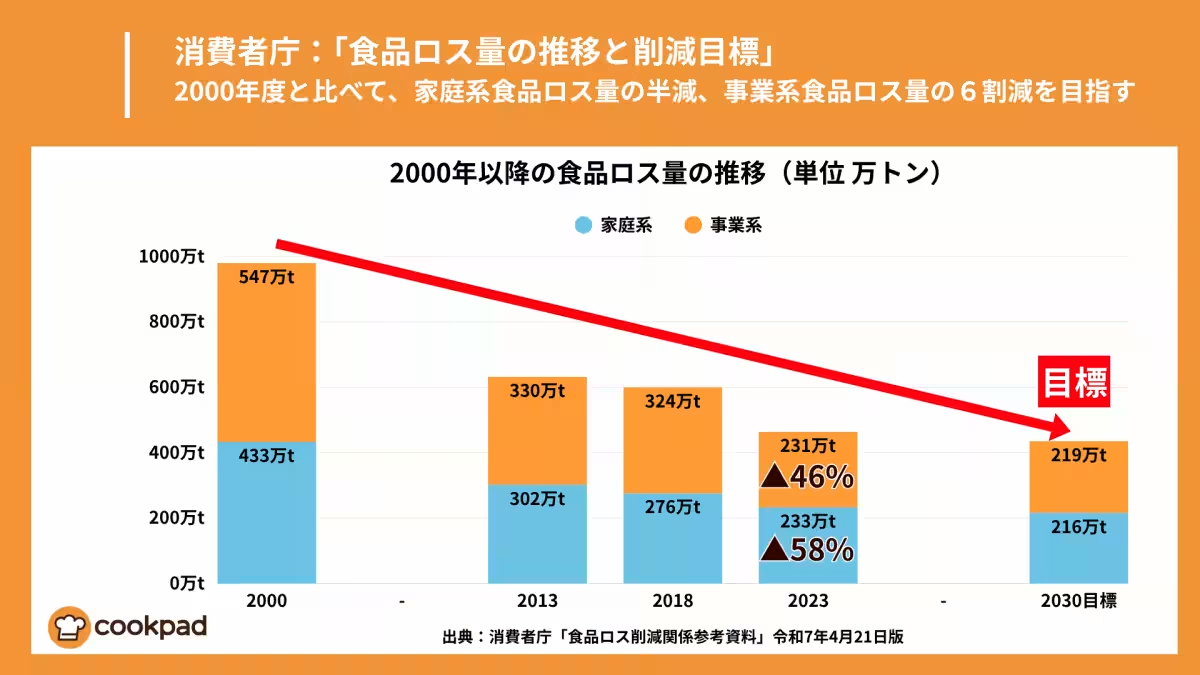
With nearly 4.64 million tons of food waste generated annually in Japan, households are responsible for almost half of this waste. While there's been progress in reducing food waste overall—53% since 2000—household waste reduction has only reached 46%. The primary reason for vegetable disposal commonly cited is their perishing before use.
In contemporary married households, over 70% of couples work, which complicates meal planning and consumption of food. This scenario often leads to vegetables turning stale before they can be properly utilized. The recent trend indicates that families are adopting the new knowledge of freezing excess vegetables before they spoil, helping them avoid waste.
Shifting Perceptions: From Compromise to Convenience
Freezing vegetables has traditionally been seen as a compromise, but recent data reflects a shift in how households are approaching this method. Given the high consumer price index for fresh produce, coupled with price volatility influenced by weather conditions, many families are keen on purchasing vegetables when they are cheaper and freezing them as a practical solution.
Comments from Cookpad users illustrate this change in mindset. Consumers are now more frequently purchasing larger quantities during sales with the intention to freeze, often stating, "I bought a lot of vegetables when they were cheap and froze them for later use." The convenience of having frozen vegetables on hand makes cooking quick and easy, particularly on busy days.
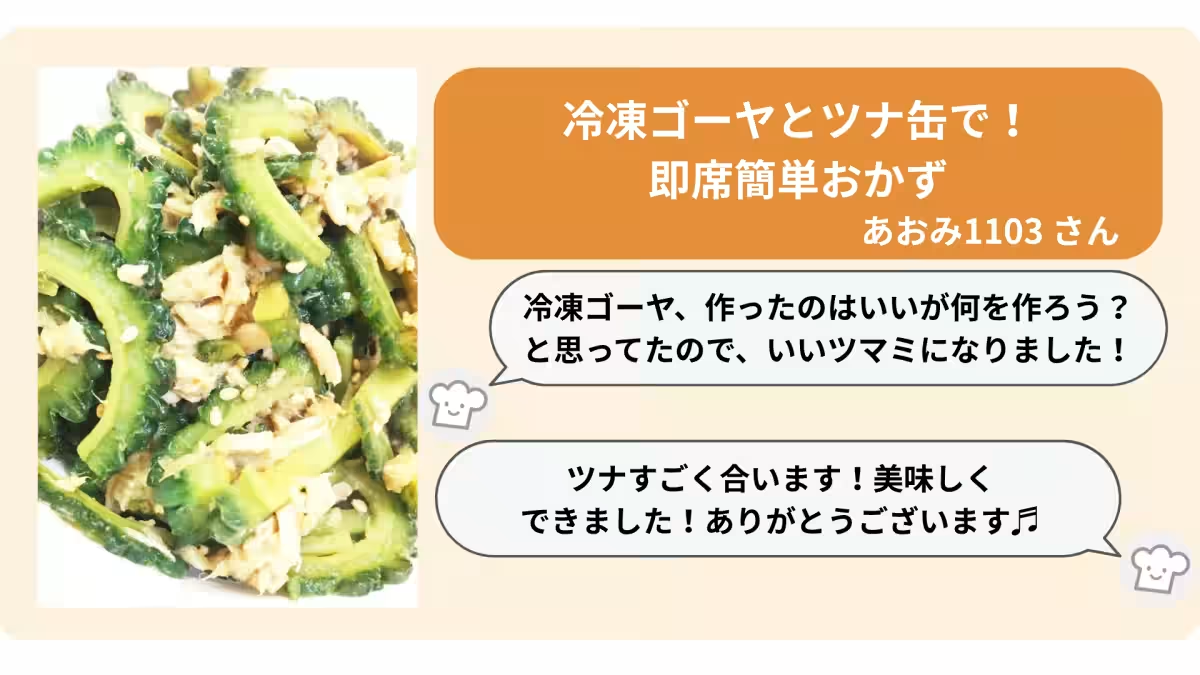
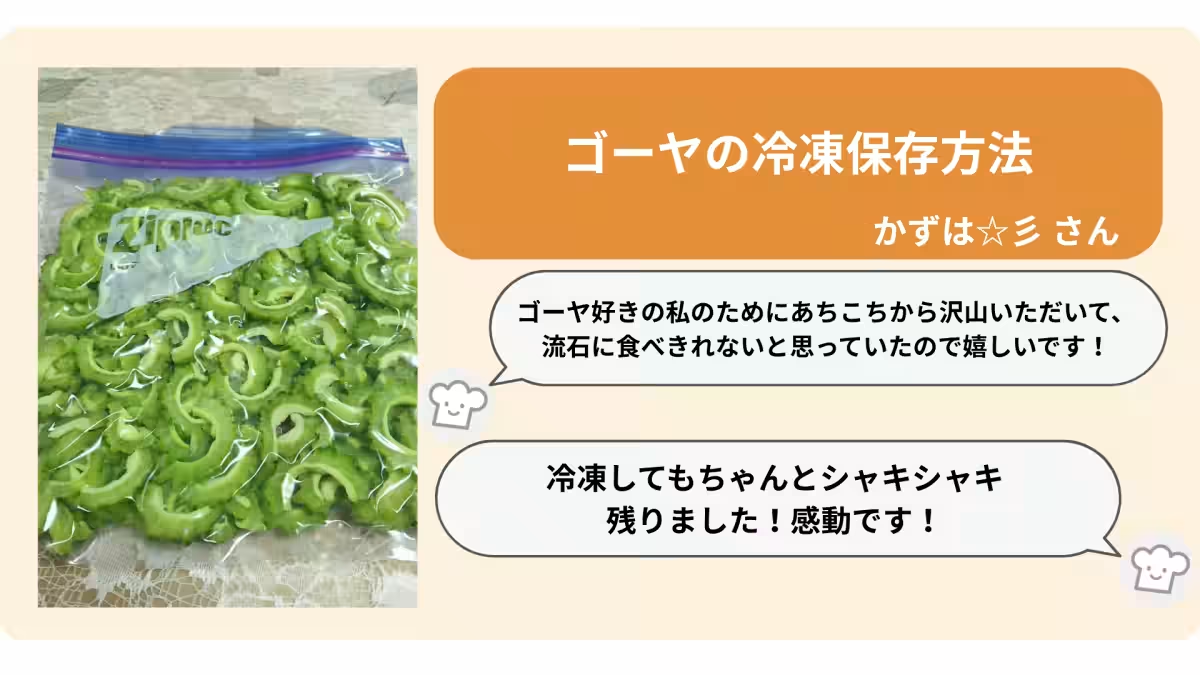
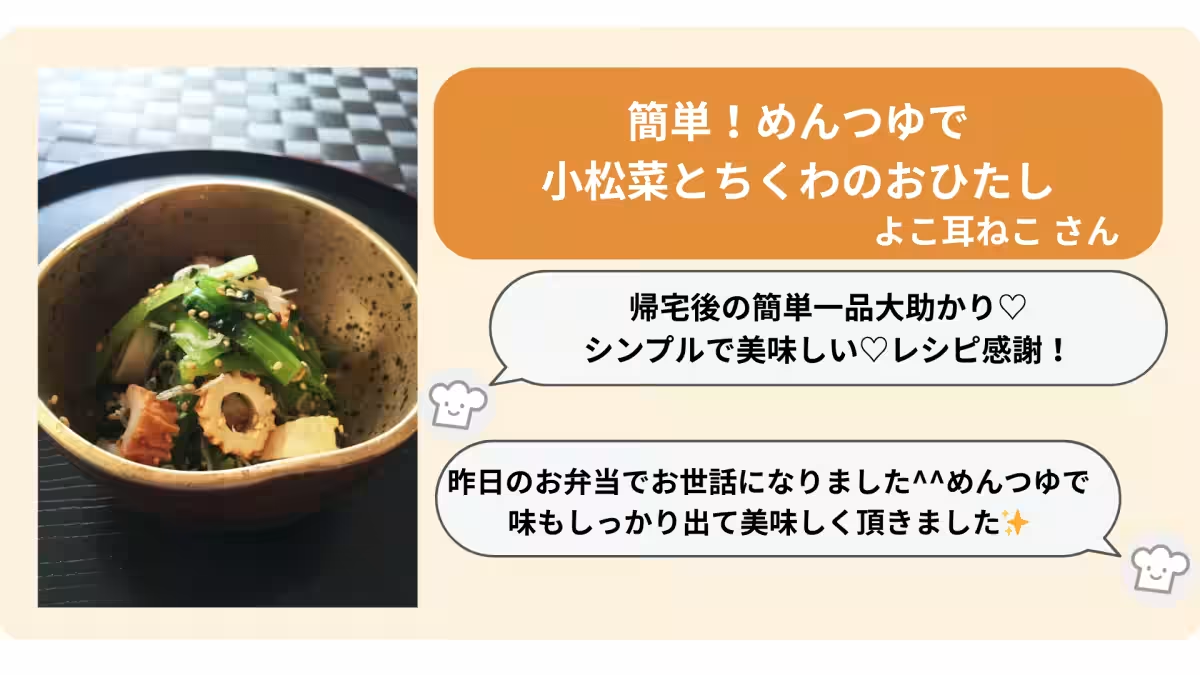
When veggies are frozen, they retain much of their nutritional value while also becoming easier to handle in the kitchen. Frozen beans can be broken by hand when cooking, while frozen eggplants absorb flavors better after being thawed. Additionally, bitter melon becomes less bitter, appealing to a wider audience including children. Likewise, freezing Komatsuna allows for easy addition to soups and miso dishes without additional prep work.
Freezing: A Smart Strategy for Busy Lives
In the fast-paced life of dual-income families, time is often scarce. Coordinating dinner with multiple schedules, managing leftover groceries, and accommodating gifts complicates meal planning and often leads to wasted food. By implementing freezing as a solution, families can effectively manage this issue. If a batch of vegetables cannot be consumed immediately, freezing halts their deterioration, thus allowing for guilt-free usage later. This innovative approach empowers individuals to prepare meals swiftly during busy weeknights without compromising on nutrition or sustainability.
By spending a short amount of time preparing and freezing vegetables in bulk, families can save hours during the week when they need quick meal solutions. This strategy not only represents an efficient kitchen technique but also bridges the traditional culinary wisdom with modernity.
The Role of Technology in Culinary Advancement
Just as frozen tofu became a significant discovery in the winter months historically, today’s contemporary freezing practices symbolize a technique for preserving both food and time. In addressing the growing issue of food waste, Cookpad is facilitating a culture of resourcefulness and responsible meal planning.
The ability to share culinary knowledge through technology enables families across Japan to adapt to environmental concerns. By providing informative resources and recipes on how to effectively freeze and utilize vegetables, Cookpad is fostering a community that celebrates cooking and ingenuity while contributing to ongoing conversations about sustainability in food practices.
Cookpad continues its mission to inspire joy in everyday cooking while supporting efforts to minimize food waste through thoughtful practices. Explore Cookpad’s curated recipes for frozen vegetable usage and discover simple ways to enhance your culinary creations and reduce food waste.
Topics Consumer Products & Retail)
【About Using Articles】
You can freely use the title and article content by linking to the page where the article is posted.
※ Images cannot be used.
【About Links】
Links are free to use.