



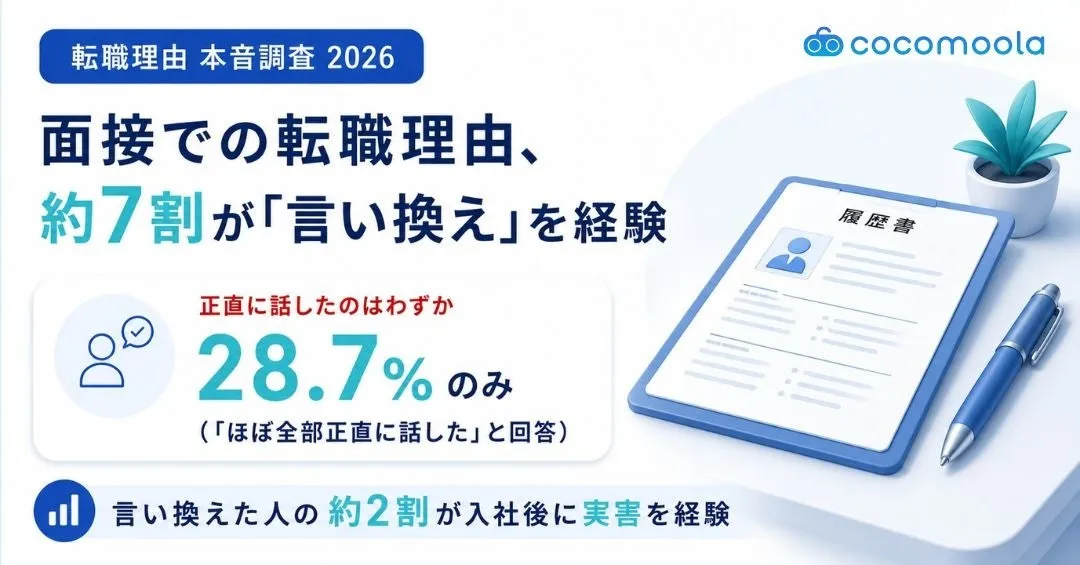
The Impact of Rephrasing Job Change Reasons During Interviews
In the world of job transitions, the reasons behind changing jobs often play a crucial role in the interview process. A recent survey conducted with 150 individuals who have undergone job changes highlights significant trends regarding how these reasons are communicated during interviews and the subsequent impacts they have on new hires.
According to the survey, the primary reasons for changing jobs were found to be related to compensation and work relationships. More specifically, 28.67% of respondents cited "salary and benefits" as their main motivation, while 27.33% pointed to "interpersonal relationships" as a critical factor. These two reasons combined account for nearly 60% of the responses, suggesting that financial and relational aspects are paramount in the minds of job seekers.
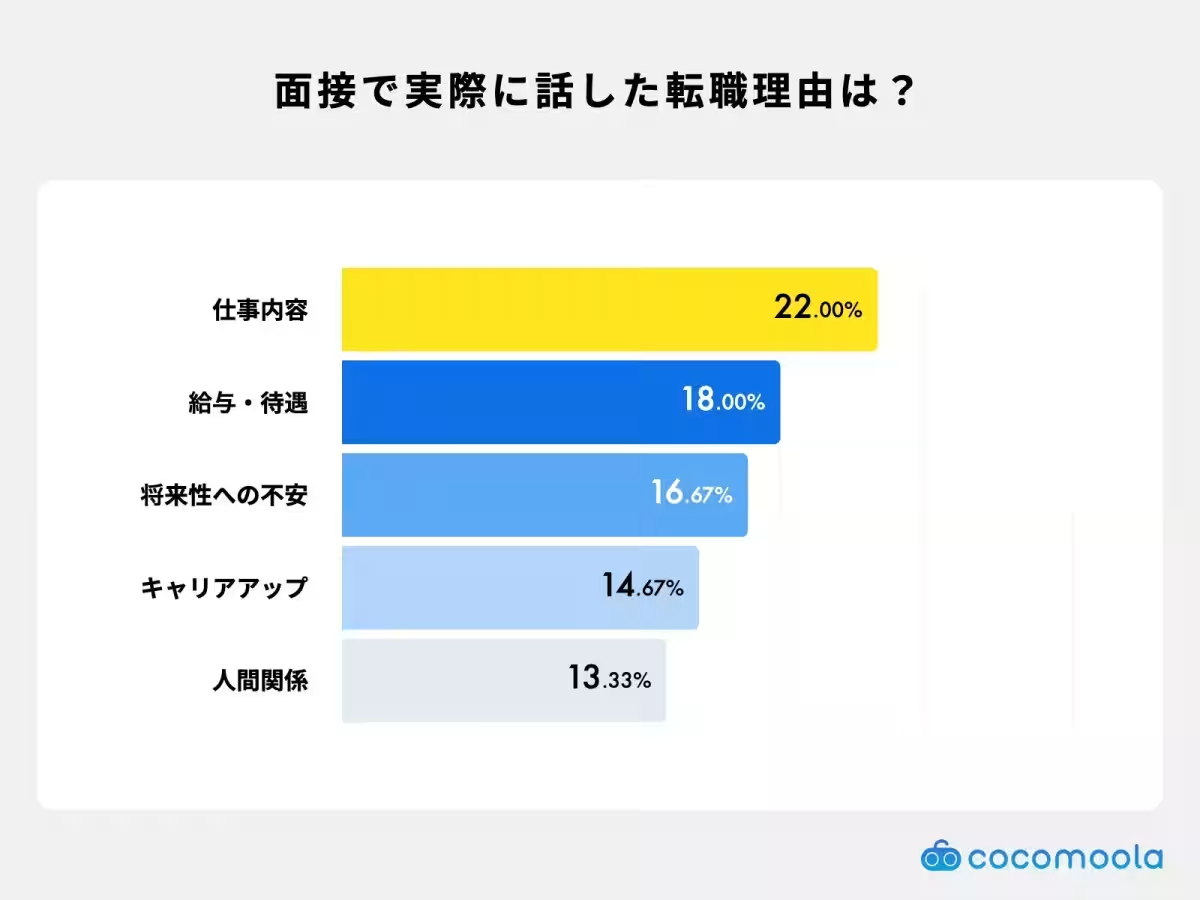
Contrastingly, during interviews, the most commonly stated reason was related to "job responsibilities," which 22% of interviewees claimed. Moreover, the desire for career advancement surged from a mere 3.33% in actual motivations to 14.67% when presented in interviews, indicating a tendency for candidates to shift focus toward more positive and growth-oriented aspects of their job change. It appears that less favorable motivations are often downplayed or replaced with strategies that seem more acceptable to potential employers.
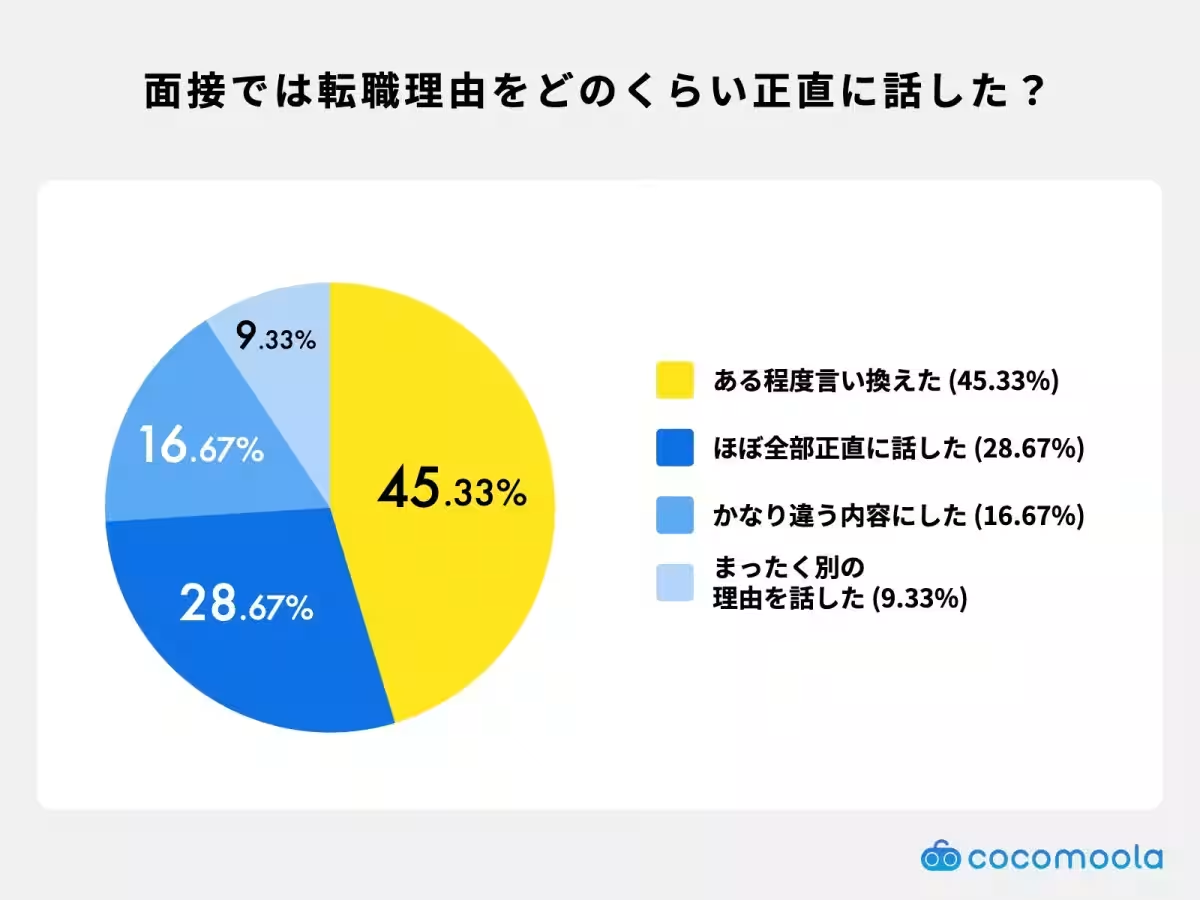
The findings culminate in a notable statistic: approximately 70% of interviewees reported having rephrased their job change reasons in some form. Only about 28.67% claimed they were entirely truthful about their motivations, while 45.33% admitted to altering their reasons to a certain extent. Furthermore, 16.67% provided significantly different reasons altogether, and 9.33% chose to present a completely different rationale for their job change.
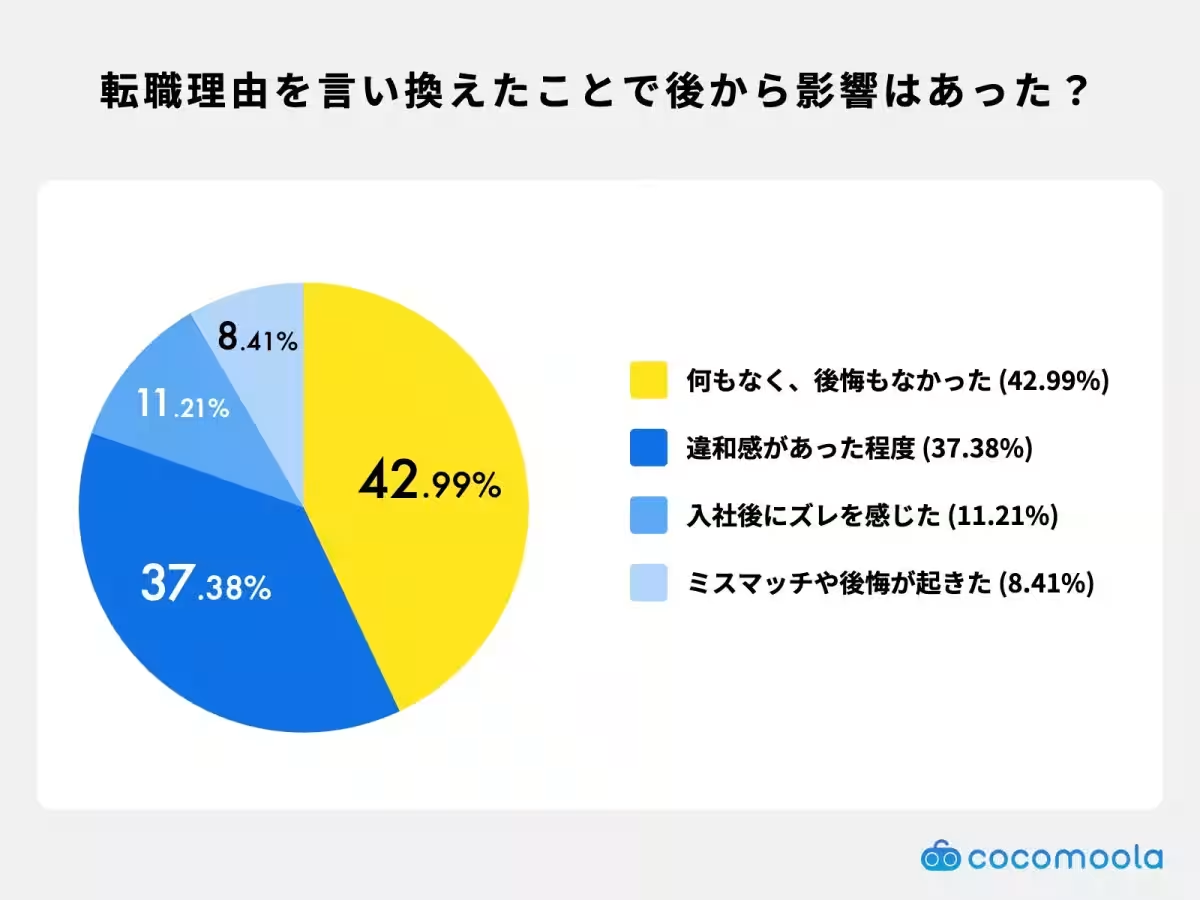
This data paints a picture of a job market where many candidates feel the need to present their motivations in a light more favorable to employers. However, this practice does not come without its downsides; nearly 20% of those who rephrased their job change reasons experienced adverse effects after starting their new positions. Of those who modified their explanations, 11.21% felt a sense of misalignment between their expectations and reality, while 8.41% reported feelings of regret or a mismatch in their decision. This indicates a risk where the gap between perceived motivational truths and interview presentations may lead to dissatisfaction post-hire.
The implications of this survey highlight the necessity for improved openness during the interview phase, suggesting that both employers and candidates might benefit from addressing the genuine reasons for job changes. Potential employers should foster an environment in which candidates feel comfortable sharing their authentic motivations, thus reducing the occurrence of misalignments that lead to regret later on.
As job seekers navigate the complex landscape of employment changes, it seems clear that transparency in expressing their motivations can mitigate the risks associated with rephrasing their reasons. Providing candidates with platforms to engage honestly about their feelings and experiences may lead to healthier work environments and higher job satisfaction overall. By understanding both sides of the interviewing process, organizations can enhance the fit between their candidates and their potential roles, paving the way for more satisfactory employment outcomes.
For further insights on this survey and its findings, please refer to the full report available at CocoMoola.


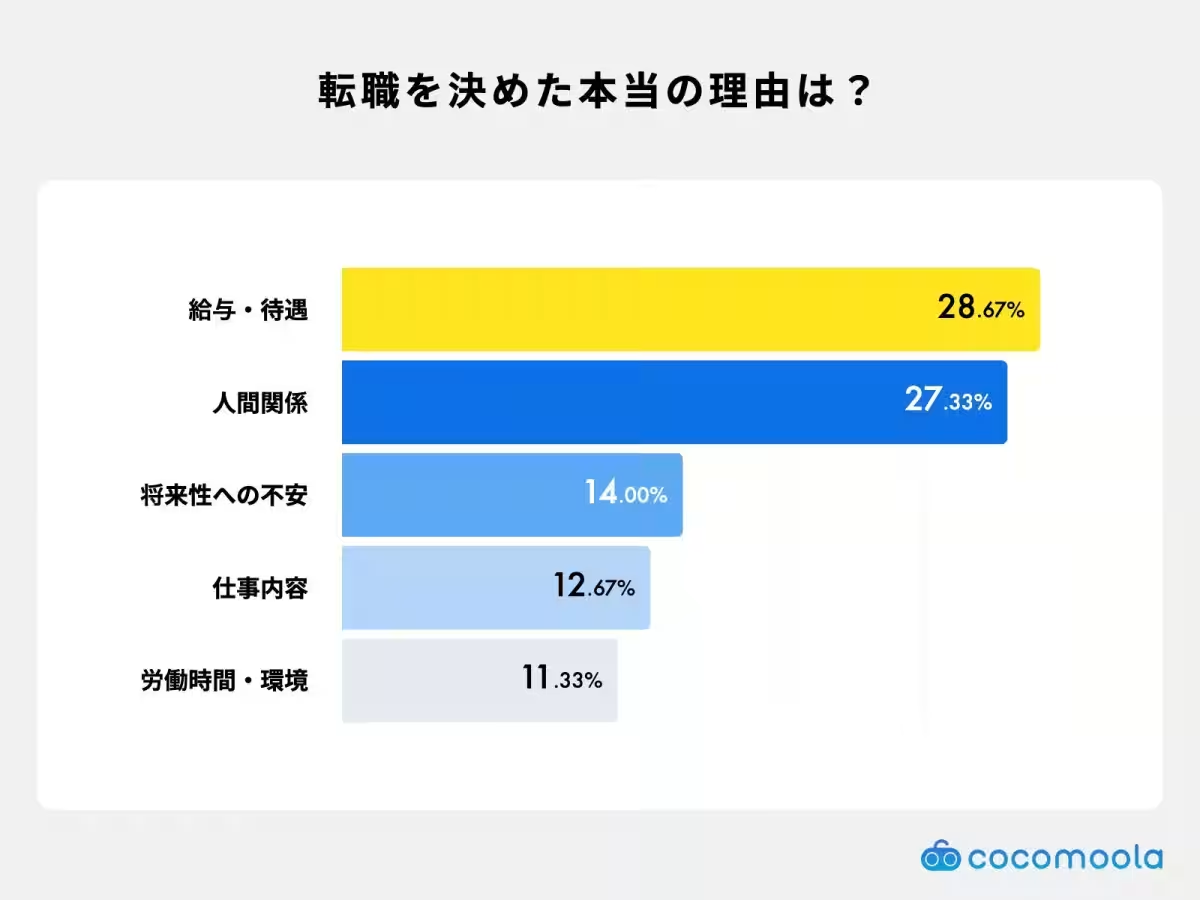
According to the survey, the primary reasons for changing jobs were found to be related to compensation and work relationships. More specifically, 28.67% of respondents cited "salary and benefits" as their main motivation, while 27.33% pointed to "interpersonal relationships" as a critical factor. These two reasons combined account for nearly 60% of the responses, suggesting that financial and relational aspects are paramount in the minds of job seekers.
Contrastingly, during interviews, the most commonly stated reason was related to "job responsibilities," which 22% of interviewees claimed. Moreover, the desire for career advancement surged from a mere 3.33% in actual motivations to 14.67% when presented in interviews, indicating a tendency for candidates to shift focus toward more positive and growth-oriented aspects of their job change. It appears that less favorable motivations are often downplayed or replaced with strategies that seem more acceptable to potential employers.
The findings culminate in a notable statistic: approximately 70% of interviewees reported having rephrased their job change reasons in some form. Only about 28.67% claimed they were entirely truthful about their motivations, while 45.33% admitted to altering their reasons to a certain extent. Furthermore, 16.67% provided significantly different reasons altogether, and 9.33% chose to present a completely different rationale for their job change.
This data paints a picture of a job market where many candidates feel the need to present their motivations in a light more favorable to employers. However, this practice does not come without its downsides; nearly 20% of those who rephrased their job change reasons experienced adverse effects after starting their new positions. Of those who modified their explanations, 11.21% felt a sense of misalignment between their expectations and reality, while 8.41% reported feelings of regret or a mismatch in their decision. This indicates a risk where the gap between perceived motivational truths and interview presentations may lead to dissatisfaction post-hire.
The implications of this survey highlight the necessity for improved openness during the interview phase, suggesting that both employers and candidates might benefit from addressing the genuine reasons for job changes. Potential employers should foster an environment in which candidates feel comfortable sharing their authentic motivations, thus reducing the occurrence of misalignments that lead to regret later on.
Conclusion
As job seekers navigate the complex landscape of employment changes, it seems clear that transparency in expressing their motivations can mitigate the risks associated with rephrasing their reasons. Providing candidates with platforms to engage honestly about their feelings and experiences may lead to healthier work environments and higher job satisfaction overall. By understanding both sides of the interviewing process, organizations can enhance the fit between their candidates and their potential roles, paving the way for more satisfactory employment outcomes.
For further insights on this survey and its findings, please refer to the full report available at CocoMoola.
Topics People & Culture)


【About Using Articles】
You can freely use the title and article content by linking to the page where the article is posted.
※ Images cannot be used.
【About Links】
Links are free to use.