



Japan's Trend Towards Local Consumption and Overcoming Global Reliance on Food
Japan's New Approach to Food Sourcing
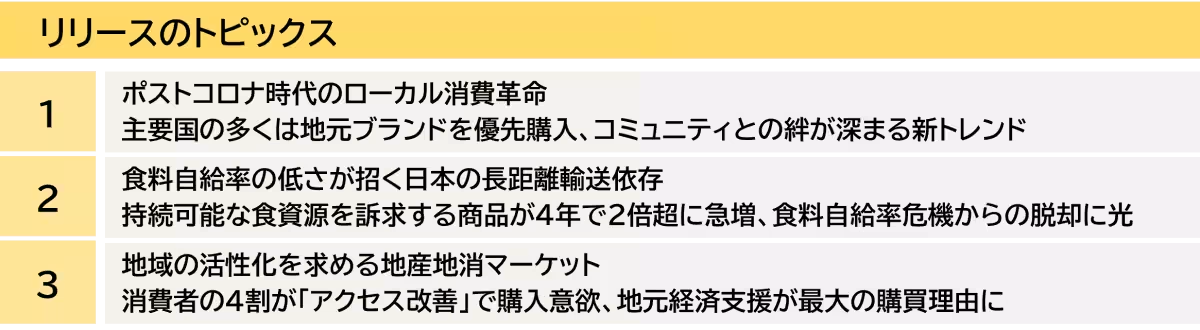
As the world shifts towards local consumption post-pandemic, Japan finds itself at a critical crossroads in its food sourcing strategies. According to a report by Mintel Japan that coincides with June's Food Education Month, Japan's food self-sufficiency rate is alarmingly low, prompting a re-evaluation of the importance of local food sources and the consumer mindset regarding food purchasing.
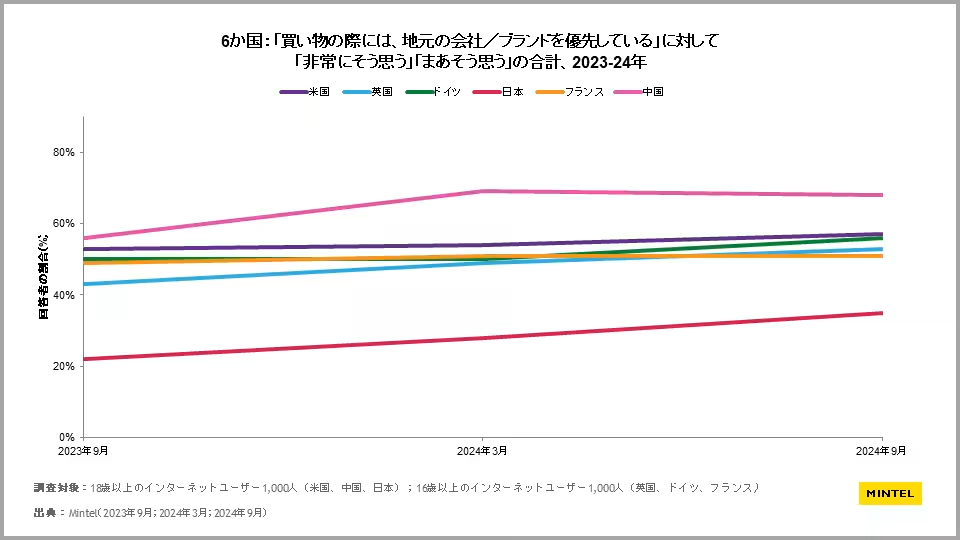
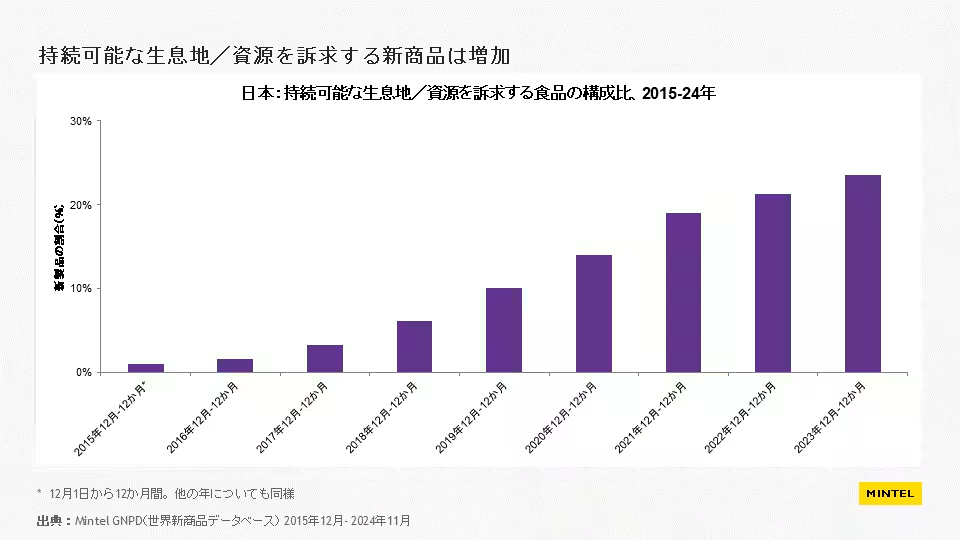
The report indicates that, while consumers in five major countries—excluding Japan—are increasingly favoring local brands, with over 50% prioritizing them, Japan's figures have stagnated at roughly 35%. Despite this, new products emphasizing sustainable resources have seen a twofold increase over the past four years, showcasing a shift in consumer awareness towards sustainable sourcing.
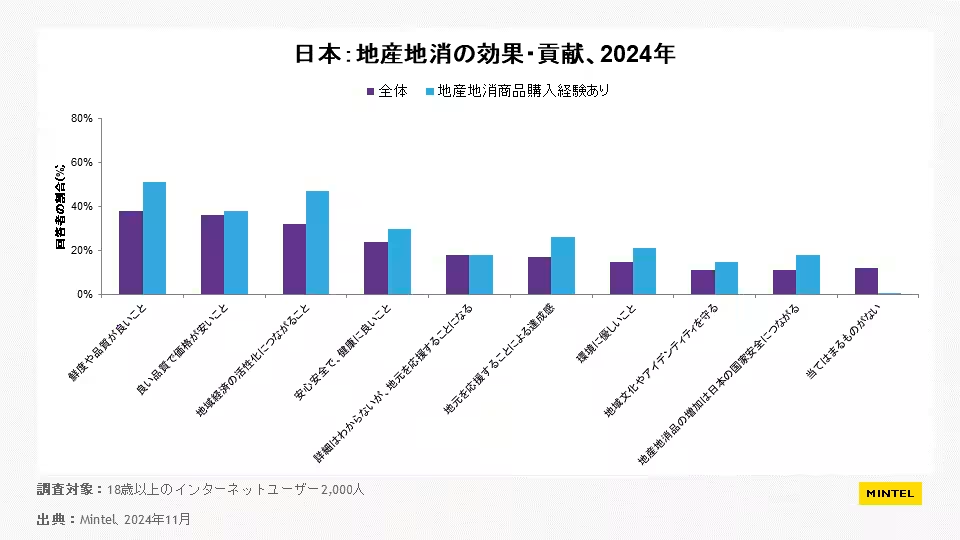
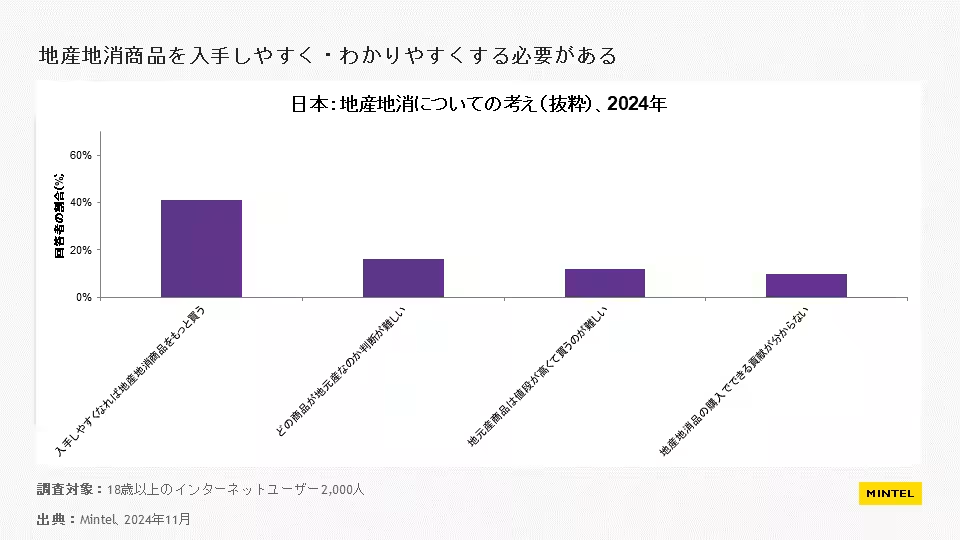
Mintel's survey highlights a significant motivation for choosing locally produced foods: supporting the local economy. Approximately 40% of consumers stated they would purchase local products if availability improved, emphasizing the need for enhanced access to local goods to expand the market further. This trend reflects growing consumer expectations amidst concerns over Japan’s low food self-sufficiency.
The Impact of COVID-19 on Local Consumption
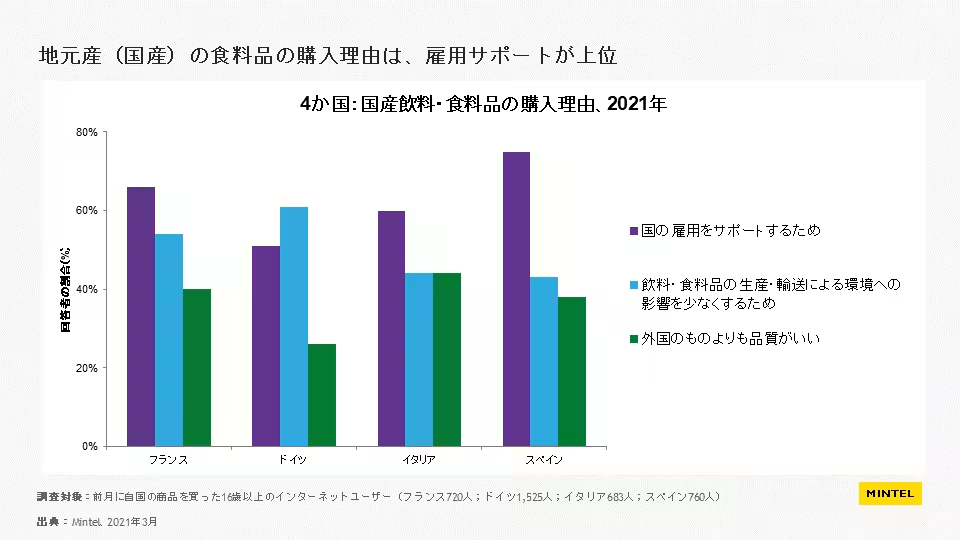
The pandemic played a crucial role in fostering a connection between communities and local businesses. Lockdowns led to a rise in takeout and delivery orders from struggling local shops, fostering a sense of responsibility among consumers to support their neighborhoods. Mintel's survey showed that in the UK, 20% of consumers reported recognizing the importance of local communities during this time. Data from several European countries indicates that supporting local employment now serves as the primary motivator for purchasing domestic food products, surpassing concerns about quality and environmental friendliness.
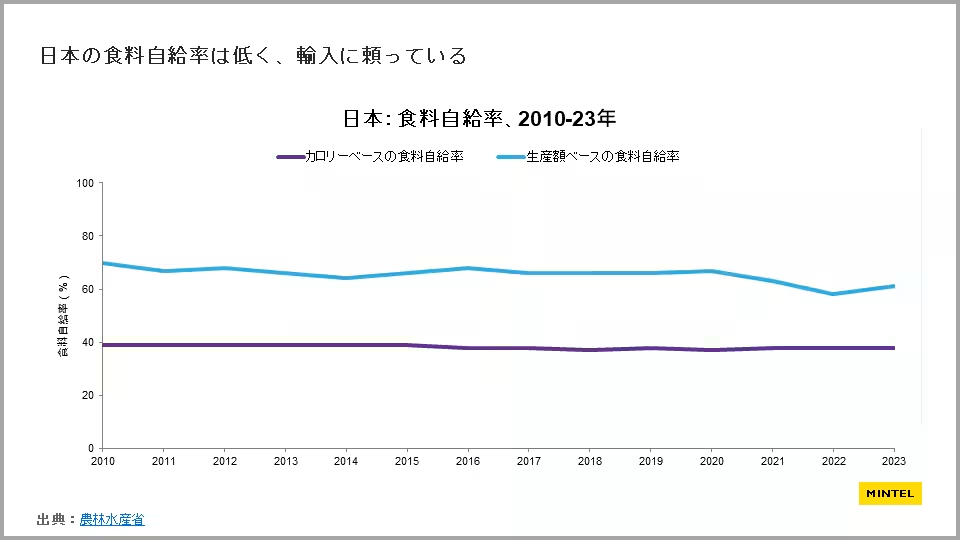
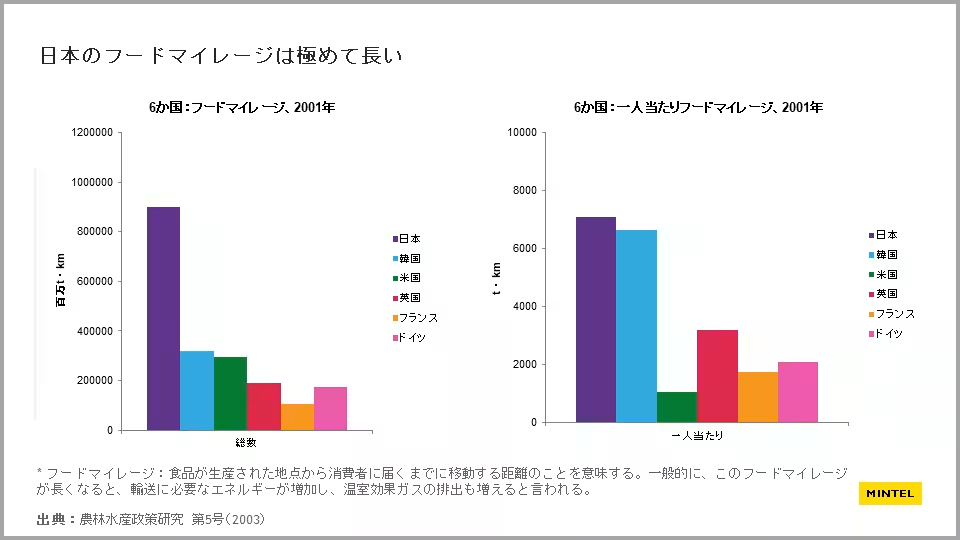
However, Japan’s food self-sufficiency issues continue to demand attention. In 2023, the food self-sufficiency rate stood at 61% in production value and a mere 38% in calorie terms, showing a stark difference from other countries like the US and Germany. The heavy reliance on long-distance transportation for food contributes significantly to Japan’s high food mileage, directly impacting CO2 emissions and overall sustainability.
Local Brand Loyalty and Consumer Preferences
Despite the challenges, there is a notable trend of increasing local brand loyalty among Japanese consumers. Mintel's findings indicate that the percentage of consumers prioritizing local products is on the rise, and expectations for support towards local economies have been highlighted as paramount in purchasing decisions. Consumers express a strong desire for local foods, often seeking out products that emphasize origin, safety, and quality.
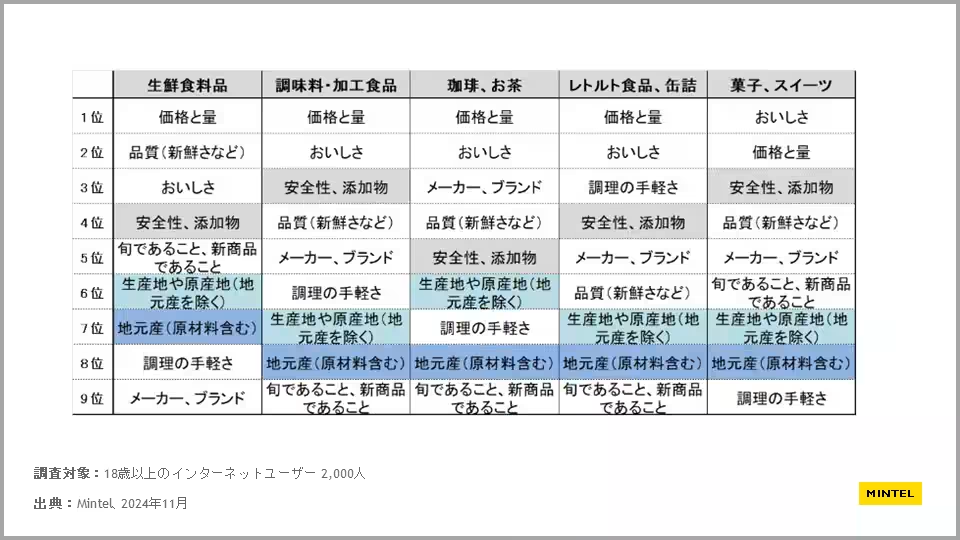
Research suggests that 41% of consumers consider the country of origin a significant factor when choosing vegetables. The desire for more accessibility remains prevalent, with potential buyers indicating they would purchase local items more often if they were easier to find. This presents an opportunity for large brands to incorporate local sourcing in their supply chains, thus elevating their corporate image while meeting consumer demand for local connections.
Business Opportunities in the Local Consumption Market
The challenge lies in effectively communicating the value of local consumption without conflating it with environmental concerns, which consumers increasingly associate with global issues. Insight from Mintel's research shows that the overlap between consumers focused on local market support and those prioritizing environmental sustainability is minimal. Businesses targeting local consumption must adopt a distinct messaging strategy focused solely on regional engagement and economic support.
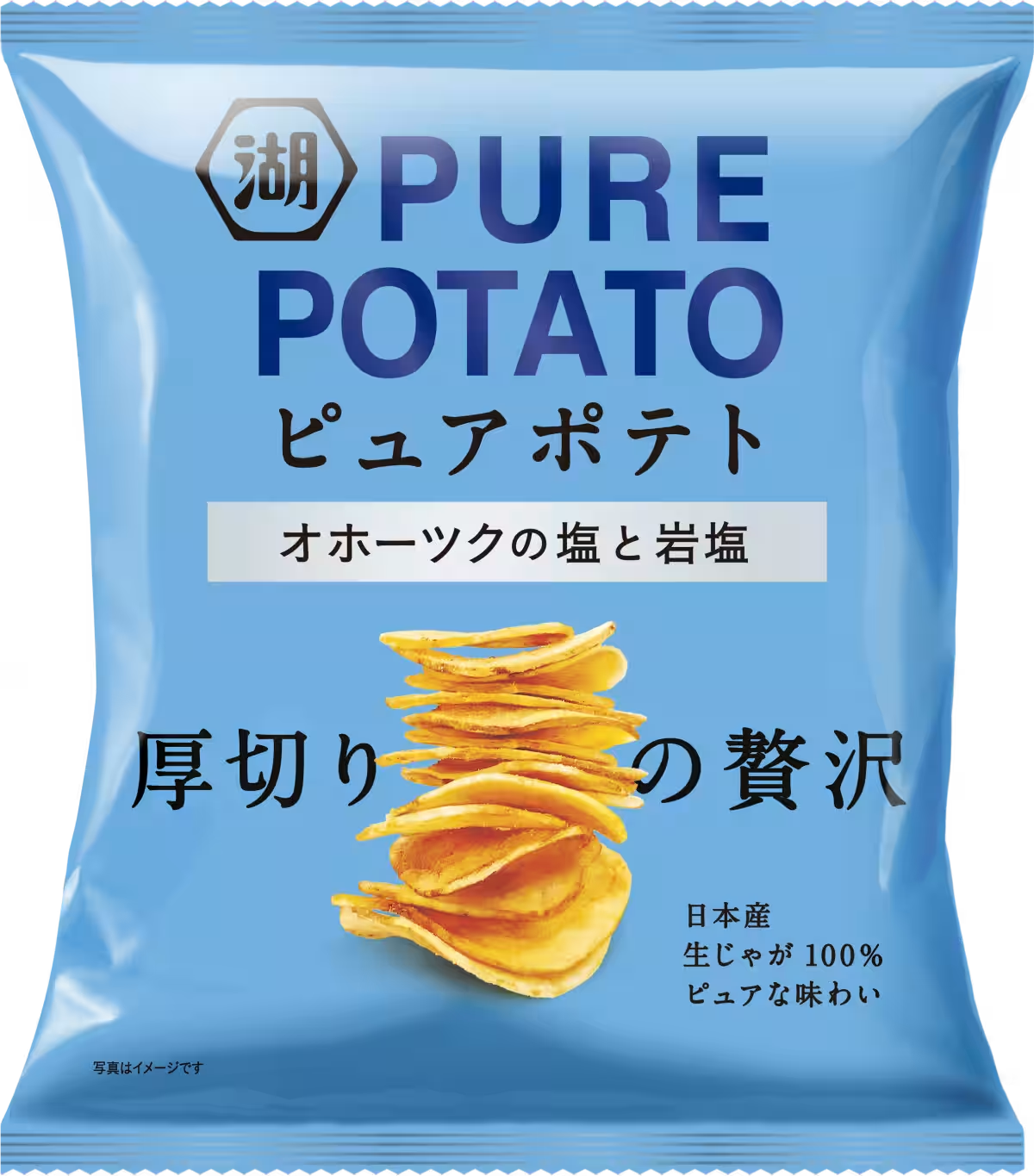
For instance, brands like Koikeya, famous for their Pure Potato snack using 100% domestic potatoes, also contribute to local community activities, positioning themselves as champions of local initiatives. This successful melding of product quality and community support resonates strongly with consumers.
Conclusion
In conclusion, Japan's path towards embracing local foods is marked by both challenges and opportunities. As the nation grapples with low food self-sufficiency rates and high dependency on imported goods, the interest in local products reflects a broader societal shift towards community support and sustainability. With consumer expectations on the rise, local brand loyalty is set to reshape the landscape of food production and consumption in Japan perpetually. Companies that innovate and enhance the effluent presence of local products can significantly benefit from this growing demand, establishing a more sustainable and efficient food network in the process.
This data underscores the critical need for consumer-facing strategies that intricately marry local economy support with the promise of quality and accessibility, ensuring that Japan's unique local flavors find their rightful place in the national diet. This article is based on the findings from the Mintel Japan Report on Food Localism Trends - Japan 2025, which further explores these themes.
For more information about the latest consumer trends and insights, visit Mintel Japan.

Topics Consumer Products & Retail)
【About Using Articles】
You can freely use the title and article content by linking to the page where the article is posted.
※ Images cannot be used.
【About Links】
Links are free to use.