



Understanding Delayed Heat Stroke: Risks, Symptoms, and Solutions
Understanding Delayed Heat Stroke: A Growing Concern
As we approach the peak season for heat strokes, it's vital to recognize the many ways this condition can manifest, particularly in the form known as delayed heat stroke. This occurs when individuals experience symptoms of heat-related illness hours or even days after engaging in outdoor activities, significantly increasing the risk of misdiagnosis and inadequate treatment.
What is Delayed Heat Stroke?
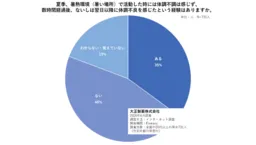
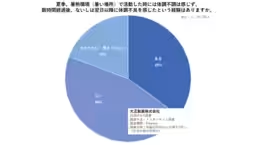
While many associate heat strokes with immediate symptoms, such as dizziness and exhaustion during intense heat exposure, delayed heat stroke presents a different scenario. Symptoms can emerge after returning to a cooler environment, leading to confusion. A survey conducted by Taisho Pharmaceutical in June 2026 among over 700 individuals revealed that about 35% experienced symptoms not during their activity, but sometime later.
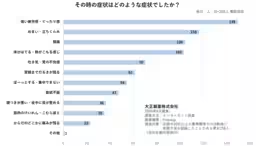
Individuals who reported delayed symptoms highlighted several common issues: 149 felt extreme fatigue, 116 experienced dizziness, 104 suffered from headaches, and 103 reported feelings of overheating.
How to Respond to Symptoms
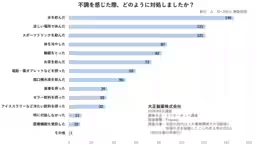
In terms of coping methods, the majority turned to drinking water (146), while others opted for sports drinks (121), rest in a cool location (121), and cooling their bodies down (87). Despite these responses, only 50 mentioned using oral rehydration solutions, and just 32 managed to consume ice slurry or other cold beverages. This indicates that while many take basic hydration steps, knowledge surrounding effective electrolyte replenishment remains limited.
Dr. Hideki Taniguchi, an expert in heat-related illnesses, highlights that susceptibility to delayed heat strokes can stem from various factors such as individual lifestyle, habits, and even personality traits. As such, understanding the risks and contributing factors is crucial.
At-Risk Behaviors and Characteristics
Dr. Taniguchi suggests that people who skip breakfast, suffer from sleep deprivation, push through fatigue, and neglect hydration until feeling thirsty are particularly at risk. Moreover, certain behavioral traits—like the hesitance to take breaks or prioritizing others above oneself—can exacerbate this risk. The symptoms might seem benign, however, individuals may indeed be succumbing to the effects of heat exposure without realizing the severity at the time.
Recognizing Time-Delayed Symptoms
Symptoms of delayed heat stroke often manifest in subtle ways. Milder indicators may include flushing or an altered state of consciousness post-exposure, an extreme need for sleep, and a general state of confusion. Furthermore, bodily responses like increased thirst and reports of persistent headaches or nausea should not be overlooked.
The symptoms can often be mistaken for simple fatigue, but they might indicate a more severe underlying dehydration or heat-related syndrome caused by previous activities.
Strategies for Prevention
Preventive measures against delayed heat strokes should begin well before the activity. Prioritize sleep, maintain adequate hydration, and consume a hearty breakfast. Skipping meals can set the stage for a taxing day, as it leads to insufficient hydration coupled with strenuous outdoor activities.
Aside from breakfast, ensure hydration with electrolyte-infused drinks, which help replenish lost minerals during outdoor exposure. Choose beverages with balanced sodium levels to maintain electrolyte balance and improve water absorption, which is critical during intense heat.
Hydration Techniques and Timing
During outdoor activities, it's paramount to drink fluids regularly rather than waiting to feel thirsty. This can prevent dehydration, and can be achieved through scheduled hydration breaks approximately every 30 minutes. Encourage the consumption of both water and electrolyte-filled drinks to offset the losses from sweating.
Also, utilizing innovative cooling solutions such as ice slurries can effectively lower body temperature post-activity. Ice slurries not only cool down the body but also provide hydration and electrolytic balance. Keeping batches of ice slurries ready can assist with recovery after strenuous activities.
The Importance of Vigilance
Family members, friends, and colleagues play a crucial role in monitoring for signs of delayed heat stroke, as affected individuals may struggle to articulate their discomfort. Observing behavioral changes after returns from outdoor activities, like lethargy or diminished communication, can prompt necessary interventions. Understanding when to seek medical assistance can ensure timely care before symptoms evolve into something more severe.
Instead of dismissing unusual behaviors as simple fatigue, it’s important to view them in the context of delayed heat stroke. Maintaining awareness of such symptoms and implementing preventive measures can significantly diminish risks associated with heat exposure and its aftereffects.

Topics Health)
【About Using Articles】
You can freely use the title and article content by linking to the page where the article is posted.
※ Images cannot be used.
【About Links】
Links are free to use.