



Check Point Research Releases Global Cyber Threat Report for August 2025
Overview of Cyber Threats in August 2025
Check Point Software Technologies, a leader in cybersecurity solutions, recently published its Global Threat Intelligence Report for August 2025 through Check Point Research. This report highlights the intricate and concerning nature of the global cyber threat environment.
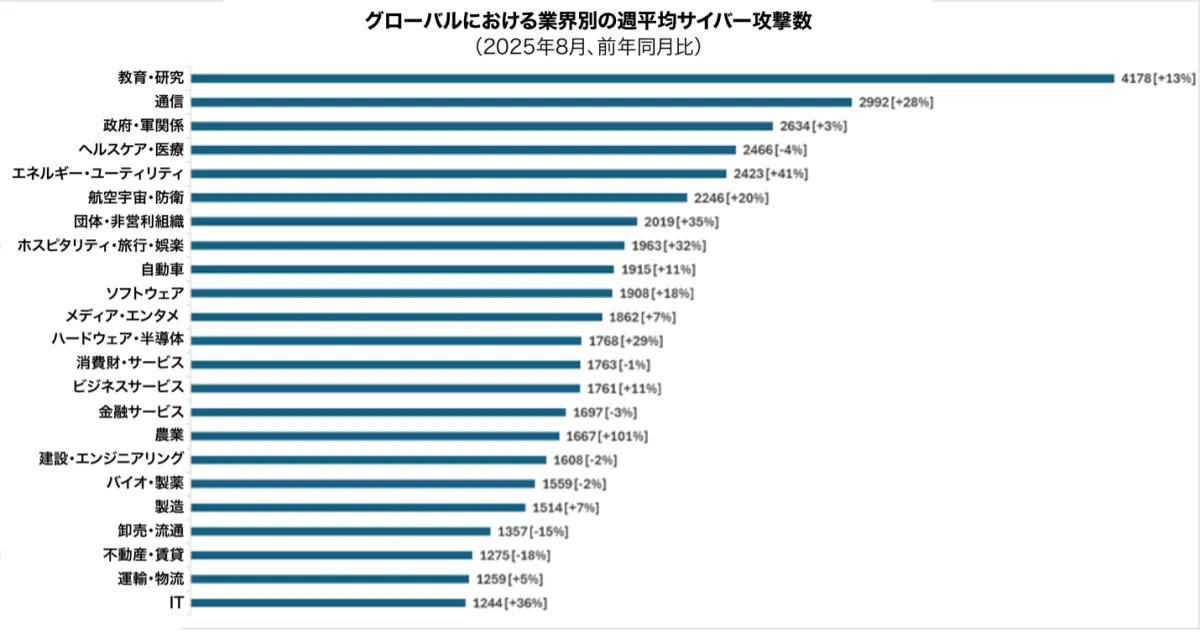
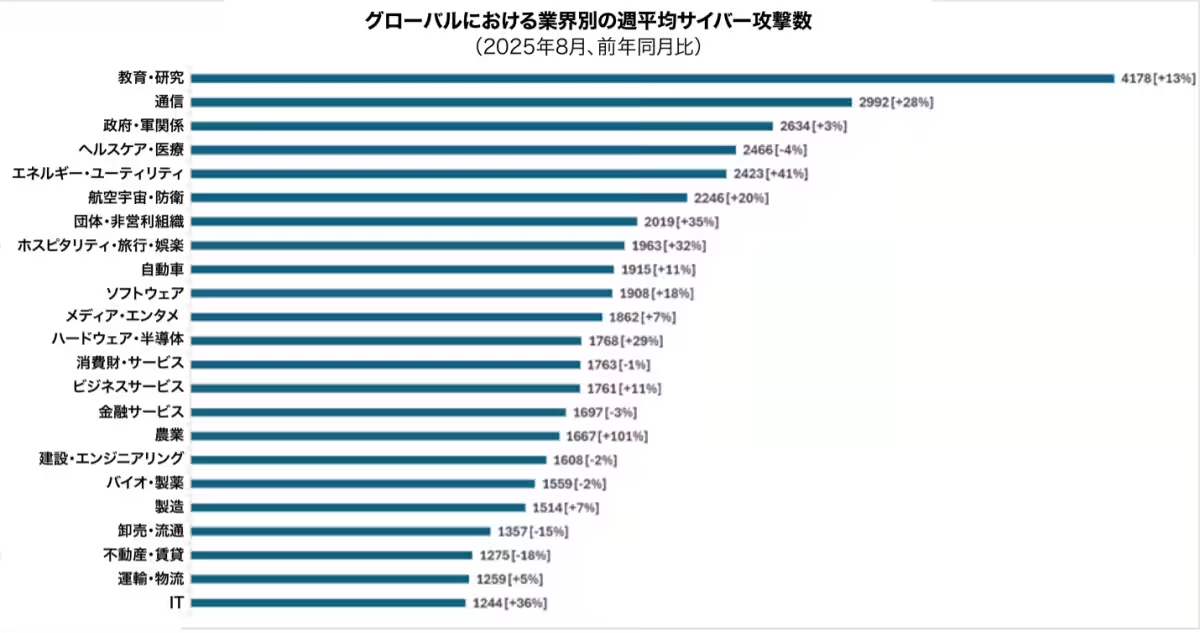
In August, organizations faced an alarming average of 2,000 cyber attacks per week, which is a slight decrease of 1% compared to the previous month but shows a 10% rise year-over-year. A significant focus of this report is the agricultural sector, which experienced a staggering 101% increase in cyber incidents since August 2024. While the overall number of attacks appears relatively stable, the evolution of threats across different industries, regions, and methods requires immediate attention and understanding from organizations navigating this new reality.
Targeted Industries
Education and research sectors continue to be top targets, suffering an average of 4,178 attacks per organization weekly, representing a 13% increase from the previous year. Following closely are the telecommunications sector with 2,992 attacks (an alarming 28% increase) and government agencies with 2,634 attacks (up 3% year-on-year).
However, the most dramatic increase comes from the agricultural sector, where the reliance on technologies such as automated irrigation systems, IoT sensors, drones, and supply chain management platforms presents a broad attack surface for threat actors. Many agricultural organizations invest less in cybersecurity compared to other sectors, leaving critical systems vulnerable. Disrupting food production not only poses immediate economic risks and threats to food safety but can also serve as a geopolitical weapon.
Regional Comparisons
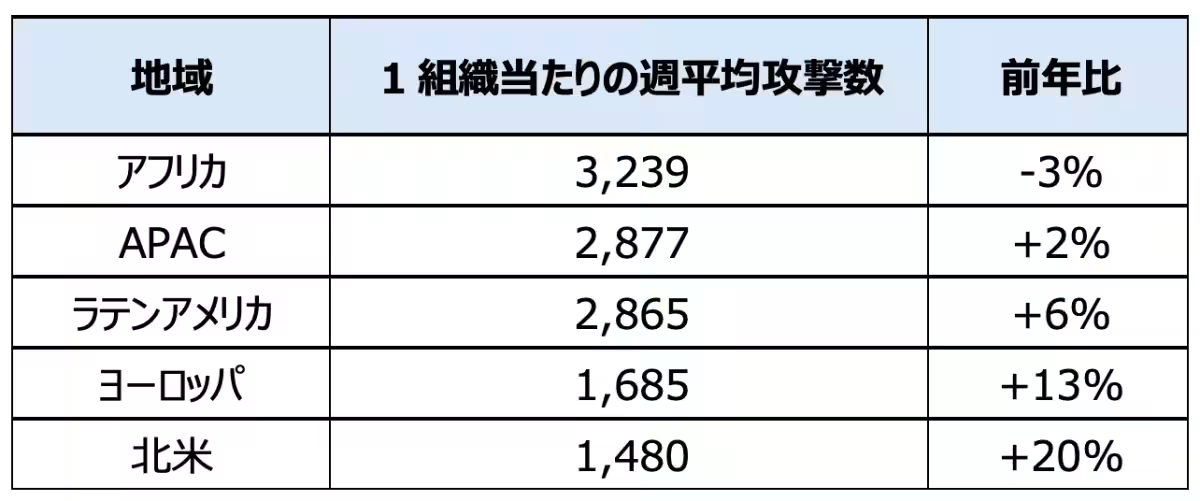
A regional analysis reveals significant disparities in the severity of threats.
- - Africa has the highest average attacks per organization, with 3,239, despite a 3% year-over-year decrease.
- - APAC recorded 2,877 attacks, showing a 2% increase.
- - Latin America reported 2,865 attacks (up 6%), while Europe saw a notable increase of 13%, reaching 1,685 attacks.
- - North America had the most significant year-on-year increase at 20%, with an average of 1,480 attacks.
These findings underscore the widening gap in threat severity across regions, exacerbated by rapid deterioration in advanced economies.
Rise in Ransomware Incidents
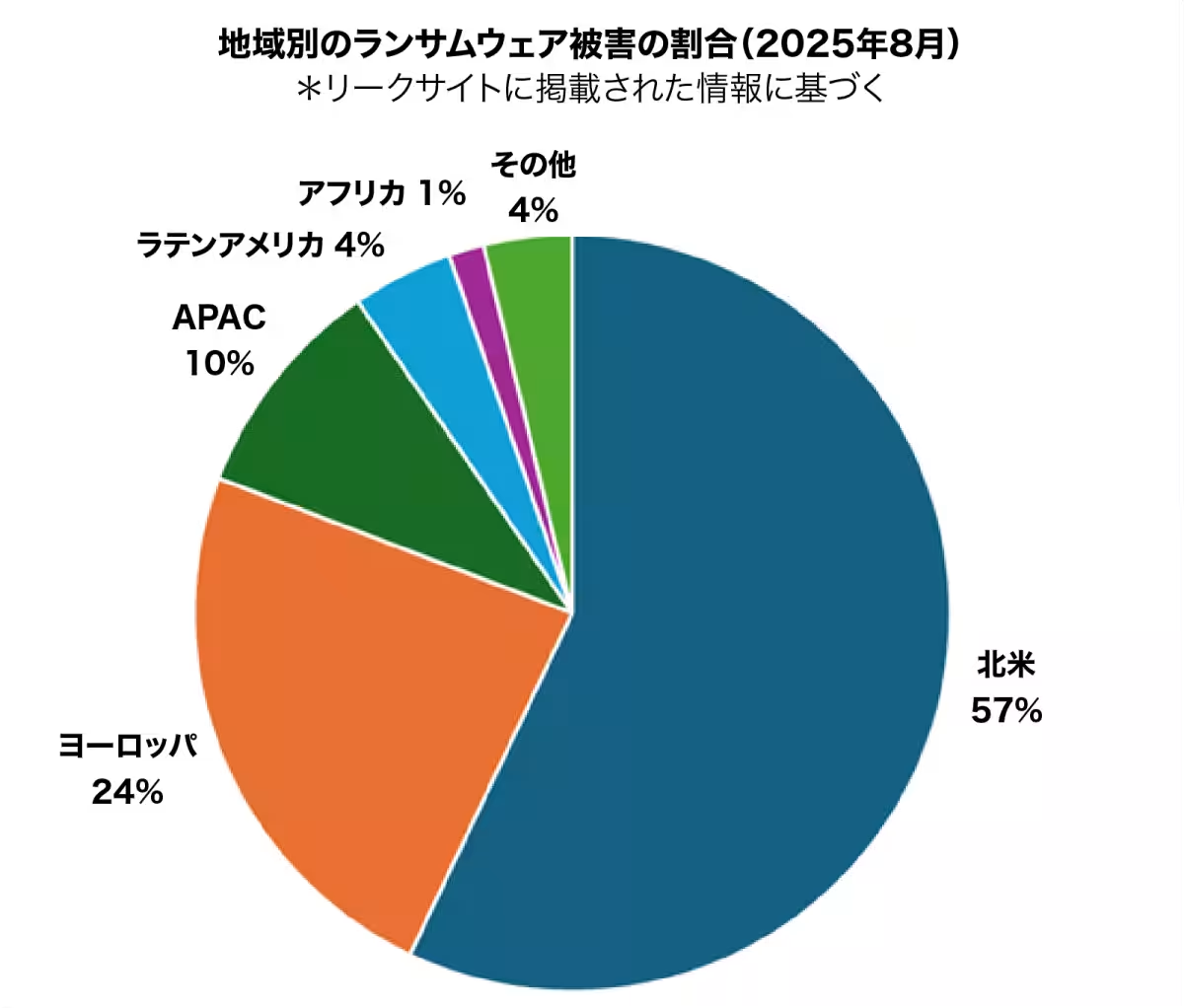
Ransomware remains one of the most destructive threat vectors, with 531 incidents reported in August, marking a 14% increase year-over-year. North America bore the brunt, suffering 57% of the total reported incidents, followed by Europe at 24%, with the U.S. alone accounting for 54%. Significant targets included the UK (7%) and Germany (6%).
Industry-Specific Ransomware Impact
The manufacturing sector experienced the highest impact, comprising 13.6% of all ransomware incidents, followed closely by business services at 11.9% and construction/engineering at 10.4%. Other industries, including healthcare, consumer goods/services, and financial services, are not spared from the fallout.
Notable Ransomware Groups
August data from ransomware leak sites indicates shifts in power dynamics among major groups:
- - Qilin accounted for 16% of attacks, leveraging Rust-based encryption tools and an enhanced Ransomware as a Service (RaaS) infrastructure.
- - Akira, focusing on business services and manufacturing, made up 8% of attacks with its evolving Rust-based tools targeting ESXi systems.
- - Inc. Ransom represented 6% of incidents, suggesting a persistent risk to essential services, differing from the typical focus on healthcare and education sectors.
These insights are derived from Check Point’s ThreatCloud AI platform, which employs over 50 AI engines to analyze millions of endpoints, providing real-time visibility into the global threat landscape.
Check Point's Perspective
While the total volume of attacks remains stable, the refinement of attack strategies and widespread exploitation of vulnerabilities across industries and regions signals an urgent need for organizations to bolster their defenses. The ongoing surge in ransomware activity combined with repeated targeting of education, manufacturing, and essential services emphasizes the imperative for proactive security measures.
Today's threats require a multilayered approach, transcending traditional detection methods. Organizations must implement real-time proactive security to thwart attacks before they escalate. Moving forward, organizations must adopt a prevention-first posture, harnessing advanced threat intelligence to ensure comprehensive protection throughout their environment, spanning networks, clouds, and endpoints. Only by staying a step ahead of attackers can organizations effectively mitigate risks and foster long-term resilience.
Topics Business Technology)
【About Using Articles】
You can freely use the title and article content by linking to the page where the article is posted.
※ Images cannot be used.
【About Links】
Links are free to use.