



Over 70% of Companies Achieve New 2.7% Employment Quota, But Doubts Remain on Sustainability
Overview of Employment Quota Changes
A recent study conducted by General Partners, a Tokyo-based firm, examined the status and efforts of private companies regarding the legal employment quota for disabled individuals. As of July 1, 2026, the required employment rate increased from 2.5% to 2.7%. The study reveals significant insights into how companies are faring under these new regulations.
Achievements and Concerns
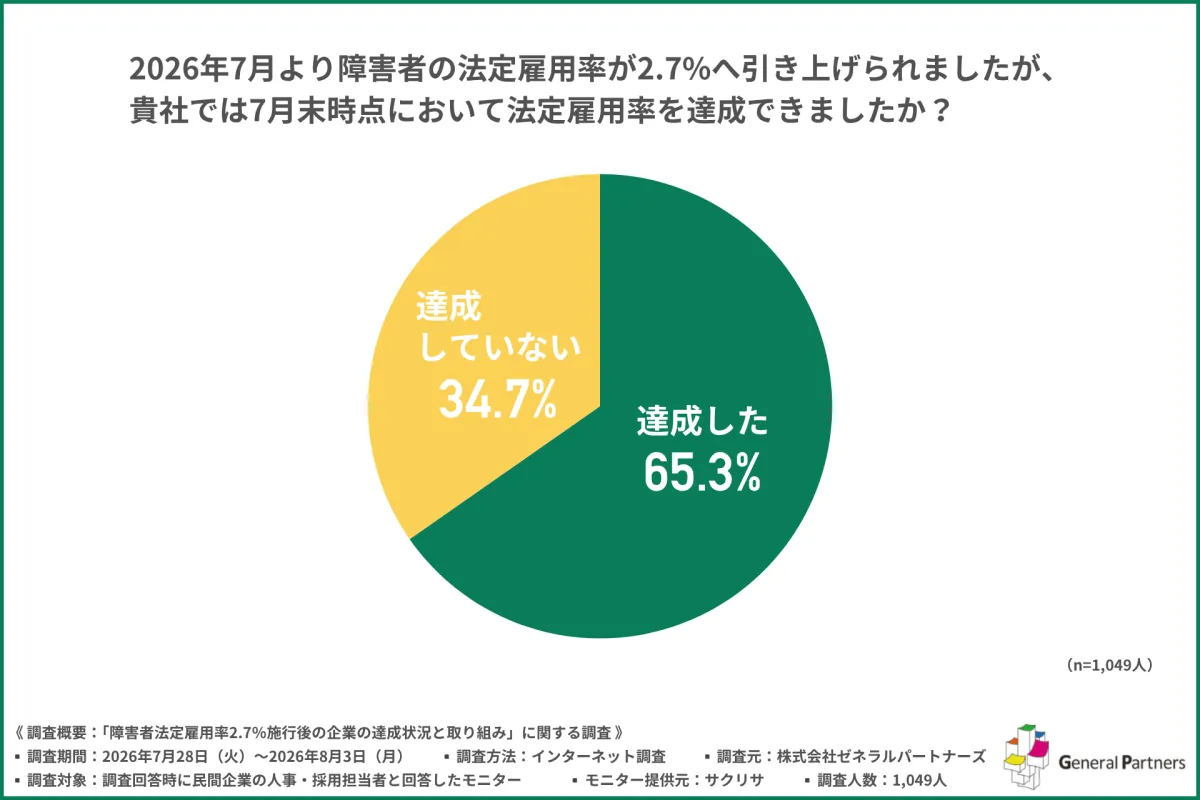
In March, only about 37% of companies reported having met the employment quota. However, in a follow-up study conducted shortly after the increase, this number rose to over 70%. This indicates that a majority of firms have ramped up their hiring efforts in anticipation of the regulatory change.
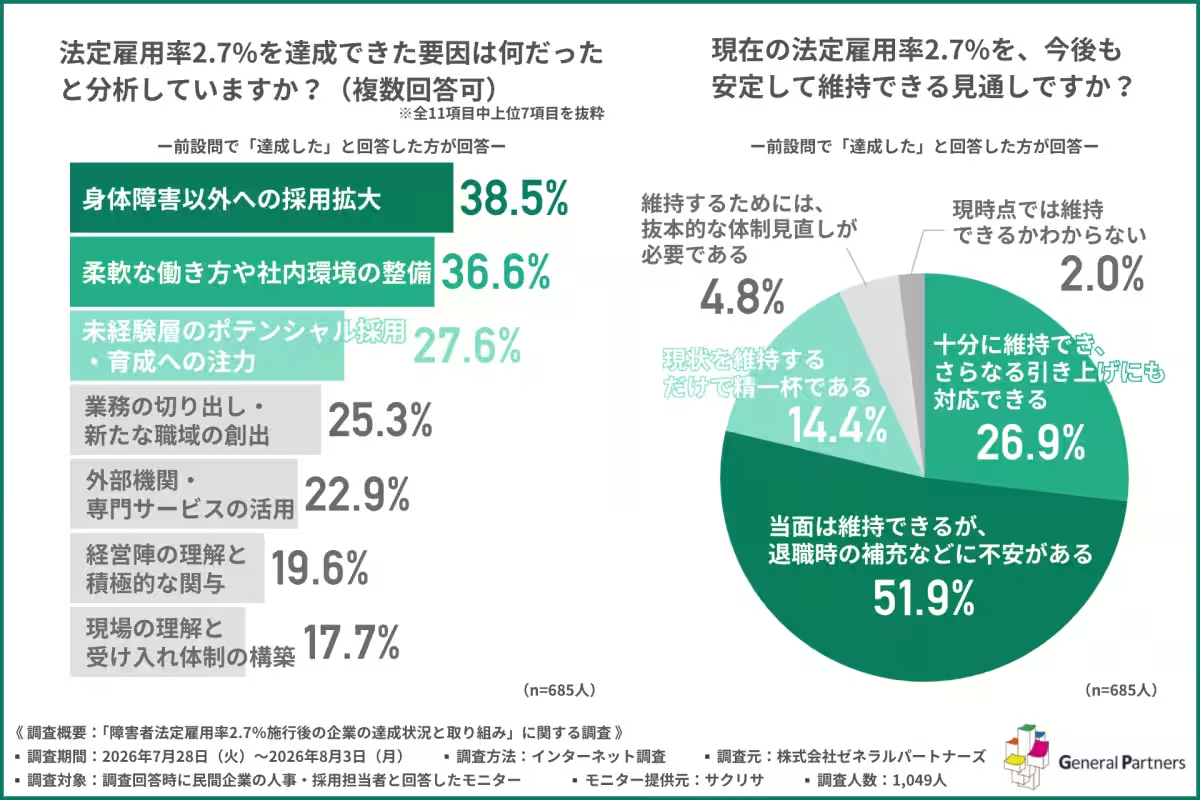
Despite these achievements, more than half of the companies expressed concerns regarding their ability to maintain this quota in the long term. The biggest worry is related to the replacement of employees in case of turnover. As it stands, around 51.9% of the survey participants shared a sense of unease about maintaining compliance with the new quota as the industry adapts.
The Road Ahead: Hiring Strategies and Internal Support
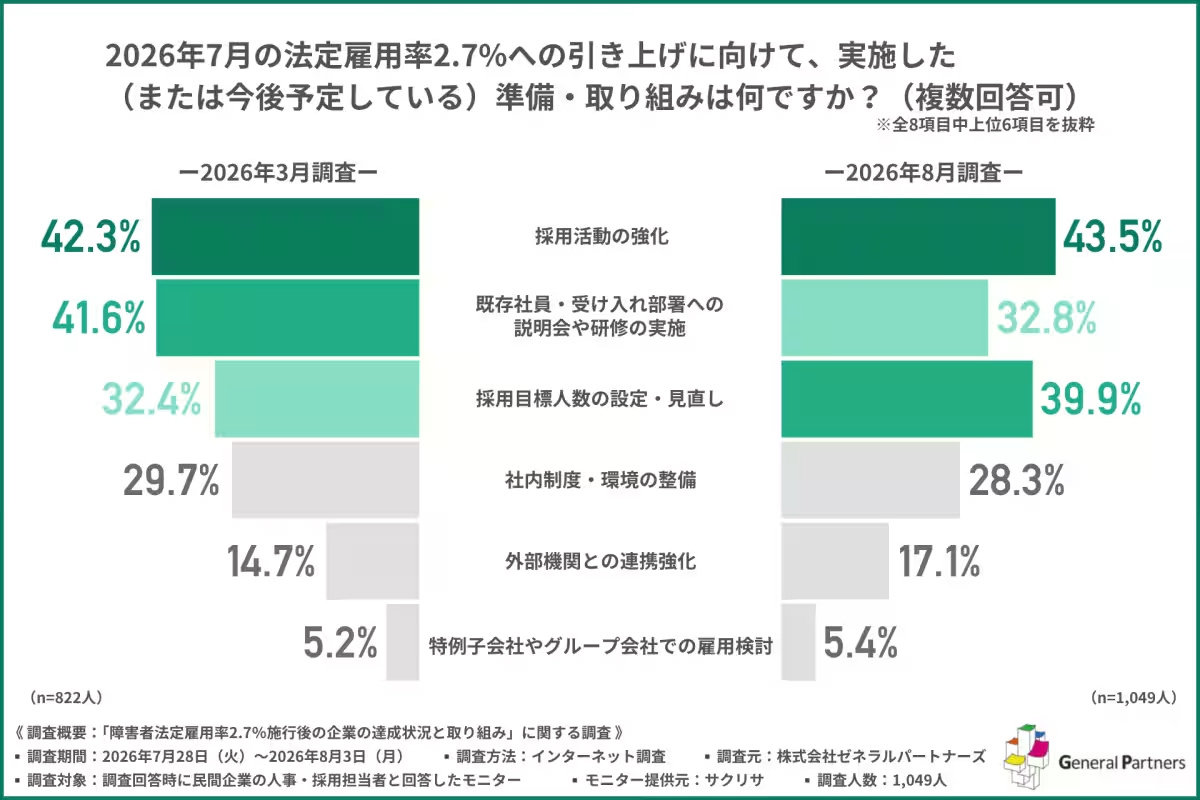
Our findings indicate that most companies prioritize strengthening their recruitment strategies. The survey indicates companies shifted their focus from educating existing employees about disability employment to directly setting hiring targets. This reflects a movement away from theoretical preparation to practical measures in hiring.
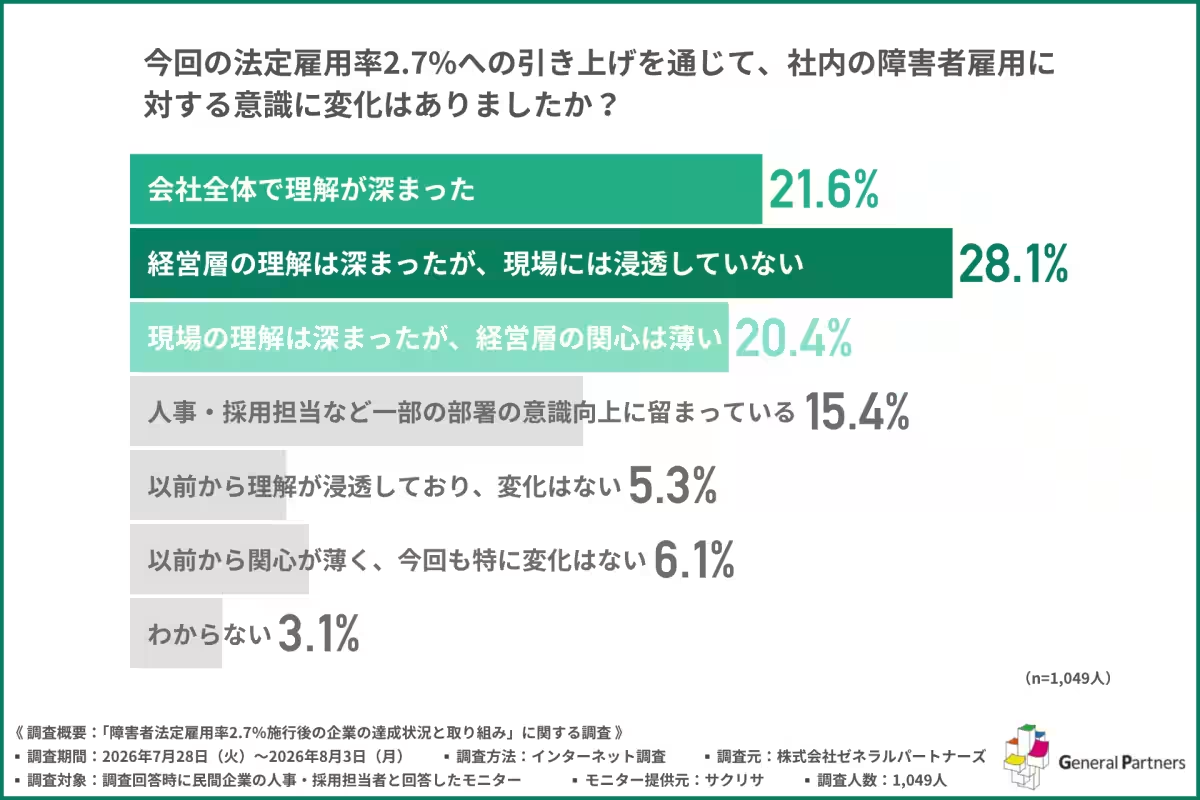
However, the gap between management and frontline workers regarding understanding disability employment remains significant. While 28% of respondents noted that insights into the necessity of inclusion have not percolated to the operational levels, about 21% state that the awareness has improved company-wide.
Challenges Faced by Medium-Sized Enterprises
The survey also revealed stark disparities in achievement rates based on company size. Larger organizations (1,000+ employees) showed a success rate of 74.3%, whereas medium-sized companies (100-999 employees) had a significantly lower rate of 60.3%. This discrepancy emphasizes the unique pressure medium enterprises face, particularly with increased obligations amid limited resources.
Moreover, smaller firms (40-49 employees) were shown to meet compliance more readily, often due to the lower threshold for required hires. This emphasizes the necessity for targeted support for medium-sized companies who reported difficulties in scaling hiring efforts efficiently.
Understanding Why Some Companies Fail to Meet Quota
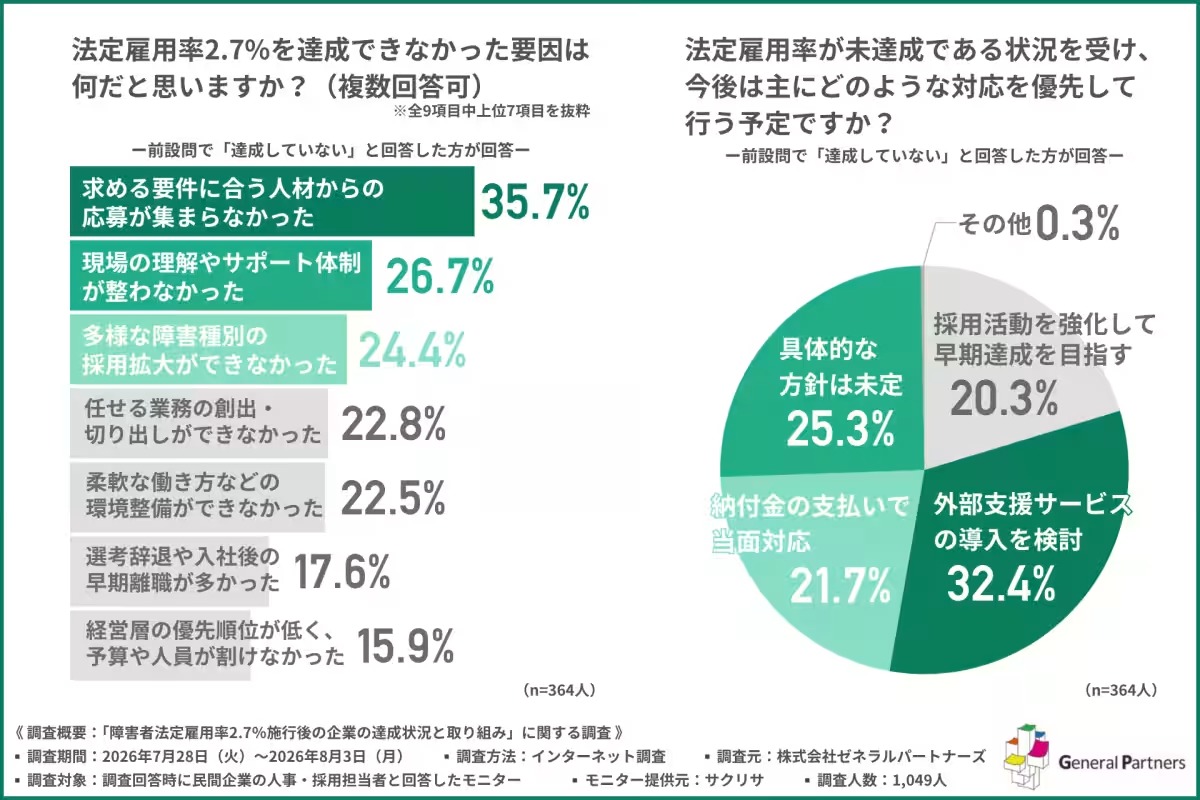
For those companies that did not achieve the new regulatory standards, the primary barrier identified was a lack of suitable candidates. Approximately 35.7% reported difficulties in attracting applicants that met their requirements. Additionally, inadequate infrastructure for internal support and the inability to broaden the spectrum of disabilities represented within hiring were prominent issues.
These findings highlight a potential lack of preparedness in creating a supportive environment conducive to disability employment. Many businesses are struggling with the internal changes necessary to foster inclusivity, pointing to a broader need for external expertise in this area.
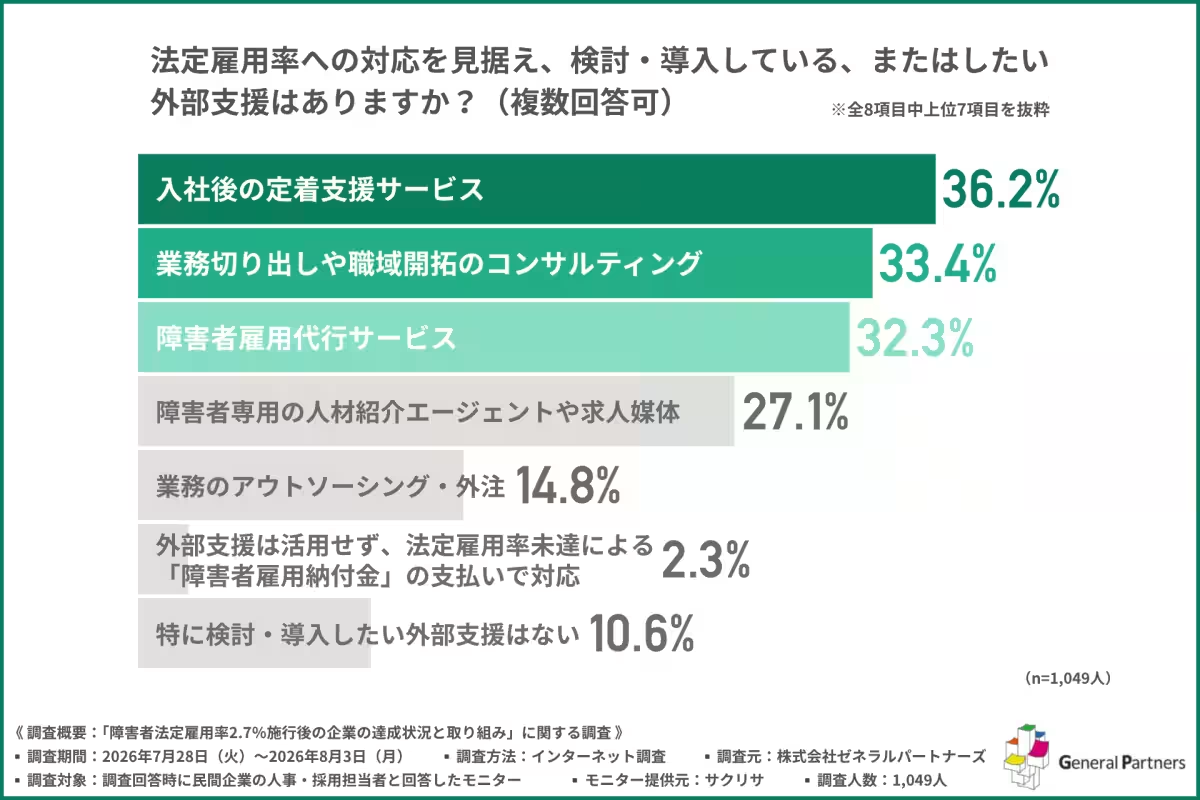
Moving Forward: Importance of Retention and Support Services
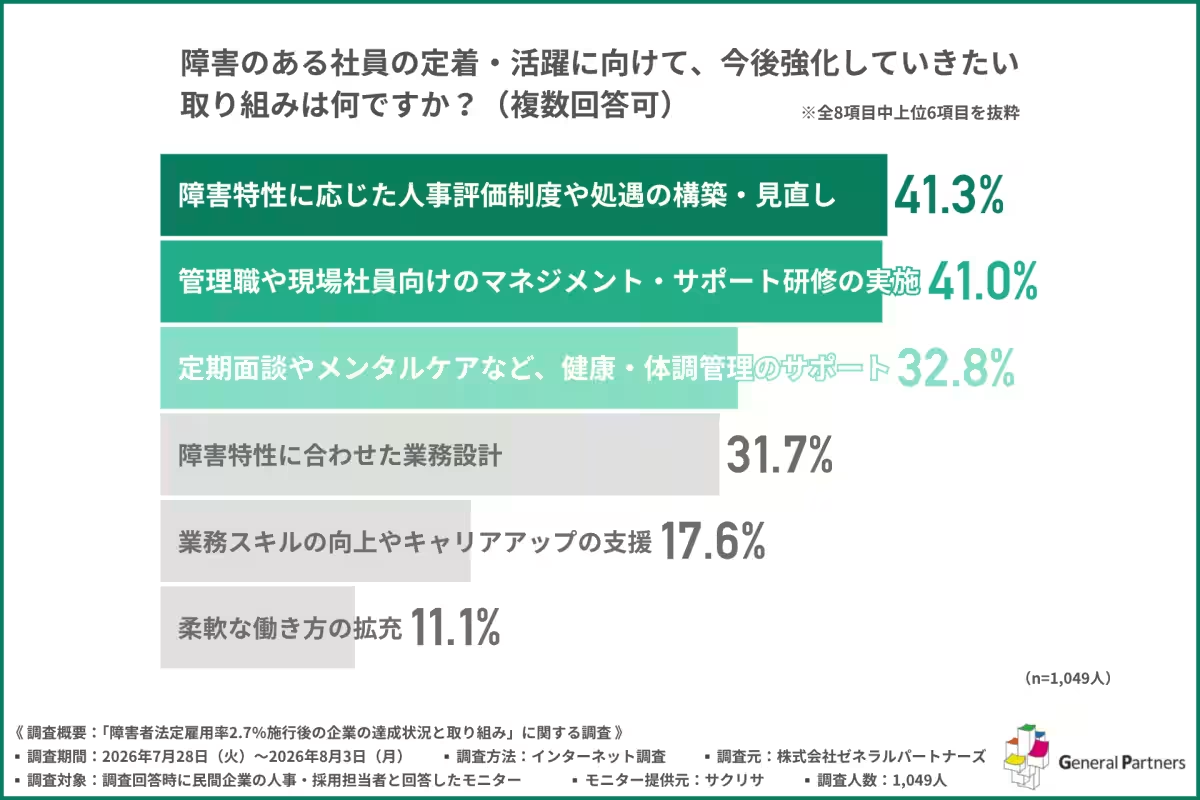
As companies navigate the changing landscape of disability employment standards, the focus is shifting from merely achieving quotas to ensuring the effective integration and retention of disabled staff. Approximately 41% intend to improve their evaluation and treatment protocols tailored to the unique abilities of their employees.
Furthermore, plans to enhance management training and support resources indicate a recognition of ensuring that employees thrive within an inclusive setting is paramount.
Conclusion
The transition to a 2.7% employment quota marks a significant evolution in disability employment legislation. However, it has become evident that meeting these quotas does not equate to success in facilitating a welcoming and sustaining environment for disabled employees. Organizations must now prioritize retention and support while actively seeking to address the barriers that have historically hindered inclusivity in the workplace.
The landscape is evolving; businesses must adapt by embracing diverse hiring practices and laying the groundwork for an inclusive future that goes beyond compliance to truly support the needs of their diverse workforce.

Topics People & Culture)
【About Using Articles】
You can freely use the title and article content by linking to the page where the article is posted.
※ Images cannot be used.
【About Links】
Links are free to use.