



The Hidden Costs of EC Operations: Why Data Management is Hindering Growth
The Hidden Costs of EC Operations
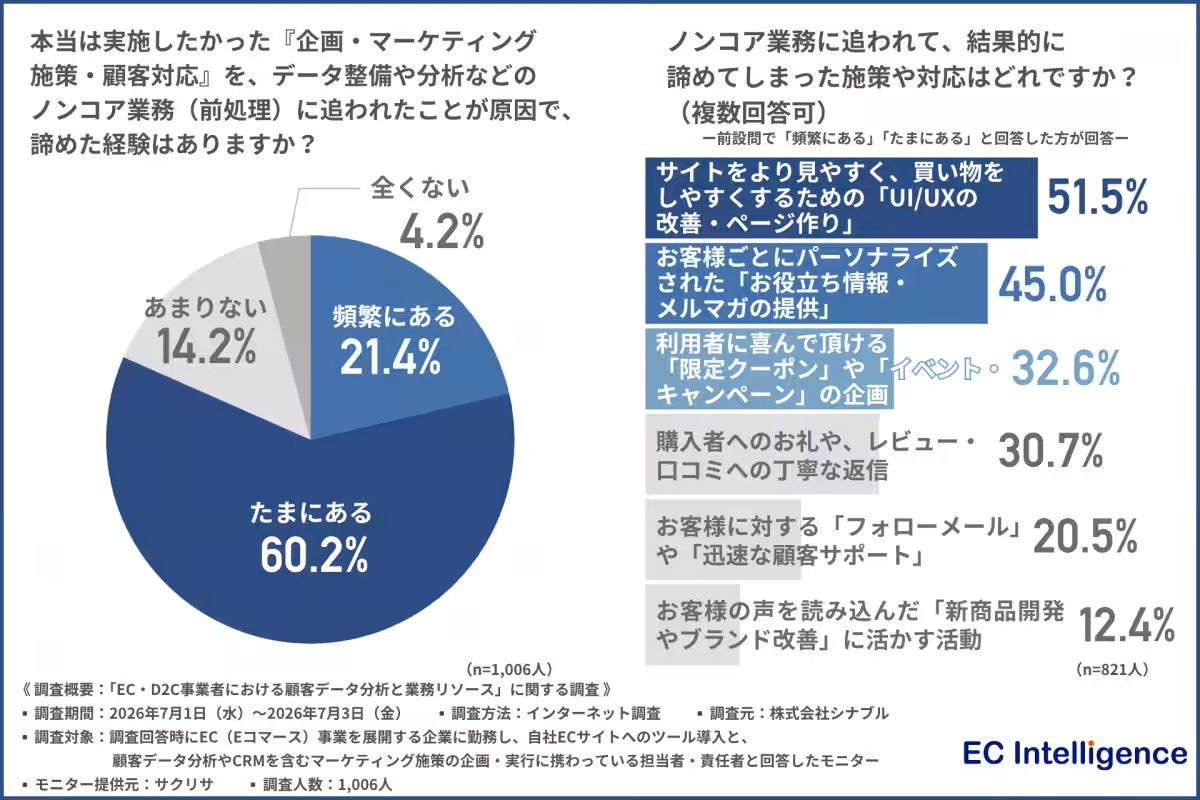
In the rapidly evolving realm of e-commerce (EC), data management has become a critical yet cumbersome aspect for businesses. Recent findings from a study conducted by Scinable reveal that over 81% of EC professionals have had to forego essential strategies aimed at enhancing sales due to the overwhelming burden of non-core tasks, particularly data processing.
Findings of the Study
The analysis focused on the challenges faced by EC and direct-to-consumer (D2C) businesses, particularly those responsible for integrating tools into their own EC sites and engaging in customer data analysis and marketing initiatives. Here are some noteworthy statistics that highlight the profound impact of data management on operational efficiency:
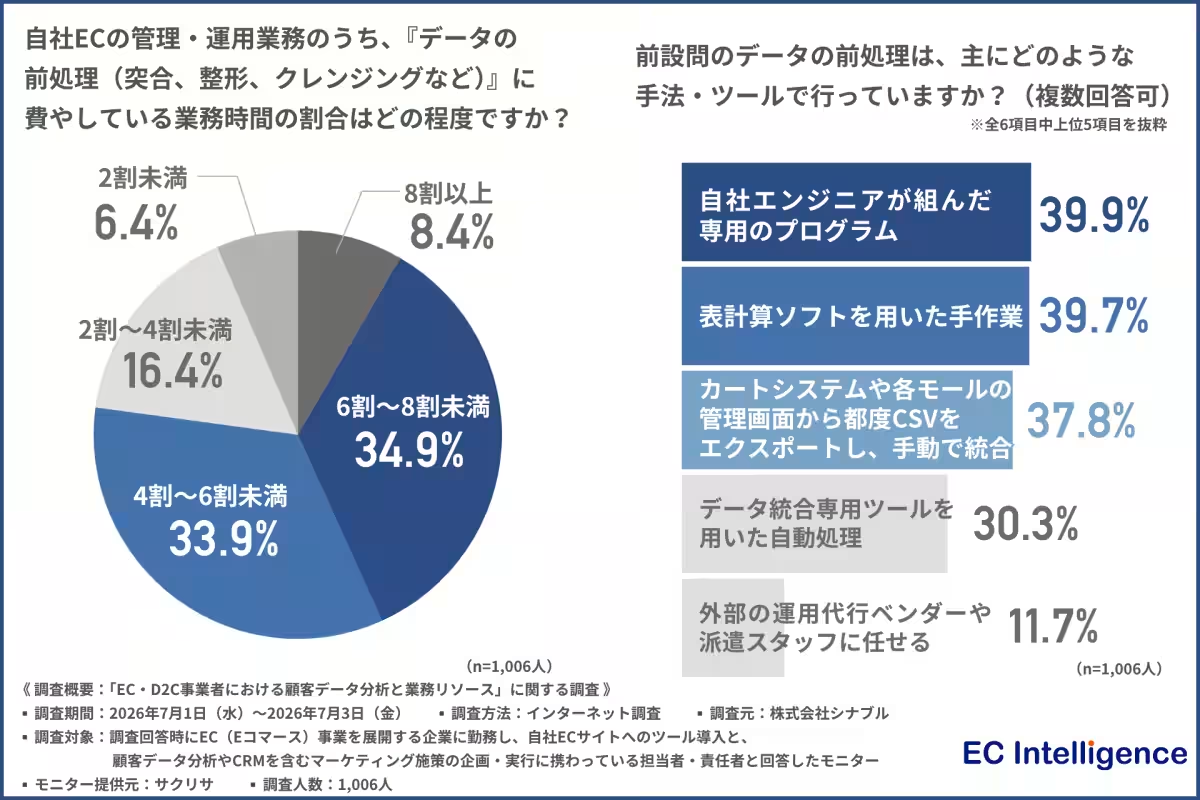
- - Over 68% of respondents spend 40% or more of their work hours on data preprocessing, including merging and cleansing data.
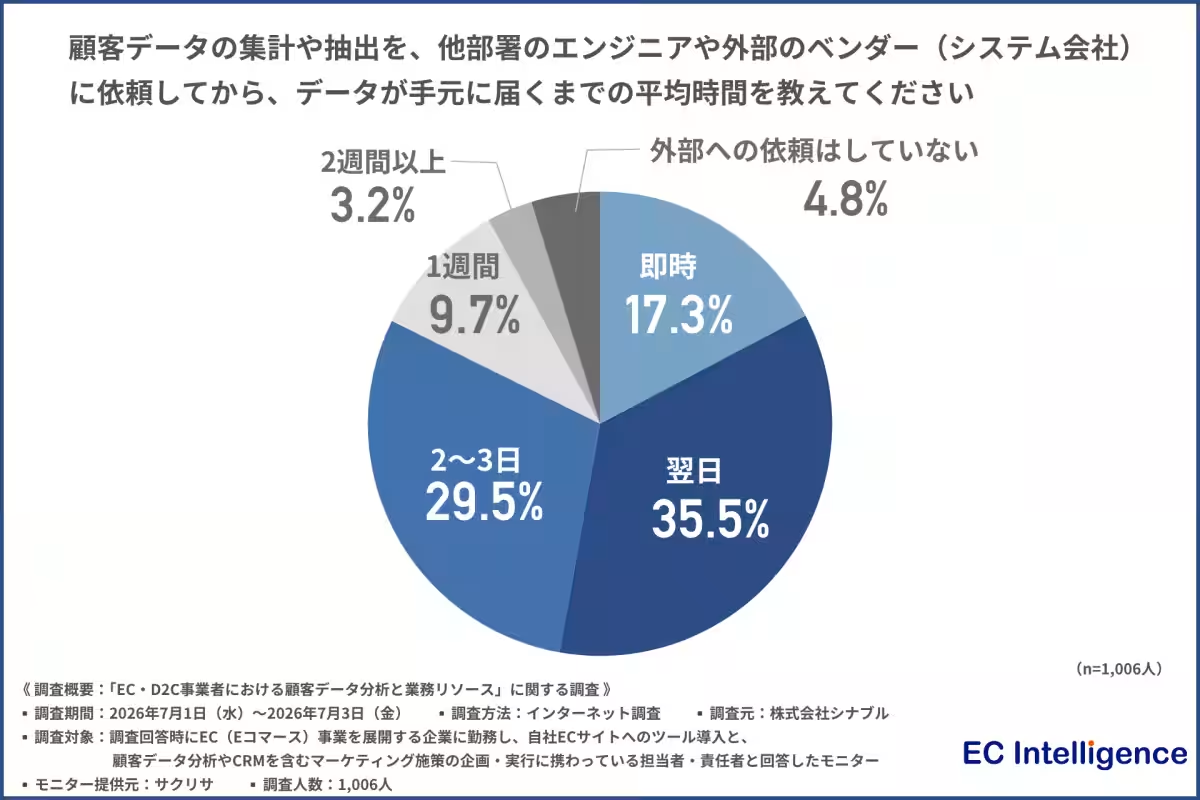
- - Data extraction requests frequently take over a day to fulfill, with 80% of respondents indicating that they don't receive needed data in a timely manner.
- - The most commonly abandoned projects include UI/UX improvements (51.5%) and personalized communication initiatives (45%).
The Underlying Issues
EC professionals frequently cite the complexities inherent in data processing as the primary cause for these setbacks. Manual tasks, convoluted processing rules, and delays caused by waiting for engineering support contribute significantly to inefficiencies. For many, the experience feels like spending more time grappling with data management than focusing on customer engagement and innovative projects.
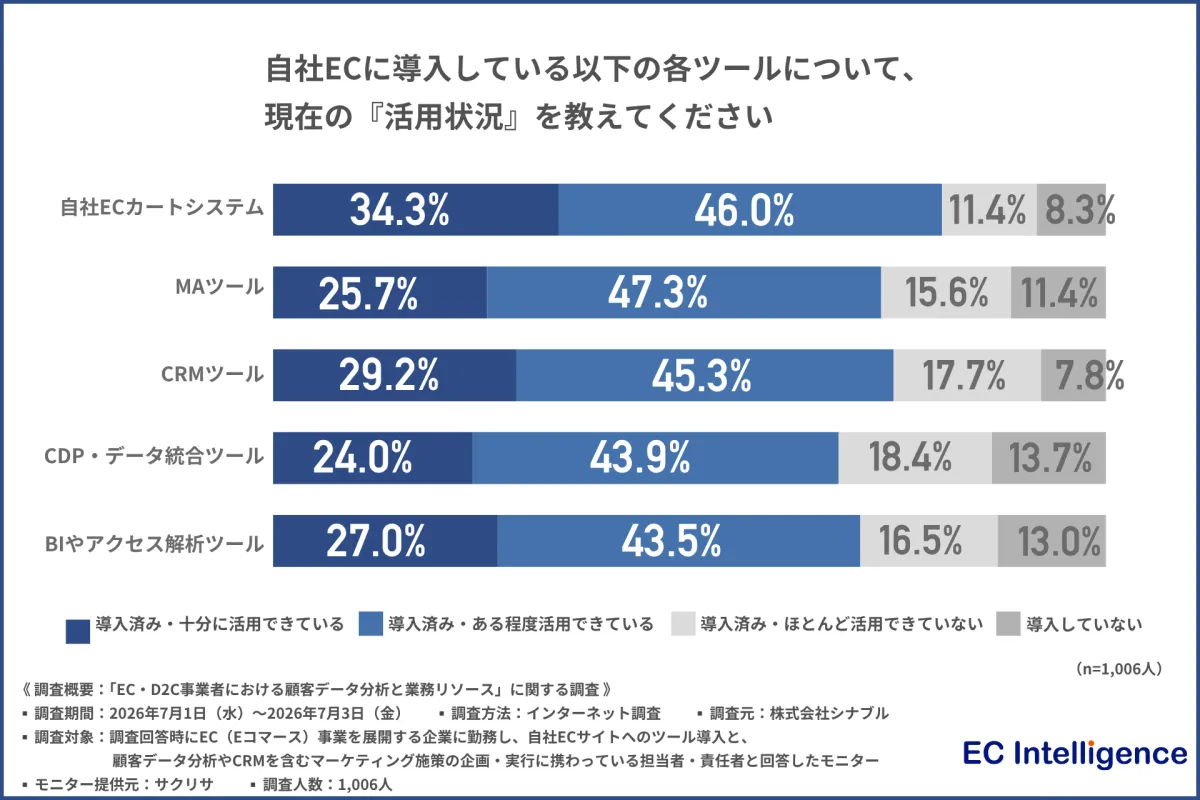
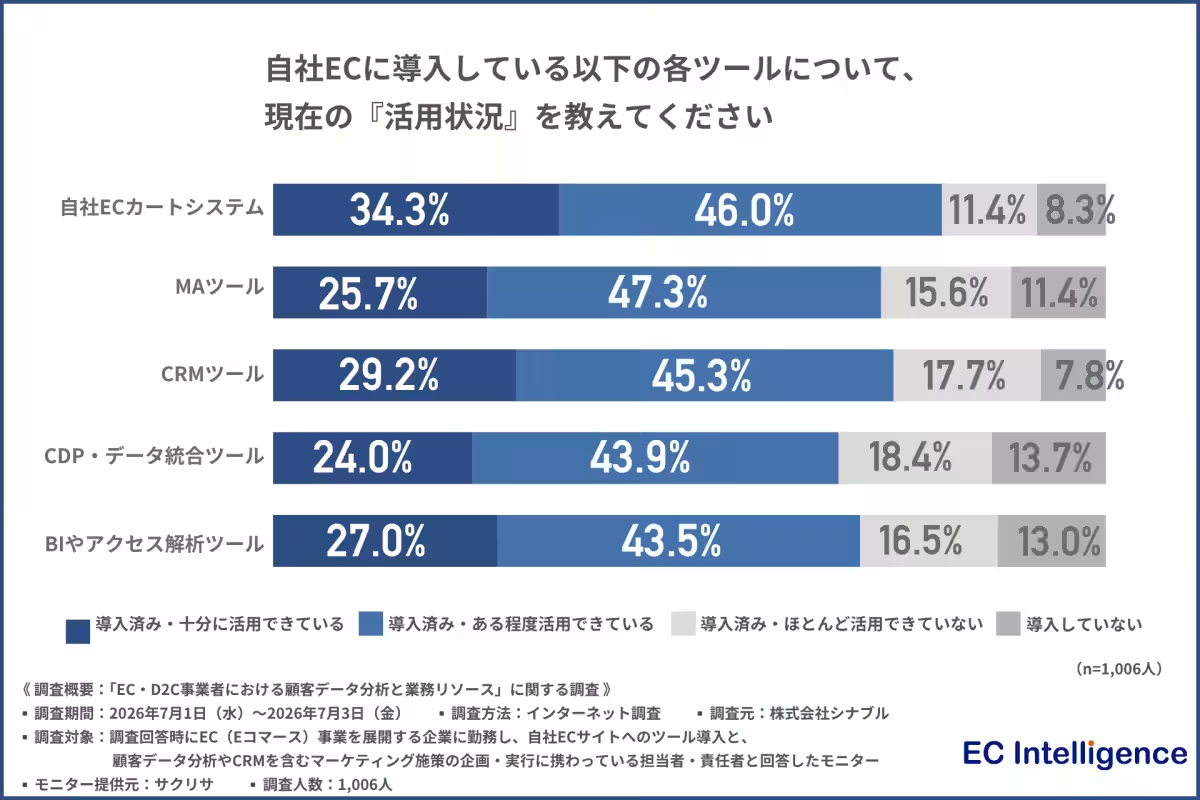
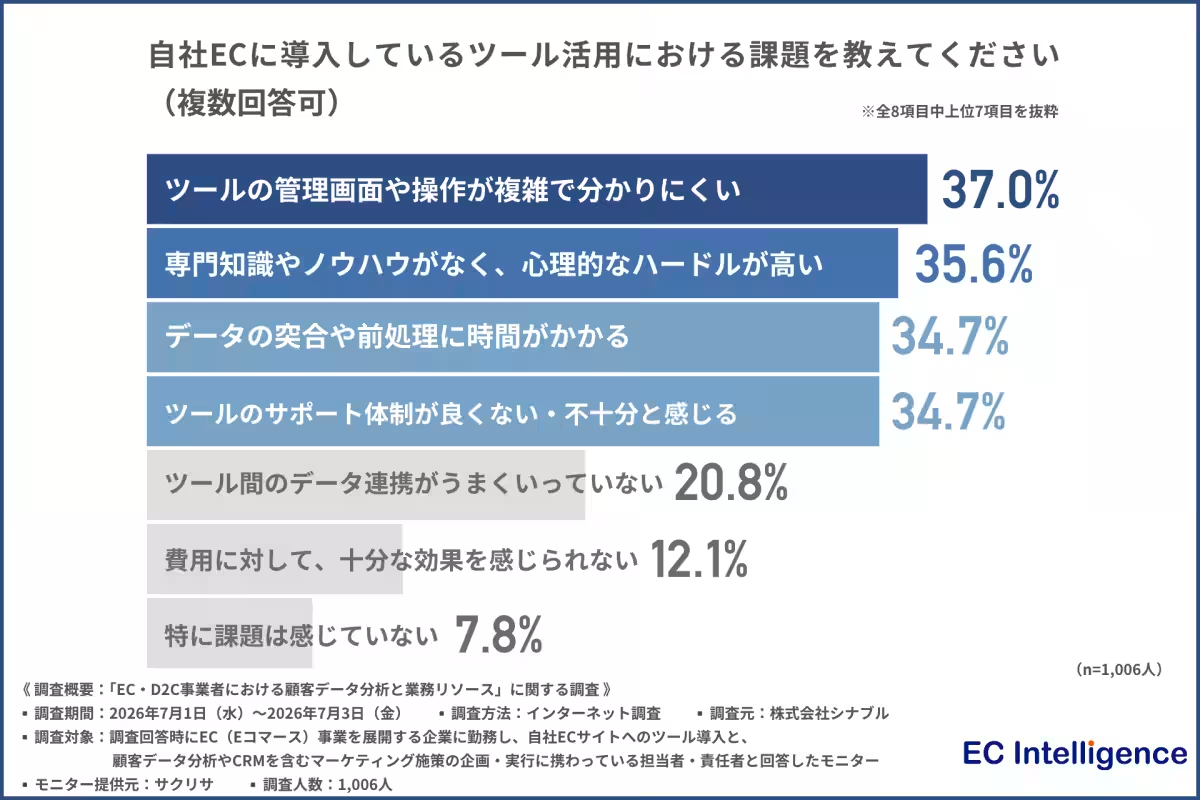
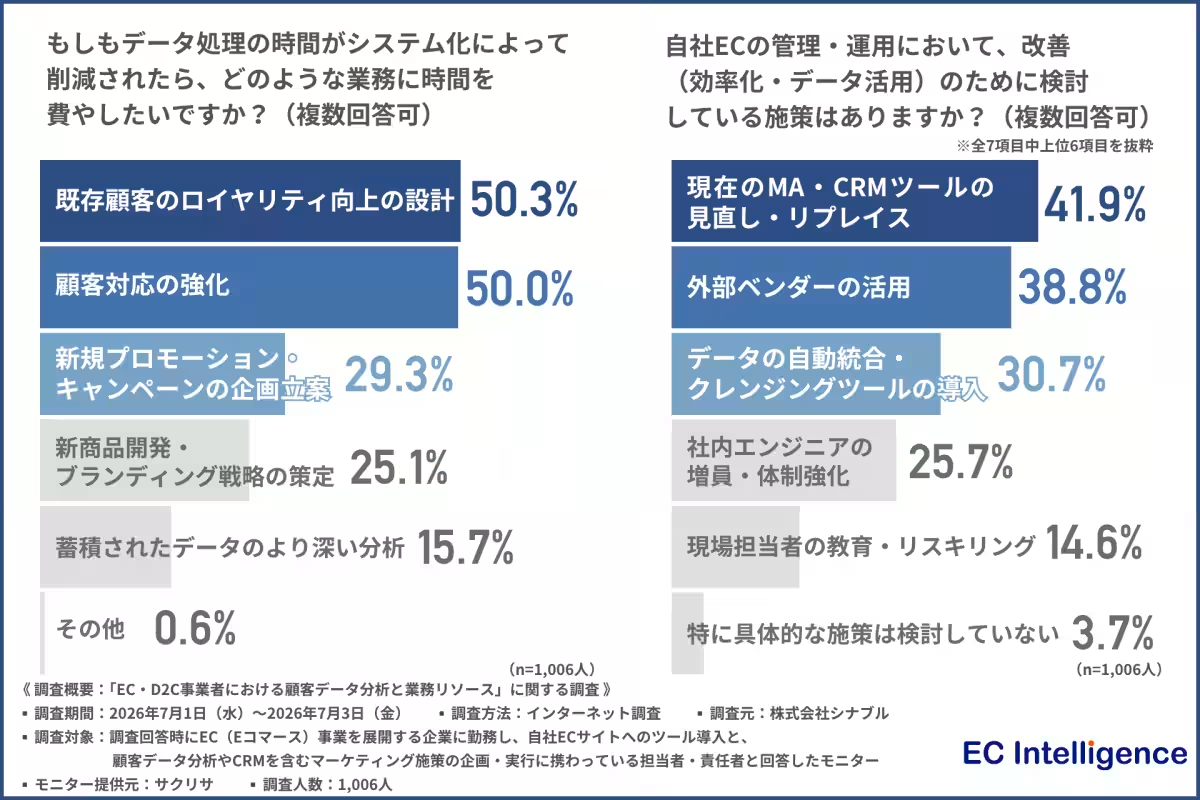
With 41.9% of survey participants contemplating a review or replacement of their current marketing automation (MA) and customer relationship management (CRM) systems, it’s evident that the current tools are falling short. A common frustration is the complicated interfaces that fail to allow for straightforward operation; 37% expressed that they found their tools overly complex and difficult to navigate.
The Time Drain
Resources are severely strained, with data preprocessing taking up a considerable portion of the workweek. More than 34% of respondents report that between 60-80% of their work hours vanish into data management, which is a worrying trend. This challenge leads to wasted potential, as valuable time that could be devoted to enhancing customer interactions or implementing key marketing strategies is squandered on routine data tasks.
The reliance on manual tools, such as spreadsheets, further exacerbates this issue, as nearly 40% of professionals still depend on such outdated methods, leading to inefficiencies and elongated processing times.
A Closer Look at Solutions
The survey does not just uncover the problems but also hints at possible solutions. The desire for a more efficient working environment is evident. EC professionals express a strong interest in leveraging automation—if freed from the burdens of data preprocessing, many would prefer to devote their energy towards enhancing customer loyalty through tailored CRM strategies and supporting customer success initiatives.
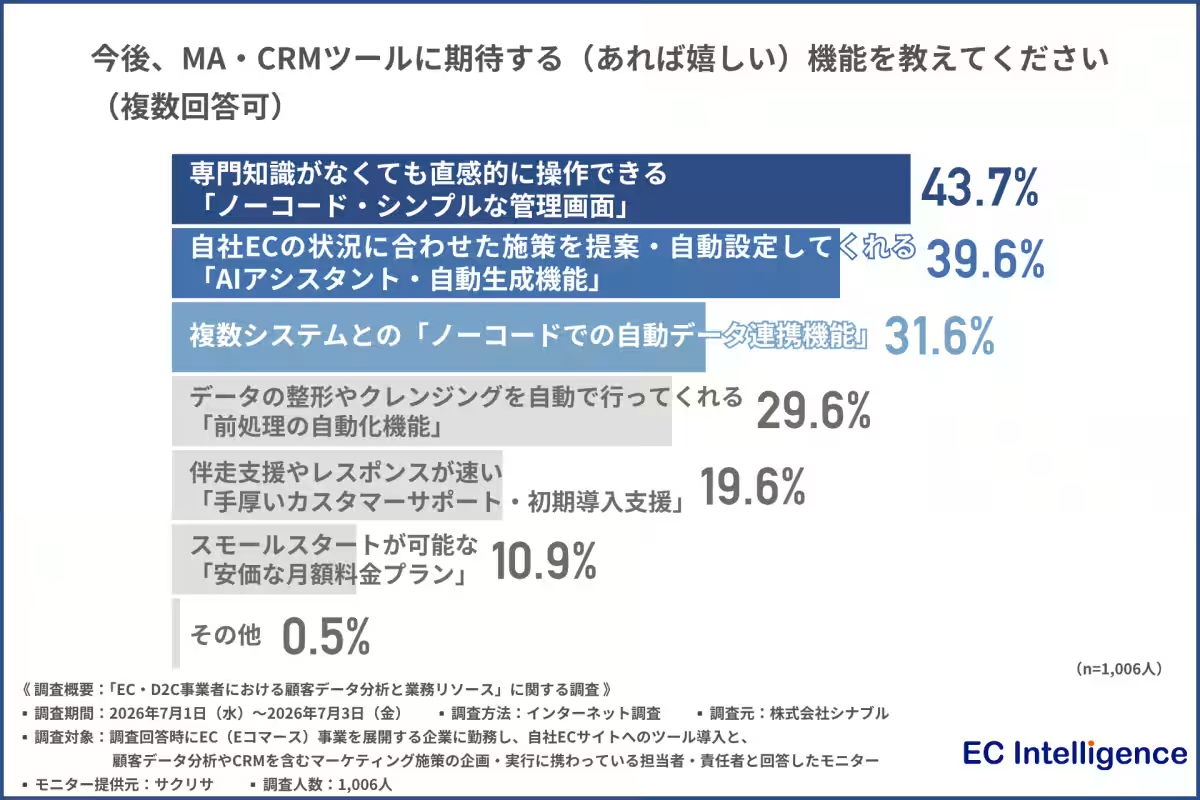
The quest for ease of use in technology is apparent. More than 43% of participants indicated a yearning for no-code management interfaces, simplifying operations and reducing the learning curve associated with tool use. This feedback suggests an opportunity for tech providers to focus on user-friendly designs that minimize the needed expertise and enhance accessibility.
Future Directions
In light of these findings, companies need to rethink their current approaches to data management. Integrating advanced, automated tools that streamline data processing not only helps alleviate these burdens but significantly enhances the capacity for customer engagement and strategic planning. By investing in appropriate technologies that are intuitive and simplify complex operations, EC businesses can empower their teams and shift focus from managing data to driving growth.
Ultimately, fostering a working environment that emphasizes efficiency and simplicity can be a game-changer in the e-commerce industry. As evidenced by Scinable's findings, organizations must prioritize these improvements in order to reclaim valuable time and enhance their marketing efforts, ensuring that they can meet the demands of today’s dynamic market.
- ---
In conclusion, as e-commerce continues to grow and evolve, it is more essential than ever for businesses to develop streamlined, user-friendly data management systems. Doing so will not only address current inefficiencies but also set the stage for future growth and enhanced customer engagement.

Topics Consumer Products & Retail)
【About Using Articles】
You can freely use the title and article content by linking to the page where the article is posted.
※ Images cannot be used.
【About Links】
Links are free to use.