


Revolutionizing Facial Aesthetics: KTY FACE GYM Introduces AI-Powered Analysis
KTY FACE GYM: Merging Traditional Techniques with AI Technology
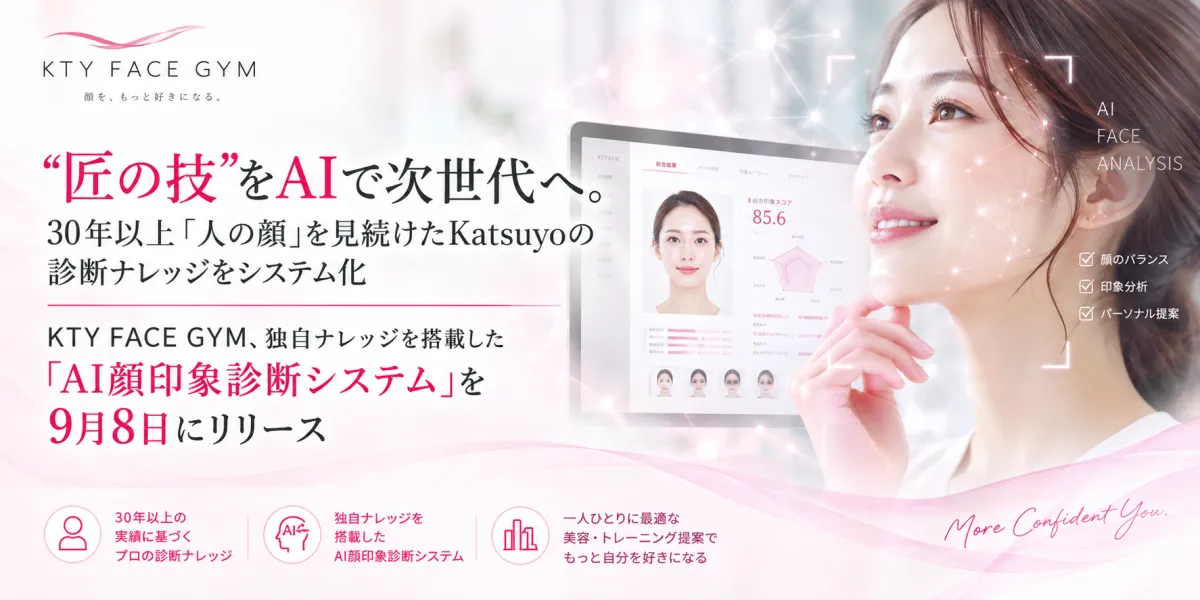
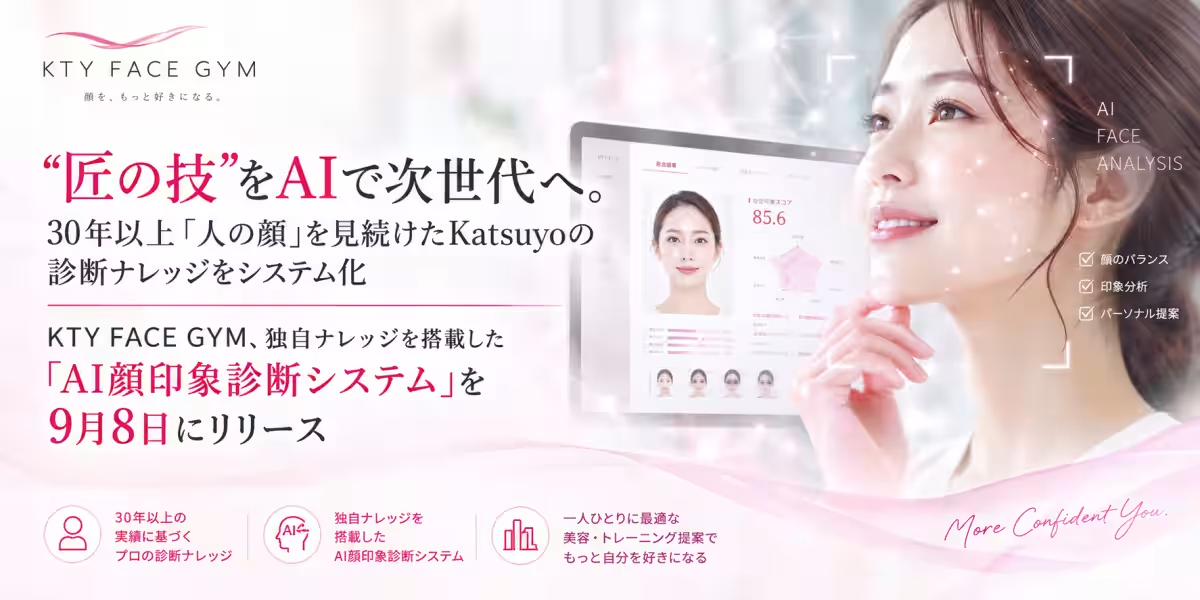
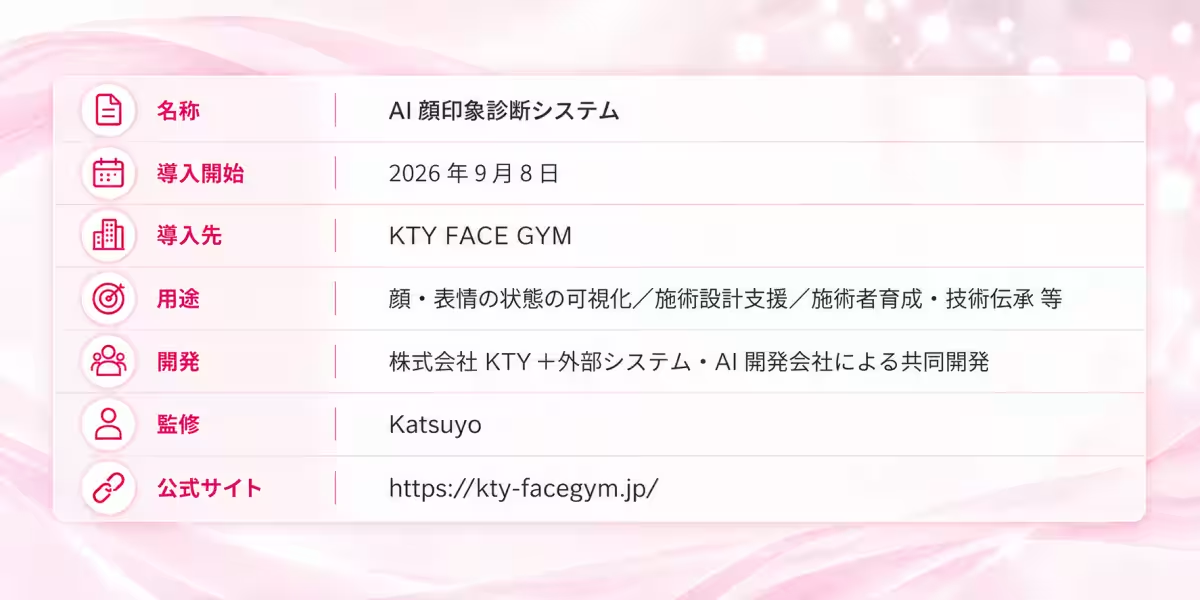
In an era where personal impressions are crucial for business success, KTY FACE GYM is paving the way for innovations in facial treatment through cutting-edge AI technology. Operating under KTY Corporation, the gym recently announced the launch of an innovative "AI Facial Impression Diagnosis System" set to be implemented from September 8, 2026. This system is designed to visualize the state of the face and expressions, aiding practitioners in their decision-making processes while preserving the invaluable expertise of Katsuyo, a facial expert with over 30 years of experience.
Background of Development: The Importance of Impressions in Professional Settings
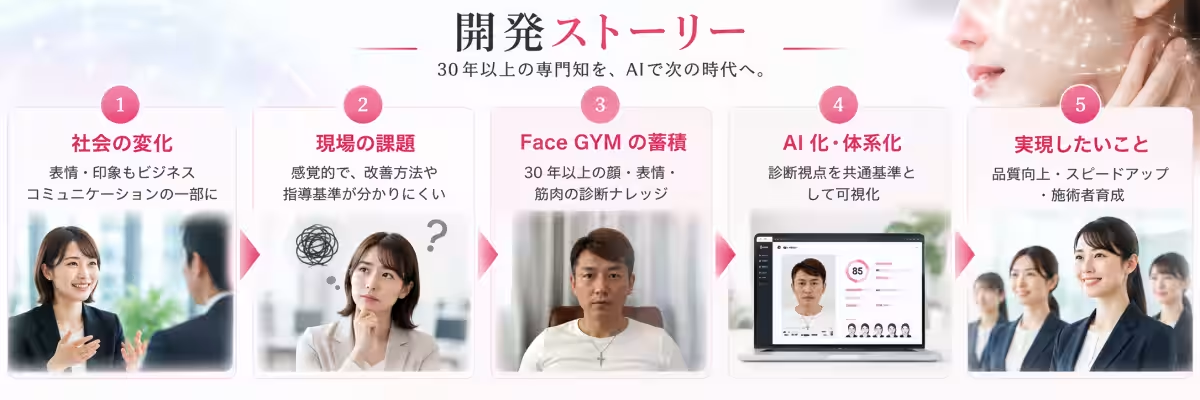
In various professional roles like sales, customer service, and management, the way individuals present themselves—beyond just their words or attire—can significantly impact their effectiveness. Notably, facial expressions convey a wealth of information and emotions that are essential for communication. However, articulating instructions to improve one’s facial expression, such as being told to smile more or appear friendlier, often lacks objectivity, making it hard for both the person receiving feedback and the one giving it.
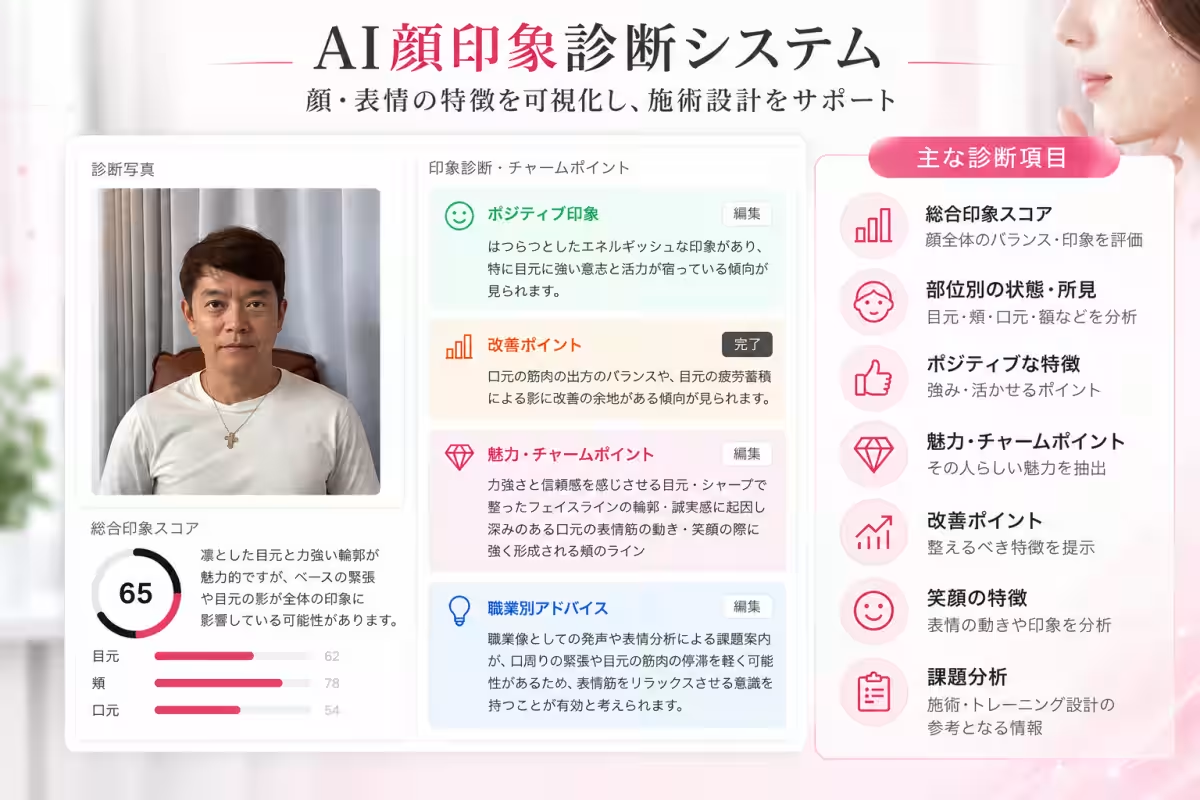
At KTY FACE GYM, facial aesthetics are seen not merely as a beauty pursuit but as critical elements that support attributes like trust, charm, and the ability to communicate effectively. With decades dedicated to analyzing facial muscles and expressions, Katsuyo’s work has culminated in the AI Facial Impression Diagnosis System, built in collaboration with external AI developers. This system sets a shared standard for practitioners, allowing for more precise and swift treatment designs.
KTY FACE GYM Philosophy: Repairing Before Training
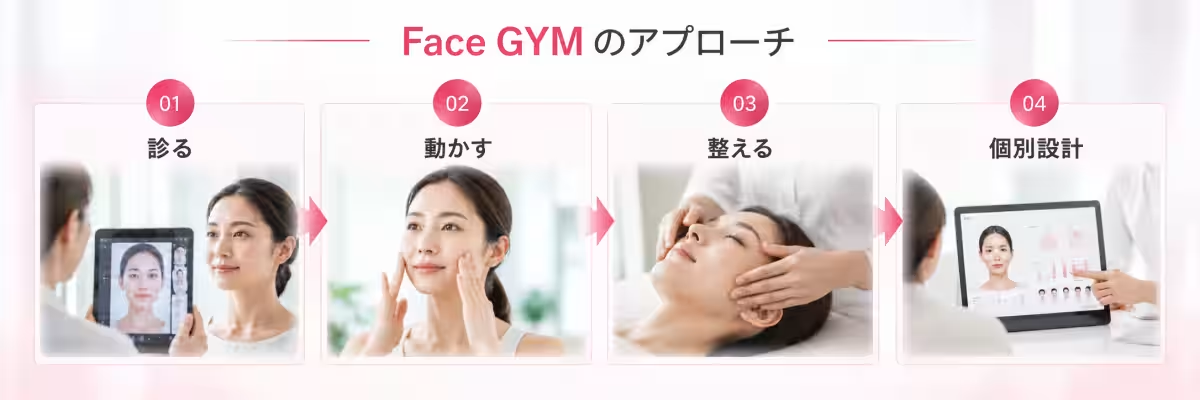
The vision of KTY FACE GYM extends beyond merely achieving a youthful or slimmer appearance. Facial expressions influence perceptions of trust, reassurance, and approachability in professional interactions. The gym emphasizes understanding the unique condition of each individual's facial muscles and their habitual expressions. By alleviating unnecessary tension and ensuring proper muscle movement, practitioners can tailor training to individual needs.
Understanding the AI Facial Impression Diagnosis System
This innovative system encapsulates the diagnostic perspective gained by Katsuyo over years of practice. Using facial photographs, it analyzes key aspects—such as the eyes, cheeks, mouth, forehead, and any existing asymmetries or distinctive features—and visualizes essential data that supports the practitioner’s assessments and decisions. While AI assists in revealing significant visual insights, it does not dictate the treatment—rather, practitioners use the analysis to design optimal training programs.
Three Key Evolutions Aimed With AI Integration
Embracing AI for enhanced practitioner support, KTY FACE GYM has set three transformative goals:
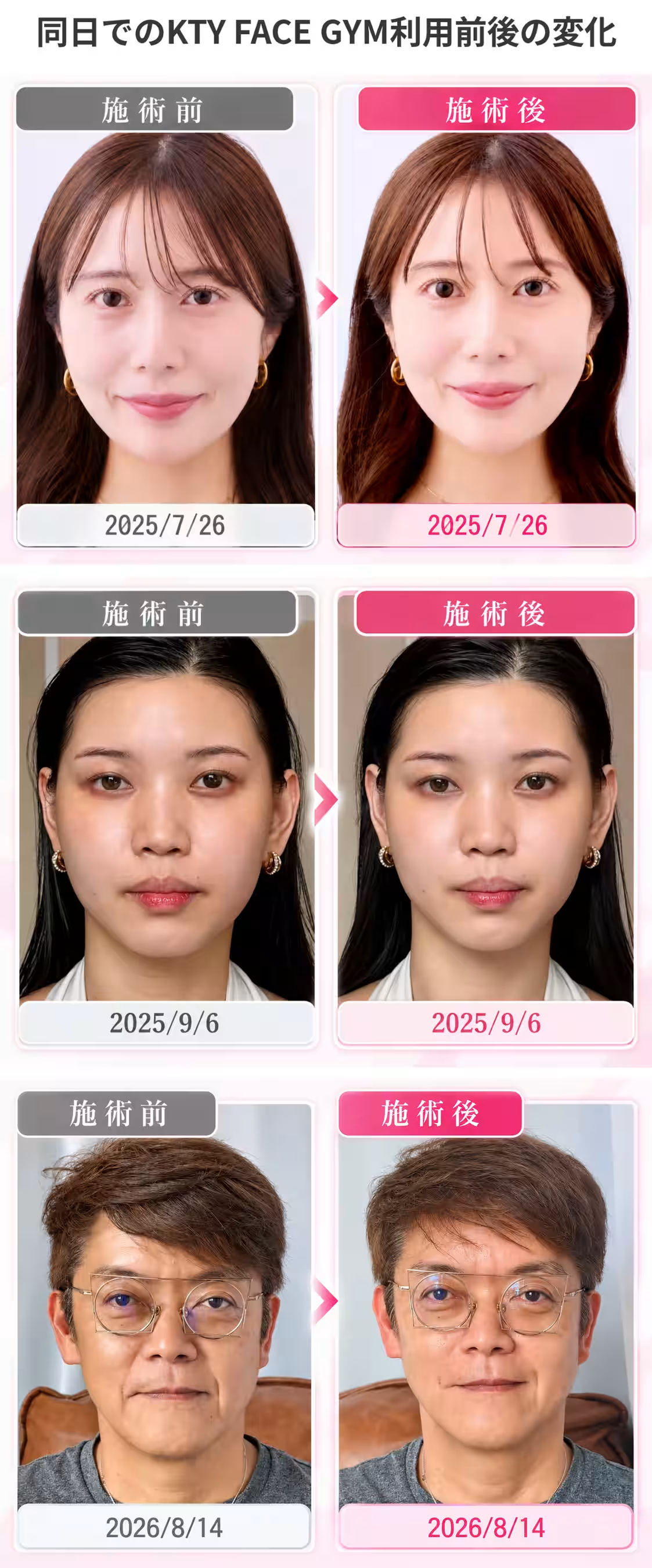
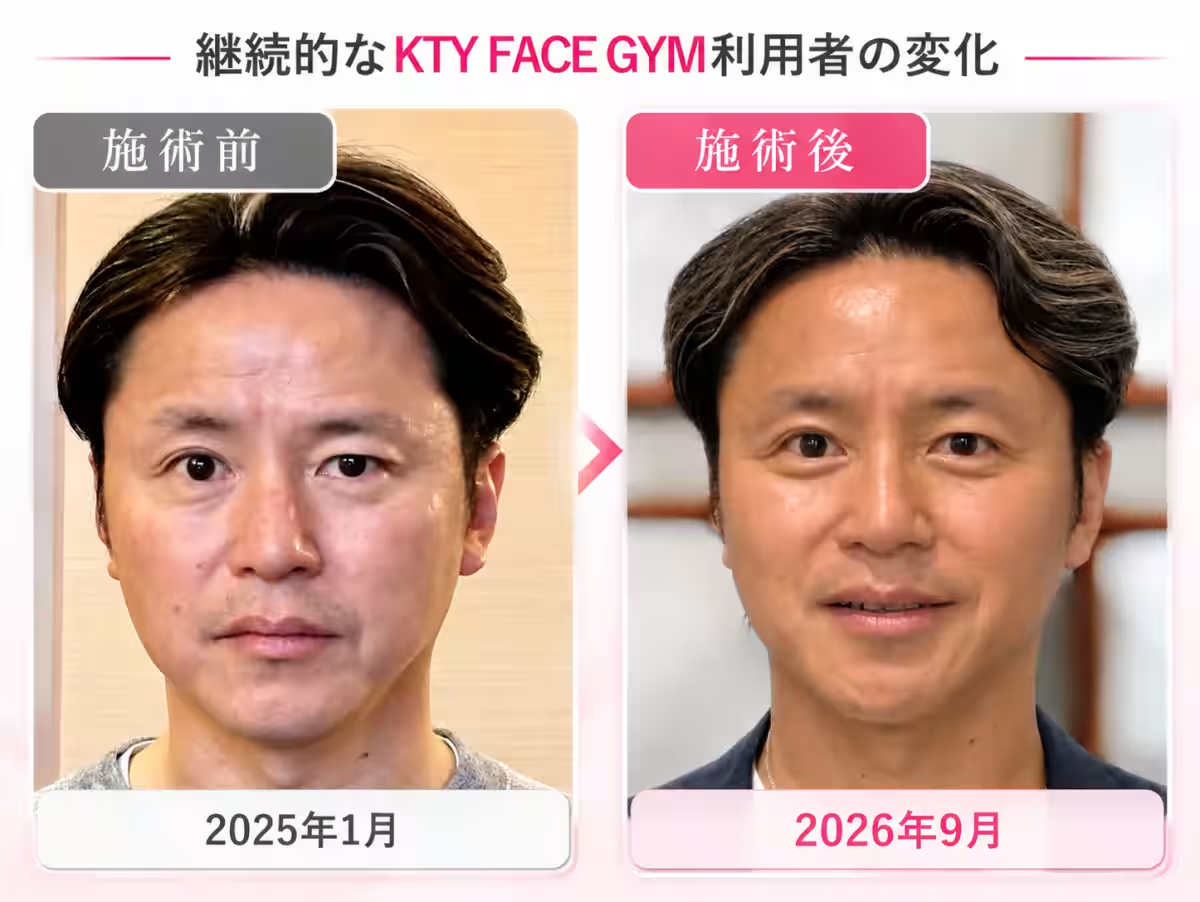
1. Visualizing Treatment Changes Objectively: In development trials, clients' before-and-after photos were captured under identical conditions to evaluate the AI system's capability in revealing visual changes. Though individual results may vary, this process emphasizes the significance of quantifiable progress.
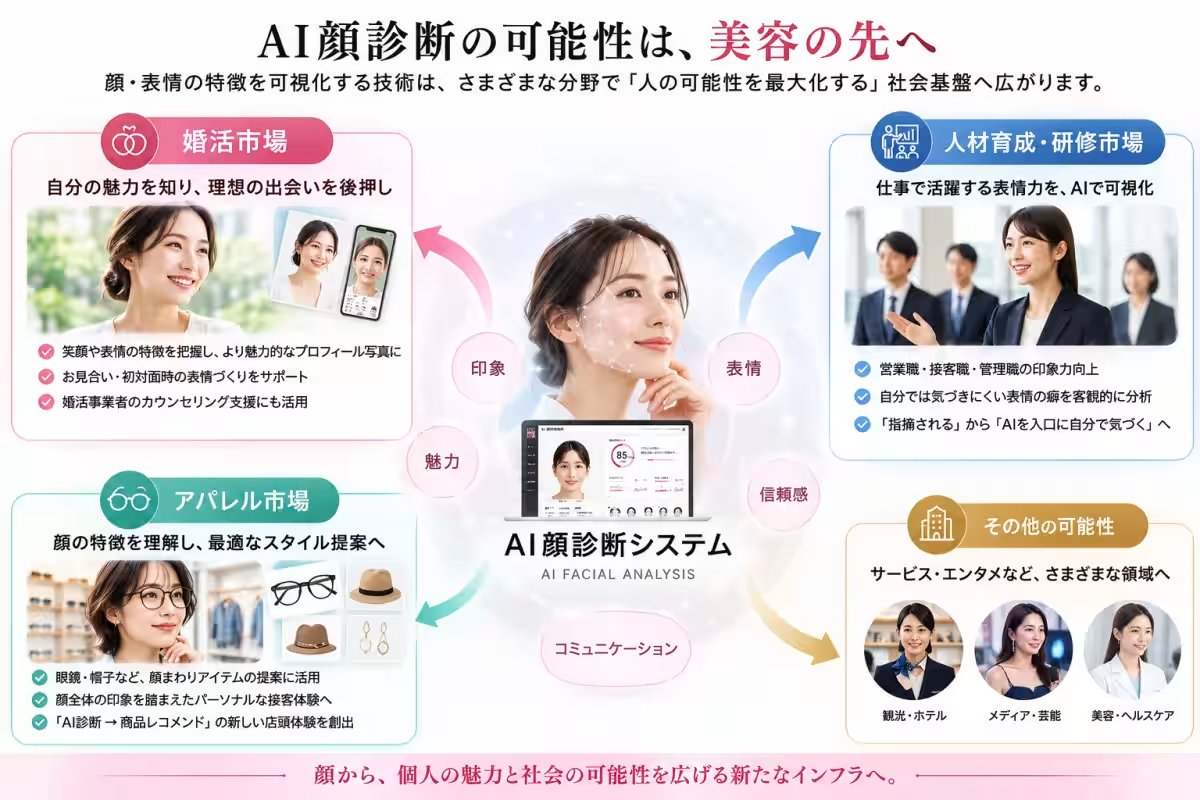
2. Beyond Beauty Applications: The technology for visualizing facial features holds potential far beyond the realm of beauty. Future applications may include fields like dating services, human resources training, and fashion, expanding the system's utility.
3. Fostering a Learning Environment: According to Katsuyo, the journey of observing human faces for over three decades has not only involved refining procedures but also developing critical judgment skills. The aspiration is to create an environment where more practitioners can learn through visualized guidelines supported by AI.
Comments from Katsuyo
Katsuyo reflects, "In my extensive experience observing faces, I have learned that it’s not solely about the methodology but rather about seeing, understanding, and translating observations into practical treatments. I envision an environment where AI helps visualize these insights, empowering practitioners and passing along skills to future generations. This initiative is not about replacing human expertise with technology but enhancing it to bridge the gap to the next generation."
About Katsuyo
Katsuyo, the founder of KTY FACE GYM and the pioneer of the Facial Muscle Coordination® method, is also the representative director of the Japan Facial Aesthetics Association. With over 30 years dedicated to understanding facial structures, Katsuyo has conducted more than 30,000 treatments and has experience working with business leaders and celebrities. The Japan Facial Aesthetics Association, under her guidance, seeks to elevate the perception of facial aesthetics from mere beauty to a cultural value that embodies communication and life experiences.
KTY FACE GYM: A Unique Facial Training Facility
Established in December 2023, KTY FACE GYM leverages Katsuyo’s longstanding theories and treatment techniques, having accumulated over 1,000 clients and 3,000 treatment snapshots. The facility is dedicated to the mantra of "repairing before training," focusing on identifying individual facial conditions, relieving excessive tension, and activating the correct muscles through personalized approaches. By recognizing the face as indicative of one’s appeal and communication skills, KTY FACE GYM aims to help business professionals express their inherent charm and trustworthy nature with confidence.
Overview of the AI Facial Impression Diagnosis System
For more details, visit the official site: KTY FACE GYM
For inquiries, contact: KTY Corporation, Attn: Akasaka
Address: 2-4-8 Minamiaoyama, Minato-ku, Tokyo 107-0062, Japan
Phone: 080-7306-1688
Email: [email protected]
Business Hours: Weekdays from 10:00 to 16:00
*Note: This system aids in visually documenting and recording impressions based on facial photographs and defined evaluation metrics. It does not serve as a medical diagnosis and does not guarantee specific results, as analysis may vary depending on lighting, angle, and resolution conditions.






Topics Health)




【About Using Articles】
You can freely use the title and article content by linking to the page where the article is posted.
※ Images cannot be used.
【About Links】
Links are free to use.