




Revolutionary Insights on Query Fan-Out Behavior in AI Search Engines
Unveiling the Hidden Mechanics of AI Search Engines
A recent extensive study published by Queue Inc., located in Chuo-ku, Tokyo, sheds light on the intricate behavior of Query Fan-Out (QFO) in AI search engines. The analysis involved over 35,000 real prompts processed by their free analysis tool, umoren.ai, between February and May of 2026.
What is Query Fan-Out (QFO) and Why is it Important?
When users interact with AI engines like ChatGPT or Gemini, their inquiries are not met with a straightforward response. Instead, these systems dissect the questions into multiple sub-queries, effectively gathering and synthesizing information from various sources. This complex behavior is what we define as Query Fan-Out (QFO). Traditionally, SEO strategies have been centered around optimizing content for a singular keyword per page. However, in the AI-driven search landscape, it's crucial to understand how these engines auto-generate multiple sub-queries based on user input.
Queue's study demonstrates that AI engines interact with user queries much differently than conventional methods, emphasizing the need for marketers and content creators to grasp the dynamics of QFO in order to refine their approaches in the digital landscape.
Key Findings from the Study
1. The Magnitude of QFO in AI Searches
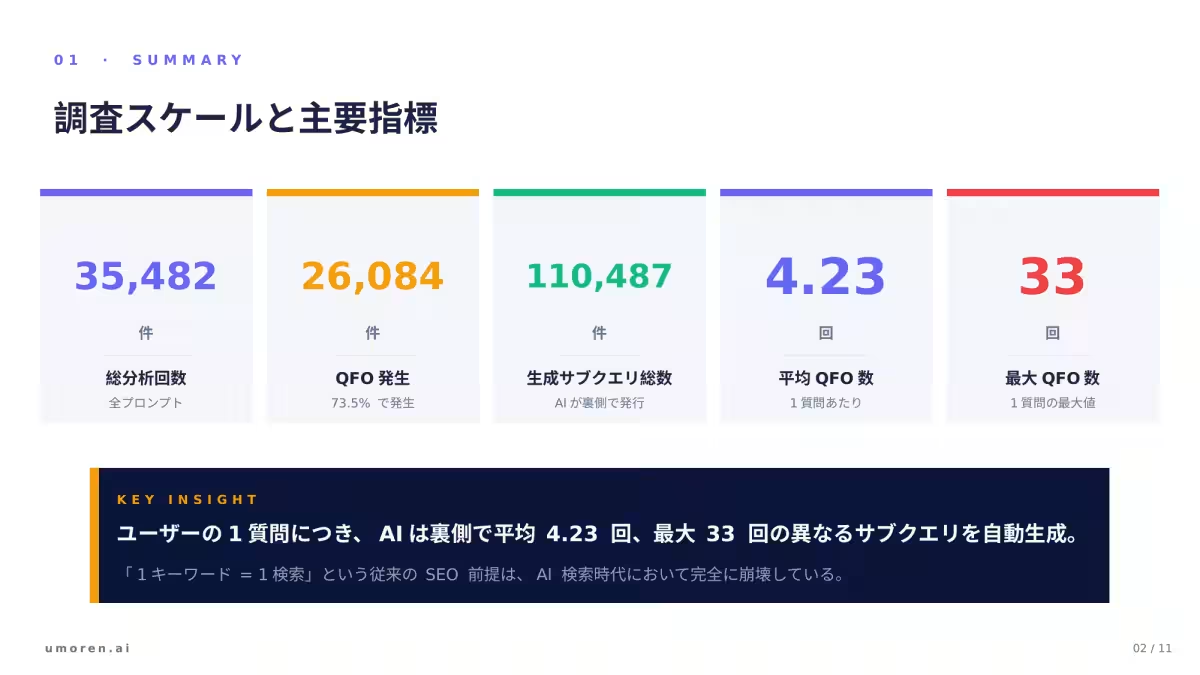
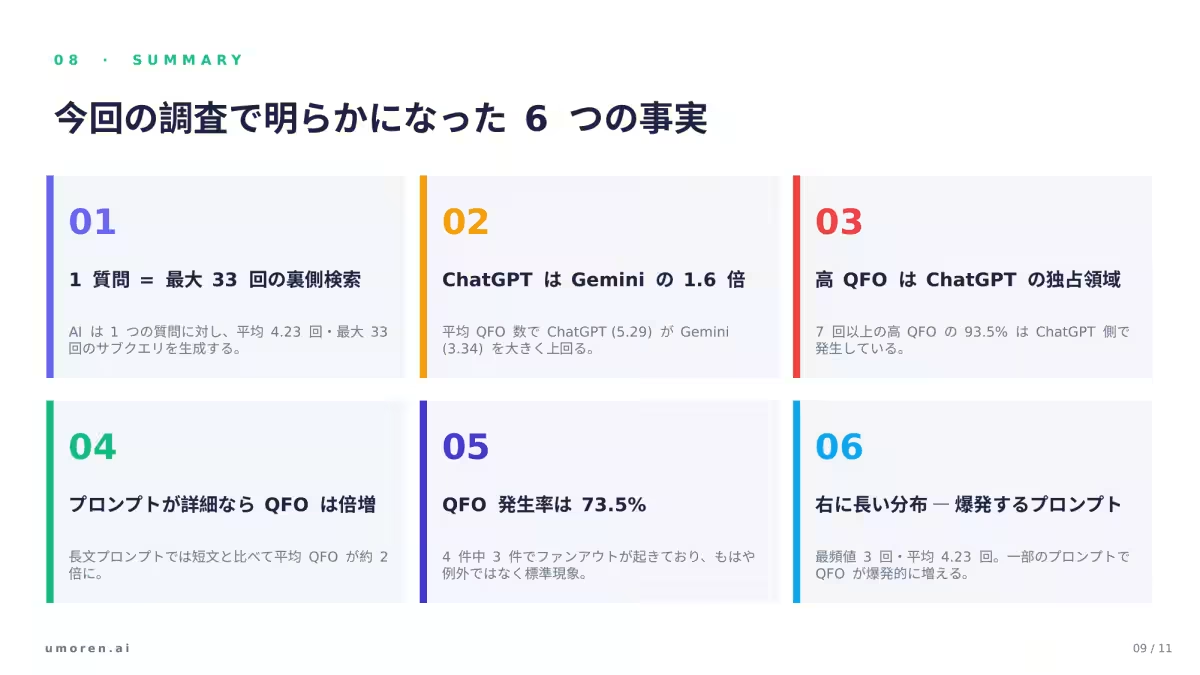
The results revealed that on average, each user question results in 4.23 sub-queries, with some instances reaching as high as 33 sub-queries. Such findings indicate a significant departure from established SEO principles where each keyword was once equated to a singular search. This research marks a pivotal moment for understanding the sheer volume of behind-the-scenes searches that AI conducts.
2. The Comparative Performance of ChatGPT and Gemini
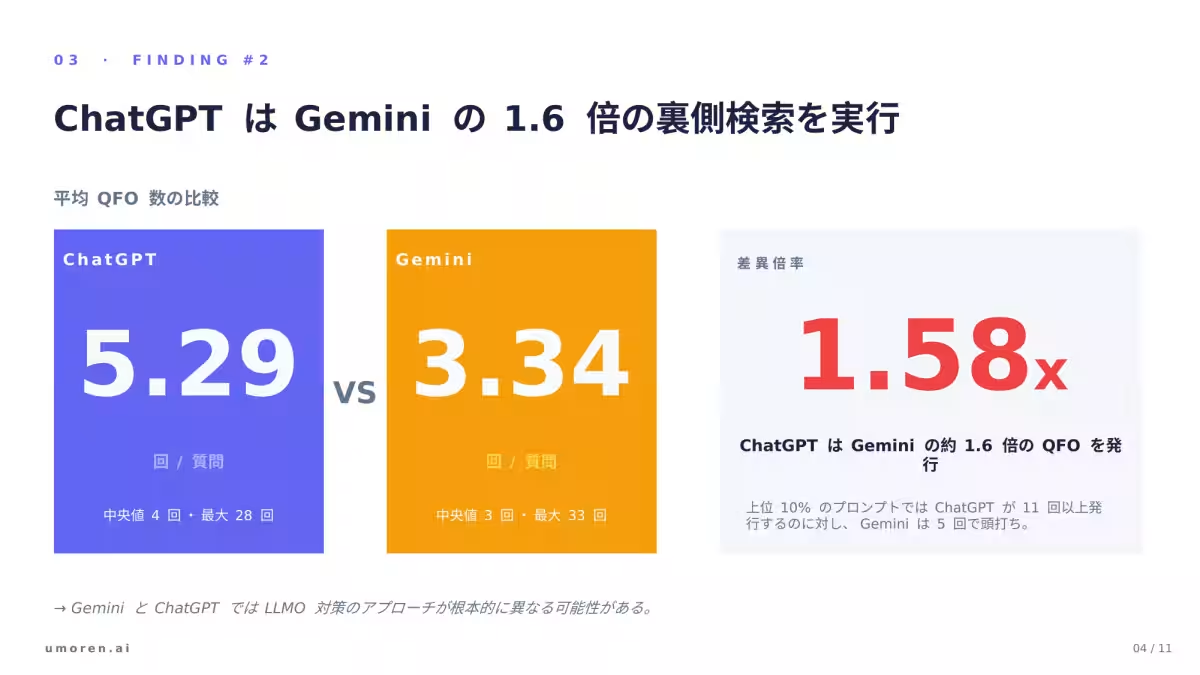
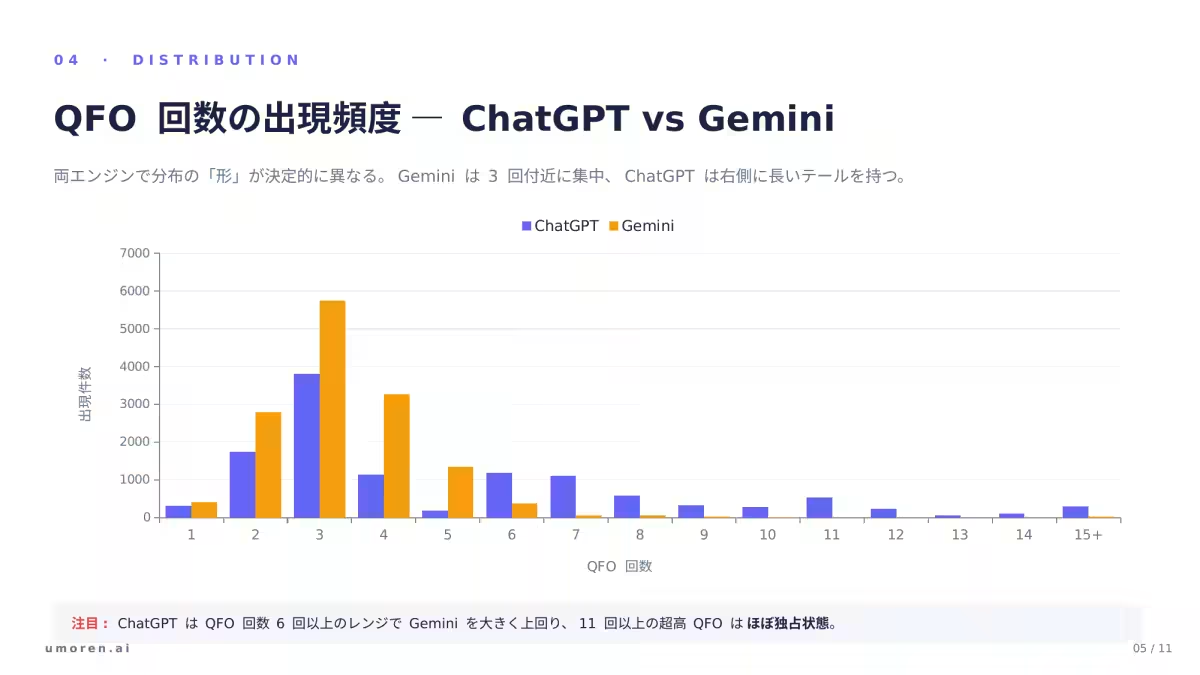
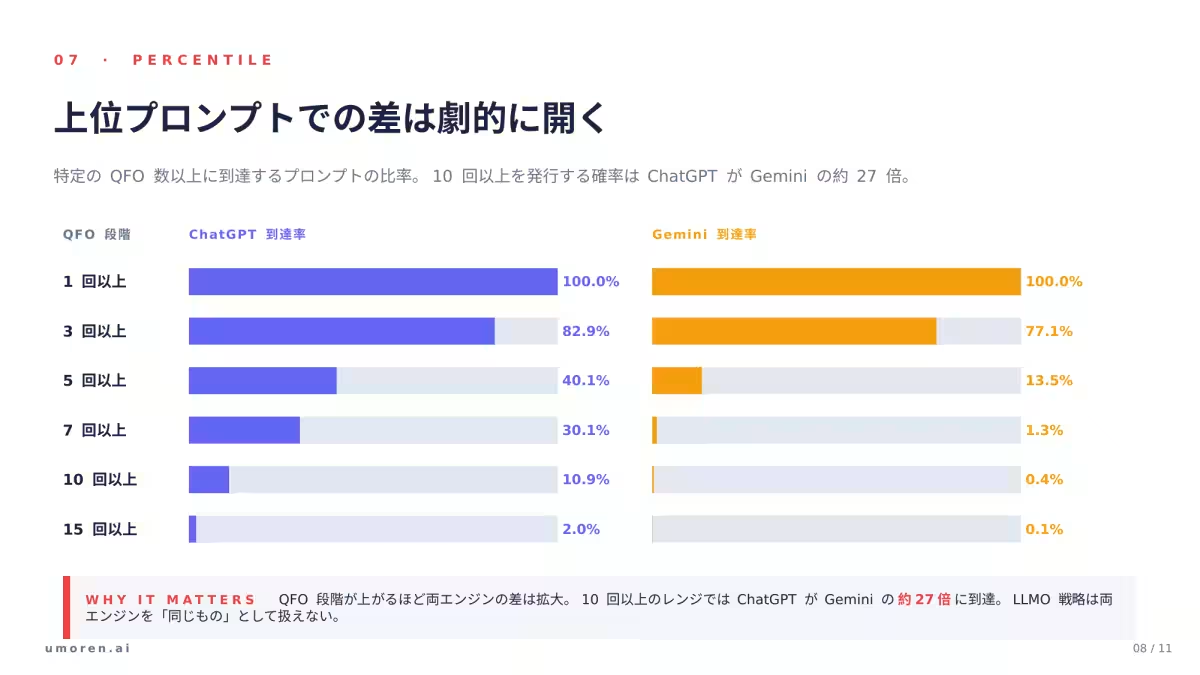
Interestingly, the study showed that ChatGPT generates approximately 1.6 times more sub-queries than Gemini, with averages standing at 5.29 for ChatGPT versus 3.34 for Gemini. This notable difference indicates that not only the quantity but also the strategy behind sub-query generation is fundamentally varied between these two AI platforms.
3. High QFO Instances Are Predominantly Driven by ChatGPT
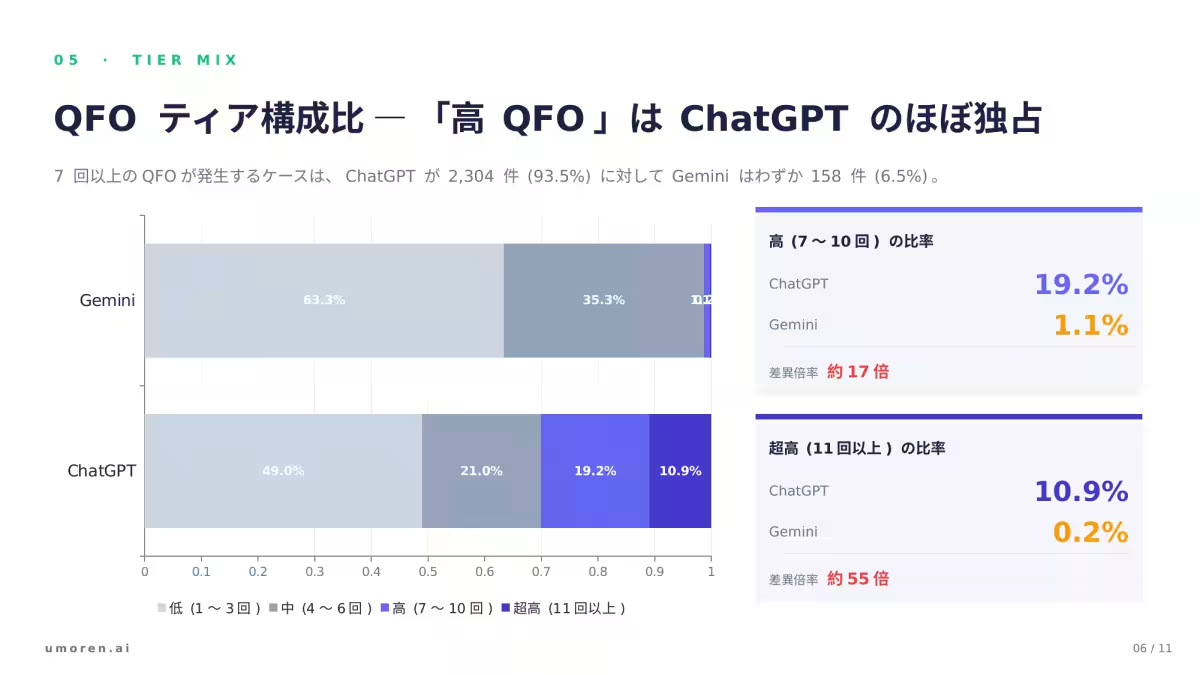
Diving deeper, the analysis categorized queries based on their QFO volume. It was discovered that 93.5% of cases classified as 'high QFO' (7 and more sub-queries) originated from ChatGPT. This further suggests that marketers must tailor their strategies specifically for each AI engine rather than relying on a one-size-fits-all method.
4. Detailed Prompts Drastically Increase QFO
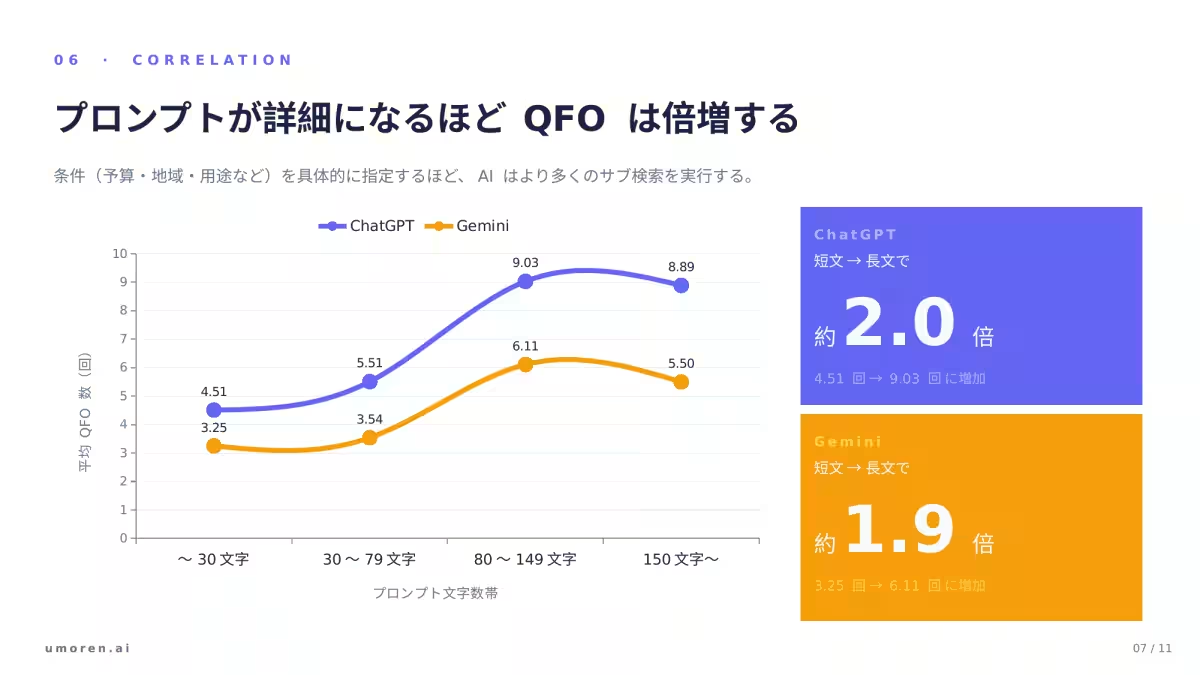
The findings also indicate a strong correlation between the complexity of user prompts and the number of sub-queries generated. More elaborate inputs doubled the outputs: for instance, short prompts elicited an average of 4.51 sub-queries from ChatGPT, while detailed prompts exceeding 80 characters saw an average of 9.03 sub-queries. Such insights highlight the importance of guiding users to provide more detailed queries.
5. The Occurrence Rate of QFO
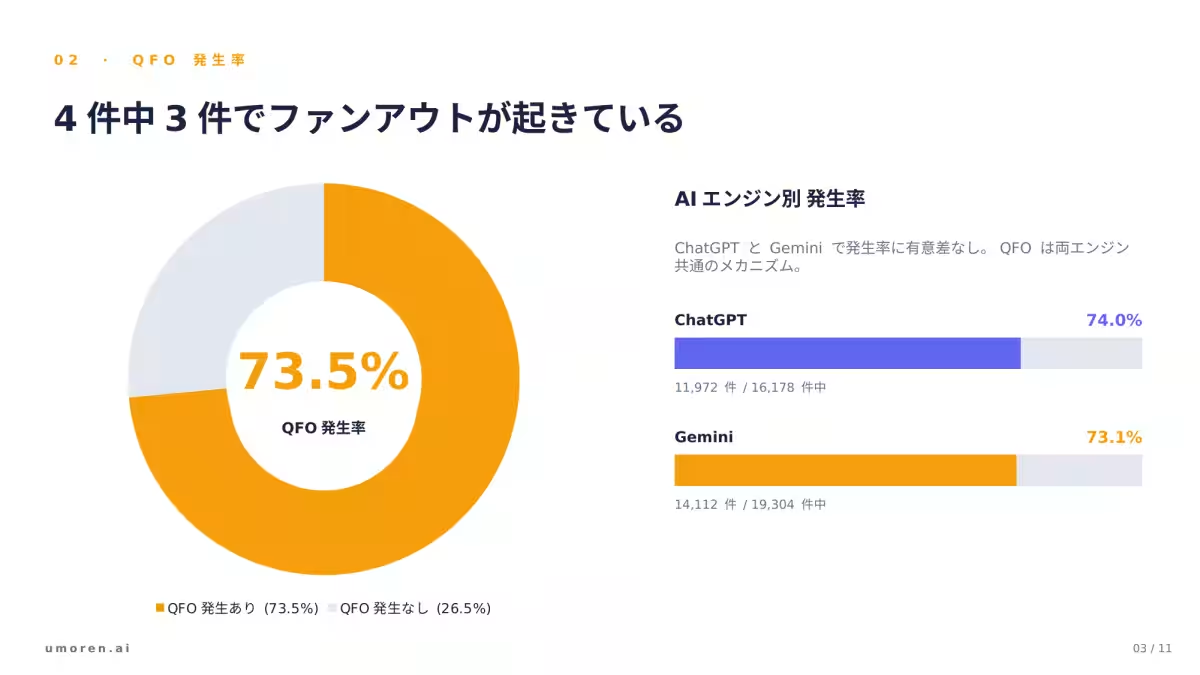
The research also established that QFO is not an isolated phenomenon; it appears in roughly 73.5% of analyzed queries, confirming that it should be treated as a standard behavior within AI search mechanisms.
6. Distribution Patterns
Most importantly, while the most frequently observed QFO was three sub-queries, the average was significantly dragged upward by a minority of queries producing extensive sub-query sets.
Strategic Implications for Marketers
The implications of these findings are profound for content strategists and marketers:
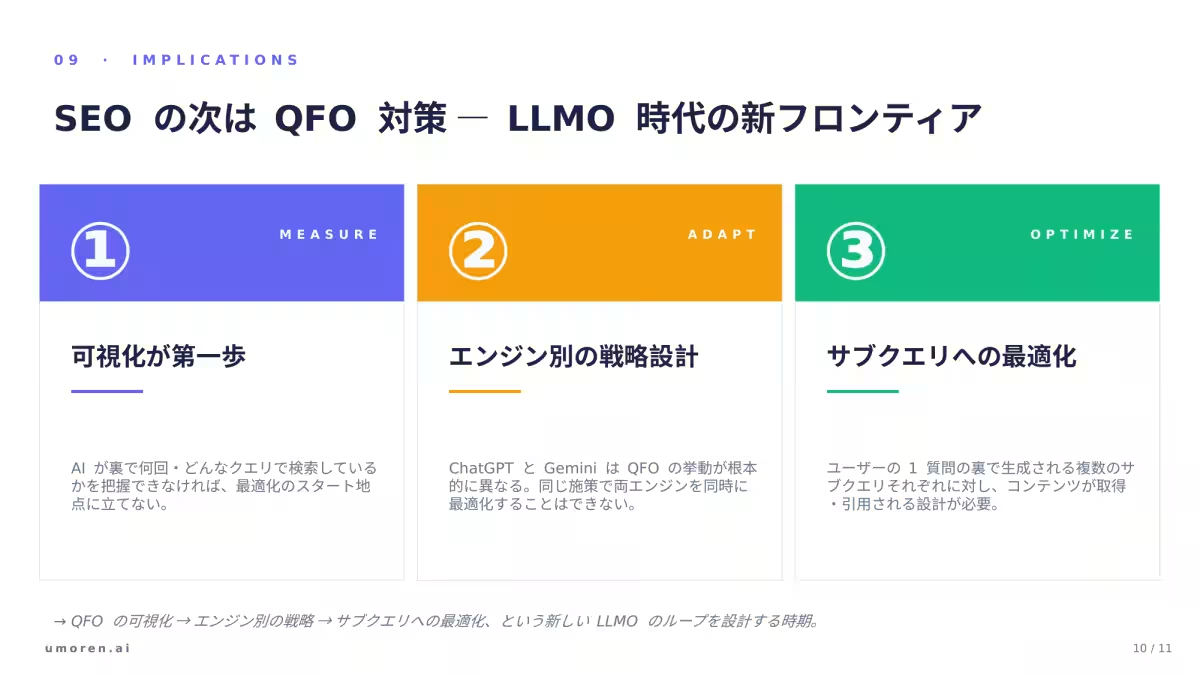
1. Visualizing QFO for Optimization: Understanding how many and what types of sub-queries are generated behind user questions is essential for effective optimization.
2. Engine-Specific Strategies: Due to the distinct behaviors of ChatGPT and Gemini, tailored strategies need to be developed for each platform.
3. Optimizing at the Sub-query Level: Crafting content that engages with individual sub-queries will be critical for success in AI-driven searches.
Conclusion
In summary, Queue Inc.'s groundbreaking research fundamentally alters how SEO strategies should be conceived. The substantial differences in AI search behavior mean that marketers must adapt their methodologies for effectively engaging with AI systems. The QFO analysis tool on umoren.ai offers an invaluable resource for those looking to explore these insights into their user prompts, empowering them to refine their approach to the evolving landscape of digital search.
For marketers wishing to explore QFO behavior in their unique use cases, Queue’s free tools for ChatGPT and Gemini offer immediate insights into how queries are being processed.
For further exploration, visit QFO Analysis Tool and Gemini QFO Tool.
Topics Business Technology)
【About Using Articles】
You can freely use the title and article content by linking to the page where the article is posted.
※ Images cannot be used.
【About Links】
Links are free to use.