




Freeride Skiing and Snowboarding Officially Added to 2030 Winter Olympics in French Alps
Freeride Skiing and Snowboarding: A New Olympic Event
The Winter Olympics set to take place in the French Alps in 2030 will officially include freeride skiing and snowboarding, marking a significant milestone in the world of winter sports. The International Olympic Committee (IOC) made this announcement on July 7, 2026, affirming the recognition of freeride as a respected and exciting discipline within the Olympic framework.
What is Freeride?
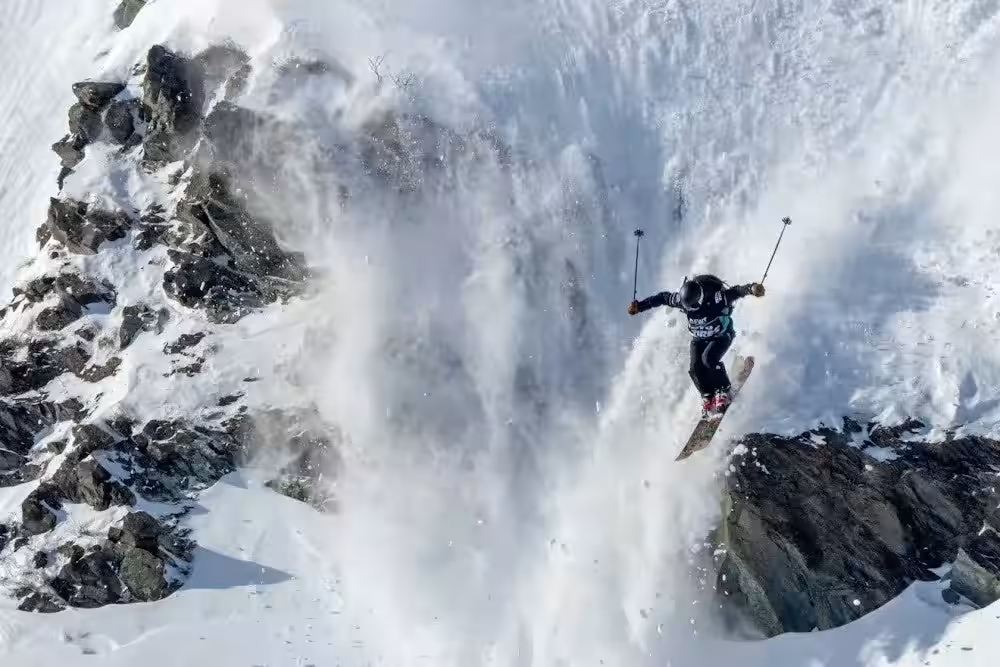
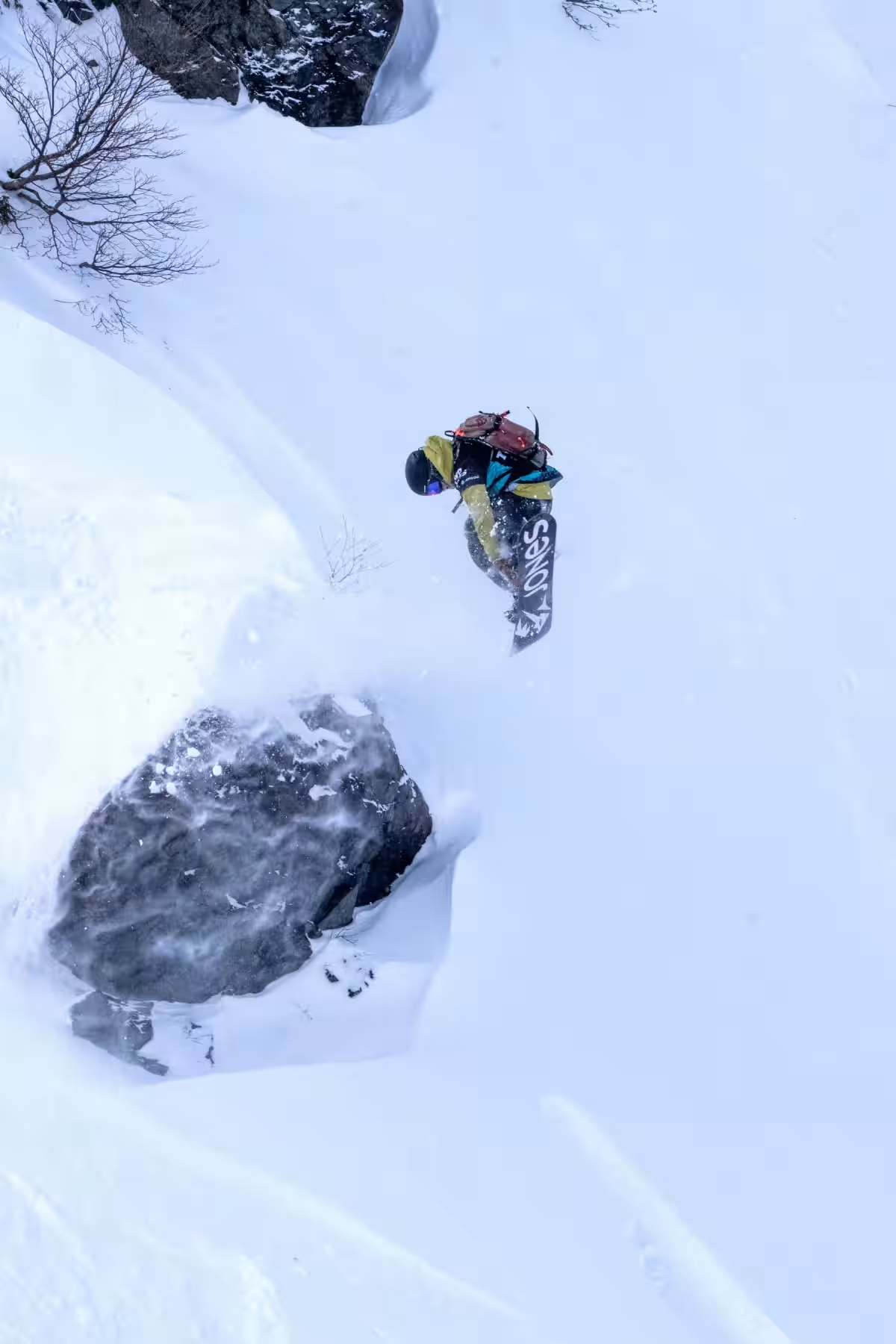
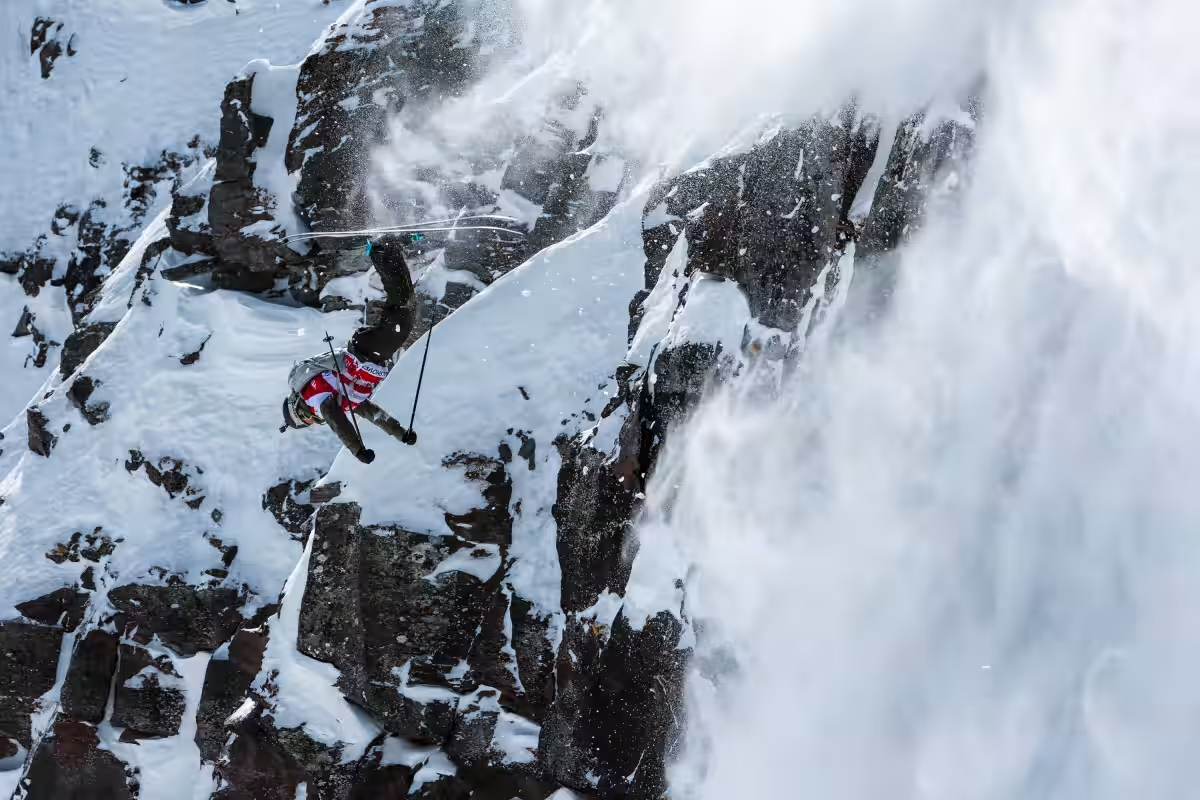
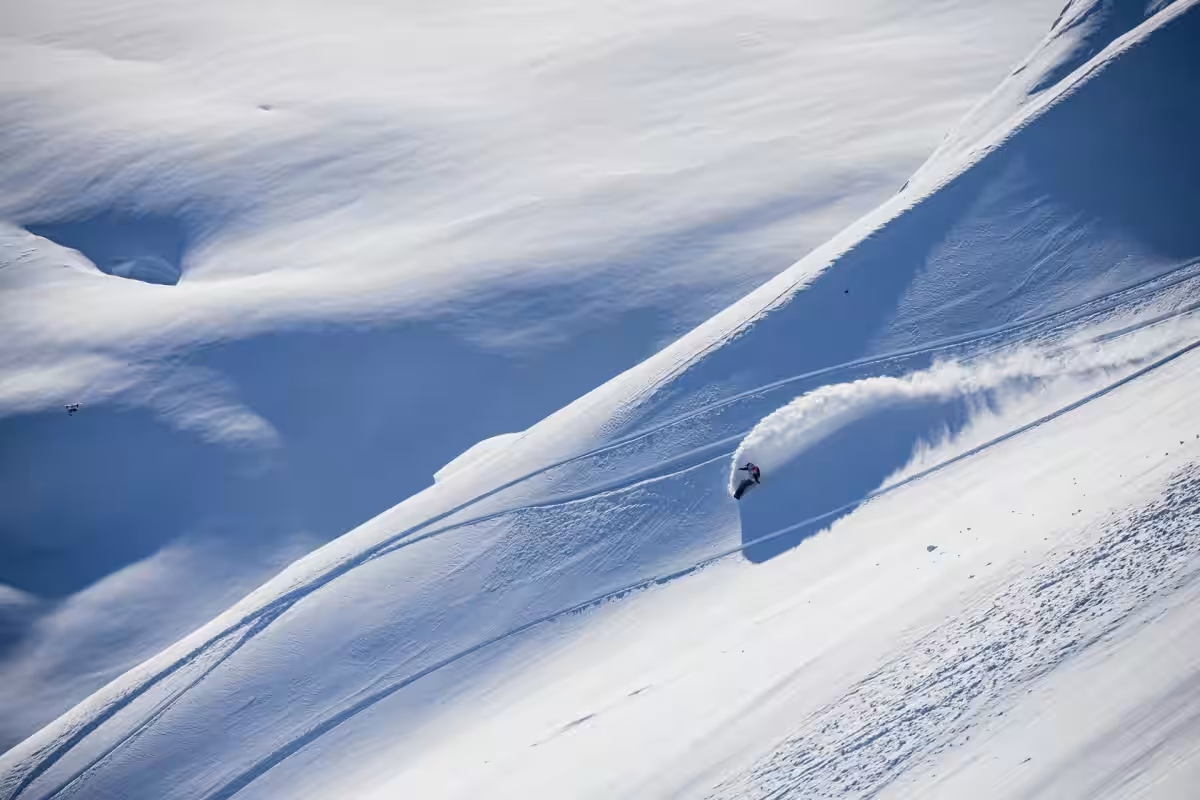
Freeride skiing and snowboarding are unique winter sports that emphasize navigating untouched snow on natural terrains. Unlike traditional racing, the only fixed points in freeride competitions are the start and finish lines. Competitors assess the landscape and snow conditions to creatively establish their routes, which they call their lines. Scores are awarded based on five judging criteria: Line Difficulty, Control, Fluidity, Air & Style, and Technique.
The roots of freeride trace back nearly a century to the European Alps, including iconic locations like Mont Blanc and Chamonix. Over the years, the sport has evolved dramatically, fueled by advancements in video technology, captivating the younger generation and establishing itself as a hallmark of extreme skiing culture. The inclusion of this sport in the 2030 Olympics signifies its elevation from niche culture to Olympic recognition.
In 2022, the merger of the Freeride World Tour (FWT) with the International Ski Federation (FIS) set the stage for this landmark decision. The road to Olympic status saw milestones such as the 2024 integration of freeride into the FIS competition framework and the inaugural Freeride World Championships scheduled for 2026.
The Freeride World Tour (FWT)
The Freeride World Tour is the only world cup series recognized by the FIS for freeride disciplines. Established in Switzerland in 1996, it has grown into a global phenomenon celebrating its 30th anniversary this year. Events now take place across approximately 130 countries, attracting over 10,000 freeride athletes annually.
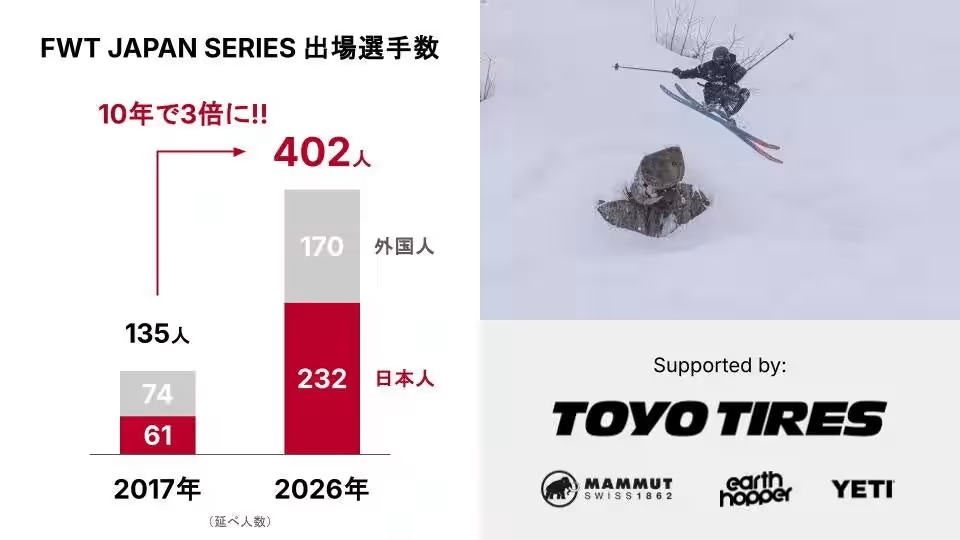
In Japan, the FWT Japan Series has thrived since its inception in 2017 with the first Asian event in Hakuba. This series has expanded tremendously over ten years, now featuring approximately 400 participants across six competitions yearly. The participation rates have significantly outstripped available slots, indicating a rapidly growing interest in freeride among Japanese athletes.
The FWT Japan Series not only emphasizes competition but also showcases the beauty of its hosting resorts, such as Hakuba Valley and Yuzawa Nakazato. By enhancing these venues' visibility, these events contribute to local tourism initiatives supported by the Japanese Sports Agency and the Japan Tourism Agency.
A Champion's Perspective
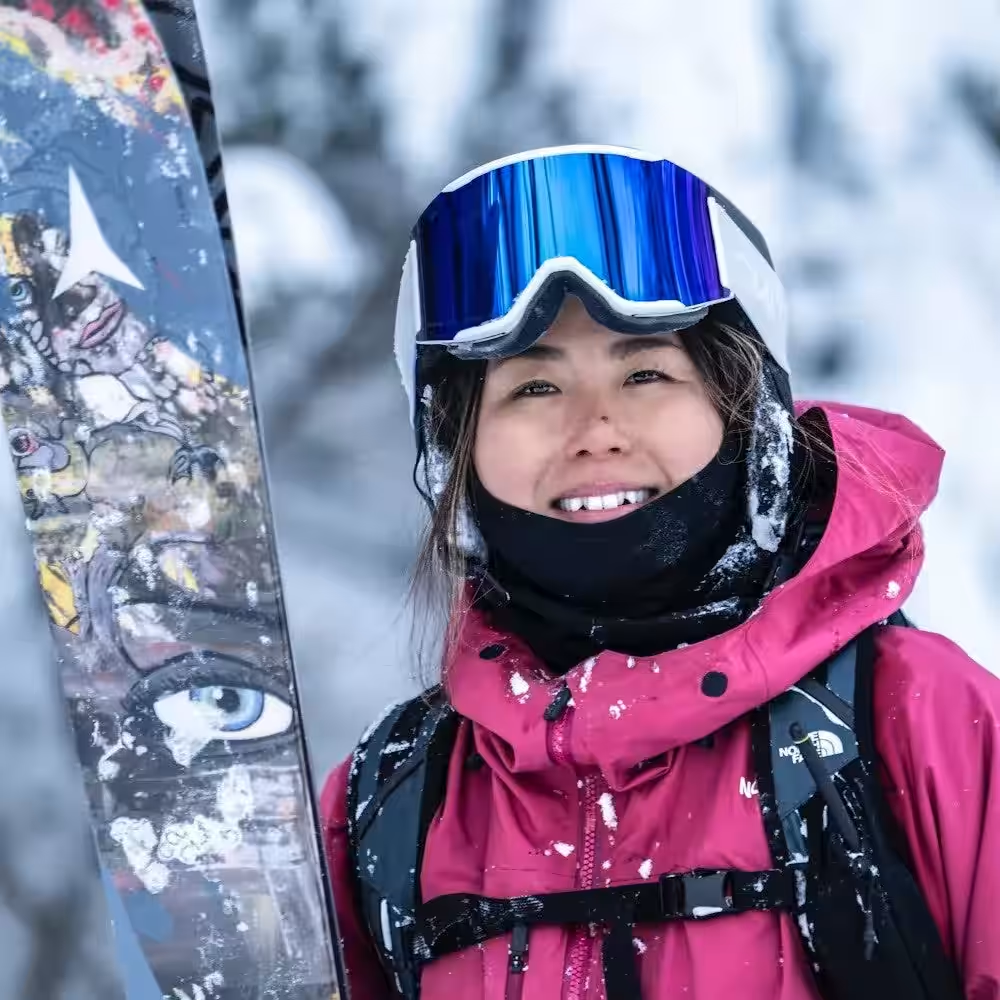
Prominent athlete Ayana Onoduka, a medalist from the 2014 Sochi Olympics and leading figure in Japan's freeride scene, shared her thoughts on this transition. She expressed her excitement about freeride's inclusion in the Olympic venue, emphasizing its representation of the essence of skiing and snowboarding as athletes face unpredictable natural elements. She firmly believes that the introduction of freeride will alter the history of winter sports. As she anticipates athletes pushing their limits on the Olympic stage, she envisions great thrills for viewers.
Celebrating the Community
Katsuhiro Inoue, head of FWT's operational office, voiced his joy over freeride's official recognition. He highlighted Japan's outstanding snow quality and mountain landscape as ideal for freeriding. He hopes this decision inspires younger generations to embrace freeride, paving the way for nurturing competitive excellence in the future.
The past decade has shown significant growth in Japan's freeride community, thanks to various stakeholders, from judges to sponsors and participants, whose support has ensured its continuity and success. The FWT encourages continued backing and participation to further develop this exciting sport.
Sustainability in Freeride
Freeride skiing and snowboarding stand apart from conventional sports that take place in regulated environments. The essence of this sport lies in engagement with a dynamic, raw nature, resonating deeply with the current global focus on sustainability.
1. Harmony with Nature: Athletes embrace unpredictable natural conditions rather than shy away from them, embodying resilience and adaptability needed in today’s rapidly changing environment.
2. Risk Management: While freeride may seem reckless, it incorporates meticulous safety management with avalanche awareness and environmental analyses ensuring a safe experience.
The FWT remains a beacon of growth and inclusiveness in the freeride community. With the recent Olympic announcement, interest in freeride is expected to soar as more athletes aspire to join the ranks of Olympians.
For further updates, follow us on our official website and social media accounts.


Topics Sports)
【About Using Articles】
You can freely use the title and article content by linking to the page where the article is posted.
※ Images cannot be used.
【About Links】
Links are free to use.