



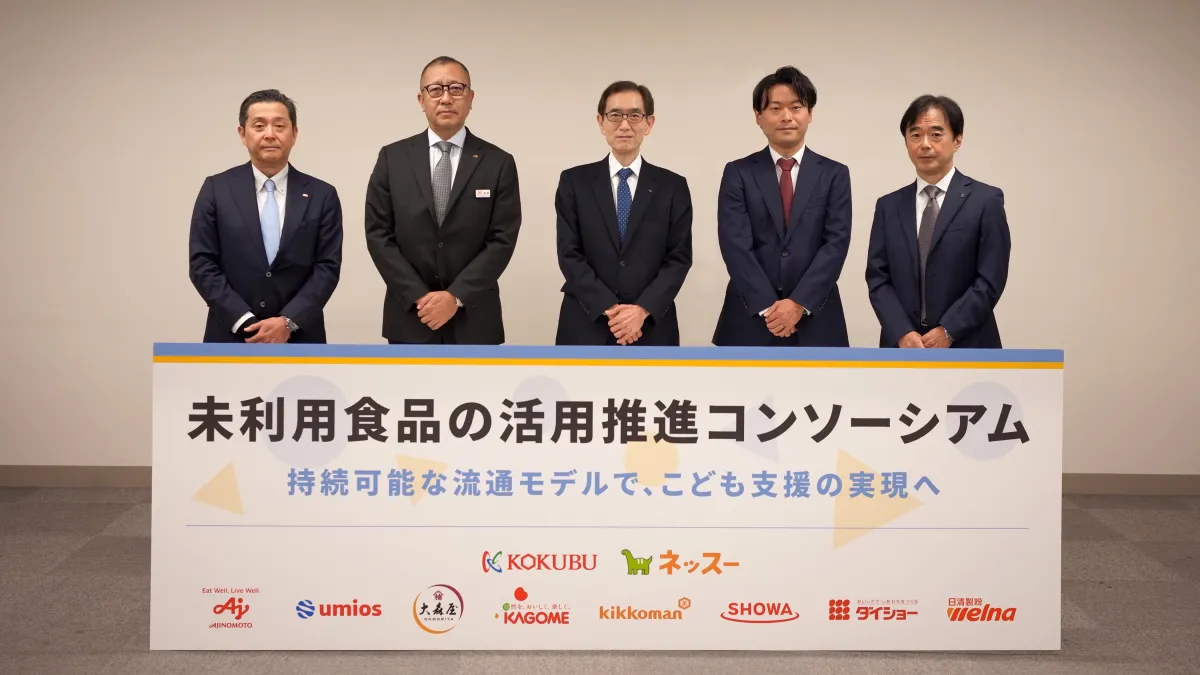
New Consortium Aims to Utilize Surplus Food for Child Welfare Initiatives
Introduction
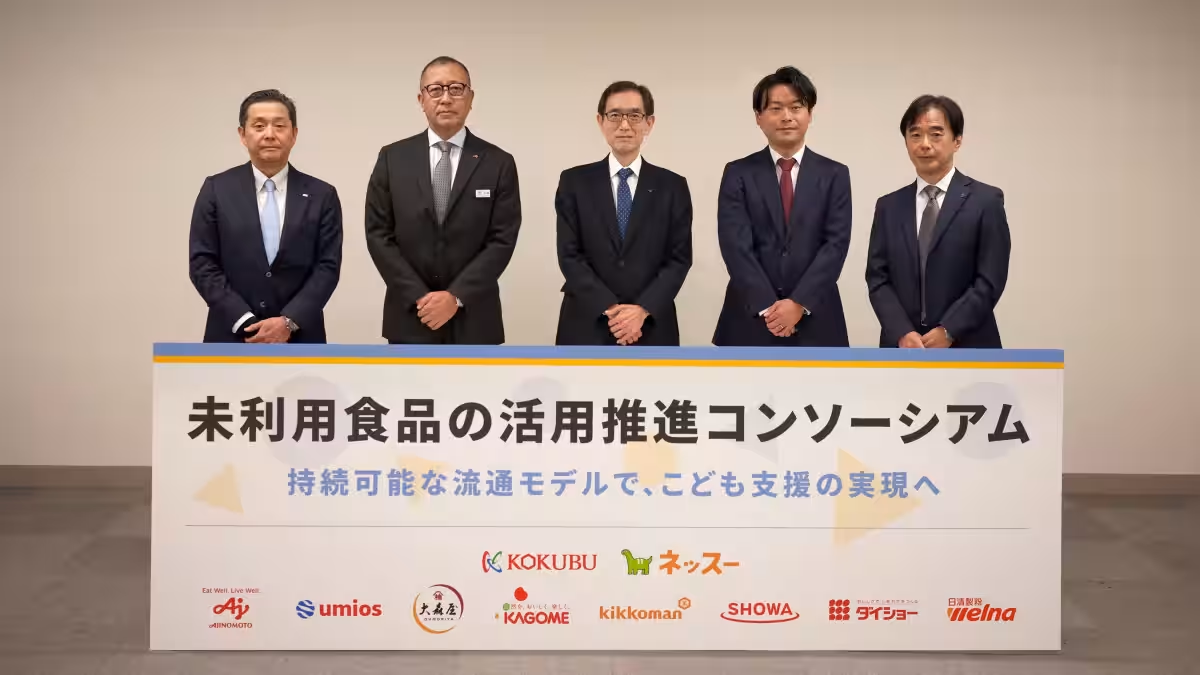
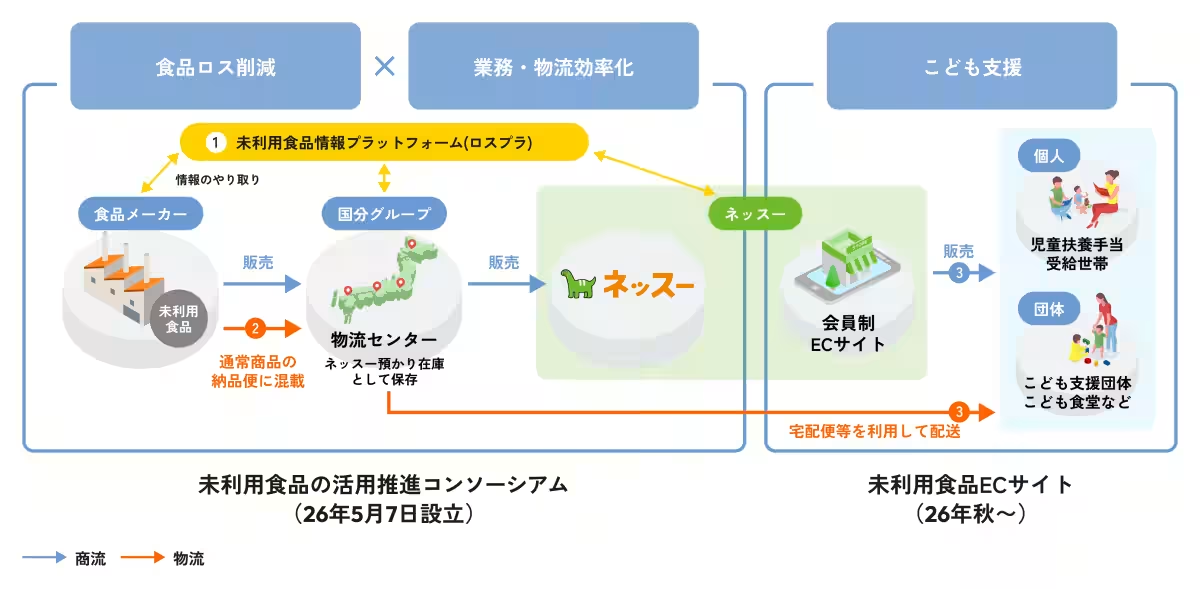
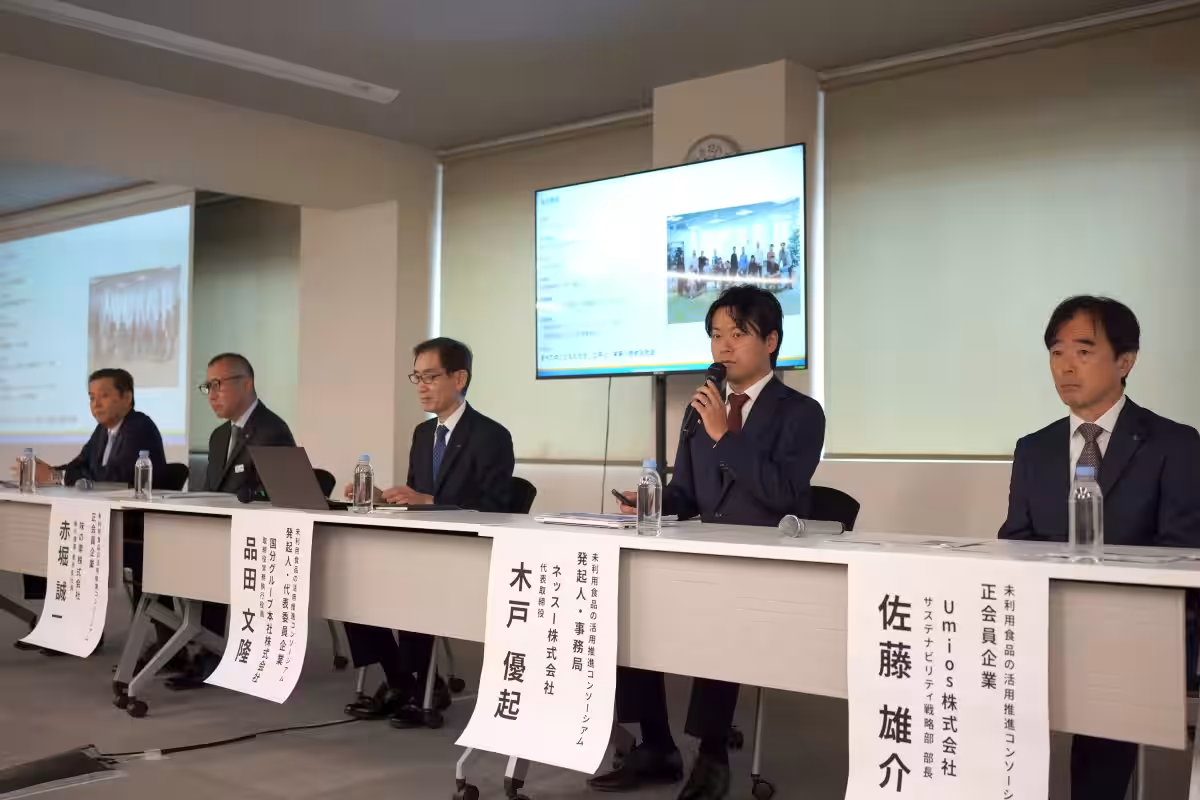
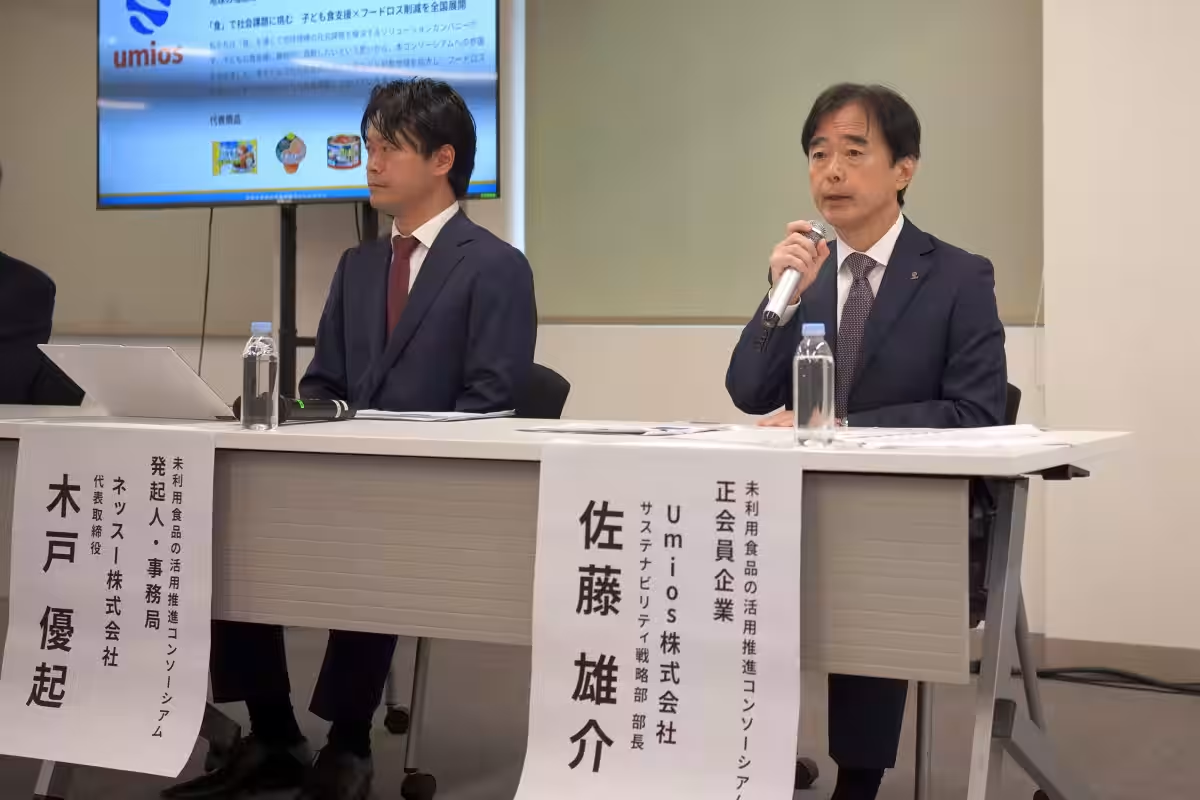
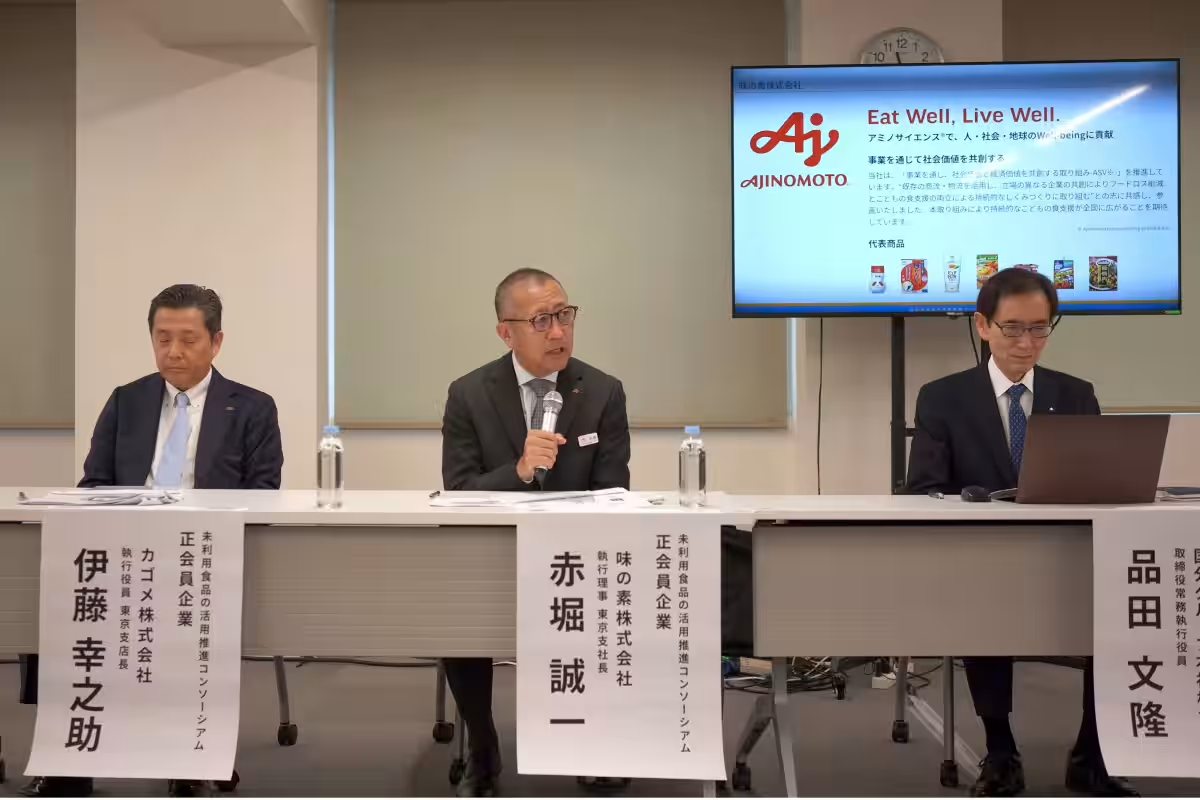
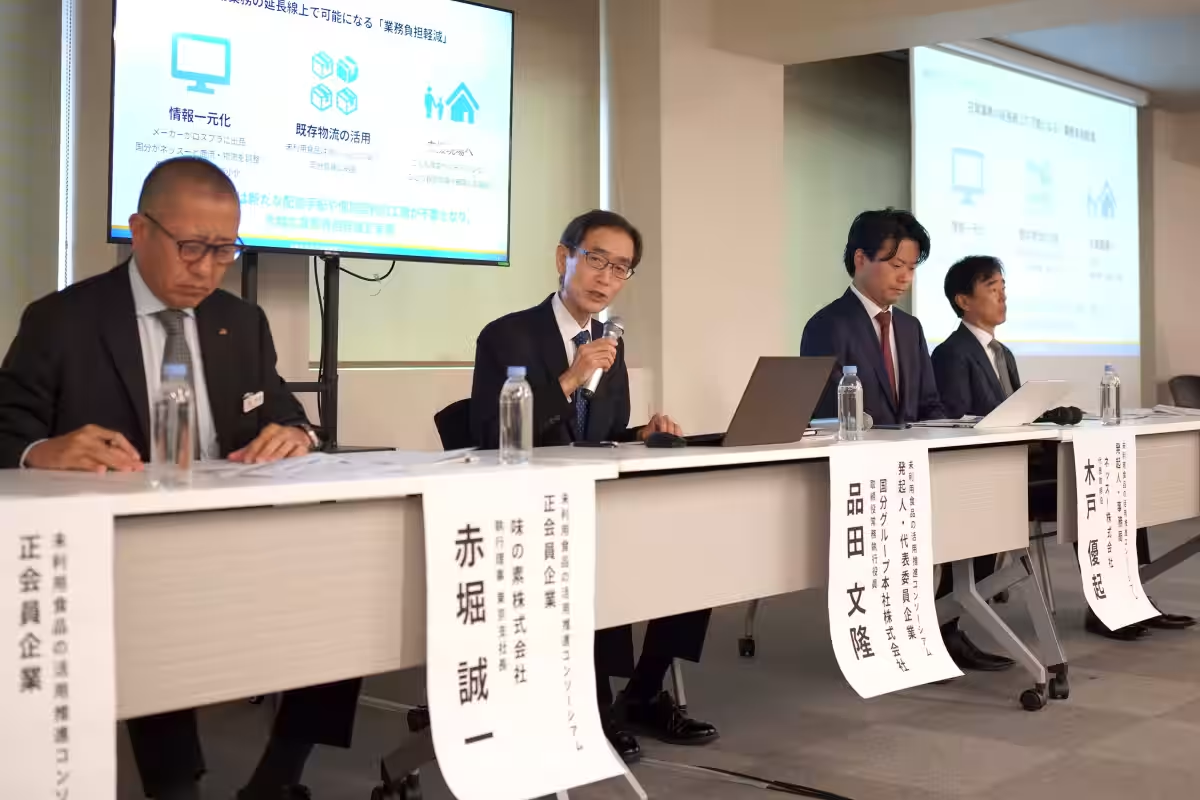
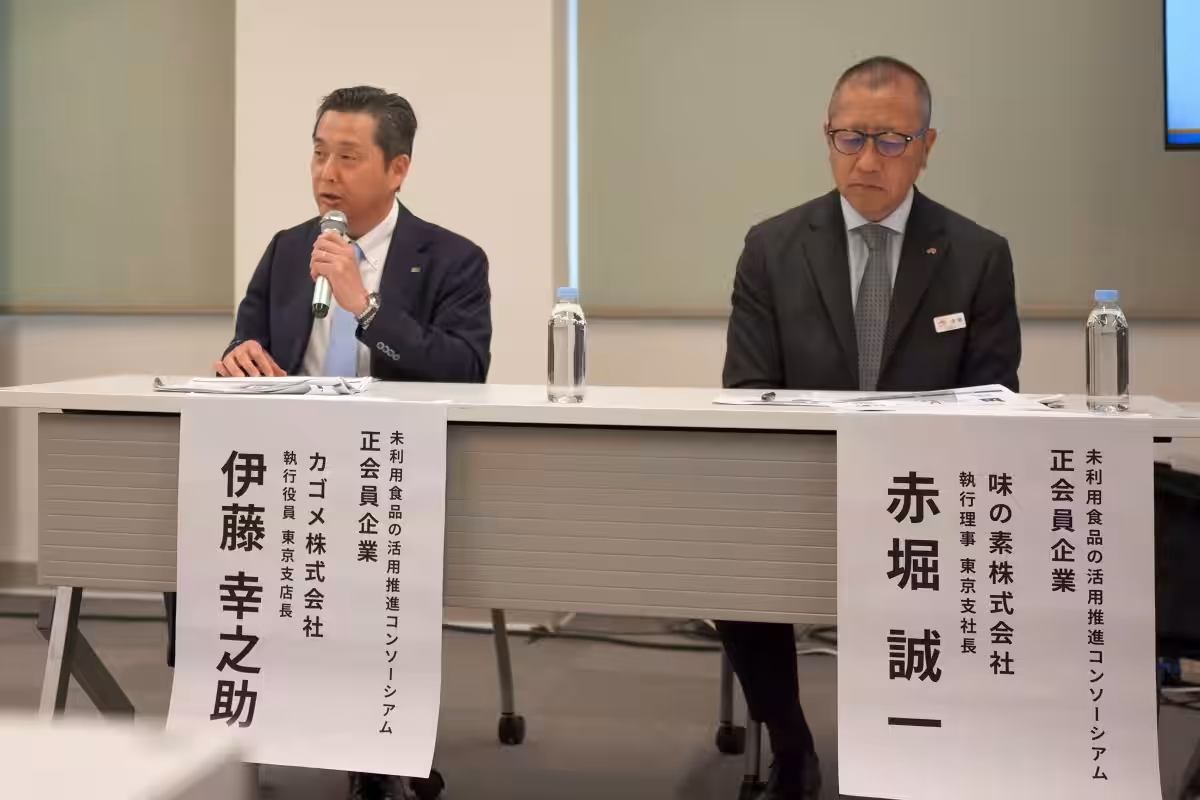
On May 7, 2026, a coalition aimed at harnessing surplus food to support child welfare was officially formed in Japan. This initiative brings together major food brands including Ajinomoto Co., Kagome Co., and Kokubu Group. It represents a strategic effort to address the challenge of food waste while also assisting those in need, particularly children living in relative poverty. This article dives deeper into this groundbreaking initiative, its motivations, and the systemic approaches it intends to implement.
Background
According to the "2022 National Living Survey" by the Ministry of Health, Labor and Welfare, approximately 1 in 9 children in Japan live in households with incomes below half of the median disposable income. This scenario is even worse in single-parent families, where about 50% are grappling with economic hardships. As food prices soar, many families find it increasingly difficult to secure the necessary food items for daily life.
Conversely, the Ministry of the Environment estimates that Japan will generate around 4.64 million tons of food waste by 2023, with nearly 50% originating from businesses such as manufacturers and wholesalers. The government aims to tackle this issue by reducing food waste by 60% by the year 2030. Despite the push for sustainability, many surplus food items—still safe and good to eat—remain underutilized.
Objectives of the Consortium
The
Topics Other)




【About Using Articles】
You can freely use the title and article content by linking to the page where the article is posted.
※ Images cannot be used.
【About Links】
Links are free to use.