



Exploring the Romantic Landscape of Japanese University Students: A Survey on Love and Confession
Introduction
In a recent study conducted by MERY, a leading media company based in Tokyo, Japan, the romantic behaviors of university students were thoroughly examined. The company undertakes regular research initiatives known as the 'Z Generation Survey' to gain insights into the perspectives and behaviors of today's youth. In May 2026, MERY carried out a survey focusing specifically on university students' dating and romantic inclinations. This article aims to detail the findings derived from this comprehensive survey.
Key Findings on Confession Preferences
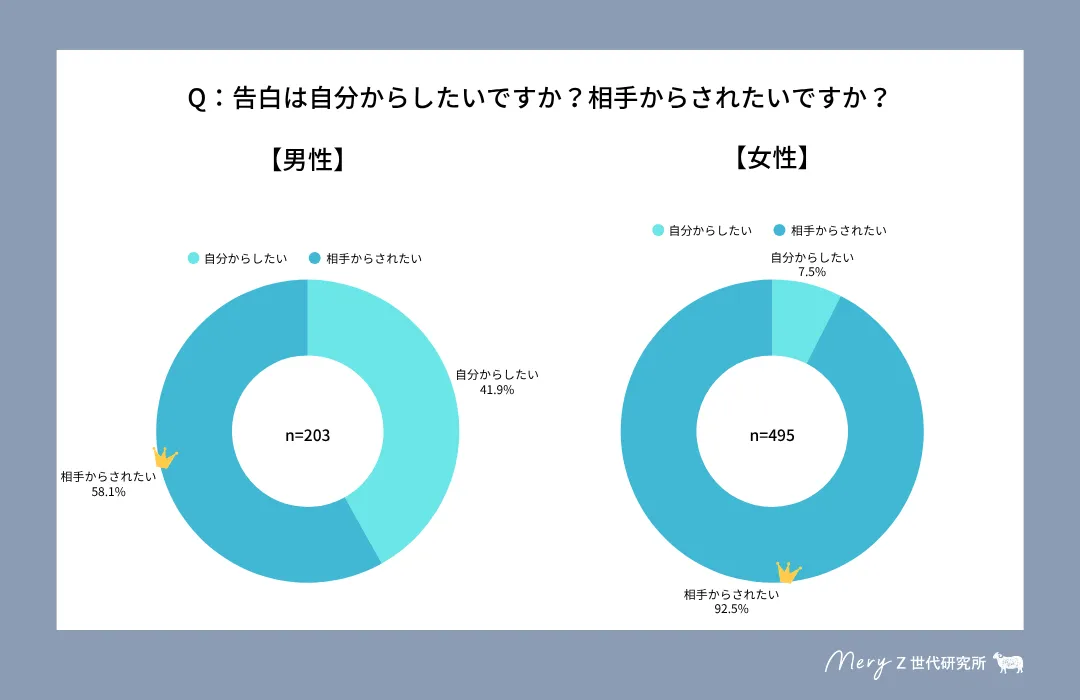
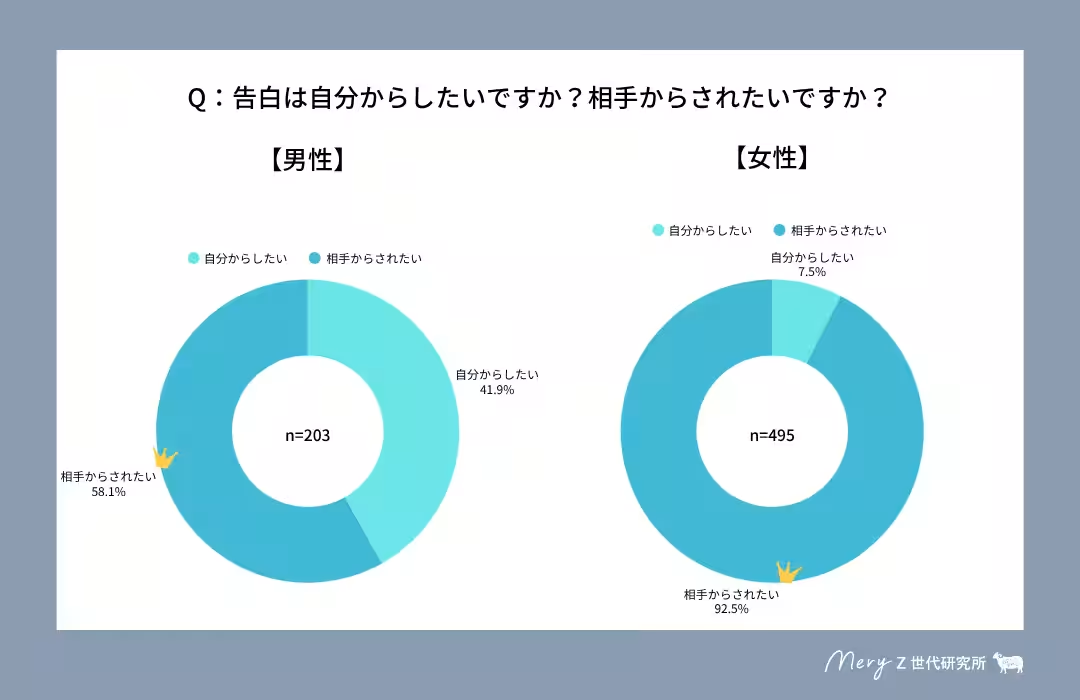
The survey involved responses from 698 university students across Japan, measuring their attitudes towards romantic confessions. When participants were asked whether they preferred to confess their feelings or be confessed to, an overwhelming majority responded that they desired the latter. Among female participants, a striking 92.5% indicated they wanted to be confessed to, while 58.1% of male students had the same preference.
During a focus group discussion with four female university students, interesting themes emerged. There was a shared sentiment of wanting the other person to take the initiative. Comments such as "I want him to show his manhood" and the need to create an environment conducive for confession highlighted a strategic approach to dating, where waiting for the right moment became crucial.
Ideal Confession Methods
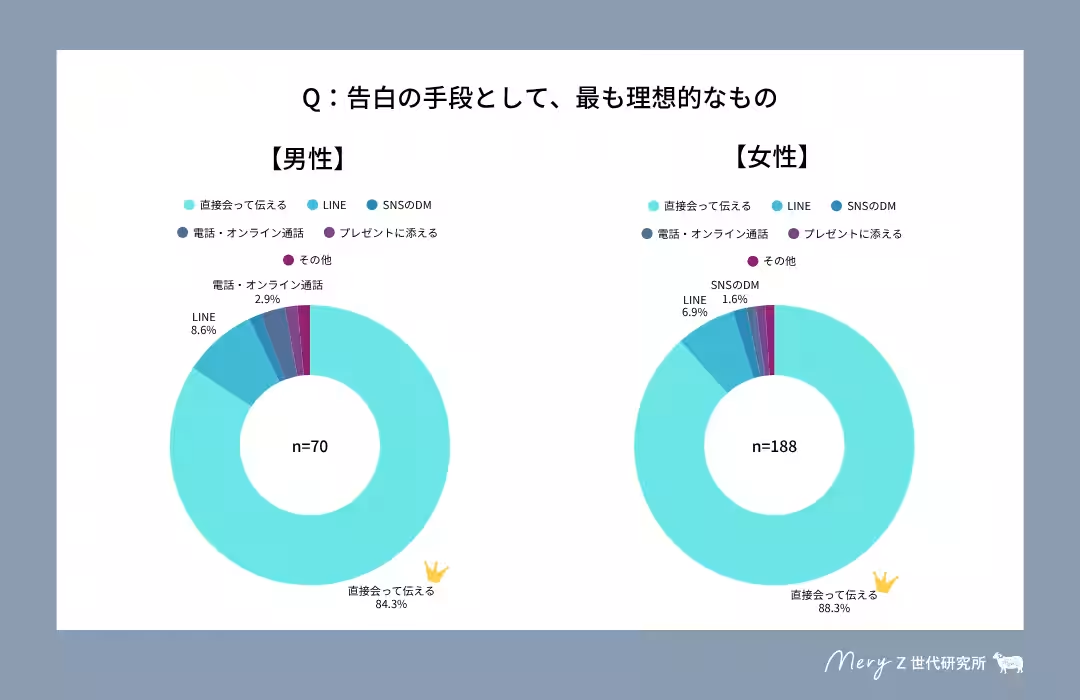
Further inquiry into students' preferred confession methods revealed a predominant trend; over 80% of both male and female respondents favored confessing in person rather than through any other medium. None of the participants selected 'letter' as a preferred method. Consistent with this preference, every member of the female focus group expressed that direct, face-to-face confessions were a must, even if their initial meetings occurred online.
Meeting Frequency Before Confession
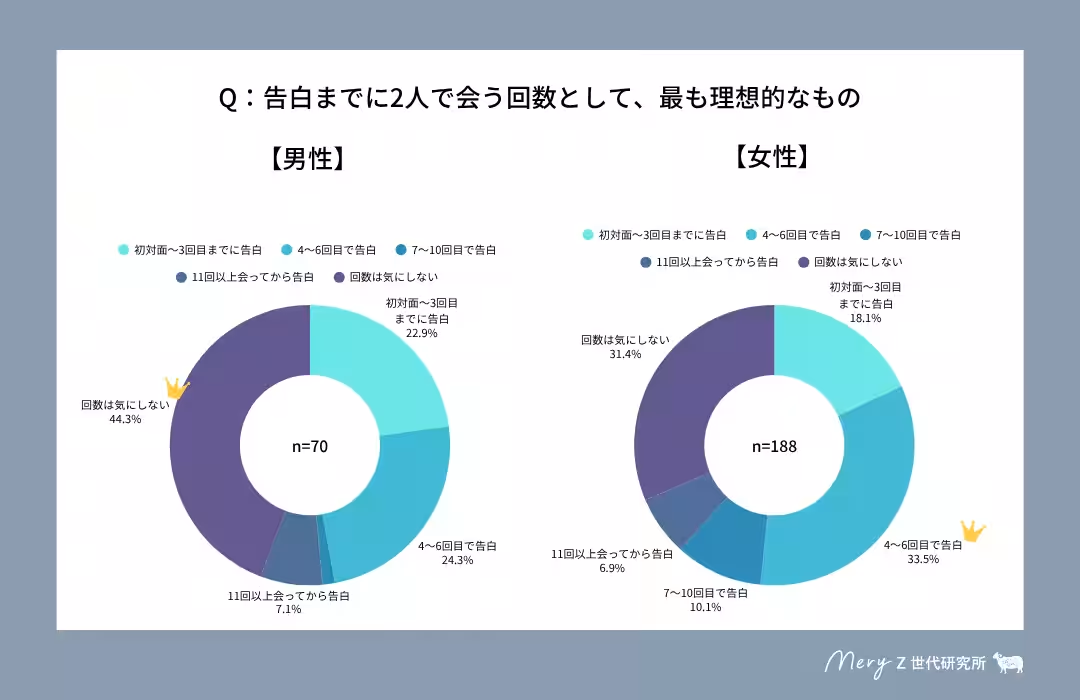
The survey also explored the ideal number of meetings before a confession is made. In the results, 44.3% of males stated they were indifferent to the number of meetings, while 33.5% of females indicated that confessing after 4 to 6 meetings was ideal. This disparity underscores differing attitudes towards emotional readiness and the importance of establishing a connection before diving into serious conversations.
Divided Opinions on Desire for Romance
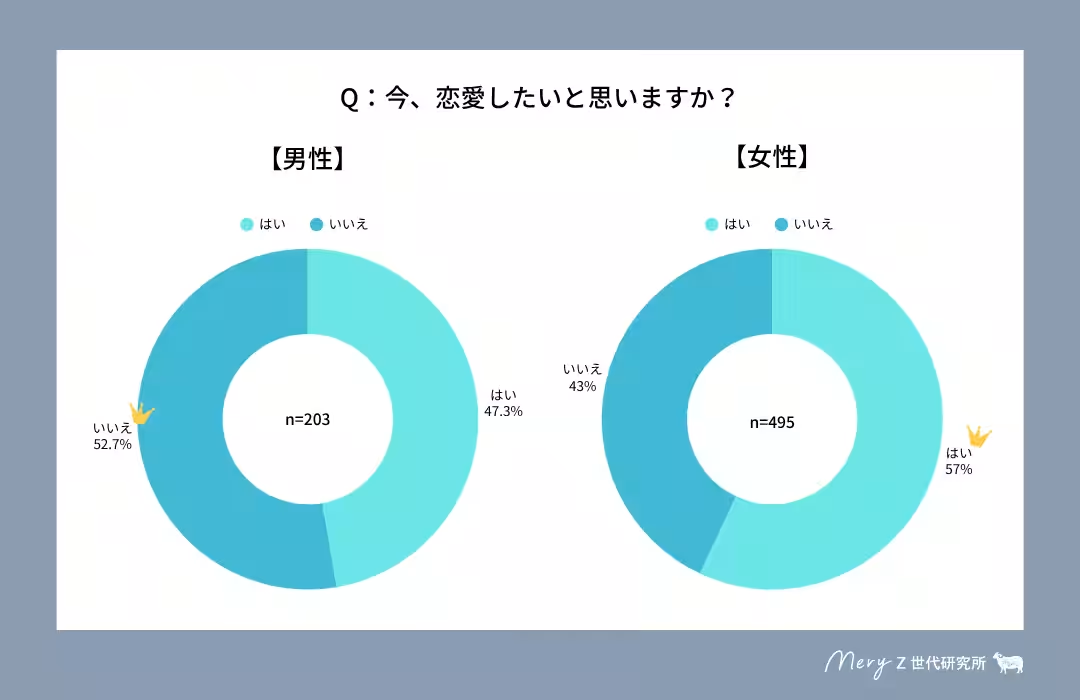
When asked if they currently wanted to be in a relationship, the answers showed a split among students. For men, 47.3% expressed wanting romance, while 52.7% indicated otherwise. Women, however, leaned slightly positive with 57% affirming their desire for romance, compared to 43% who did not.
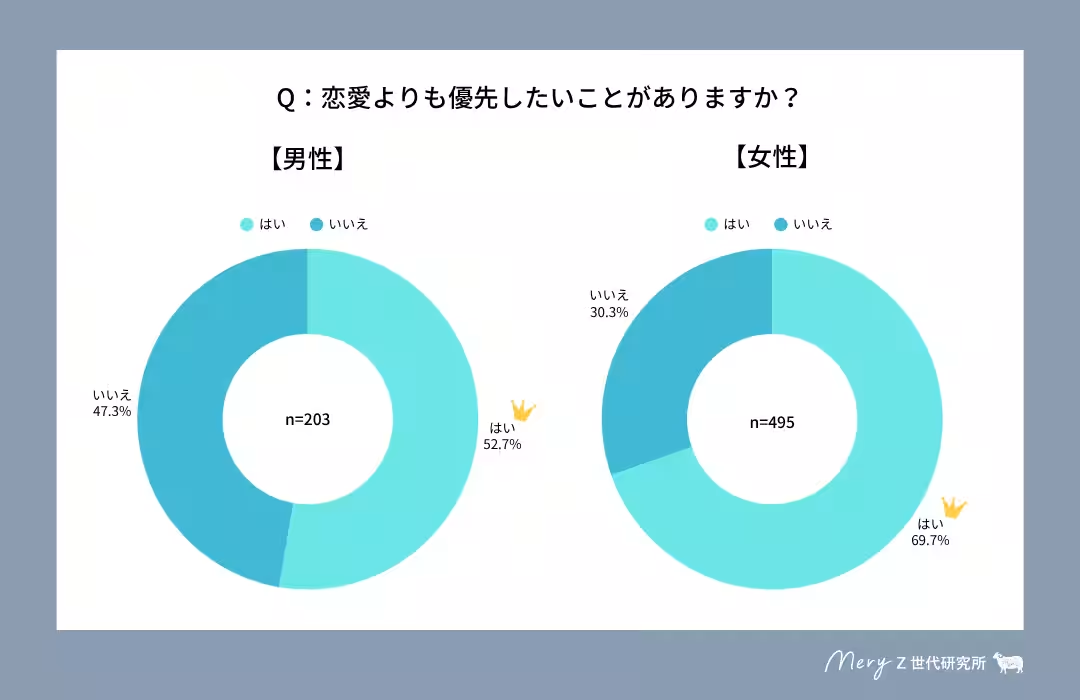
Interestingly, about 70% of female respondents stated that there were priorities in their lives that took precedence over romantic relationships. This is in contrast to 52.7% of male respondents who felt the same way, highlighting gender differences in prioritizing personal ambitions over romance.
Satisfaction in Singleness
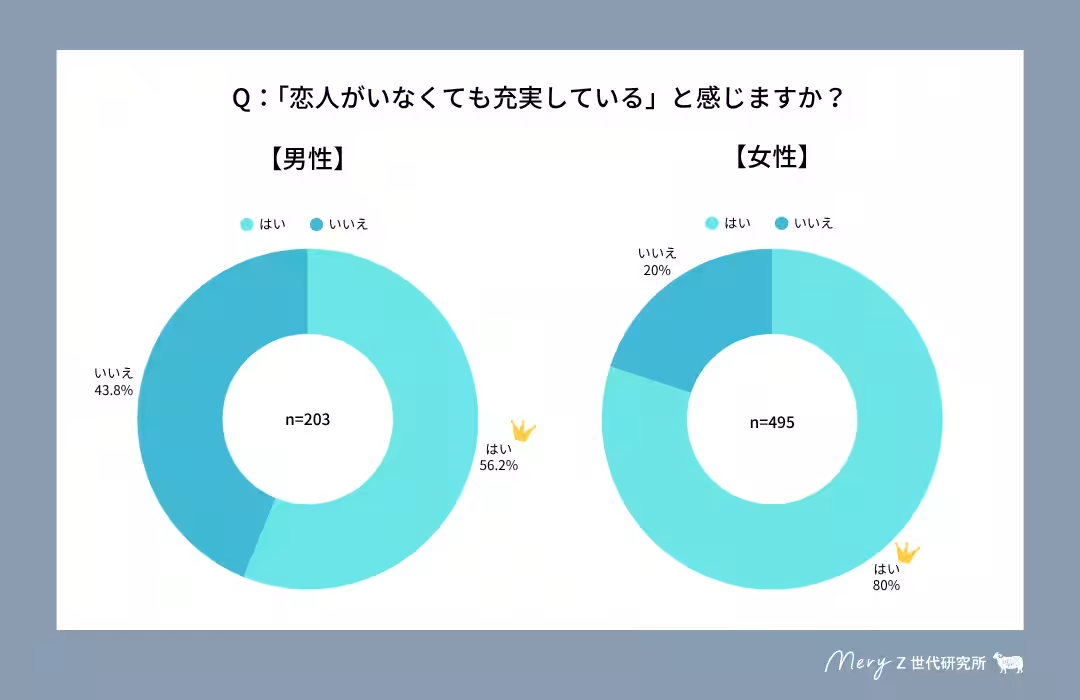
Moreover, when asked whether they felt fulfilled without a partner, men responded affirmatively at 56.2%, whereas a striking 80% of women reported feeling satisfied and fulfilled without a significant other. This suggests that women in this demographic have a stronger sense of self and well-being independent of romantic affiliations.
Balancing Love and Life
Additionally, the dialogue at the focus group reiterated that while many students exhibit enthusiasm towards romance, they also cherish personal pursuits such as academics and hobbies. Comments reflected a prevalent belief that a balanced lifestyle comprising work, study, and love is essential for many. Furthermore, it was observed that university women often engage intensely in activities outside of love, showcasing a trend of prioritizing personal growth alongside romantic interests.
Conclusion
The findings from this survey by MERY offer a comprehensive glimpse into the romantic landscape of contemporary Japanese university students, revealing a generation that balances love with personal ambition. MERY continues to conduct similar discussions and surveys, ensuring that the voice of Generation Z is heard and understood in the ever-evolving narrative of love and relationships.
About MERY Z Generation Research Institute
Through its media services and community engagements, MERY extracts insights from genuine voices of the Z Generation, aiding brands and organizations in addressing their marketing challenges effectively.
MERY Services Overview
Focusing on the younger demographic, particularly Generation Z, MERY facilitates effective brand communication and promotional strategies to support businesses in uplifting their happiness initiatives. By transitioning from traditional media to social media platforms, MERY encourages community building while collecting user insights for broader application in marketing and business.
For further information on MERY and their initiatives, visit MERY.

Topics People & Culture)


【About Using Articles】
You can freely use the title and article content by linking to the page where the article is posted.
※ Images cannot be used.
【About Links】
Links are free to use.