



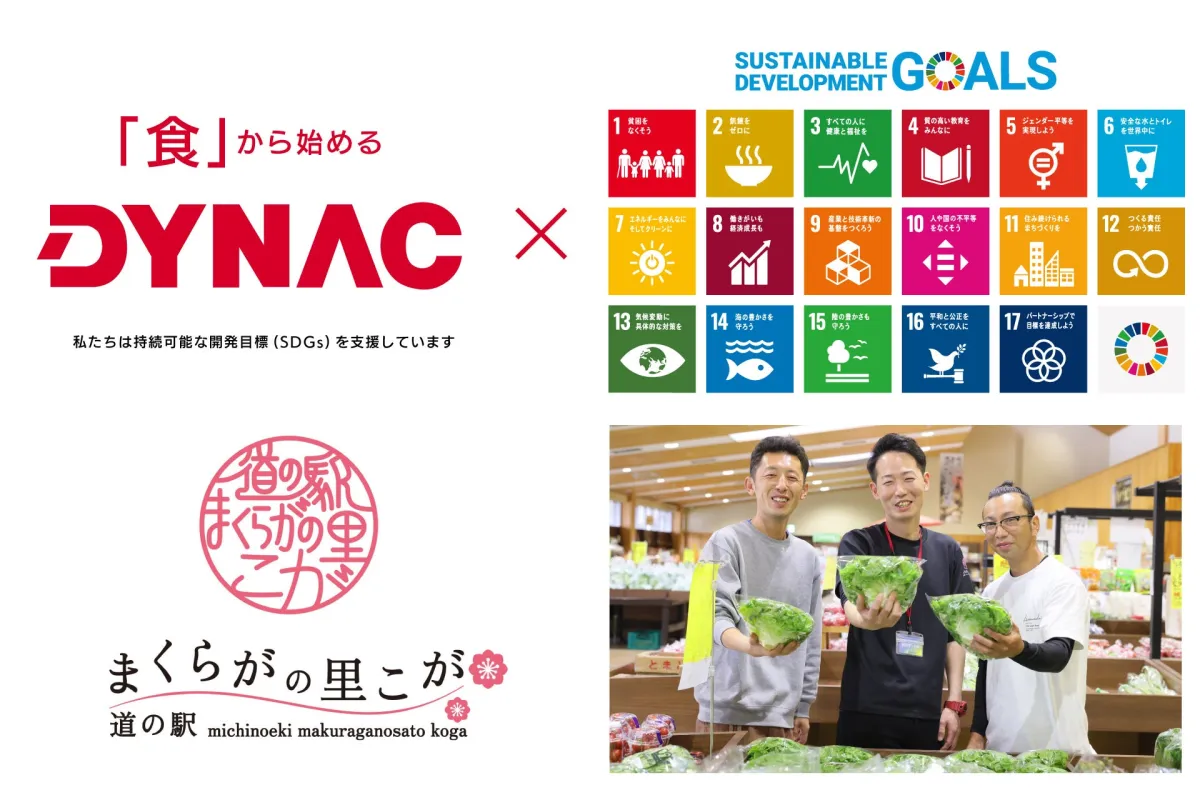
Dynac Launches Food Recycling Initiative at Makuraga no Sato Koga for Sustainability
Dynac's Innovative Food Recycling Project at Makuraga no Sato Koga
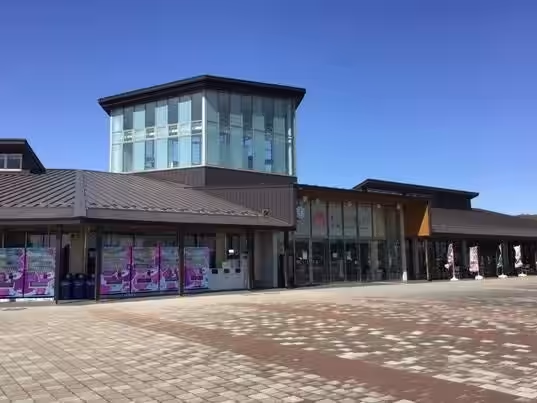
Dynac Corporation, headquartered in Minato, Tokyo, is embarking on a noteworthy journey towards sustainability with the launch of its food recycling initiative at "Makuraga no Sato Koga," situated in Koga City, Ibaraki Prefecture. This project, which begins its operations on July 1, 2025, is a collaborative effort with two key partners: Yunan Clean Center and Mukashi no Taifi. These partnerships aim to combat food waste and align with sustainable development goals (SDGs).
The Vision for Food Recycling
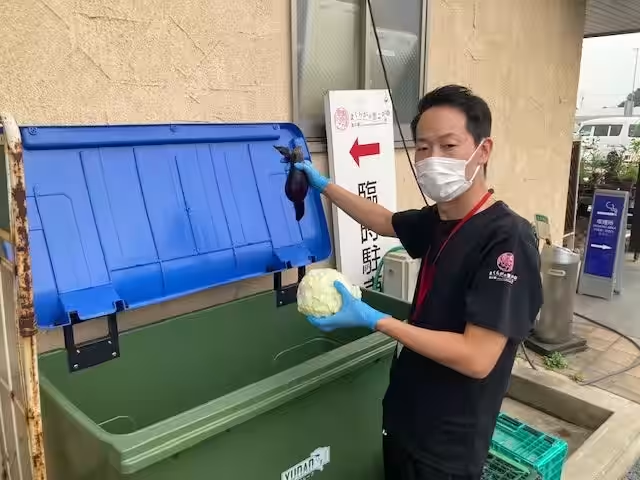
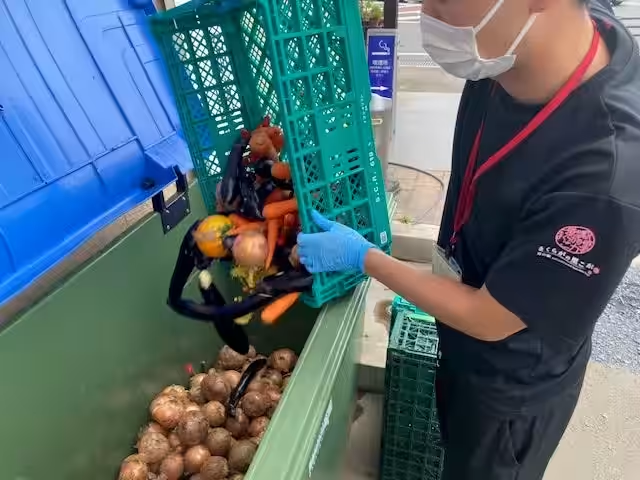
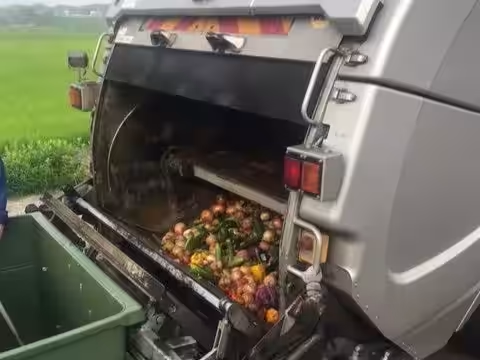
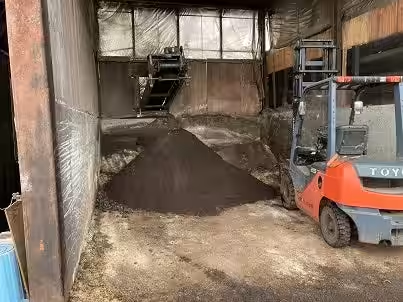
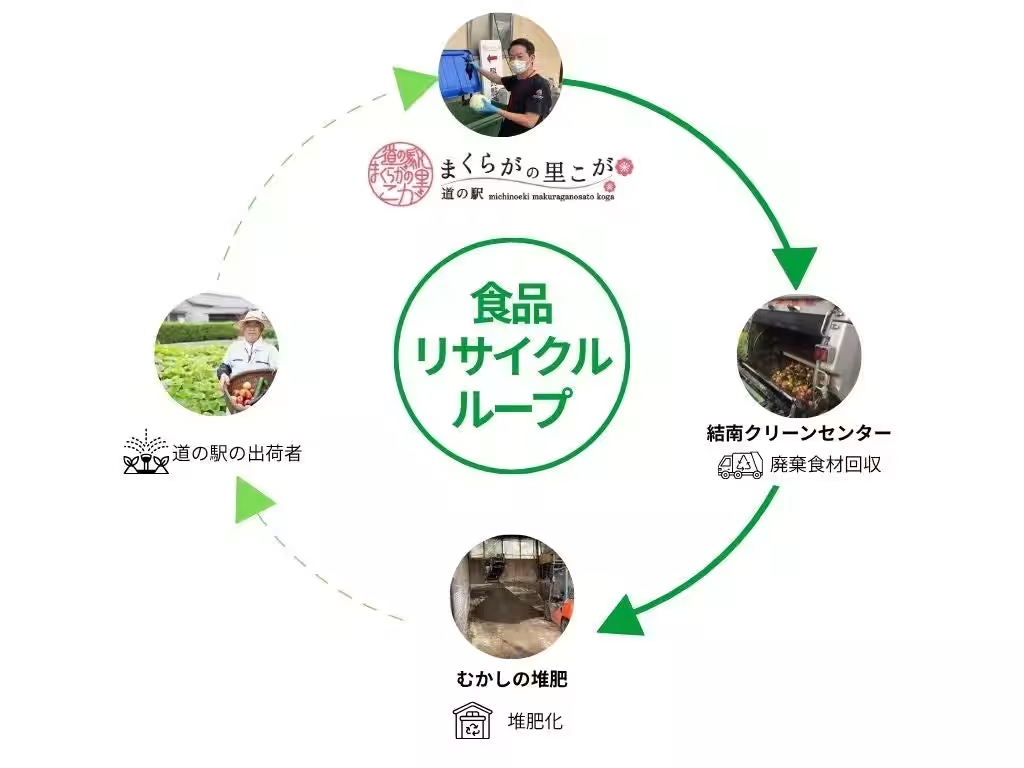
Dynac, known for its diverse restaurant and catering services, has always prioritized creating enjoyable dining experiences while addressing environmental challenges. This new food recycling initiative is part of Dynac’s ongoing commitment toward a sustainable business model. The approach involves a circular economy system where food waste generated from the food court and perishable goods from sales at the on-site direct sales store will be collected, sorted, and converted into compost by Mukashi no Taifi.
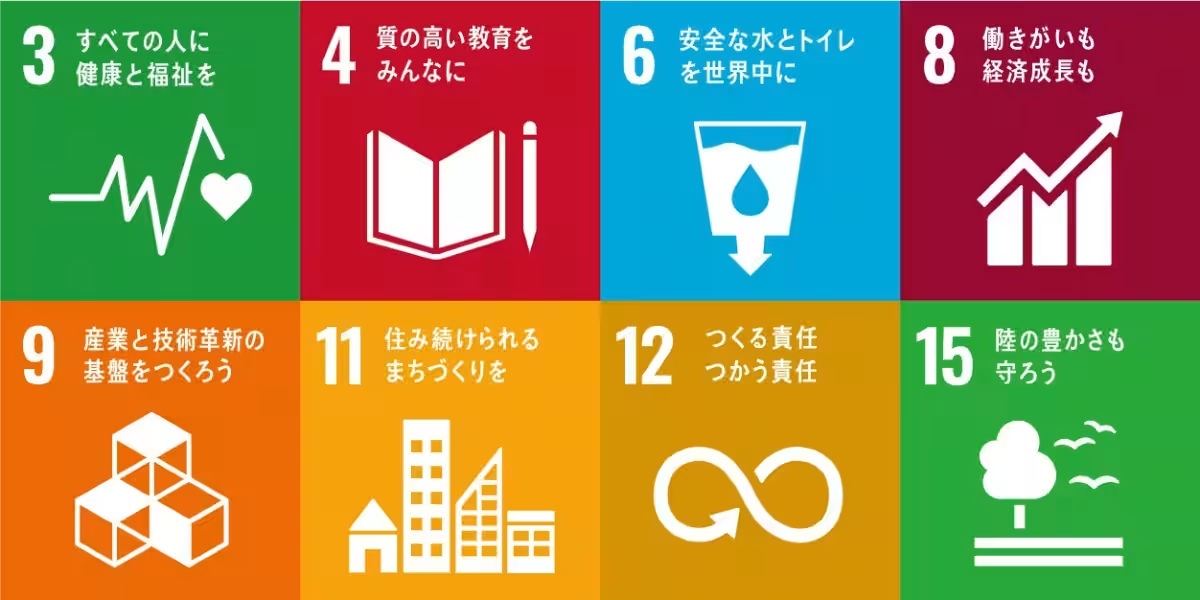
By implementing this food recycling loop, Dynac aims to tackle the SDGs goal of responsible consumption and production, while also significantly reducing carbon emissions associated with waste incineration. This innovative recycling process enables the transformation of approximately 1,200 kg of food waste per month into high-quality compost. The compost will then be used by local farms, thus completing the cycle and ensuring less food waste ends up in landfills.
Contribution to Local Agriculture
One of the most exciting aspects of the project is that the compost produced will be used to grow fresh produce, which will eventually reach customers at Makuraga no Sato Koga. By not only addressing waste but also contributing positively to local agriculture, Dynac is exemplifying how businesses can play a crucial role in sustainability.
In the previous initiatives across Kubota’s catering services in the Kansai area, similar food recycling loops have already reaped success. These operations segregated recyclable waste generated during party preparations, ensuring that high-quality compost is generated for agricultural use. The produce grown from this compost has been utilized in Dynac's catering services, further reducing waste and enhancing the food supply chain.
Dynac’s Broader Sustainability Goals
Dynac's commitment to sustainability is woven into its corporate philosophy of 'cooking up inspiration to expand the value of food.' Their ongoing initiatives revolve around four main pillars:
1. Responsibility to Customers: Ensuring the highest safety and quality in food, reflected through customer feedback.
2. Environmental Responsibility: Aiming to lessen environmental impact with eco-friendly practices across operations.
3. Community Engagement: Collaborating with local producers and municipalities to enhance local economies through sustainable development.
4. Workplace Diversity: Pursuing diversity in workforce management to foster creativity and innovation.
Through these efforts, Dynac is not merely seeking to comply with existing environmental standards; it is intent on setting new benchmarks in sustainable business practices. The company's leadership asserts that fostering a relationship between nature and society is paramount for nurturing a sustainable environment.
Looking Towards the Future
As they prepare to launch the food recycling initiative at Makuraga no Sato Koga, Dynac reinforces its resolve to contribute to a sustainable society, turning waste into valuable resources. Upcoming plans include not only the cultivation of fresh produce but also educational initiatives aimed at raising awareness about food waste management and sustainable agriculture.
In conclusion, Dynac’s innovative food recycling project exemplifies the possibilities of turning environmental challenges into opportunities. By embracing a circular economy approach and fostering collaboration with community partners, they are paving the way for a future where sustainability is not just an option but a standard in the food service industry.




Topics Consumer Products & Retail)
【About Using Articles】
You can freely use the title and article content by linking to the page where the article is posted.
※ Images cannot be used.
【About Links】
Links are free to use.