



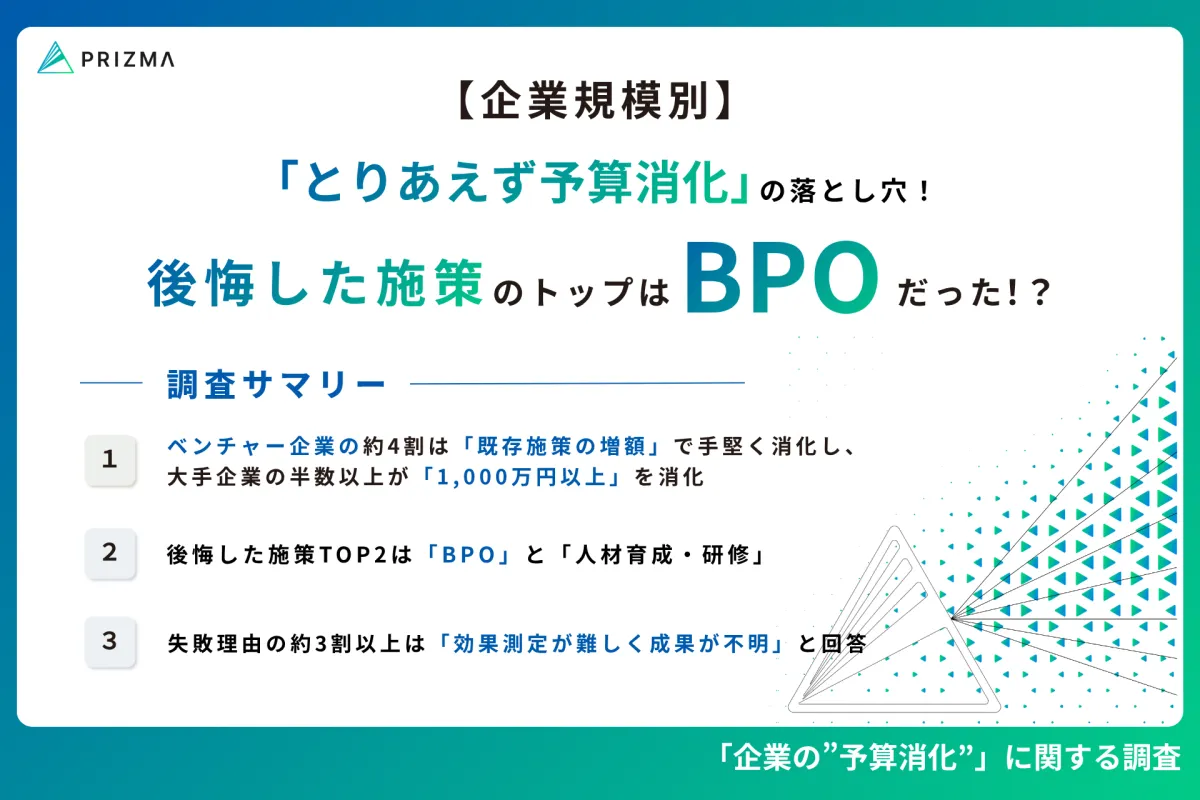
Understanding Corporate Budget Utilization: Insights from PRIZMA's Latest Survey
Insights into Corporate Budget Utilization
In a recent survey conducted by PRIZMA, over 1,000 executives and budget managers across companies facing fiscal year-end or mid-term evaluations contributed their insights on corporate budget utilization. The research, conducted between late August and December of 2026, aimed to uncover how companies allocate their budgets, the effectiveness of their spending, and the regrets that come along with decision-making in this crucial period.
Key Findings
The findings from PRIZMA's survey indicate distinct patterns in budget utilization according to company size:
1. Spending Patterns
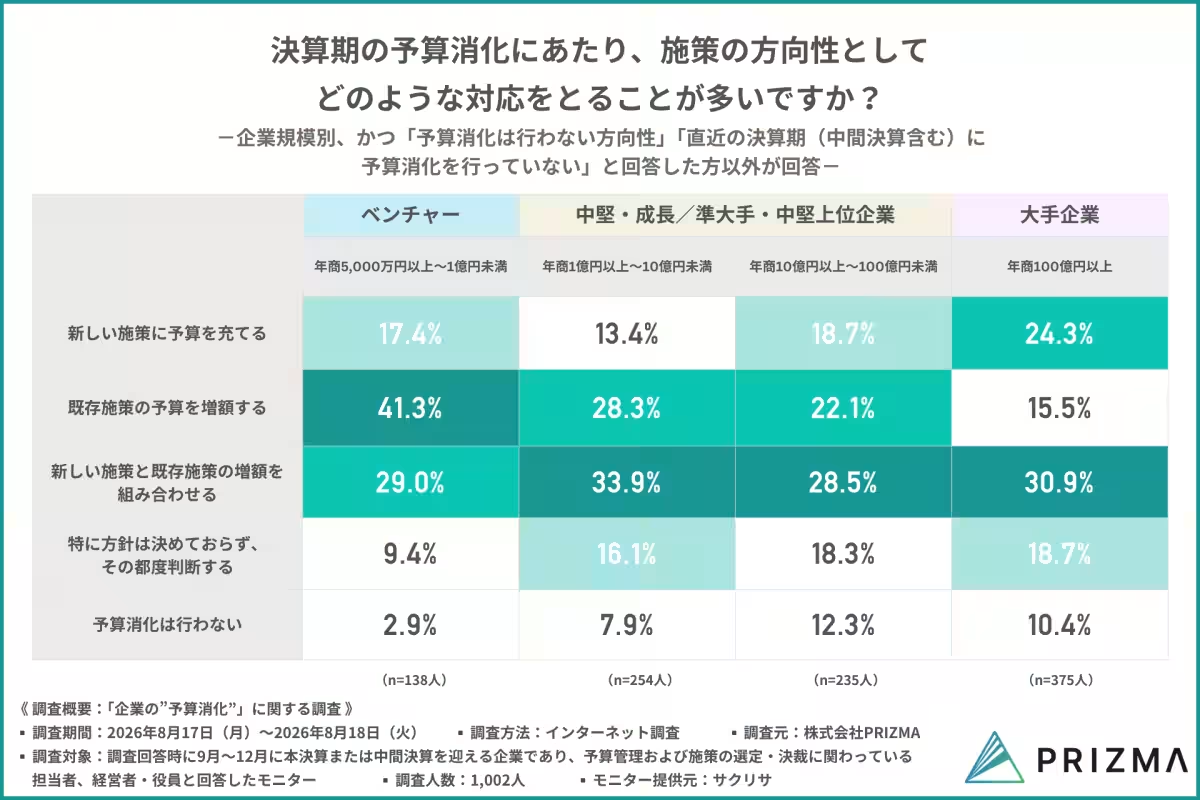
- Companies with annual revenues of less than 1 billion yen primarily opt to increase budgets for existing initiatives (41.3%). In contrast, those with annual revenues over 1 billion yen frequently combine budget increases for both new and existing initiatives (28.5% to 33.9%).
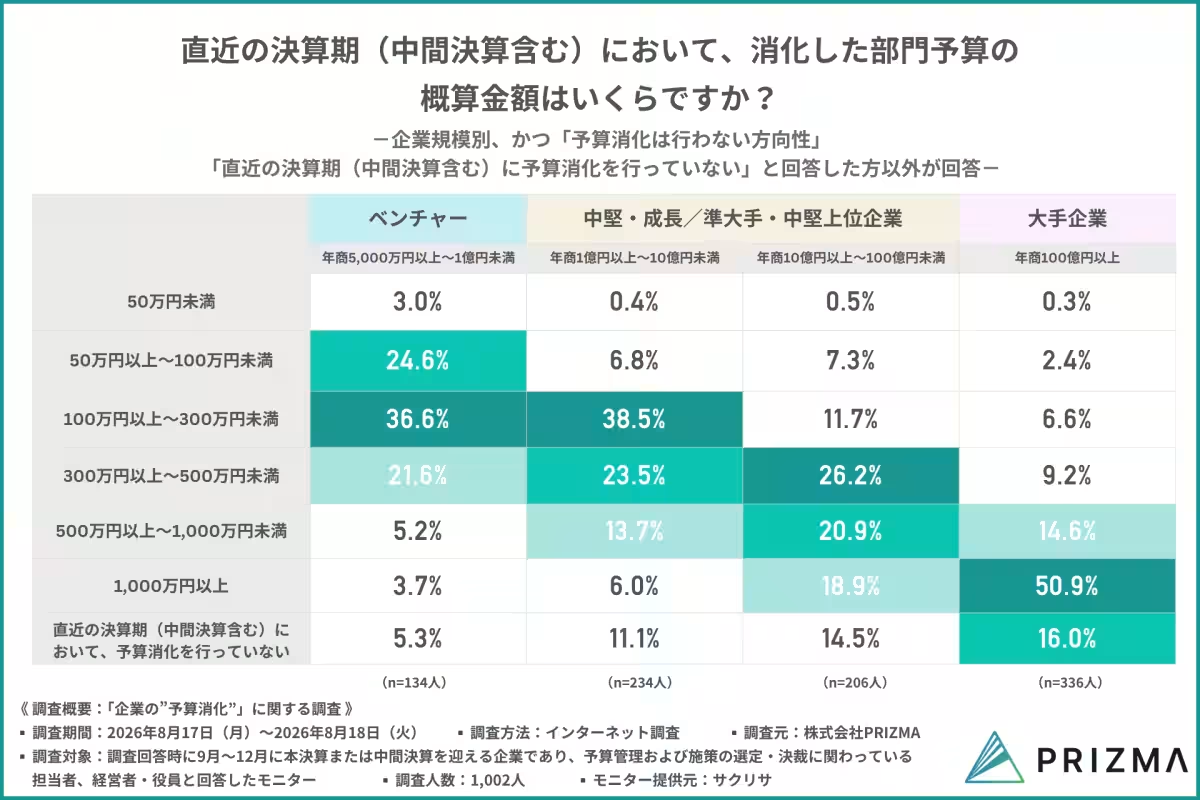
- Large enterprises, in particular, show a trend towards investing more than 10 million yen (50.9% of firms) during the fiscal year-end.
2. Main Initiatives and Regrets
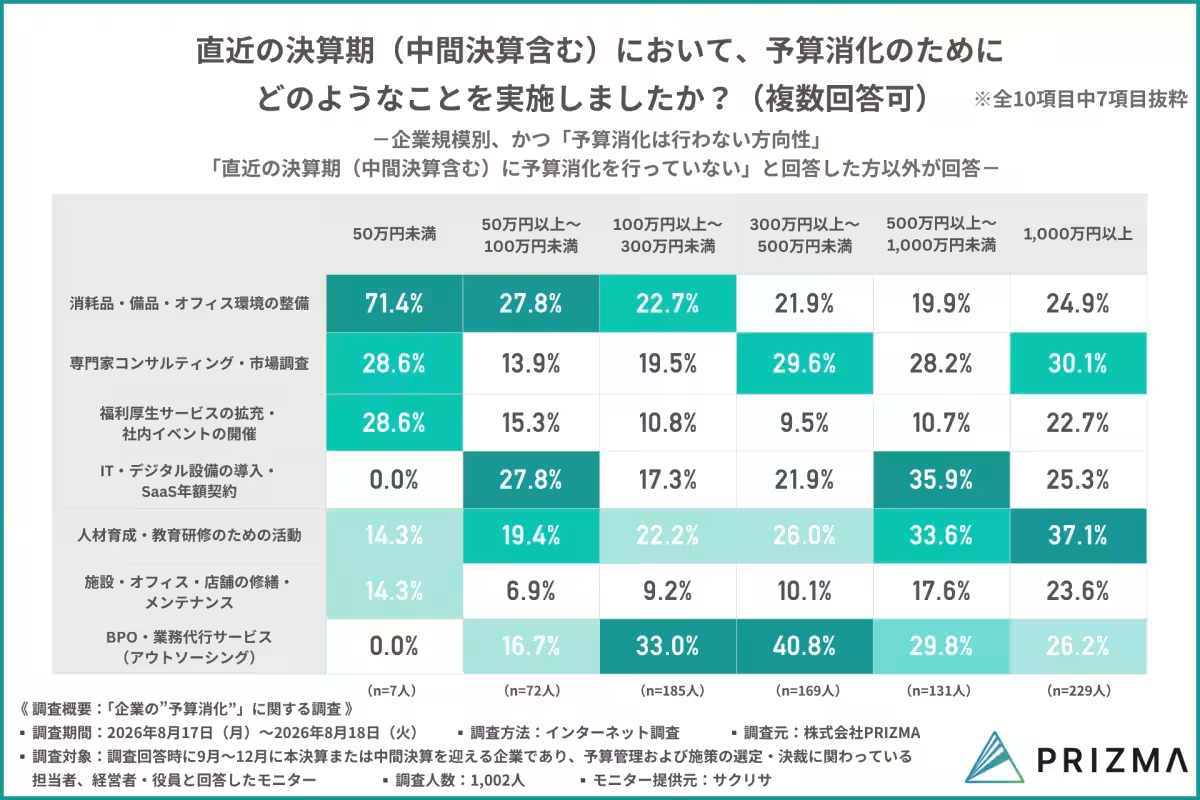
- Firms often channel budgets into operational needs, with office supplies and environmental improvements being the most popular undertakings for budgets under 500,000 yen (71.4%). For higher budgets, business process outsourcing (BPO) emerges as a frequently chosen option.
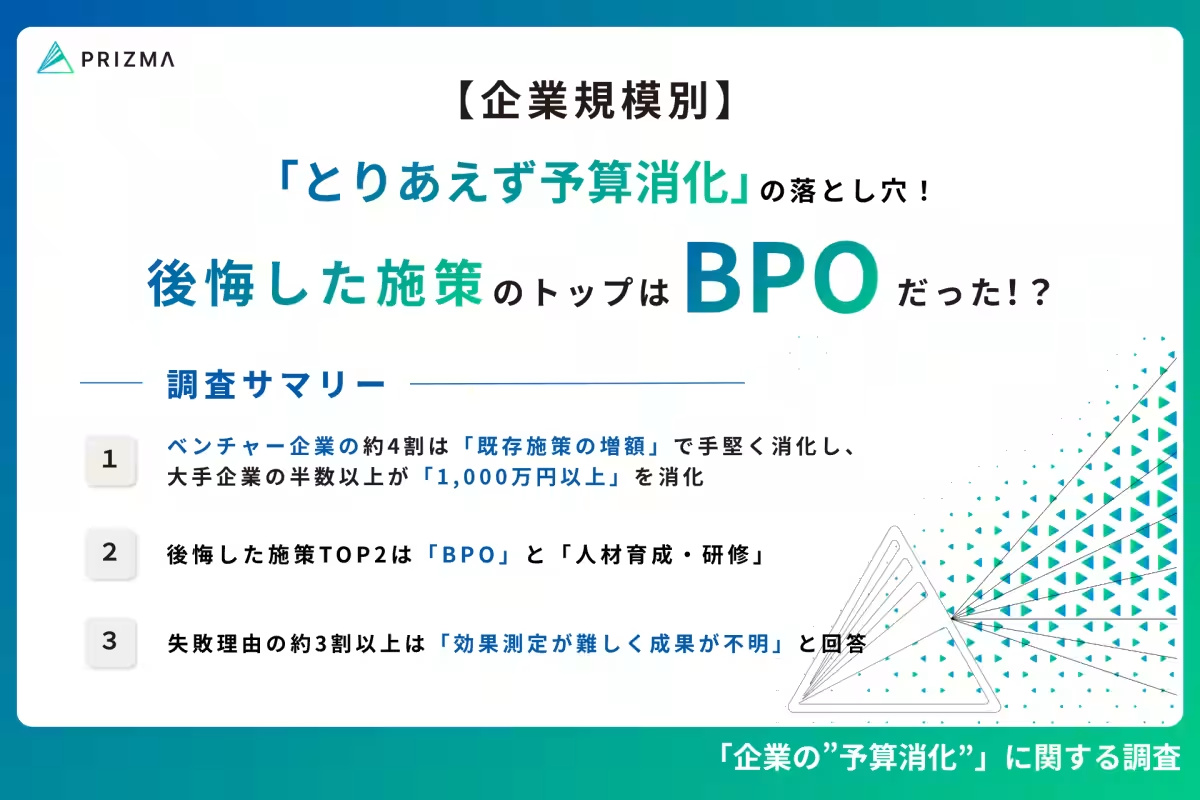
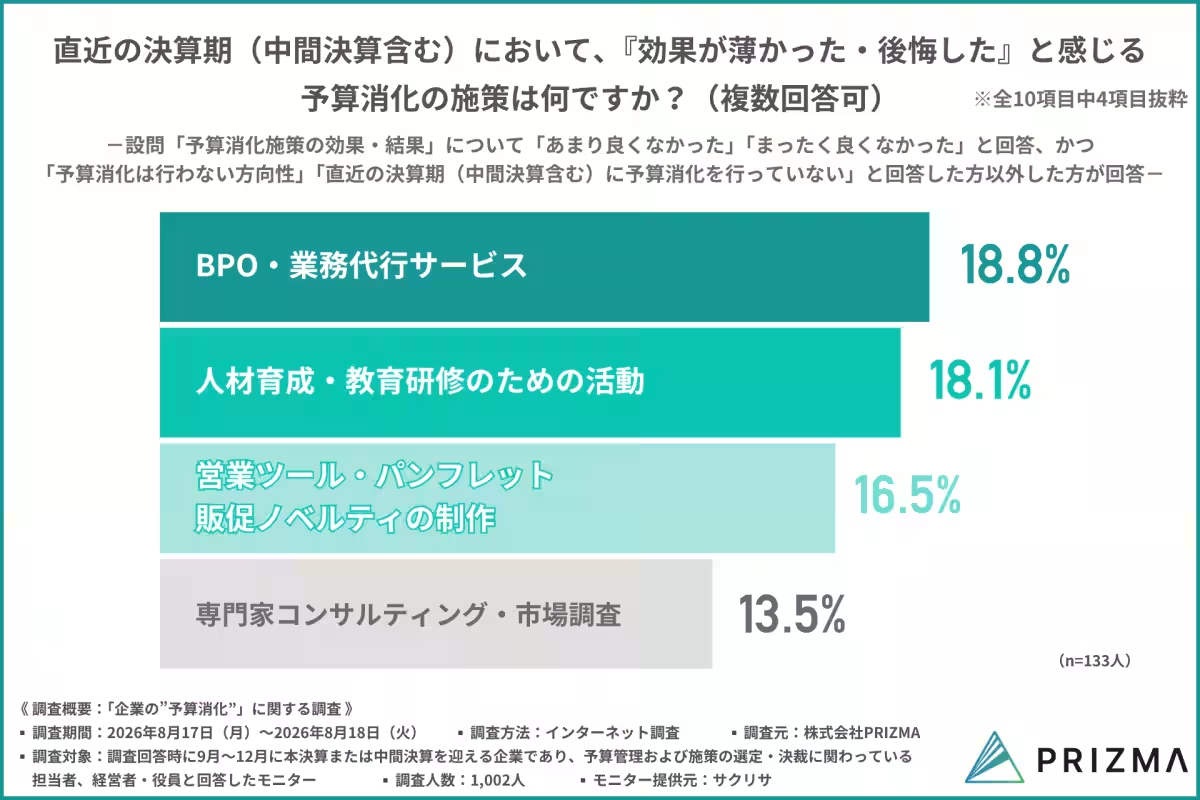
- However, the survey also revealed that the most regretted initiative was BPO (18.8%), attributed to challenges in measuring effectiveness and lack of sustained impact in subsequent periods. Other noted regrets included training programs and sales materials.
3. Challenges in Measuring Effectiveness
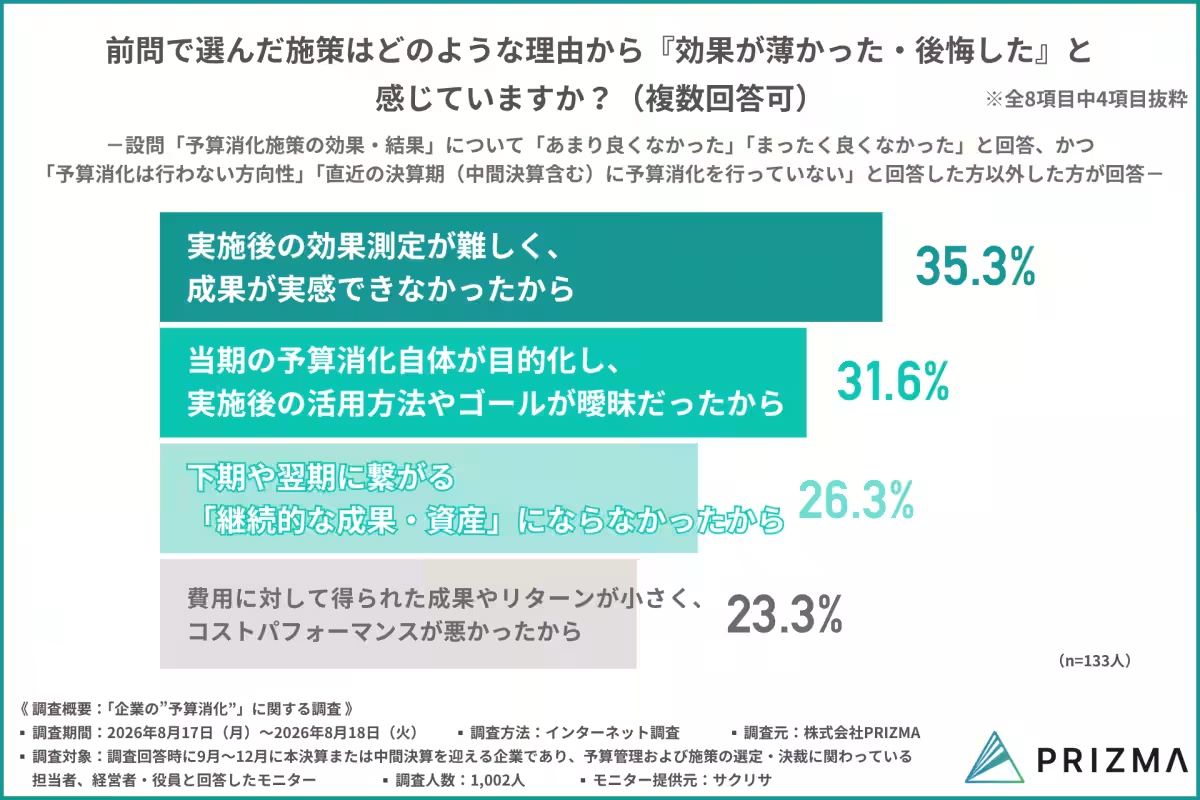
- A significant 35.3% of participants cited difficulty in quantifying results as a primary reason for regretting certain expenditures, indicating a misalignment between budget consumption and tangible outcomes.
- Organizations that found themselves rushed into projects without clarity on objectives often ended up with unsatisfactory results and questions about return on investment (ROI).
Decision-Making Trends
As the fiscal year progresses towards completion, many budget managers and executives openly express their dilemmas:
- - “With leftover budgets nearing year-end, how should we effectively allocate these funds?”
- - “We want to avoid unnecessary spending just to exhaust our budget.”
Recommendations for Future Budget Allocation
To improve budget utilization, PRIZMA outlines strategic recommendations tailored to different company scales:
- - For Startups (Under 1 Billion Yen): Focus on maximizing existing initiatives and prioritize immediate, actionable improvements without complex procedures. Budget concentrations should ideally remain under the 300,000 yen mark for swift approvals.
- - For Mid-sized Firms (1-10 Billion Yen): Adopt a hybrid approach that combines the scaling of existing and new initiatives. Consider BPO solutions where immediate resource allocation is critical for operational efficiency.
- - For Large Enterprises (Over 100 Billion Yen): With significant budgetary flexibility exceeding 10 million yen, these organizations should prioritize long-term investments in technology and workforce development, ensuring sustainable growth in subsequent fiscal periods.
Concluding Thoughts
PRIZMA's survey offers a rich insight into budgeting behaviors and challenges faced by enterprises as they encounter fiscal deadlines. The report emphasizes not only the importance of careful expenditure planning but also the necessity of aligning budgets with measurable outcomes to transform short-term spending into long-term strategic assets.
For organizations looking to ensure effective budget utilization and significant returns, extracting insights from these findings and adjusting strategies accordingly is paramount. The complete survey report provides in-depth data and further analyses, available for interested parties to download for free.
For more details, visit the PRIZMA report download page.




Topics Business Technology)
【About Using Articles】
You can freely use the title and article content by linking to the page where the article is posted.
※ Images cannot be used.
【About Links】
Links are free to use.