



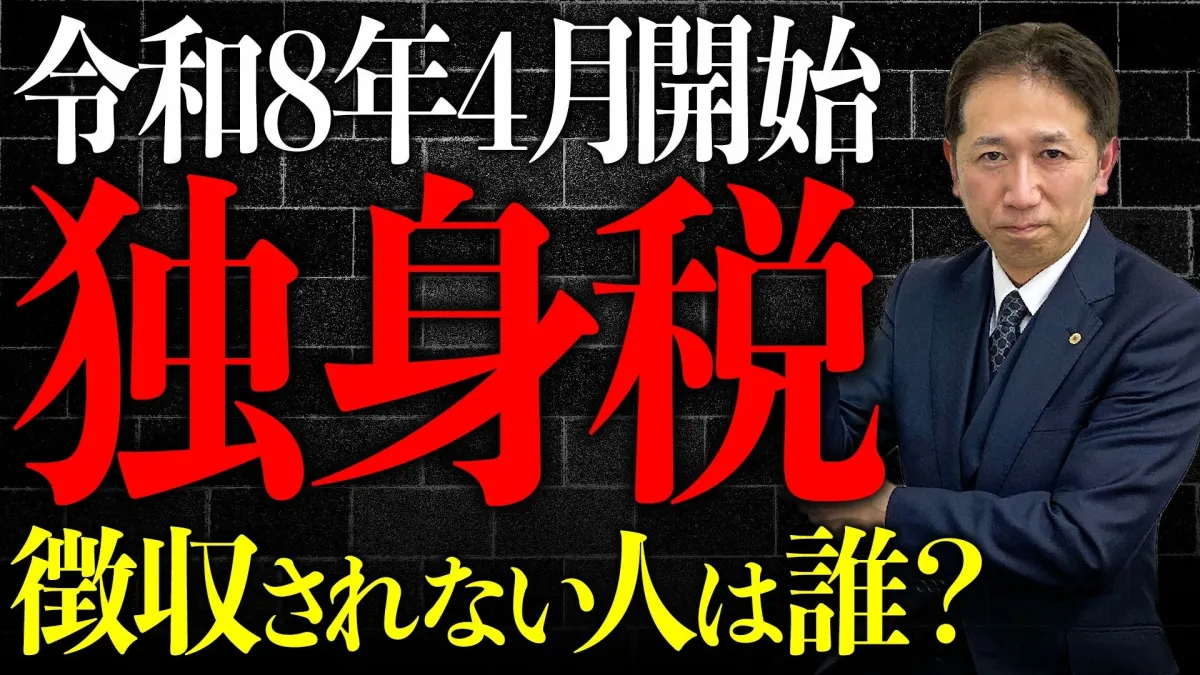
Understanding Children's Care Support Payments: Who is Exempt Starting April 2026?
Understanding Children's Care Support Payments
Starting April 2026, the new children’s care support payment system will be in effect, raising many questions among the public. One major concern involves who will be exempt from these payments. Understanding the nuances of this system is crucial as confusion abounds, particularly surrounding the term “universal collection.” The facts, however, show a much clearer picture.
Who is Exempt?
The most significant exemption under this new regulation is for dependent individuals covered under health insurance. This means that those who are dependents on a health plan will not be required to pay the children's care support fee. In contrast, insured individuals and those enrolled in national health insurance are generally considered primary contributors to the program, thus making them liable for payments.
Clarifying Misconceptions
Stating that “everyone is obliged” to contribute implies a blanket policy that does not reflect the complexities and exceptions present. It’s essential to clarify who truly incurs these fees and what defines their status. Key groups such as stay-at-home parents and children are categorized differently, impacting their requirement to contribute. For instance, part-time workers who are financially dependent on someone else might also face different implications related to the support fee system.
Why Are Some Groups Exempt?
The reasoning behind the exemption for dependents under health insurance stems from the understanding that these individuals do not gain imminent financial benefits from their employer’s insurance contributions. Thus, they shouldn’t incur further support fees. The aim is to support families based on their economic status and not overburden those who are already in a vulnerable financial situation.
Insights into National Health Insurance
Enrolees of national health insurance, however, find themselves in a distinct position. They typically fall under the category of individuals expected to contribute towards the support payment due to their direct involvement in the system. Each individual’s contribution is determined, ensuring all able individuals participate, supporting the objectives of the program effectively.
Support Payment Calculations
How is this support payment calculated? The method behind it relies on a comprehensive analysis of various factors, ensuring that the financial contribution aligns with equity principles. The calculations are intended to reflect the financial capabilities of individual contributors, thereby addressing equity within the support system.
Future Adjustments: Will There Be Exemptions?
Furthermore, questions arise regarding future adjustments to the system. Could there be measures introduced for further exemptions or reductions in payment obligations? This remains an ongoing discussion, with potential legislative adjustments being a possibility to consider in the future.
Expert Insights
To shed light on these concerns, Jun Ono, a licensed Social Insurance Labor Consultant, has been invited to lead a workshop on this topic. With an extensive background in human resource training, he has delivered over 400 sessions focused on labor laws and practices. His practical approach emphasizes real-world applications of legal standards, which can significantly aid participants in navigating these complex regulations.
The workshop hosted by the Claire Human Resources Development Association aims to equip media and reporting entities with the necessary understanding of the changes that are about to take effect. The organization, established as a group company of Corporation SA in 2023, focuses on human resources and labor regulation, equipping professionals across various sectors with the tools they need to comply with the new policies. More information about their initiatives can be found on their official website.
As society transitions into this new phase of child support payments, staying informed and understanding one’s own obligations will be vital for all stakeholders involved.
Topics Policy & Public Interest)

【About Using Articles】
You can freely use the title and article content by linking to the page where the article is posted.
※ Images cannot be used.
【About Links】
Links are free to use.