



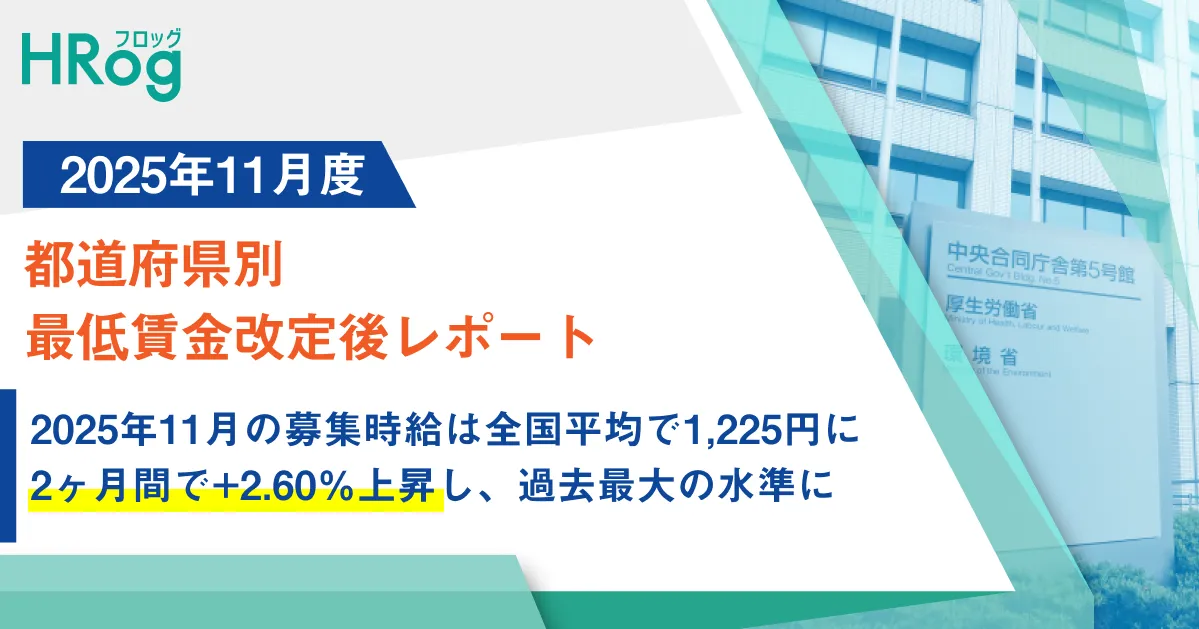
Analysis of Minimum Wage Revisions Across Japan: Trends and Insights for 2025
Overview of Minimum Wage Adjustments in Japan
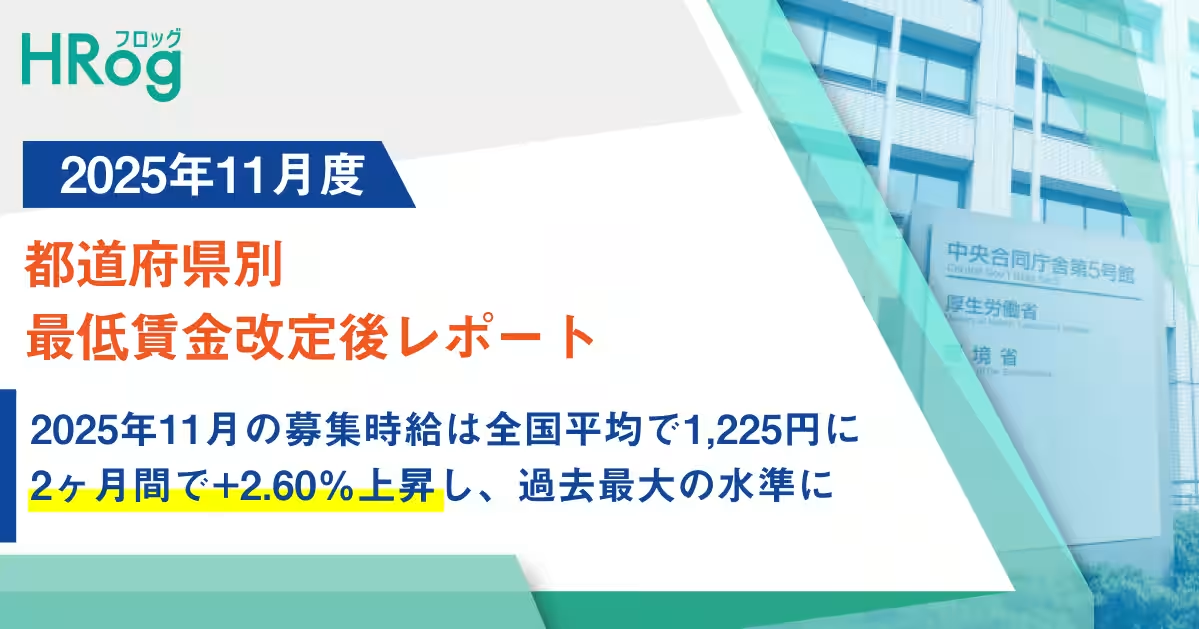
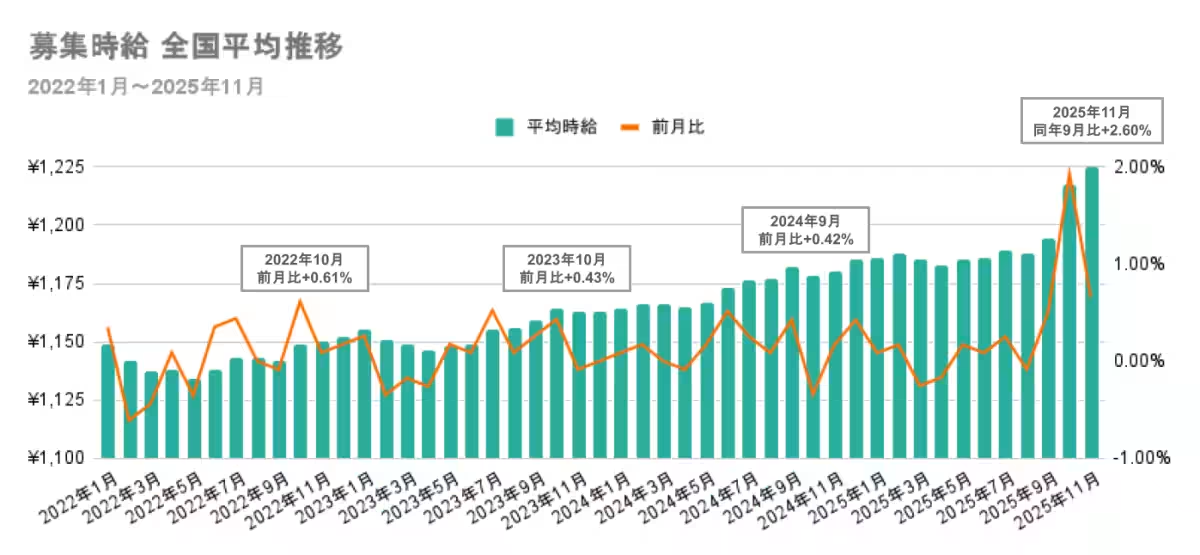
In November 2025, the average hourly wage across Japan rose to 1,225 yen, marking a substantial increase of 2.60% over the two-month period preceding it. This change reflects a broader trend toward increasing wages, driven by rising living costs and inflation. The report, released by Frog Inc., provides a detailed analysis of how these minimum wage adjustments are affecting job listings across various regions.
Minimum Wage Changes
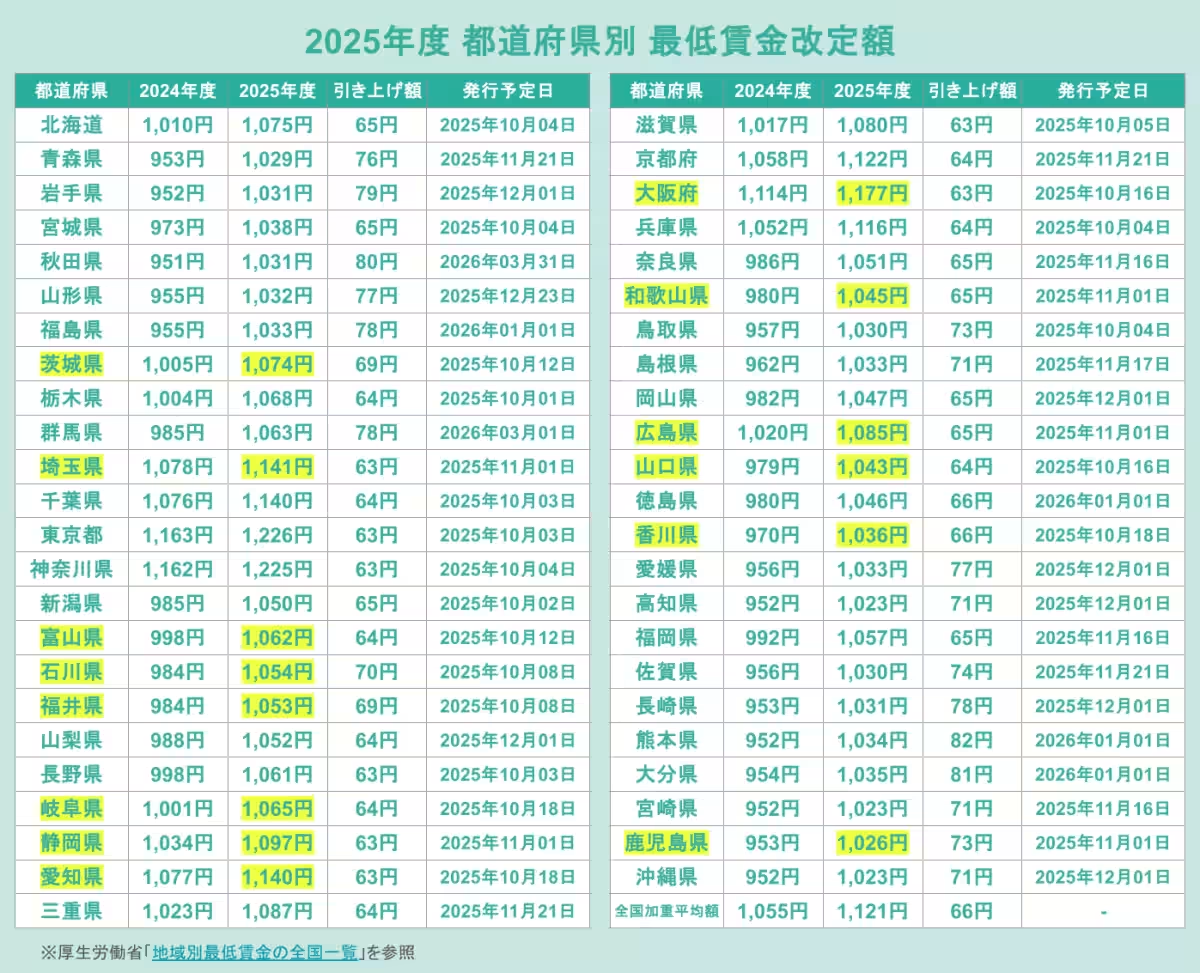
According to the Ministry of Health, Labour and Welfare, the increase in minimum wage for 2025 ranges from 63 yen to 82 yen. Notably, the nationwide weighted average minimum wage increased by 66 yen from the previous year, rising from 1,055 yen to 1,121 yen. This upward trend in minimum wage amendments has generated significant momentum in the job market, particularly in areas where recent changes took effect.
Frog Inc. analyzed data from various job listing platforms covering 14 prefectures where minimum wage updates were enacted between October 8 and November 1, 2025. This included regions such as Ibaraki, Saitama, and Kagoshima, among others. The aim was to present a current snapshot of employment practices and reflect the new minimum wage rates in job postings.
Job Market Insights
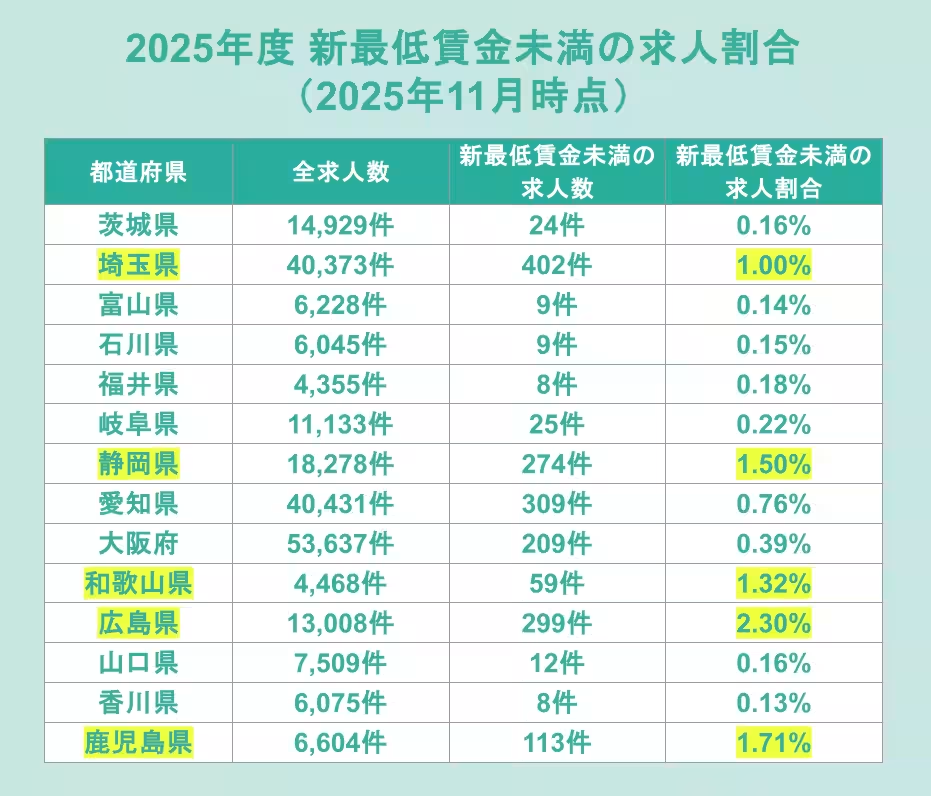
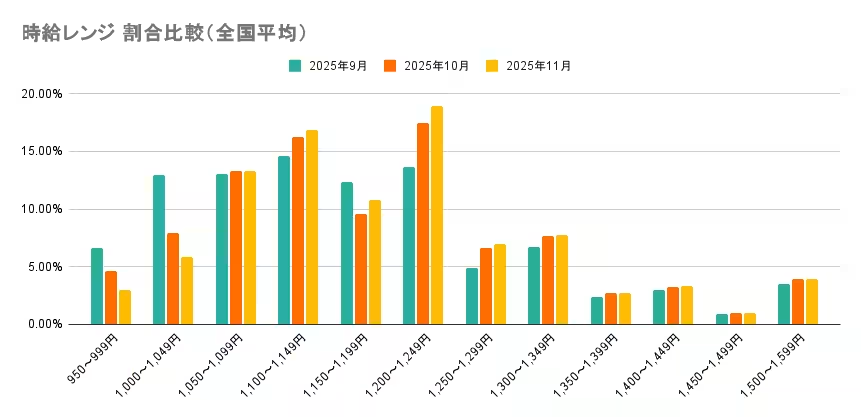
The data reveals that in prefectures recently affected by minimum wage updates, job postings offering wages below the new rates exceeded 1%. This indicates that not all employers have adjusted their listings in line with the new minimum wage, highlighting a lag in response to the legislative changes.
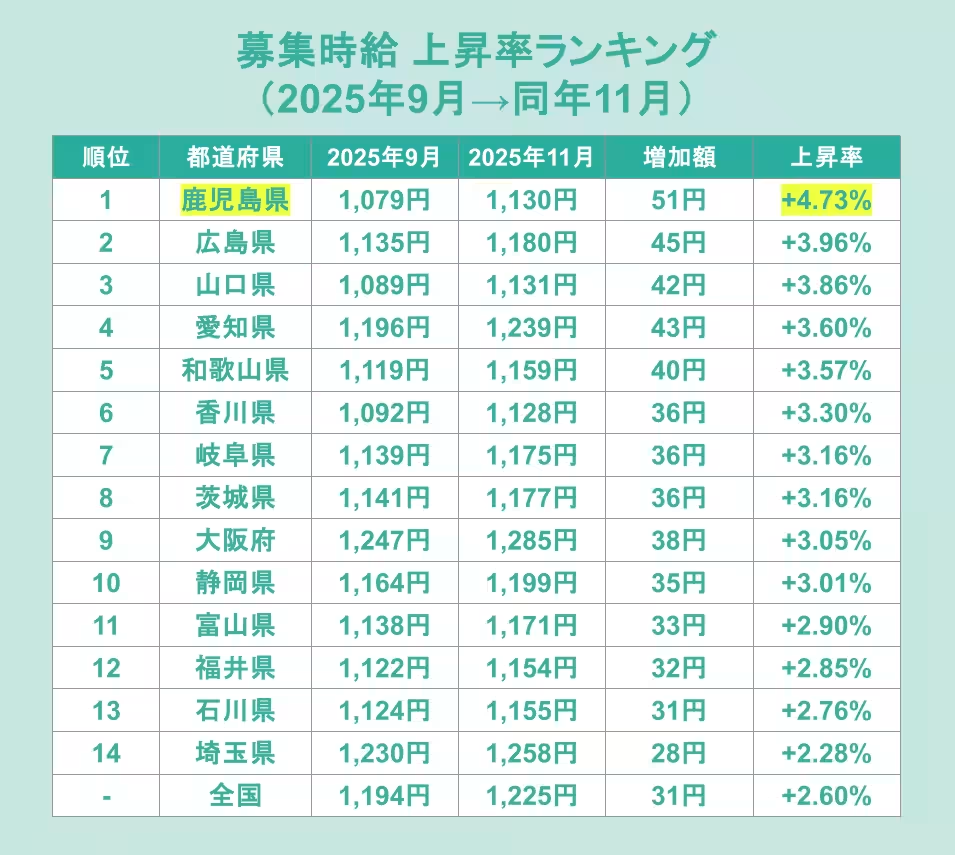
Analyzing nationwide trends, the average hiring rate rose by 2.60% from September to November 2025. This increase is significant when compared to past years, signaling a robust acceleration in wage growth driven by obligatory minimum wage adjustments. Specific prefectures noted substantial increases; for instance, Kagoshima showed a remarkable rise of 4.73%, making it the highest in the survey period.
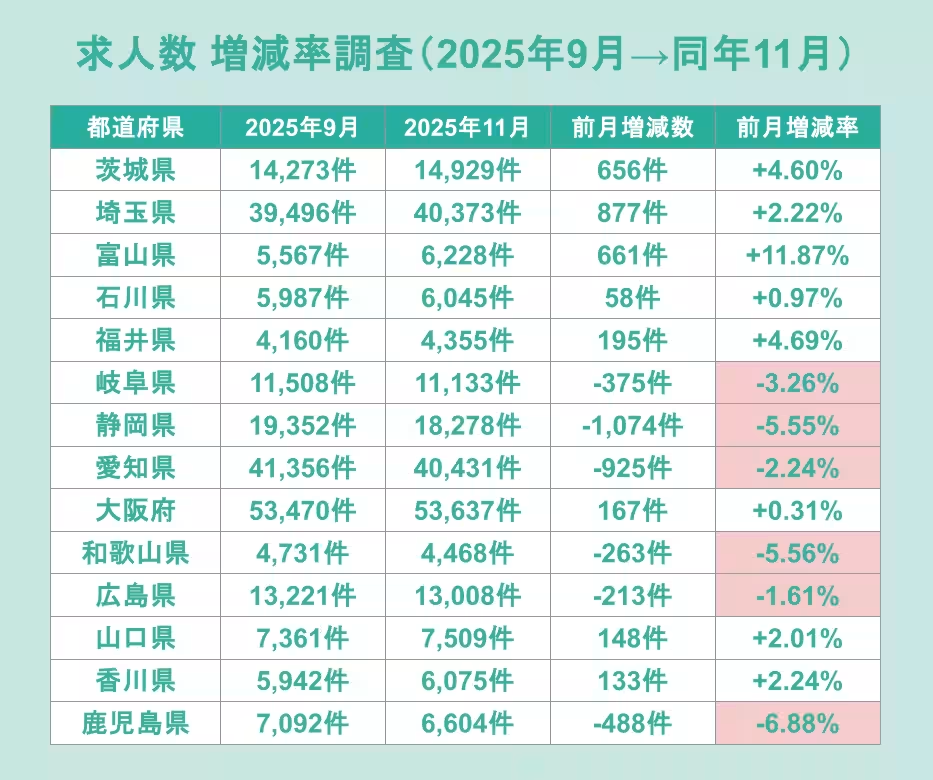
In contrast, there are reports of decreased job listings in areas like Kagoshima, Shizuoka, and Wakayama. This suggests some employers may be hesitant to adjust their advertisements and hiring practices accordingly, perhaps due to uncertainty about ongoing economic conditions.
Regional Wage Trends
The incremental adjustments in minimum wages point towards an ongoing battle against inflation in the job sector. As the nationwide weighted average minimum wage exceeds 1,000 yen, businesses are grappling with how to attract talent while adhering to legal wage standards. Local governments have implemented staggered timelines for these wage updates to provide small businesses with ample preparation time.
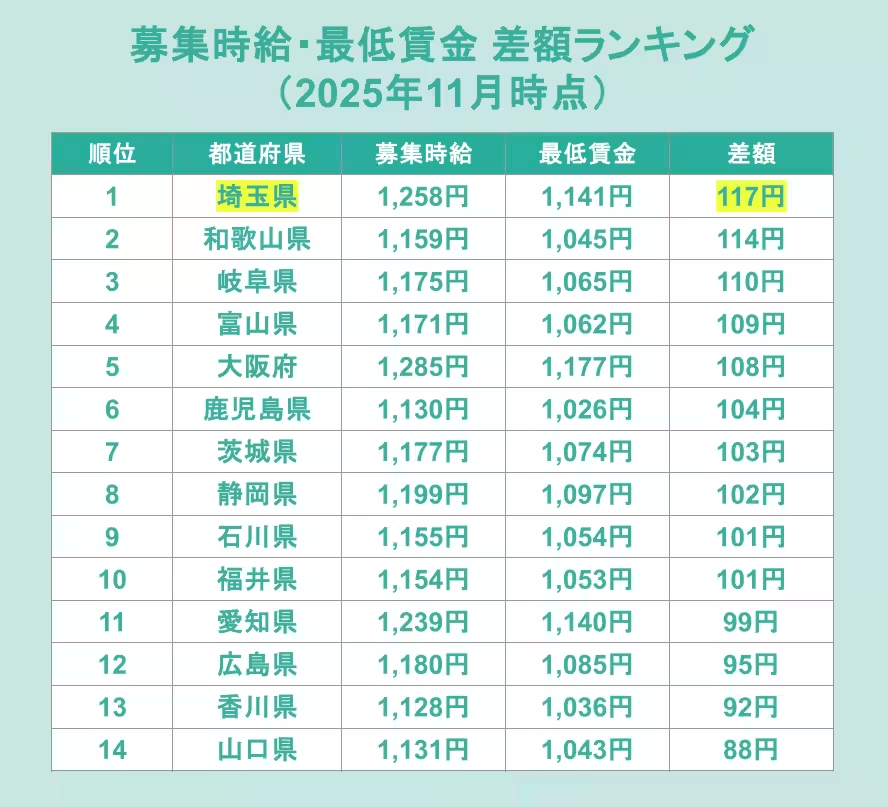
A deeper look into job listings alongside minimum wage adjustments from September to November shows that many prefectures exceeded the national average increase of 2.60%. For example, as each region implements new minimum wages, the discernible discrepancy between the offered wages and the legal minimum also presents an opportunity for recruitment strategies focusing on competitive salary packages.
Job Listing Dynamics
From September to November, the cumulative increase in the average hourly wage on recruitment sites was notable. This trend showcases an increase from 1,217 yen to 1,225 yen, marked by a 0.66% (8 yen) rise in a single month. As companies were proactive in raising wages, the aggregated growth from September reflected an impressive uptick in the labor market confidence.
Graphing job market fluctuations highlights a decrease in listings in prefectures raising minimum wages compared to a rise in job advertisement numbers in regions holding out for upcoming adjustments. For instance, while Kagoshima experienced a 6.88% drop in listings, neighboring Ibaraki saw an increase, suggesting varying responses from employers according to local economic climates.
Conclusion
The ongoing evolution of Japan's minimum wage landscape paints a complex picture, forecasting an acceleration in wage growth across many categories of labor. With the average rise recorded at 2.60%, specific regions, particularly Kagoshima, have leveraged this potential growth effectively. Yet, some employers still struggle with wage compliance, indicating a pressing need for swift adaptation to regulatory changes. As wage discussions continue, businesses must focus on refining hiring strategies while ensuring sustainable payroll models and efficiency improvements to meet both employee expectations and legal mandates.
Frog Inc.'s comprehensive data analysis provides significant insights for companies navigating these changes, emphasizing the importance of adapting to shifting market dynamics in a post-pandemic economic environment.
About Frog Inc.
Frog Inc. specializes in labor market analysis through extensive job data collection, offering insights vital for businesses aiming to enhance recruitment strategies amid evolving regulations. With over 4 billion job postings, their research serves as a crucial resource for industry stakeholders, assisting in informed decision-making around hiring and wage strategies.
Topics Business Technology)
【About Using Articles】
You can freely use the title and article content by linking to the page where the article is posted.
※ Images cannot be used.
【About Links】
Links are free to use.