



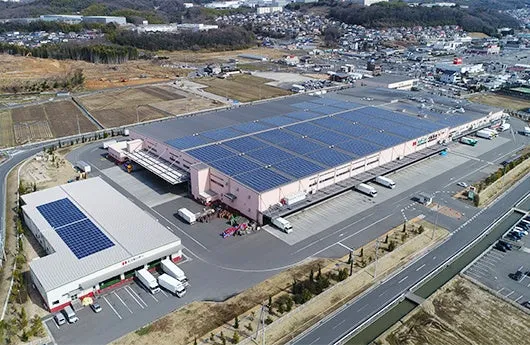
Innovative Collaboration for Enhanced Logistics Efficiency in Food Supply Chain
Collaborative Efforts to Optimize Logistics Efficiency
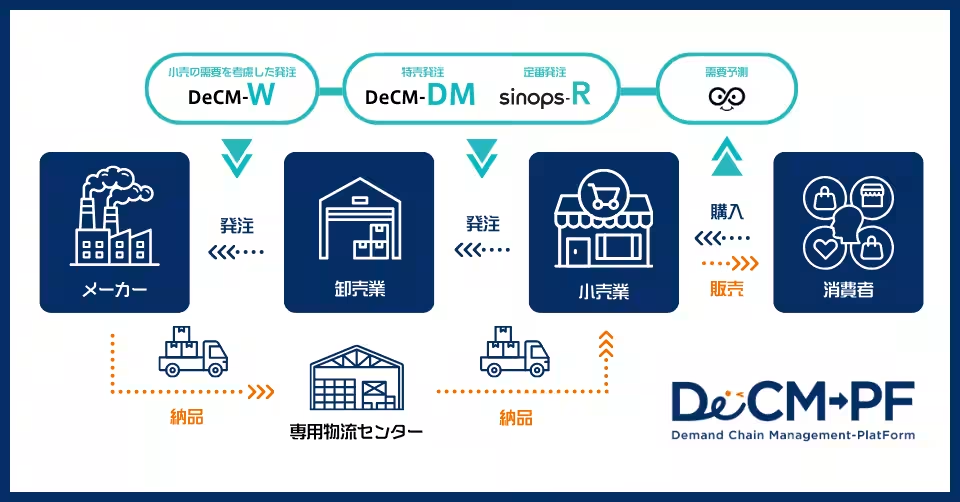
In a groundbreaking initiative, Synops Co., Itochu Corporation, and HLOOS have teamed up to enhance logistics efficiency in the food supply chain. This collaboration falls within the framework of Japan's Ministry of Economy, Trade and Industry's sustainable logistics project aimed at addressing key issues in the industry. Leveraging the DeCM-PF optimization platform, developed by Synops and Itochu, HLOOS has initiated a trial for precise demand forecasting and automated ordering from manufacturers.
Background of the Experiment
Currently, the food logistics sector is grappling with numerous challenges, including a severe labor shortage exacerbated by a declining population and an increasing demand due to the rise of e-commerce and diverse consumer needs. Specifically, the shortage of truck drivers presents a significant hurdle. Furthermore, with the implementation of labor reform laws scheduled for April 2024, which limit working hours, and the 2026 Logistics Efficiency Law reinforcing restrictions on shipment volumes, the industry is at a critical juncture.
HLOOS, which has been implementing the demand forecasting automatic ordering service 'sinops-R' since 2015, currently uses this system for around 85% of its product assortment in groceries, daily fresh goods, bakery items, and perishables. As the industry faces a “delivery obstruction era” due to the logistics 2024 problem, HLOOS aims to sustain its growth trajectory defined by its long-term vision, the 'West Japan 500 Billion Yen Plan'. This vision encompasses the establishment of approximately 250 stores along the Seto Inland Sea coast for total sales revenues of 500 billion yen. Thus, an efficient supply chain overhaul becomes paramount starting from 2023 using the DeCM-PF platform.
To address these challenges, the project involved calculating demand forecasts for the trial products and adjusting the ordering quantities and timings to optimize logistics without affecting store operations adversely.
Experiment Implementation Details
Duration of the Trial
The experiment was conducted from November 14 to November 30, 2025, involving partners such as HLOOS (retailer), Itochu Corporation (organizing body), Synops (system provider), and wholesalers, including some major confectionery manufacturers.
Focus Areas of the Experiment
1. Adoption of Demand Forecasting and Inventory Analysis for Ordering Advice (DeCM-W): HLOOS utilized demand forecasting from stores, promotional plans, and inventory data to compute optimal ordering quantities for wholesalers from manufacturers.
2. Optimizing the Delivery Structure: The trial consolidated delivery days, allowing for vehicle optimization.
Outcomes of the Experiment
The results were staggering:
1. Enhanced Delivery Efficiency:
- Reduction in the number of trucks: from 27 to 21, a 22% cut.
- Improved loading capacity: an increase from 55% to 79%, a 24% enhancement.
- Overall wait and handling time decreased by 19%, streamlining the logistics process.
2. Labor Productivity Improvements in Warehousing:
- A 10% decrease in labor hours per SKU was achieved by reducing delivery days.
3. Streamlined Retail Operations and Inventory Management:
- Improved out-of-stock rate by approximately 41%.
- Reduced inventory days by about 0.17 days.
- Increased the adoption rate of automatic ordering among stores by 19%.
Through these achievements, the project intends to balance logistics efficiency while preventing lost sales opportunities
Insights from Participating Firms
According to Katuhiko Hashimoto, Senior Executive Officer at HLOOS, the trial effectively improved both the standard and promotional sales forecasts, enhancing inventory stabilization significantly. Furthermore, representatives from the wholesale sector expressed their appreciation for the demand-focused ordering recommendations, indicating a collaborative effort which minimizes stock-outs while enhancing logistics efficiency.
Future Outlook
The plan is to expand the provision of ordering recommendations to include more wholesalers, aiming to maximize logistics efficiency while mitigating inventory risks. The endeavor also looks at optimizing staffing and delivery scheduling based on demand forecasts, promising further contributions to solving societal challenges.
About Synops Co., Ltd.
Founded on the vision to reduce waste globally by 10%, Synops specializes in developing demand forecasting and automated ordering services. Its technologies are instrumental for food retailers, particularly in perishable categories, allowing effective inventory management. Synops is publicly traded on the Tokyo Stock Exchange under the code 4428.
Final Thoughts
This innovative collaboration not only showcases advanced logistics practices but also addresses pressing challenges in the food supply chain sector, paving the way for future enhancements in efficiency and sustainability across the industry.

Topics Consumer Products & Retail)
【About Using Articles】
You can freely use the title and article content by linking to the page where the article is posted.
※ Images cannot be used.
【About Links】
Links are free to use.