



Shifting Dietary Trends Among Single Households in Japan for 2024
Introduction
In recent years, the eating habits of single individuals in Japan have taken a notable turn. Kewpie Corporation, based in Shibuya, Tokyo, has released findings from its 2024 "Smile in Eating" research, which surveyed 1,500 single individuals aged 20 to 59. This survey, which follows the long-running Comprehensive Food Survey launched in 1989, provides deep insights into how the COVID-19 pandemic has impacted food consumption among singles.
Outlook of Single Households
According to estimates from the National Institute of Population and Social Security Research, single-person households are predicted to exceed 40% of all households by 2030. As society shifts towards this reality, the latest findings examine satisfaction levels with food, cooking habits, perceptions of homemade meals, and changes in dining consciousness from various angles.
Key Findings
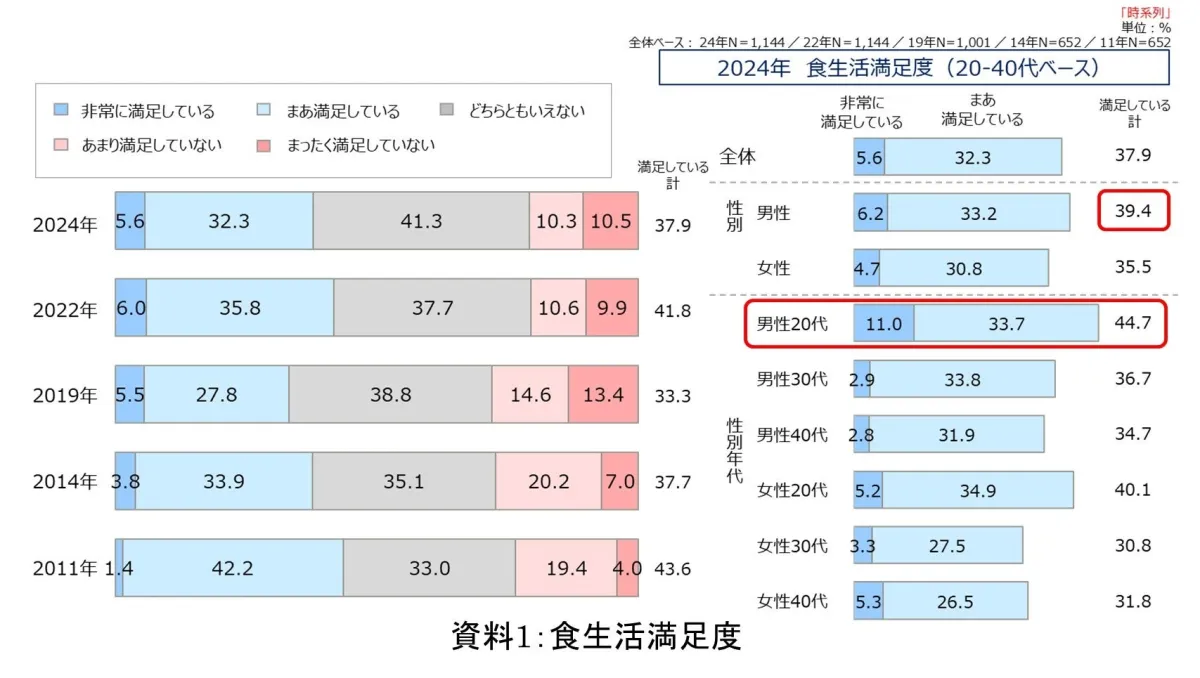
1. Increased Satisfaction Levels: After experiencing the pandemic, there has been a noticeable rise in satisfaction among individuals who primarily eat at home. This increase has remained steady, particularly among men in their twenties. As per the survey, around 44.7% of men in this age category reported being satisfied with their eating habits. This trend reflects a shift towards enjoying homemade meals in a comfortable environment, leading to improved meal quality and diversity.
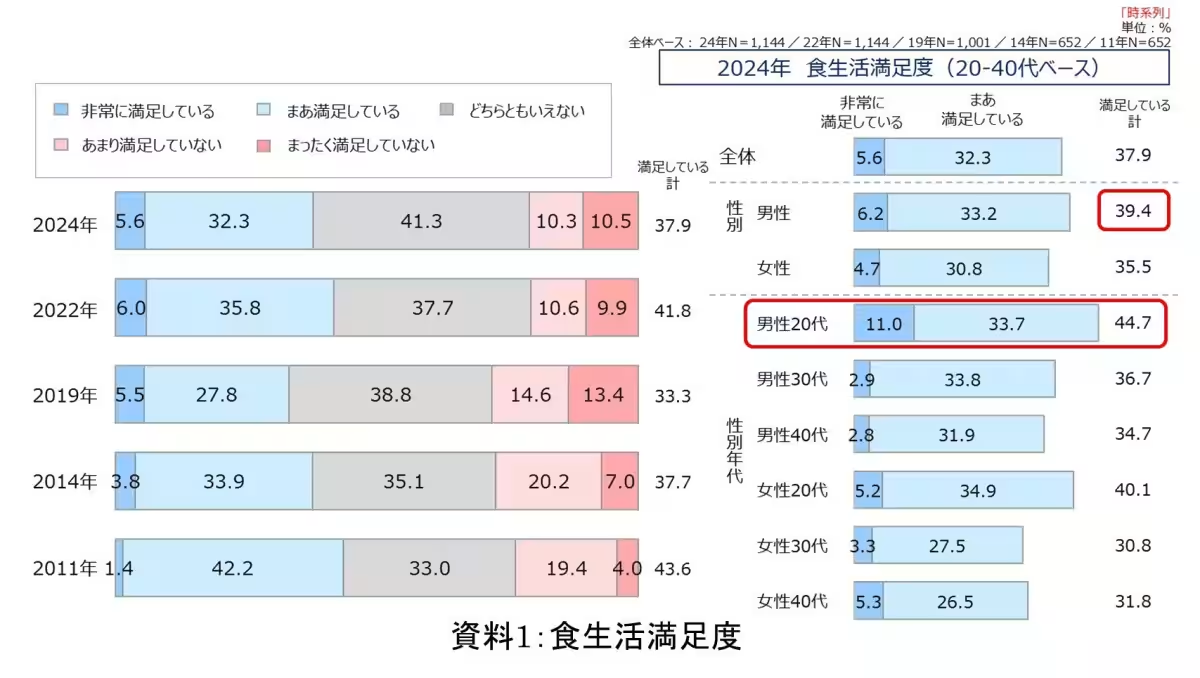
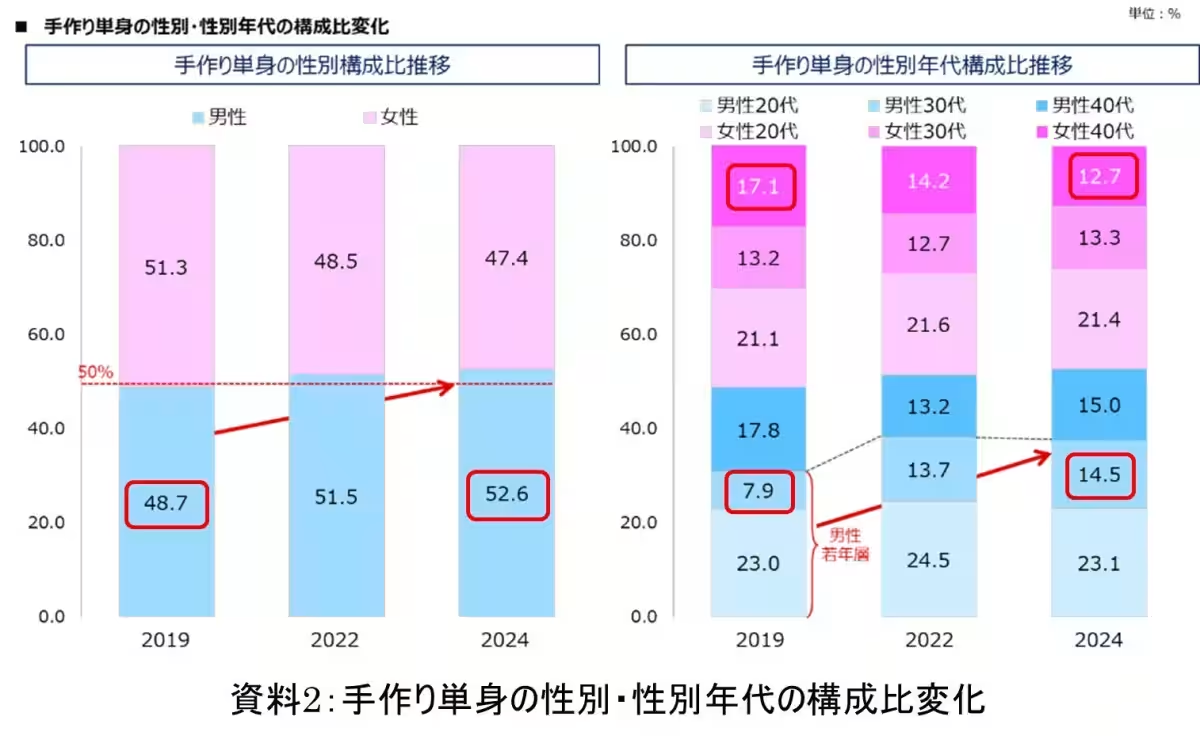
2. Gender Shift in Home Cooking: Between 2019 to 2024, there has been a noticeable rise in the percentage of single men who cook at home, increasing from 48.7% to 52.6%, surpassing their female counterparts. In particular, the proportion of cooking men in their thirties jumped from 7.9% to 14.5%, while the cooking rate among women in their forties dropped from 17.1% to 12.7%. This shift illustrates a broader acceptance of cooking among younger men, potentially influenced by changing societal roles and lifestyle choices.
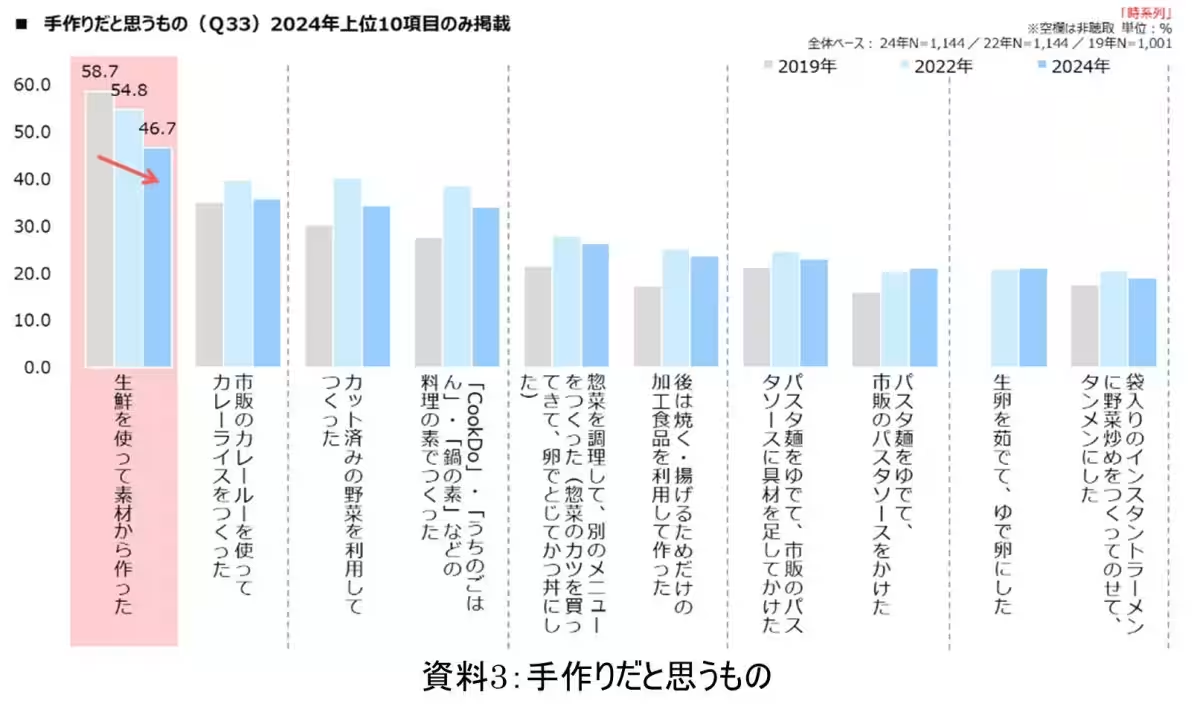
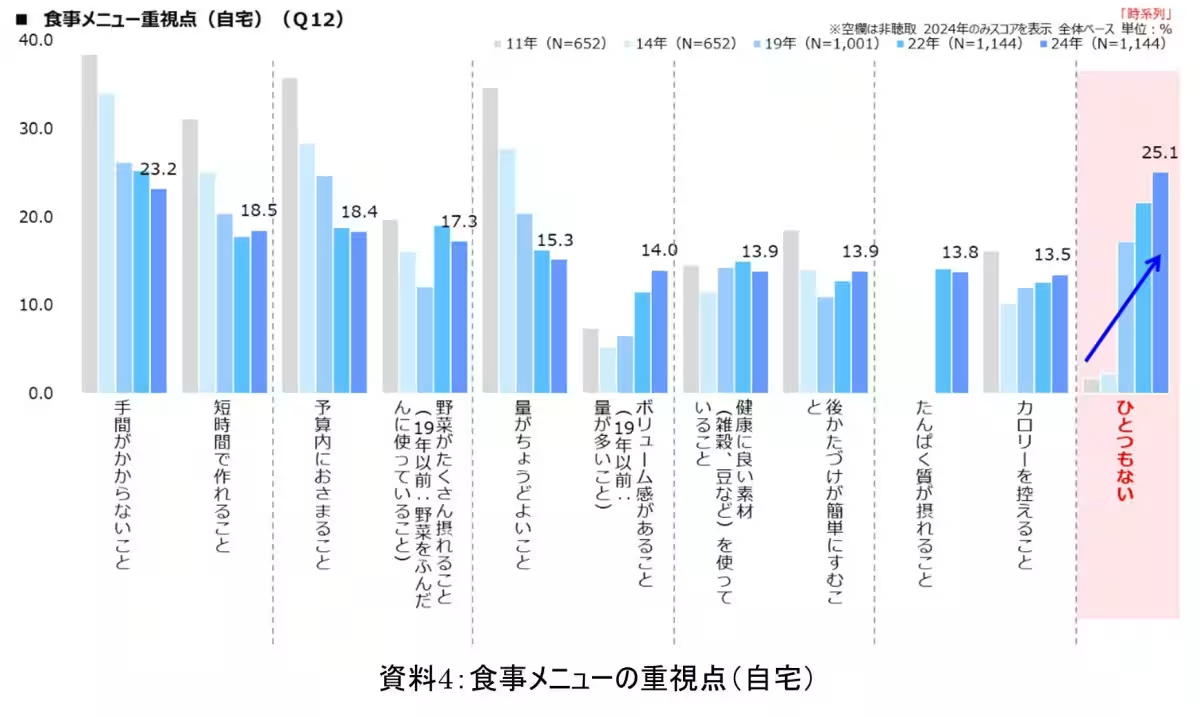
3. Redefining Home Cooking: The survey also revealed a significant transformation in what constitutes
Topics Consumer Products & Retail)
【About Using Articles】
You can freely use the title and article content by linking to the page where the article is posted.
※ Images cannot be used.
【About Links】
Links are free to use.