



The Struggles of Small Transportation Companies Post 2024 Regulation Changes
The Struggles of Small Transportation Companies Post 2024 Regulation Changes
In a recent survey conducted by CUBE-LINX, a company based in Hino, Tokyo, specializing in support services for electric vehicles and related infrastructure, significant challenges facing small transportation companies have come to light. According to the findings of the survey, over 40% of small transportation firm owners reported a decline in profitability after adapting to the regulations set by the 2024 issue. This reflects the ongoing pressure on the industry as they strive to meet evolving labor standards and address rising operational costs.
Background on the 2024 Issue
As the 2024 issue around logistics regulation looms, significant changes have become a necessity, with more stringent labor hour regulations being implemented. Over the past two years, transportation companies have been working diligently to comply with these regulations. However, this commitment has also led to unforeseen consequences. Many companies have seen a deterioration in profitability as compliance becomes costlier. In an industry characterized by deep-rooted subcontracting practices, negotiating increased transport fees to cover rising costs has not proven easy. Tightened labor hour regulations have ultimately reduced cargo volumes transported by individual companies, while soaring fuel costs have exacerbated the situation further.
CUBE-LINX sought to uncover the realities of the post-2024 business environment for small transportation firms through this extensive survey.
Summary of Findings
- - More than 40% of small transportation company owners reported a decline in profitability compared to the period before addressing the 2024 issue.
- - The primary reason cited for decreased profitability post-regulation was the soaring fuel costs.
- - Approximately half of the surveyed owners expressed dissatisfaction with the outcomes of their negotiations with clients for increased fees due to rising costs.
- - Over 60% of those surveyed indicated growing concerns about the sustainability of their businesses moving forward, primarily driven by continuous increases in fuel and labor costs.
- - Among the cost-reduction strategies considered for improving future profitability, the most frequently mentioned was the reinforcement of eco-driving practices.
Survey Overview
The survey was carried out from June 23 to June 29, 2026, using Internet-based methods targeting business operators aged between 20s and 60s within small transportation companies. A total of 322 participants provided insights into their current business conditions, supported by data from RC Research.
Key Highlights from the Survey
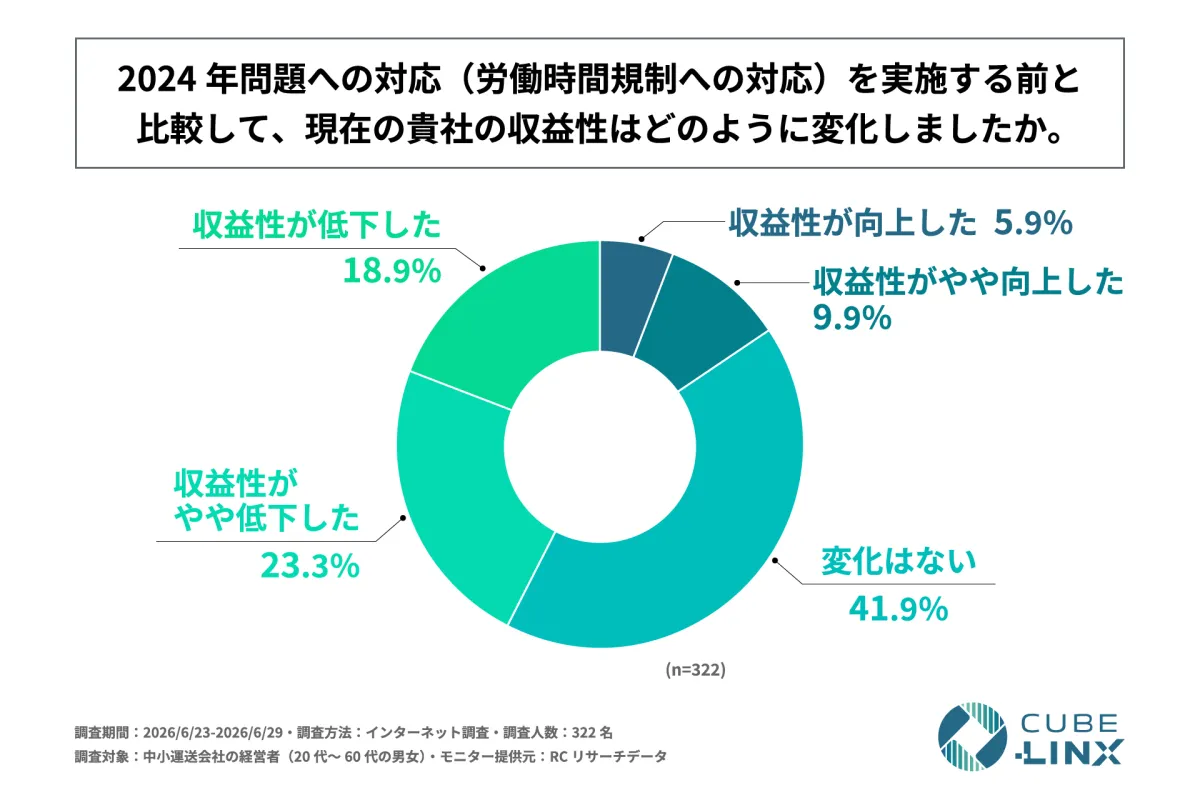
When asked about changes in profitability in relation to the regulatory adjustments, the results were revealing:
1. No change in profitability: 41.9% of respondents reported no change.
2. Slight decrease in profitability: 23.3% noted a minor decline.
3. Significant decrease in profitability: 18.9% experienced a marked decline.
The totals indicate that over 42% of small transportation company owners feel their profitability has diminished to varying degrees compared to pre-regulatory responses.
Fuel Cost Increase as a Major Factor
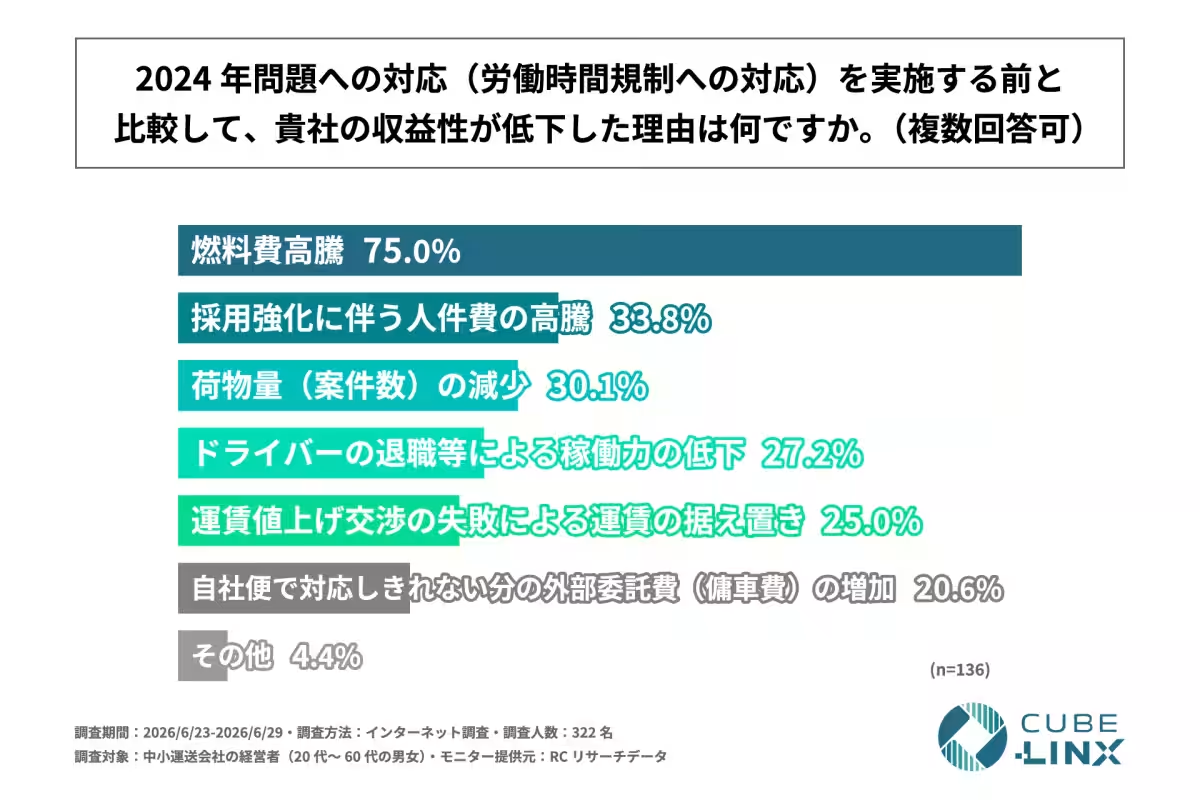
Focusing on those who reported profitability declines, the survey highlighted the leading cause as the increased fuel costs. A staggering 75.0% identified this as their primary concern and the reason for reduced revenue following the changes mandated in 2024. Other contributing factors included rising personnel costs due to stronger hiring requirements (33.8%) and a decrease in shipment volumes (30.1%).
Negotiation Challenges with Clients
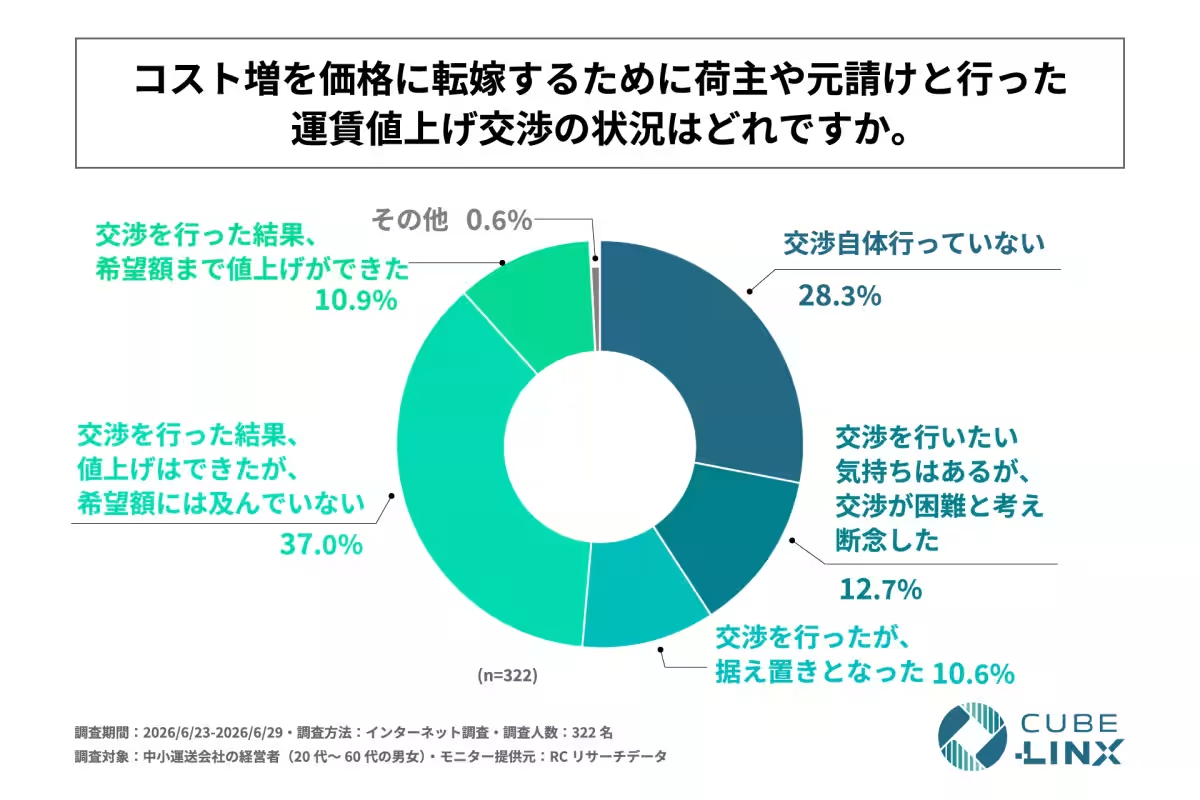
Furthermore, regarding attempts to negotiate price adjustments with clients, nearly half of the respondents reported ineffective negotiations. Notably, 37.0% managed some price increases but failed to meet their desired outcomes, while 28.3% stated they hadn’t negotiated at all, and 12.7% felt discouraged due to perceived difficulties in reaching agreements.
Ongoing Concerns About Future Viability
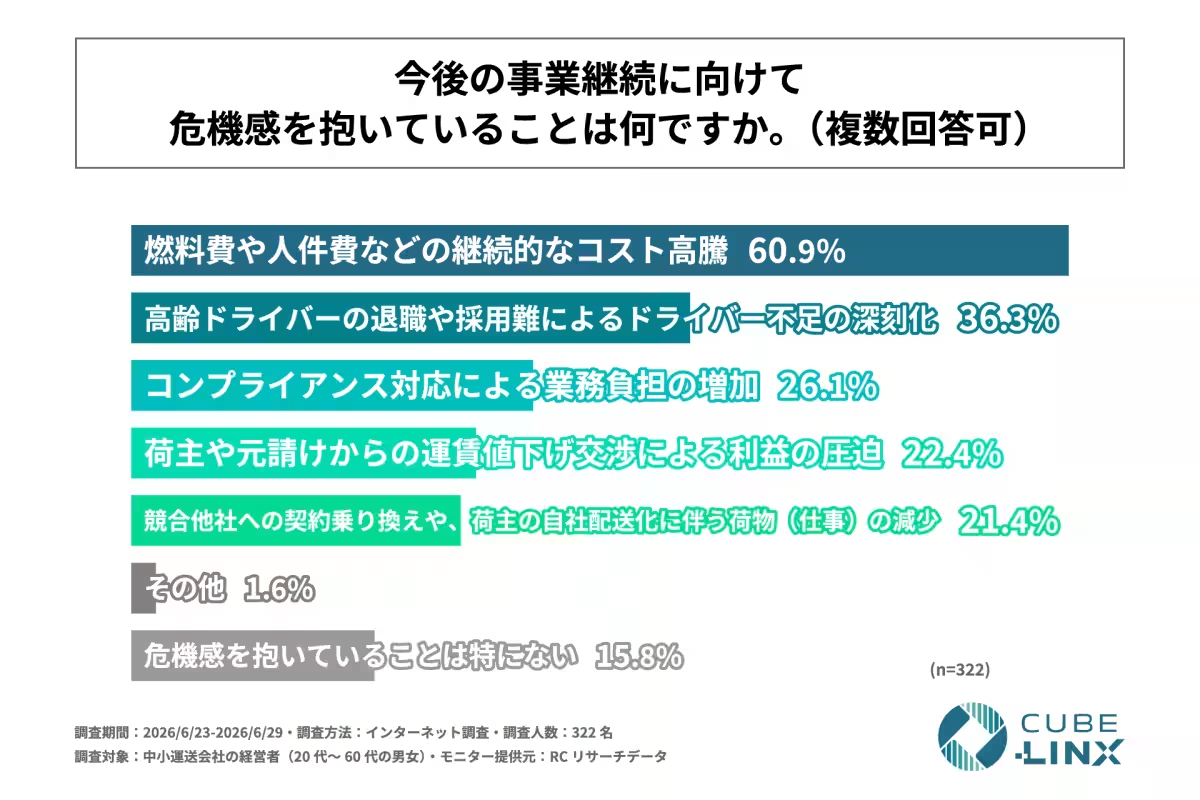
When queried about their future business sustainability concerns, over 60% pointed to ongoing cost increases as significant threats, which could hinder future operations. These concerns particularly included rising expenses associated with fuel and labor.
Strategies for Cost Reduction
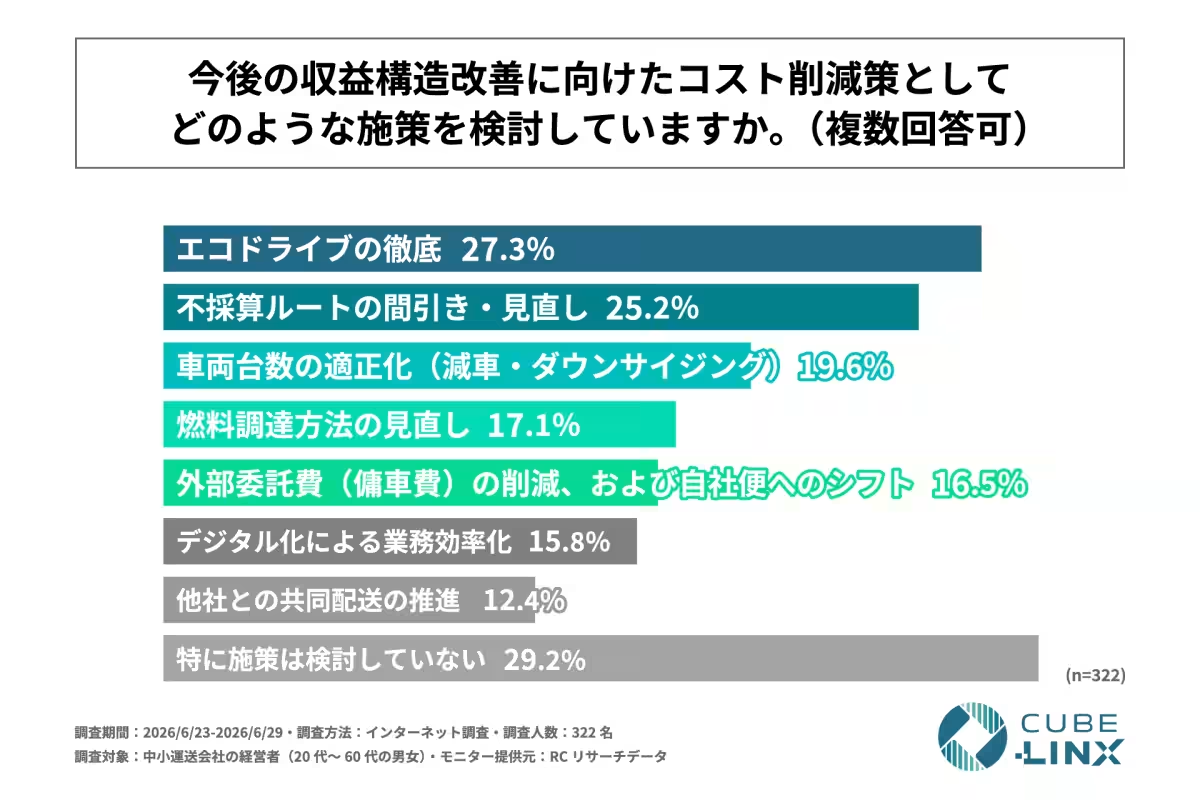
Finally, among the cost-cutting strategies being contemplated, the emphasis on eco-driving came to the forefront. While nearly 30% did not have specific strategies in mind, 27.3% prioritized eco-driving as their primary focus for reducing operational costs.
Conclusion
This survey sheds light on the pressing concerns of small transportation firms in the wake of the 2024 regulations. As many business owners grapple with profitability declines driven largely by the surge in fuel costs, there is a critical need for support systems. CUBE-LINX's commercial EV and charging support services can help address these challenges, enhancing operational efficiency and establishing sustainable business models. From EV implementation planning to energy management systems, CUBE-LINX is committed to aiding firms transition towards a resilient future that can withstand economic fluctuations.

Topics Business Technology)
【About Using Articles】
You can freely use the title and article content by linking to the page where the article is posted.
※ Images cannot be used.
【About Links】
Links are free to use.