



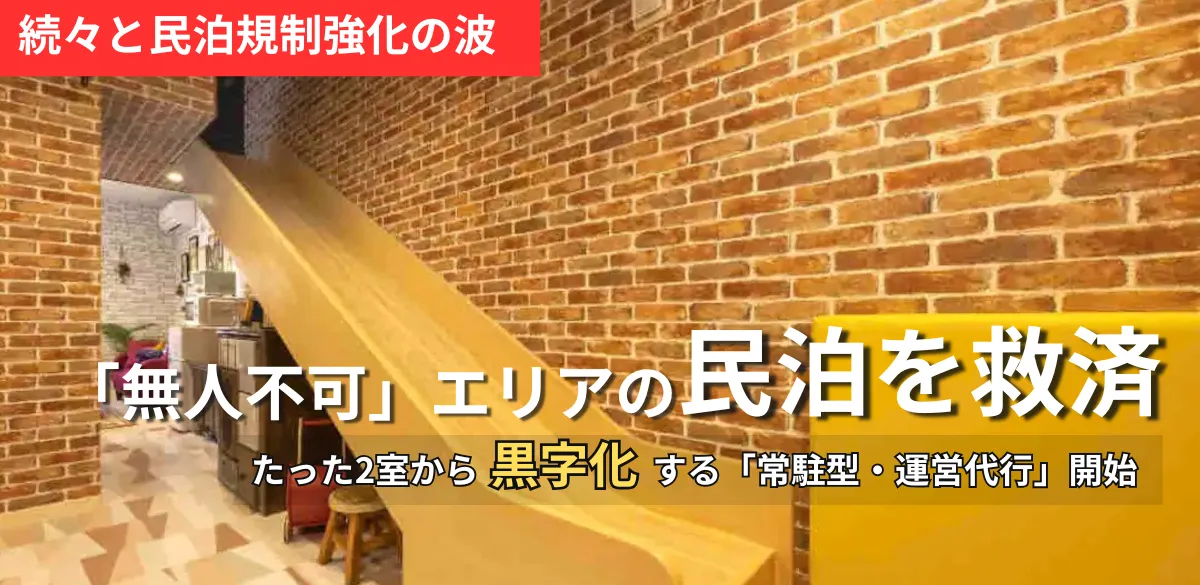
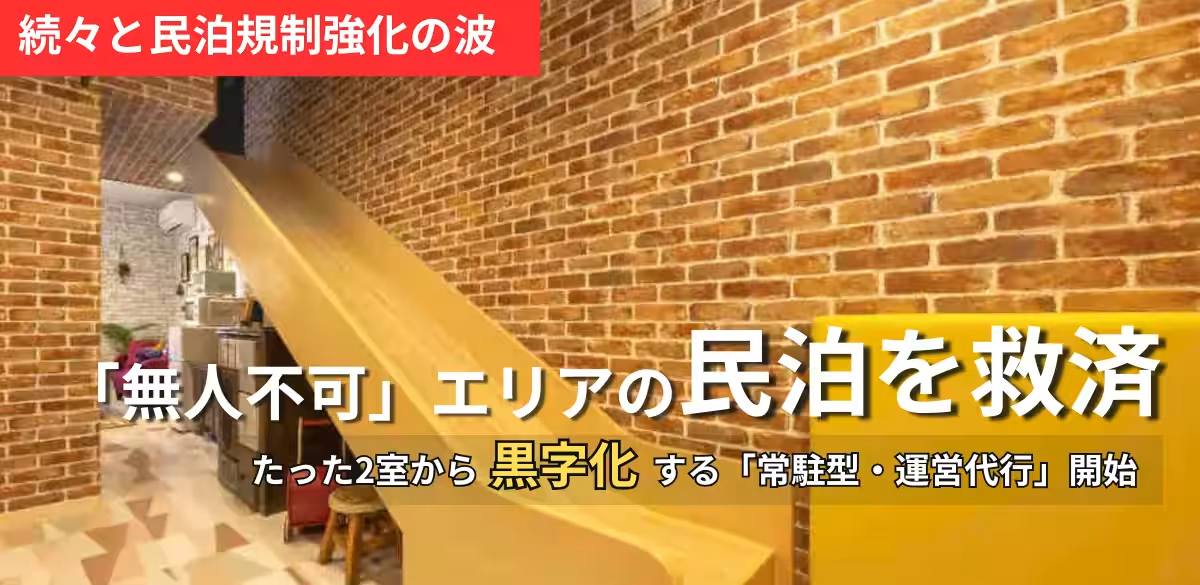
Innovative Hotel Management Service for Small Properties Amid Regulations in Tokyo
Introduction
In a rapidly changing landscape for the hospitality industry in Tokyo, where local regulations increasingly require on-site staff presence, it has become exceptionally challenging for small accommodations to enter the market. The introduction of laws mandating permanent staffing has driven many prospective operators away, even if their properties are in prime locations. Recognizing this problem, Leaneve Co., Ltd., a company based in Shibuya, Tokyo, has launched a pioneering operational support service tailored specifically for small lodging facilities. Starting February 2026, this service aims to redefine the operational model for on-site accommodations that can now thrive even with only two guest rooms.
The Regulatory Environment
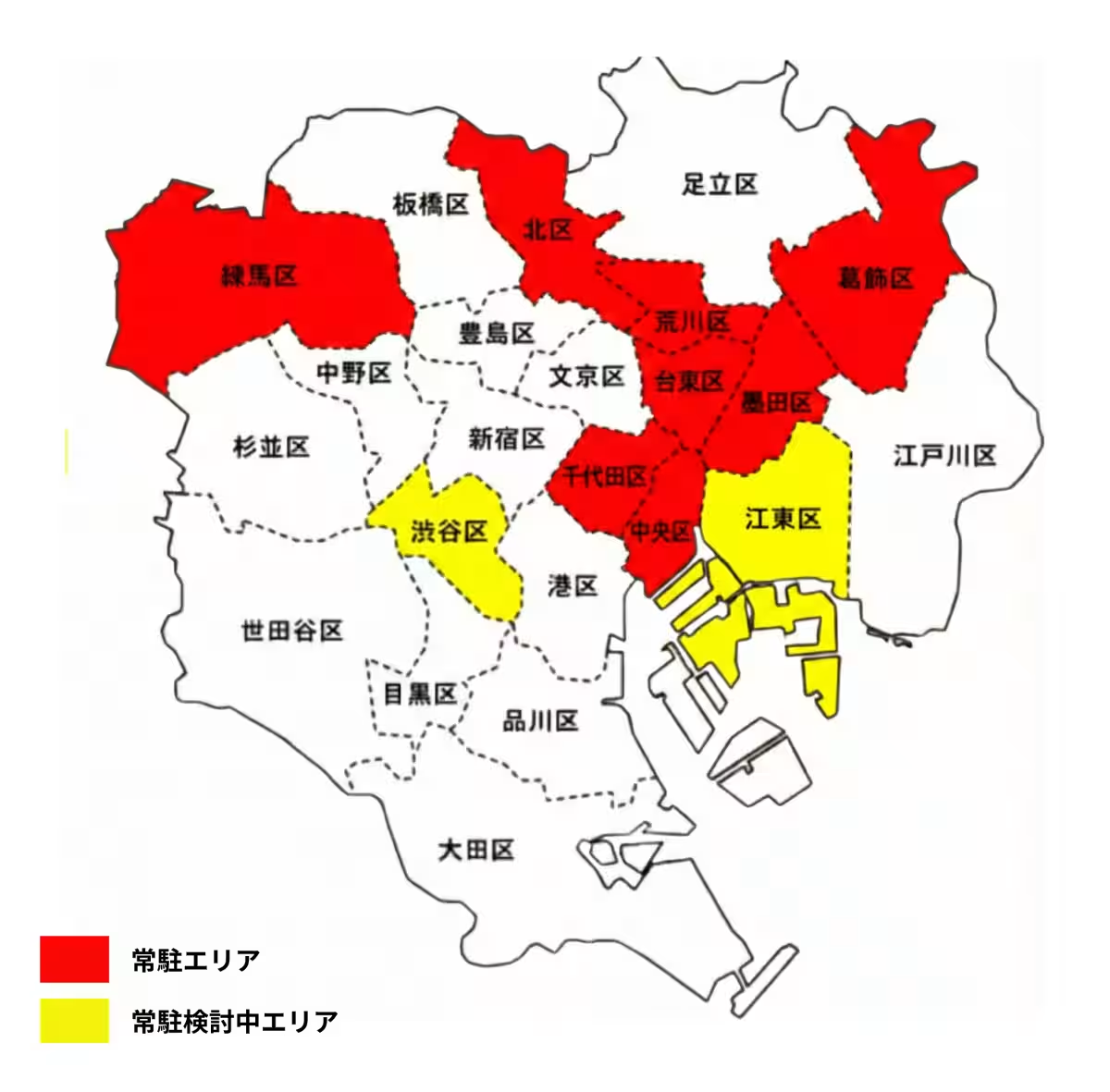
Starting in April 2026, new regulations will enforce strict requirements for staffing on premises across several districts in Tokyo, including Sumida and Katsushika. Currently, areas such as Chiyoda, Taito, and Chuo already demand operators to maintain a staffing presence, thus complicating entry for newcomers. While the demand for lodging is high due to rising inbound tourism, the financial burden associated with permanent staffing often makes it unfeasible for small-scale operations to sustain themselves.
Impact on Small Accommodations
As these staffing regulations come into effect, potential operators with facilities having only a few rooms often find it impractical to cover fixed personnel costs through revenues generated from such a limited capacity. As a result, many must forfeit their plans to utilize these properties as accommodations despite being situated in advantageous locations.
On-Site Staffing as a Cost Factor
The prevailing belief has been that on-site staff presence equals a significant financial burden for small lodging facilities. This perception creates a barrier for scalability and profitability within the sector. Yet, Leaneve believes that this narrative can be overturned through innovative thinking and business modeling.
The Leaneve Solution
Leaneve's new operational model focuses on transforming traditional perceptions regarding staffing costs into opportunities for revenue generation. The service incorporates four key components:
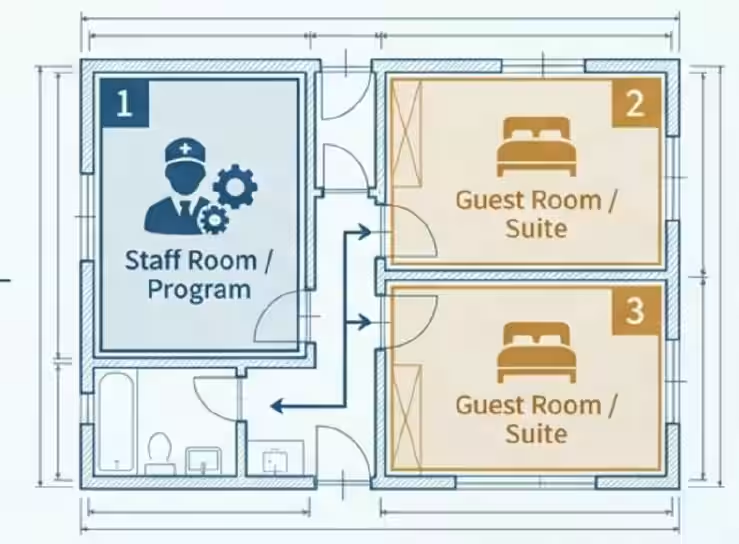
1. Conversion of Staffing Space into Revenue Generator: What was once considered a cost center—staff accommodation—is repositioned as a source of income. By enabling staff duties to overlap with revenue-generating activities, operations can now break even even at a scale of just two guest rooms.
2. Custom Concept Design: Defining clear experiences that properties wish to convey allows for distinctive marketing, fostering a unique identity that stands out within oversaturated markets.
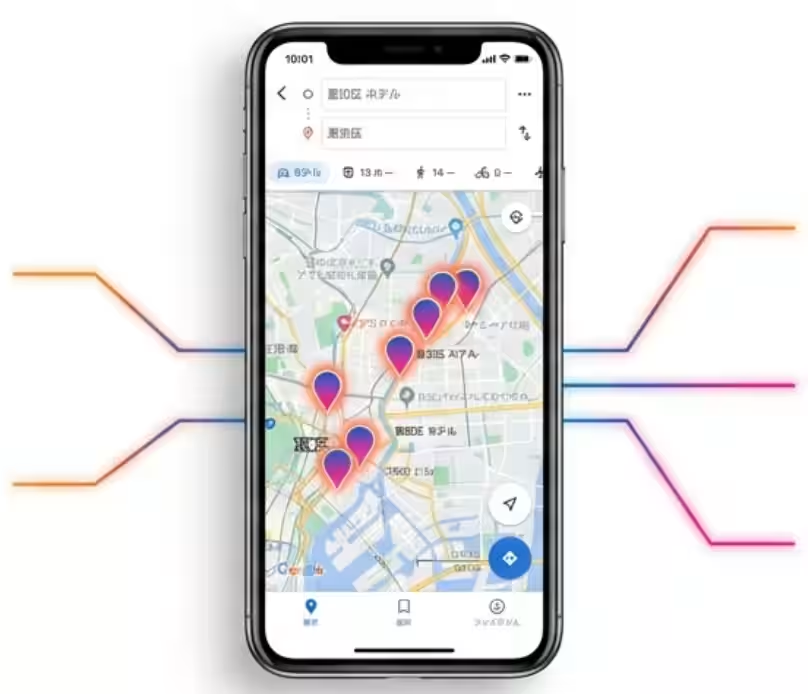
3. Enhanced Direct Booking Strategies: Instead of relying on costly online travel agencies (OTAs), properties can build customer relationships through optimized local search techniques, thereby decreasing booking costs while boosting profitability.
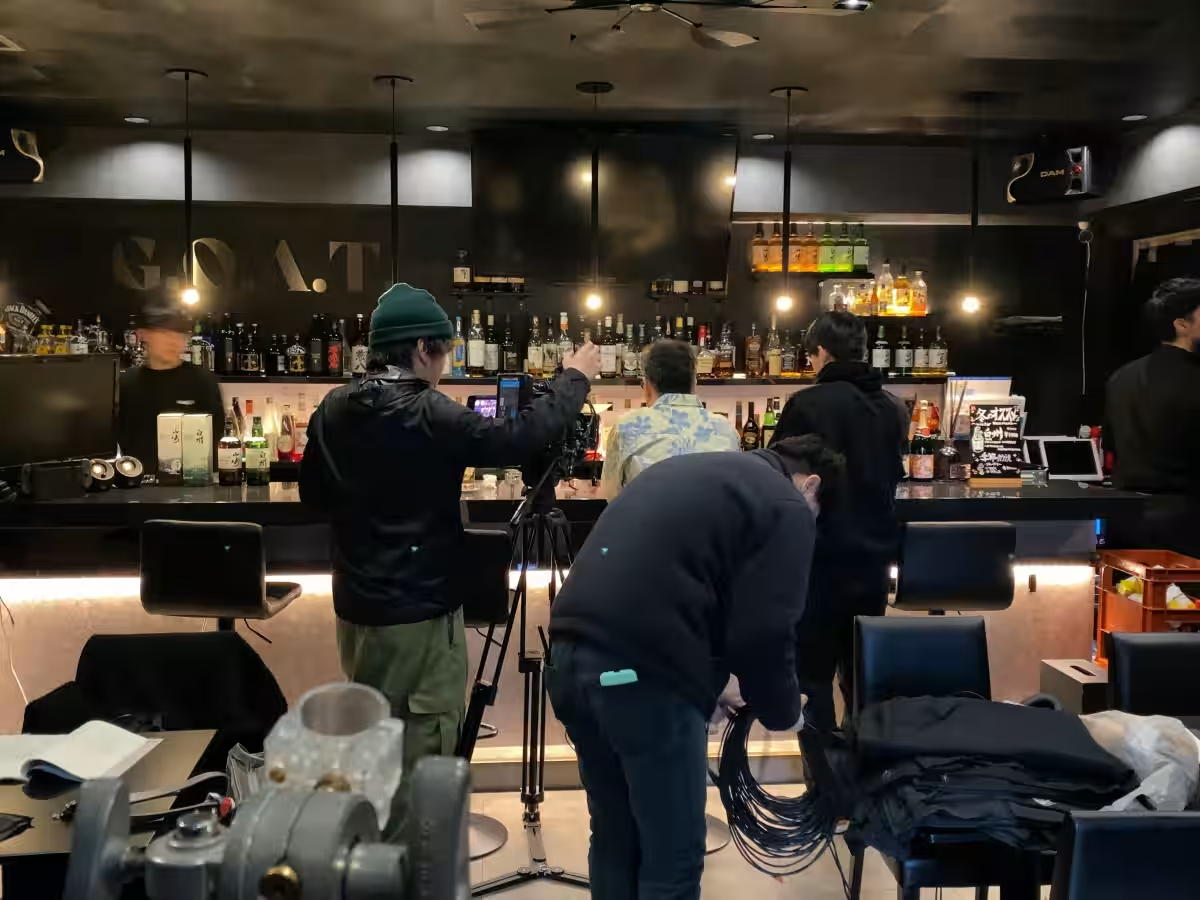
4. Utilizing Empty Periods for Revenue: Leaneve introduces the concept of utilizing unoccupied periods as branding opportunities through its “Kara Full” initiative, allowing properties to be transformed into filming locations, thus generating additional income during downtime.
The Vision Behind the Service
According to Hiroyuki Oshima, CEO of Leaneve, this service arose from the many challenges faced while working on various property redevelopment projects. He emphasizes that operations serve as a means to realize the inherent value and experiences a property can offer. This initiative aims to resolve the frustrations felt by property owners who want to provide hospitality but are stymied by regulatory demands on staffing and operational structure.
The Essence of Property Reshaping
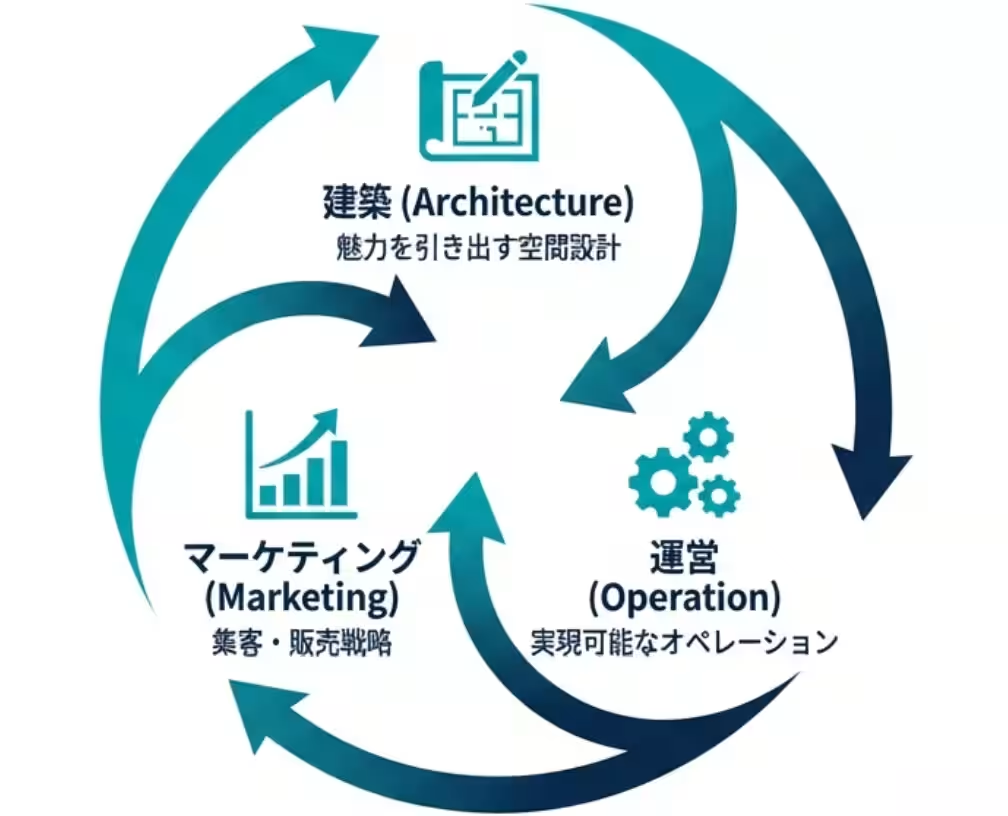
Leaneve engages in what they term “property reshaping,” where comprehensive real estate planning and management techniques operate synergistically to maximize property value. By approaching each project holistically—considering aspects from architecture to marketing—they ascribe new life and potential to buildings that may have felt constrained by outdated operational frameworks.
Conclusion
With the hospitality sector facing considerable challenges from evolving regulations, Leaneve’s innovative approach provides a beacon of hope for small property operators in Tokyo. By reimagining operational frameworks and transforming perceived hurdles into revenue opportunities, they are poised to enable a new era of profitability and growth within the local hospitality market. This unique model not only fortifies the viability of small accommodations but also enriches the broader tapestry of Tokyo's vibrant tourism landscape.



Topics Consumer Products & Retail)
【About Using Articles】
You can freely use the title and article content by linking to the page where the article is posted.
※ Images cannot be used.
【About Links】
Links are free to use.