



Sustainable Practices Begin Locally: A Lecture on Nature Positivity at Saga University
Engaging Local Students in Nature Positivity
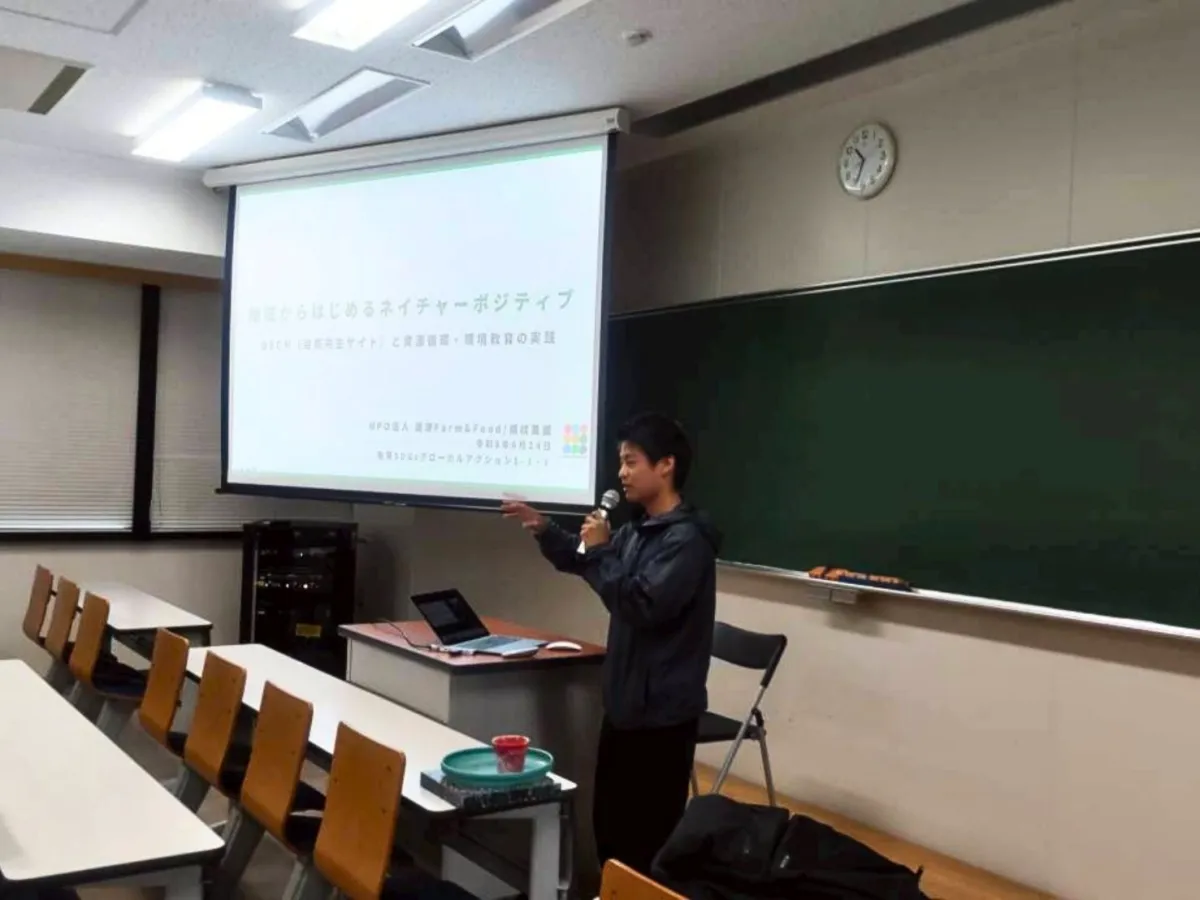
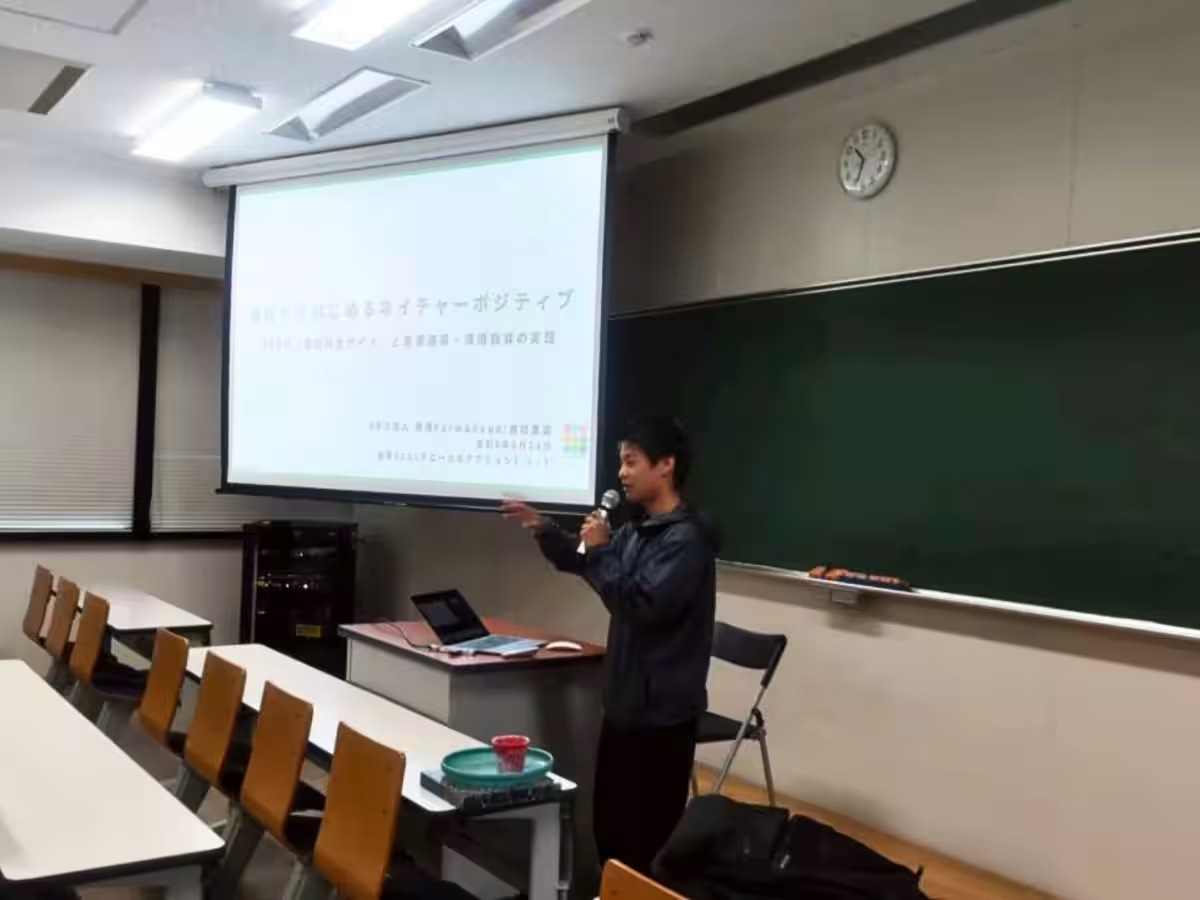
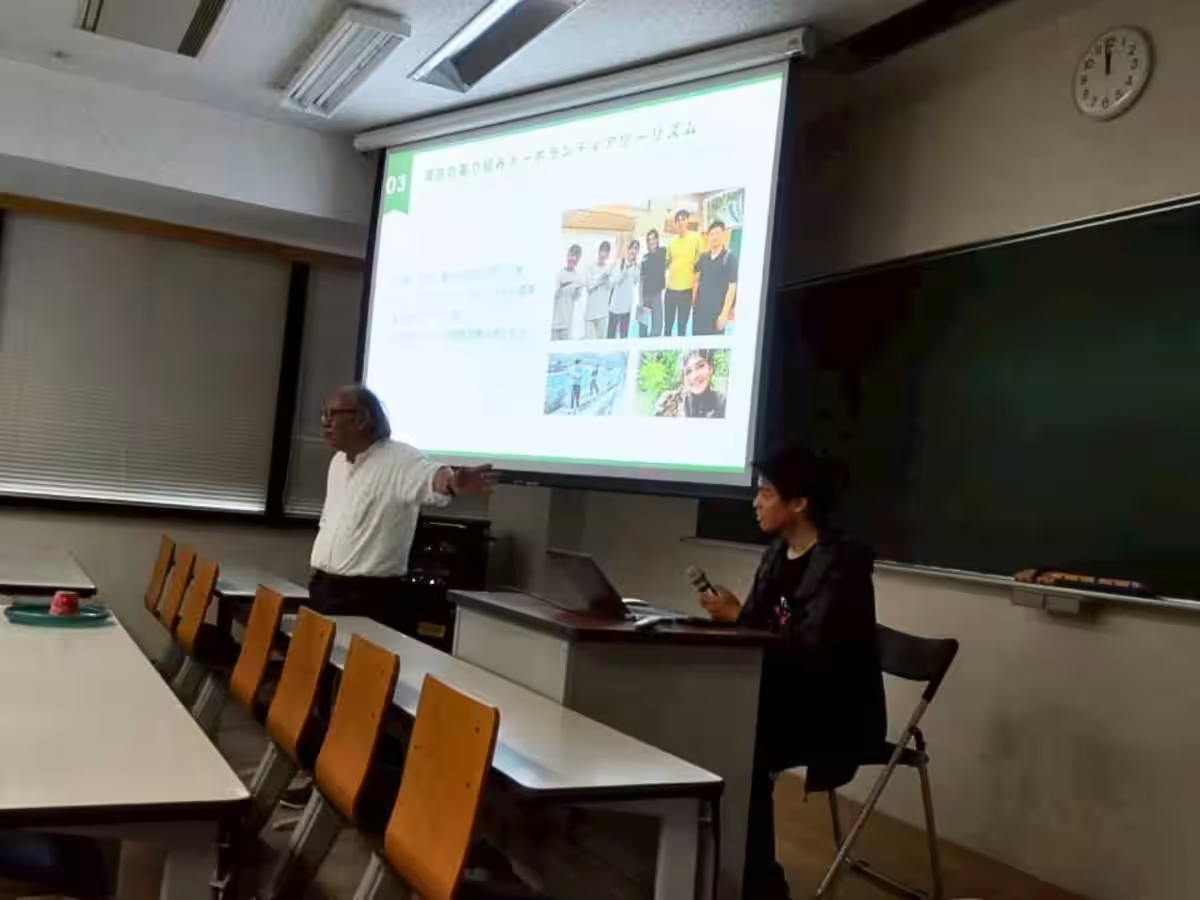
On June 24, 2026, approximately 40 second-year students from Saga University attended an insightful 90-minute special lecture presented by Shota Kinoshita, the representative of Yokomaku Farm and vice director of the NPO Karatsu Farm & Food. This lecture was part of Saga University's problem-solving class, “Saga SDGs Glocal Action,” and focused on the theme of 'Nature Positivity from the Community'.
Introduction to Nature Positivity
Kinoshita emphasized that nature positivity involves halting biodiversity loss and steering natural ecosystems back on a path of recovery. He proposed that such initiatives should not be limited to ‘special places’ but should start from within everyday community life. By sharing insights gained from both the hills and seas of Karatsu, Kinoshita illustrated how local landscapes can serve as platforms for environmental education and sustainable practices.
The Hillscape: Yokomaku Nature Coexistence Site
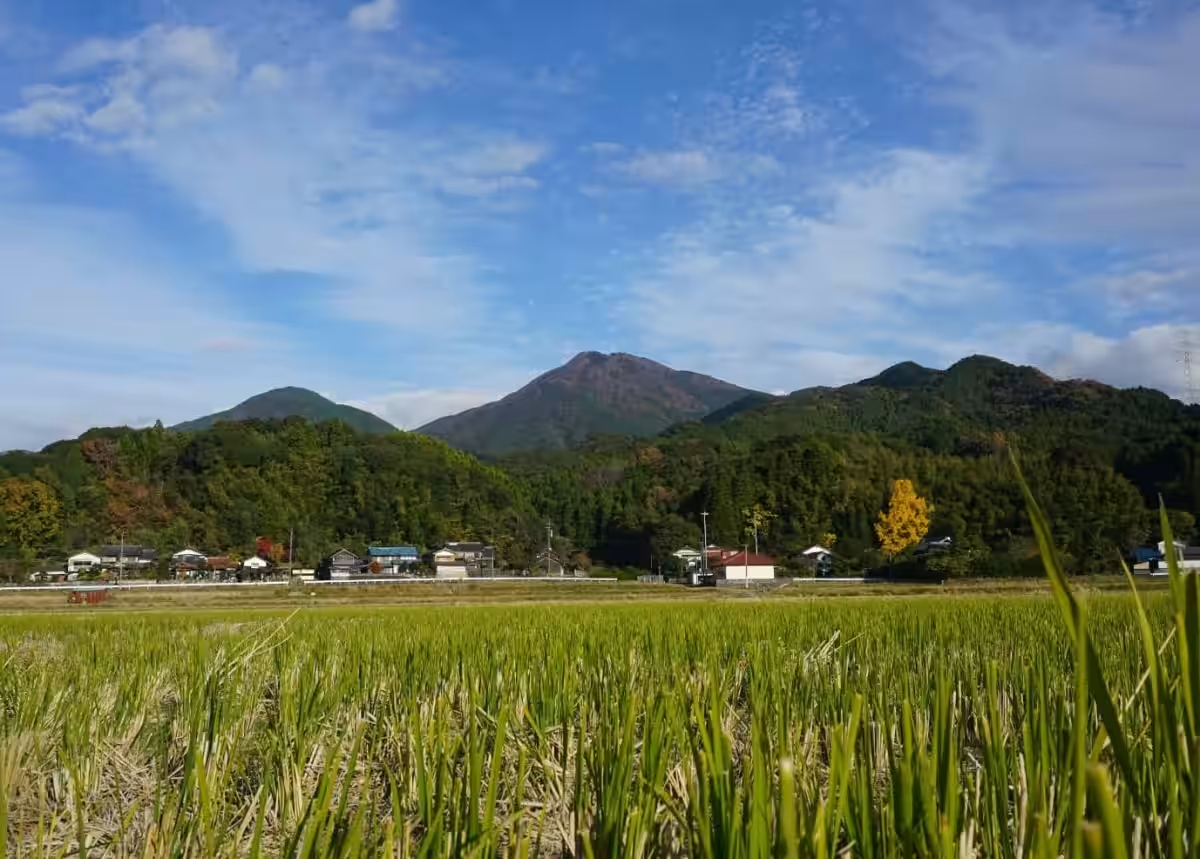
The first part of the lecture introduced activities taking place at the Yokomaku Nature Coexistence Site located in Ochi Town, Karatsu City. This site has received recognition from the Japanese Ministry of the Environment for its efforts in preserving biodiversity through various private-sector initiatives. Kinoshita detailed how the community actively manages the hill landscape, creating environments that support diverse life forms. Through regular maintenance and engagement with local residents, they aim to protect this unique natural habitat.
The Ocean Landscape: Facing Marine Plastic through Precious Plastic Karatsu
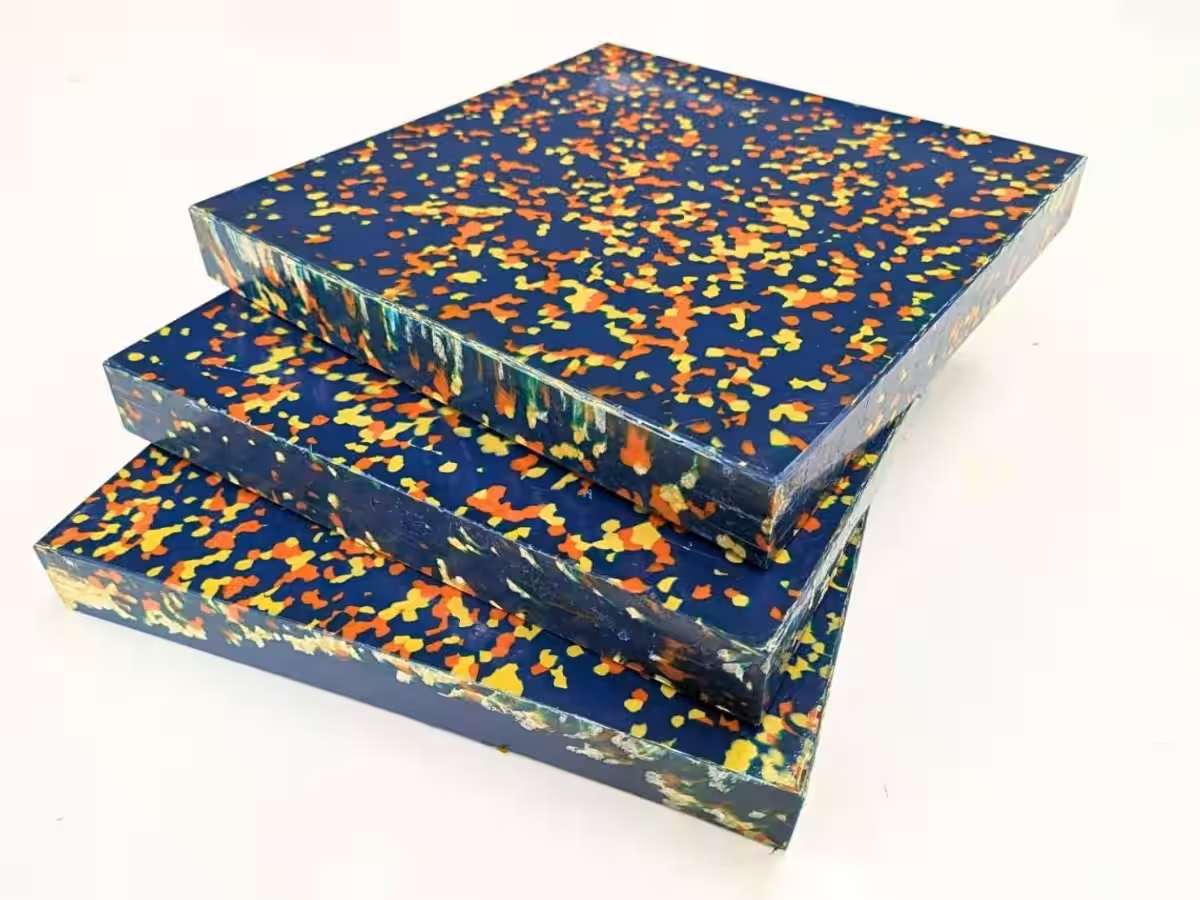
Moving on to the oceanic aspect, Kinoshita highlighted the efforts of Precious Plastic Karatsu in tackling the issue of plastic waste. This global open-source project focuses on upcycling discarded plastics into new products. Kinoshita showcased how litter from the sea can be transformed into colorful art pieces, while persistently reiterating the mantra of 'first, we must reduce' the amount of plastic produced. The art serves not only as a creative expression but as a powerful visual reminder of waste and the necessity for reducing consumption.
Kinoshita shared his vision for Yokomaku Farm and how they plan to harmonize it with the future of local sustainable practices, noting that each initiative contributes to a broader vision of environmental consciousness.
Interactive Q&A Session with Students
After the lecture, a fruitful 10-minute Q&A session allowed students from various majors to delve deeper into the topics discussed. One student from the art department expressed admiration for the colorful blocks created from marine plastics, inquiring about their production process. Kinoshita explained that the vibrant colors resulted from the natural hues of the collected plastics rather than artificially added paints.
A student from the agriculture department posed a thought-provoking question about the challenges of beekeeping with Japanese honey bees, noting their low yield and difficulty in breeding. This line of inquiry highlighted a conscious choice in agricultural practices that transcends mere efficiency.
Kinoshita’s Closing Thoughts
Reflecting on the discussion, Kinoshita remarked, 'While I presented the idea of transforming marine plastic waste into art, my essential message is to always prioritize reduction first. Art serves as a starting point that makes waste visible and leads to a decrease in overall consumption.' He appreciated the unique insights from students of diverse disciplines and found their questions enlightening.
About NPO Karatsu Farm & Food
NPO Karatsu Farm & Food, located at 3-7-22 Higashitaratsu, Karatsu City, Saga Prefecture, focuses on biodiversity conservation, environmental education, and promoting a circular economy aimed at reducing waste. They are passionate advocates for nature positivity and actively manage the Yokomaku Nature Coexistence Site. For more information, please visit Karatsu Farm & Food official website or check their online shop and Instagram for updates.
About Yokomaku Farm
Located in the Yokomaku Nature Coexistence Site, Yokomaku Farm, led by Shota Kinoshita, is committed to cultivating rice and mint while nurturing biodiversity in the Satoyama landscape. Their endeavors demonstrate a living model of sustainable agriculture that coexists with nature.
Topics People & Culture)
【About Using Articles】
You can freely use the title and article content by linking to the page where the article is posted.
※ Images cannot be used.
【About Links】
Links are free to use.