



NEWONE Reveals Data from 73 Companies on Career Crafting Assessment Insights
NEWONE's Career Crafting Assessment: Key Findings and Implications
In a recent release, NEWONE, a consulting firm based in Minato, Tokyo, announced a significant analysis from its "Career Crafting Assessment" involving 73 companies and 1,801 participants. The findings not only spotlight the important links between career crafting behaviors and individual happiness, job satisfaction, and intent to stay with an organization, but also raise questions about career support frameworks within organizations.
Understanding Career Crafting Scores
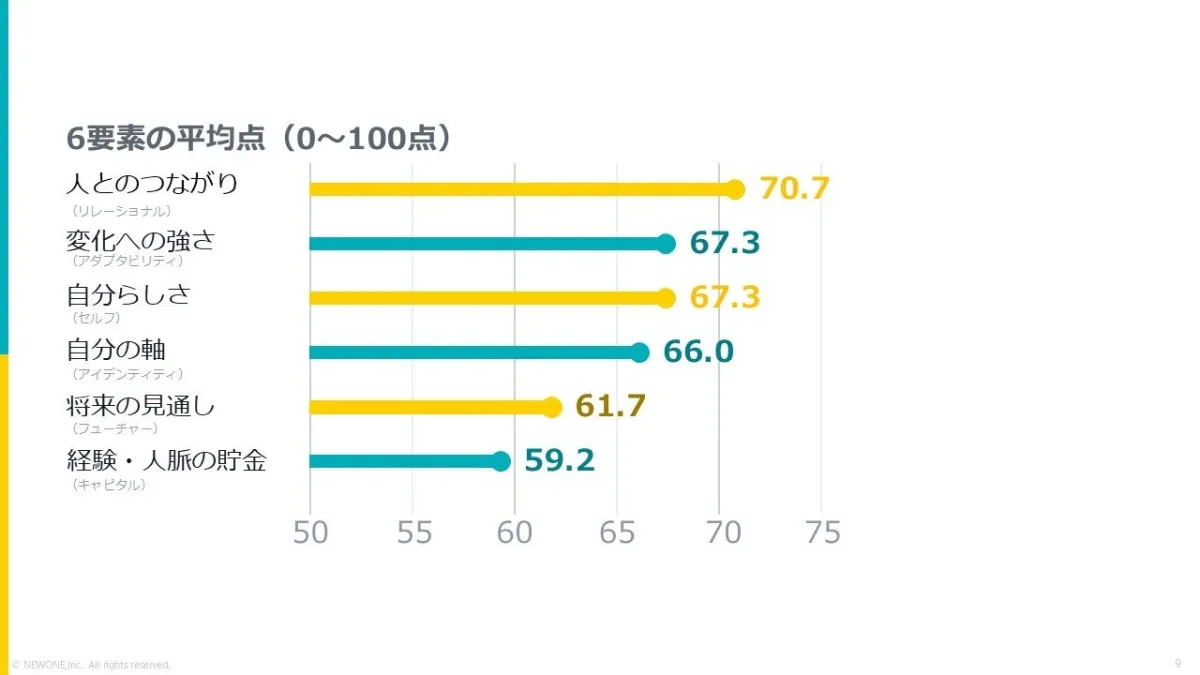
The assessment explored what is known as the "Career Crafting Comprehensive Score," which indicates the degree to which individuals engage in proactive career development actions. Results highlighted a concerning trend: only 17.9% of respondents felt they had a clear vision for their future careers. This illustrates a substantial gap in awareness or support for career development, highlighting the need for improved frameworks within organizations.
Detailed Overview of the Study
The study spanned from 2022 to July 2026, utilizing the initial responses of 1,801 individuals to gauge various aspects of work and life satisfaction. Analyzing six key behavior elements across 60 items, the following important insights were made:
1. Correlation Between Scores and Satisfaction: Participants in the top 25% of the comprehensive score reported an increase in happiness levels by 2.09 points, job satisfaction by 1.89 points, and intention to stay by 1.47 points compared to the bottom 25%. This relationship underscores the premise that proactive career engagement can lead to a more fulfilling work experience.
2. Differentiation Between Happiness and Job Satisfaction: Interestingly, while overall happiness correlated closely with broader life elements, job satisfaction and continuous employment seemed more tied to day-to-day job experiences. This suggests that while life experiences shape happiness, it’s the daily workplace interactions that enhance job satisfaction.
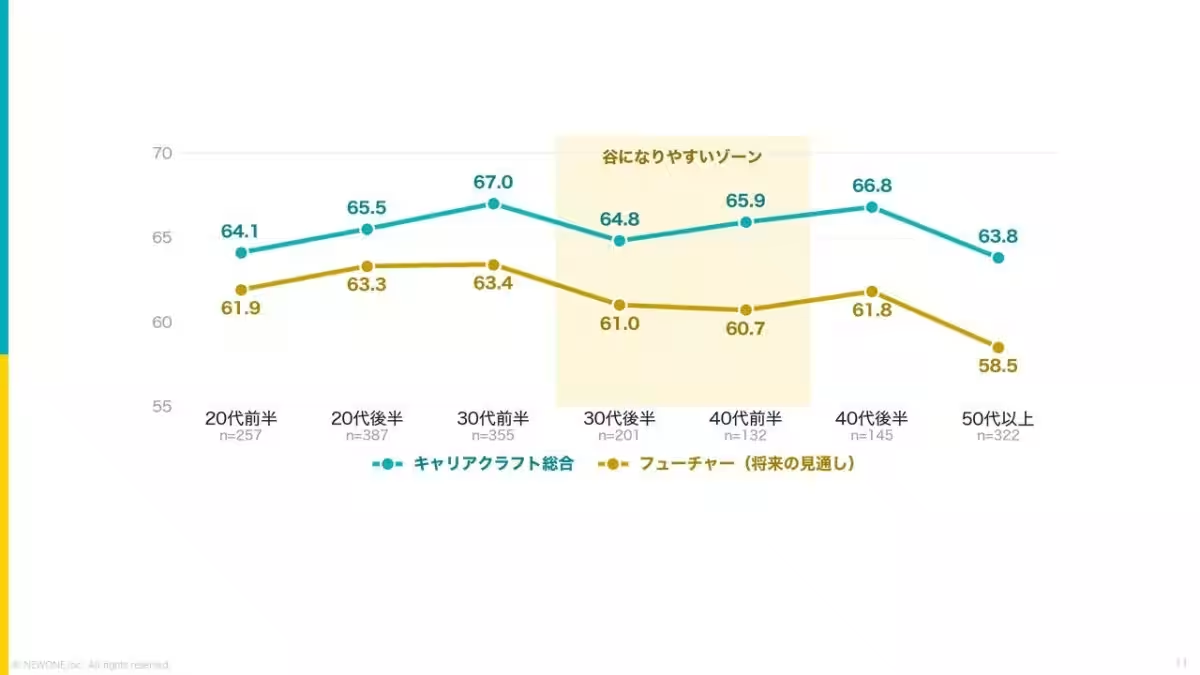
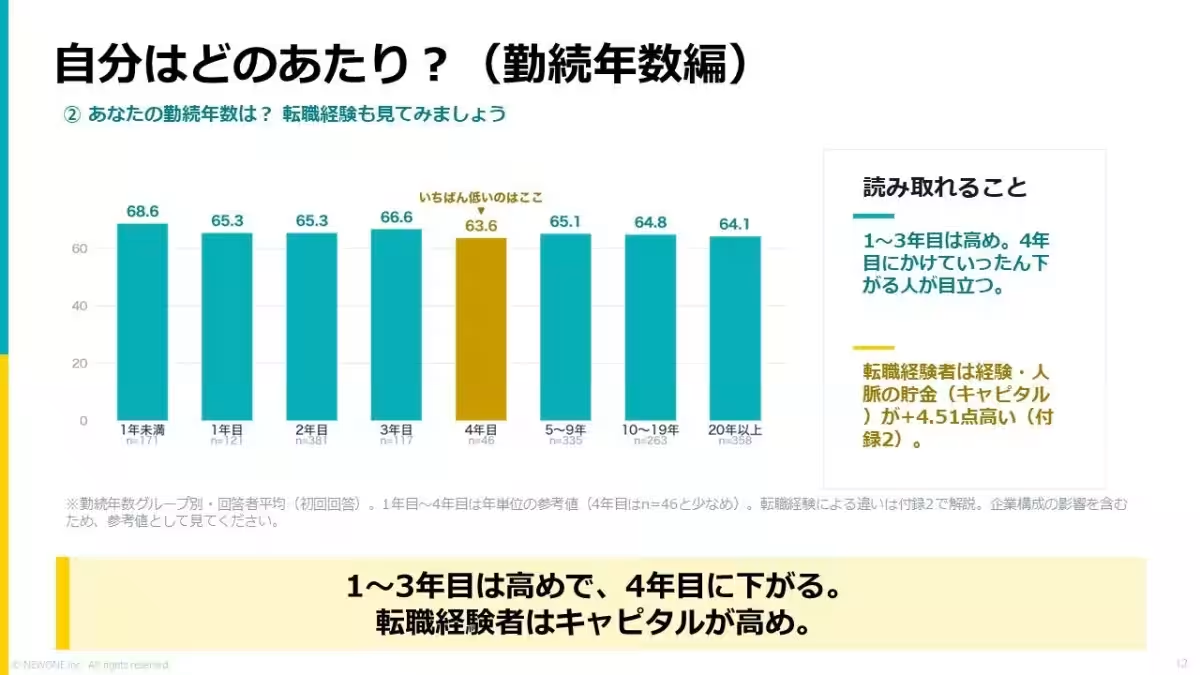
3. Career Valleys Across Age Groups and Tenure: The analysis also revealed patterns where the comprehensive score dips in the late 30s before seeing a recovery in the early 40s. Furthermore, results indicated that scores tended to be higher during the first few years of employment but significantly dropped by the fourth year, indicating a potential career valley that organizations should address.
Context of the Study
As workplace values evolve,
Topics Business Technology)
【About Using Articles】
You can freely use the title and article content by linking to the page where the article is posted.
※ Images cannot be used.
【About Links】
Links are free to use.