



Results of a Survey on Financing Methods for Business Leaders Revealed
Understanding Financing Methods Through a Recent Survey
In the world of business, various expenses such as personnel costs, office rentals, utilities, and marketing expenses can create significant financial pressure. In some cases, businesses may struggle to meet these obligations, potentially leading to cash flow crises or even bankruptcy. Therefore, it is crucial for companies to acquire financing that is tailored to their needs at the right time to ensure sustainability.
Survey Overview
Recently, JPS Corporation conducted a survey involving 100 business owners and executives, focusing on their awareness and utilization of financing methods, including factoring. This article will delve into the survey findings, providing insights into the financing methods considered and used by these leaders. Individuals considering financing options should find this information beneficial.
The survey was conducted as follows:
- - Overview: Research on recognition and utilization of financing and factoring
- - Timeframe: Conducted on September 11, 2025
- - Method: Online survey
- - Target Group: Business owners and executives aged 20 and over nationwide
- - Respondents: 100 individuals
Key Findings
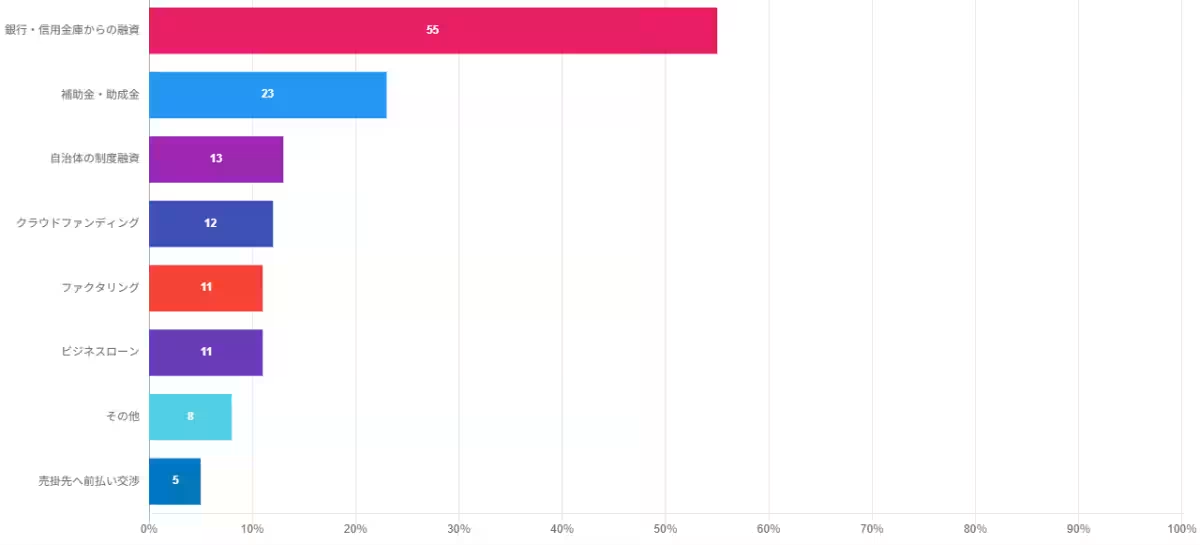
Q1: What Financing Methods Have You Considered?
When asked to identify financing methods they have considered, responses included:
- - Bank Loans (55%): The most common consideration among participants was seeking loans from banks and credit unions, accounting for 55% of the responses.
- - Subsidies and Grants (23%): This was the next most frequent option, indicating a preference for non-repayable support from government or local authorities.
- - Local Government Loans (13%)
- - Crowdfunding (12%)
- - Factoring (11%)
- - Business Loans (11%)
- - Advance Payments from Clients (5%)
- - Others (8%)
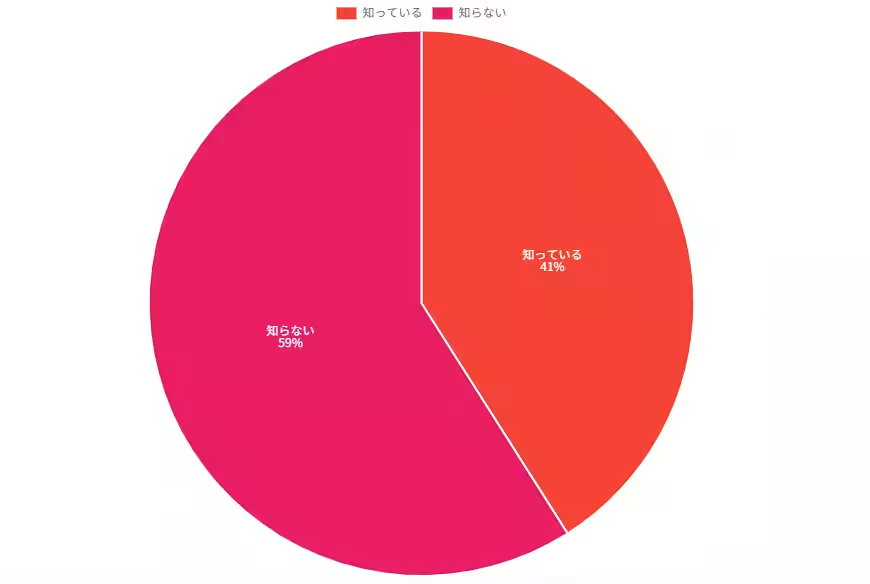
Q2: Awareness of Factoring
When asked if they were familiar with factoring, a significant discrepancy was noted:
- - Aware (41%)
- - Not Aware (59%)
Types of Factoring
Understanding the mechanics of factoring is essential:
- - Two-Party Factoring: This involves a direct agreement between the business and the factoring company, enabling faster access to funds without needing the client’s approval, although it usually incurs higher fees.
- - Three-Party Factoring: In this scenario, approval from the client is needed, leading to potentially lower fees compared to the two-party approach.
Q3: Concerns Regarding Factoring
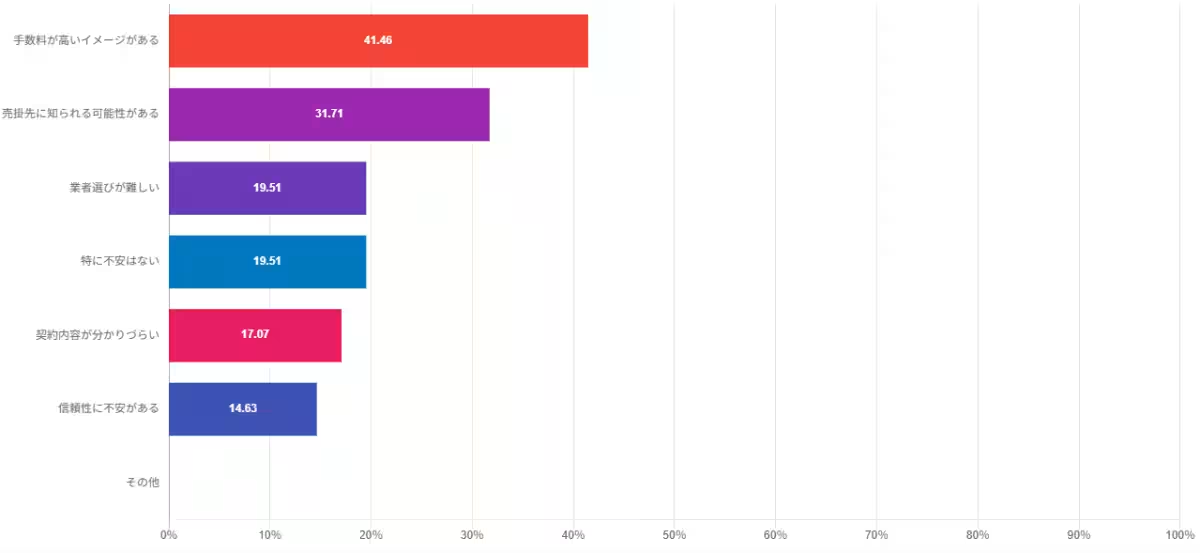
Among those who were aware of factoring, concerns were raised about this method:
- - Perceived High Fees (41.46%)
- - Client Awareness (31.71%)
- - Difficulty in Choosing Providers (19.51%)
- - Confusing Contract Terms (17.07%)
- - Trust Issues (14.63%)
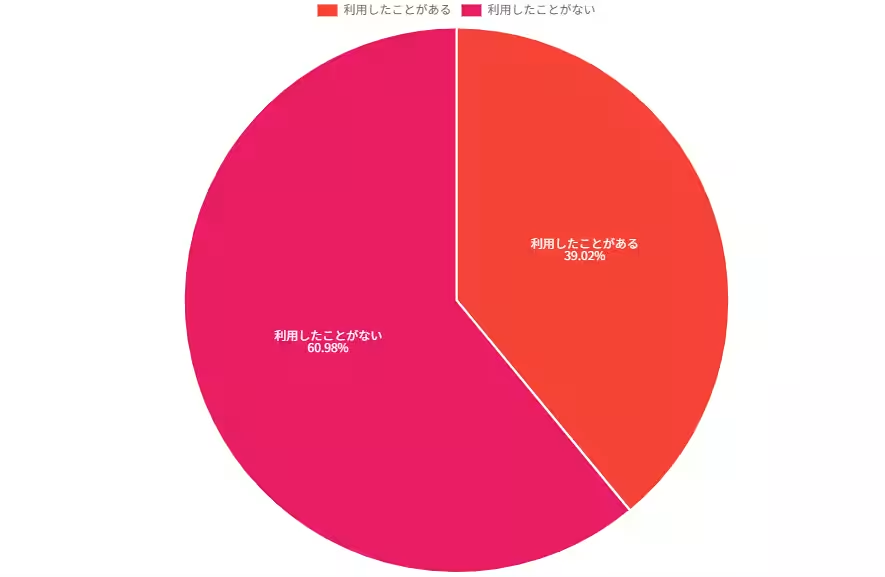
Q4: Recent Use of Factoring
When asked if they had utilized factoring in the last year:
- - Yes (39.02%)
- - No (60.98%)
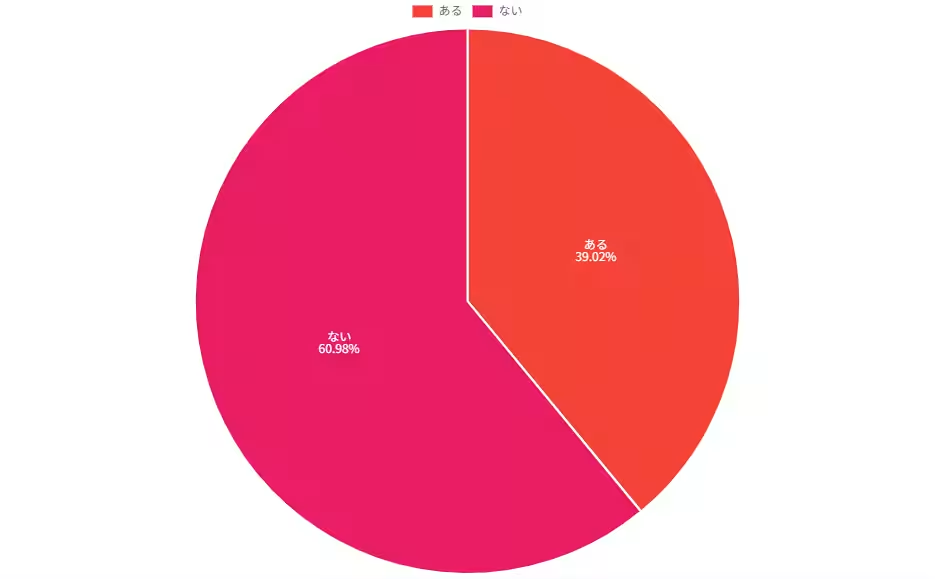
Q5: Consideration for Future Use of Factoring
Participants were also asked if they considered factoring for future financing needs:
- - Yes (39.02%)
- - No (60.98%)
Q6: Sources for Factoring Information
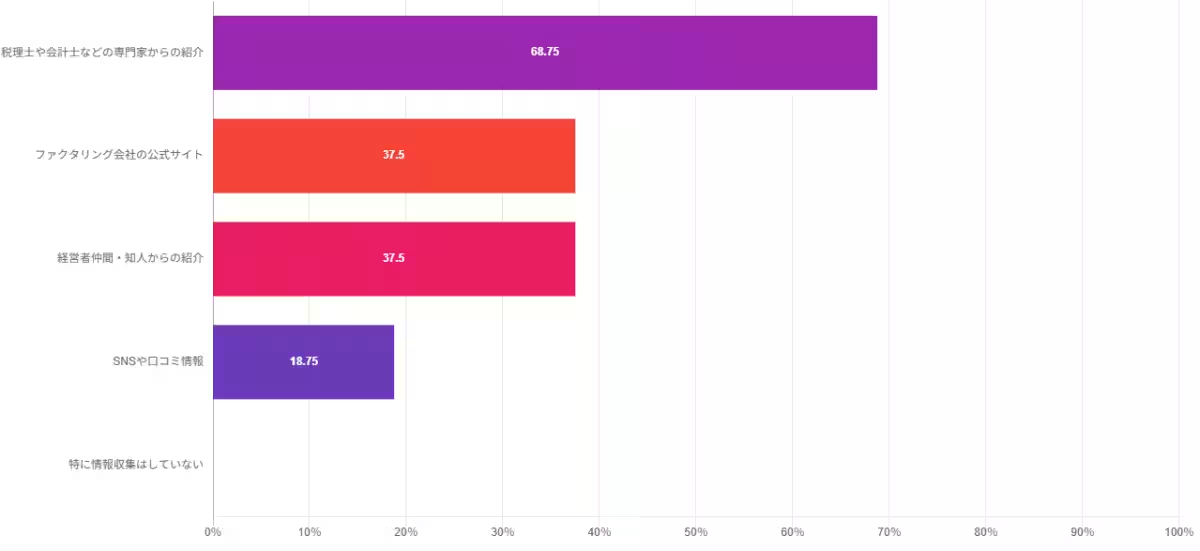
Among those who had used factoring, the following sources were commonly utilized for information:
- - Referral from Experts (68.75%): Most participants relied on accountants or financial advisors to learn about factoring.
- - Factoring Companies’ Websites (37.50%)
- - Referrals from Peers (37.50%)
- - Social Media and Reviews (18.75%)
Key Recommendations
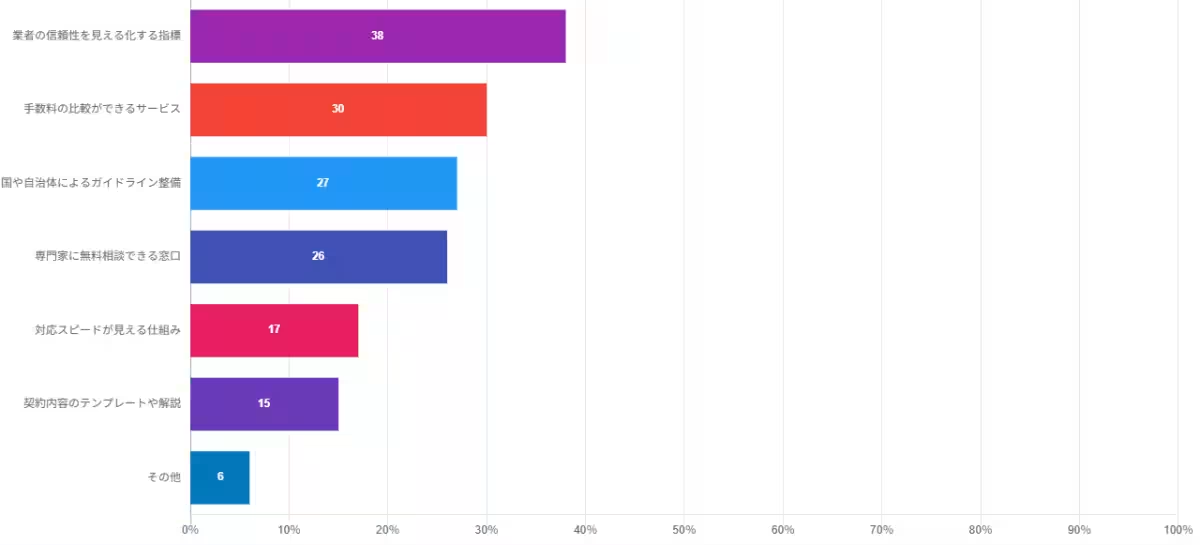
The survey results highlight that traditional financing through bank loans remains predominant among business leaders, while newer methods like factoring have yet to gain significant traction. There is a clear call for enhanced transparency regarding fees, reliability, and advice for navigating these options from professionals.
In conclusion, fostering an environment where business leaders understand and have access to a plethora of financing options will bolster their ability to select what is best suited for their organization's unique context and challenges.
Topics Business Technology)
【About Using Articles】
You can freely use the title and article content by linking to the page where the article is posted.
※ Images cannot be used.
【About Links】
Links are free to use.