




Cross-Border Part-Time Work: Analyzing Wage Discrepancies Using Job Data
Cross-Border Part-Time Work: Analyzing Wage Discrepancies Using Job Data
In a recent report by Frog Co., Ltd., based in Chiyoda, Tokyo, disparities in minimum wages across prefectural borders have been examined, revealing pivotal insights into the growing phenomenon of cross-border part-time work. This article investigates how even minor differences in wages can lead to substantial financial implications for workers, particularly as the demand for higher wages continues to surge amid rising living costs.
The Growing Trend of Cross-Border Work
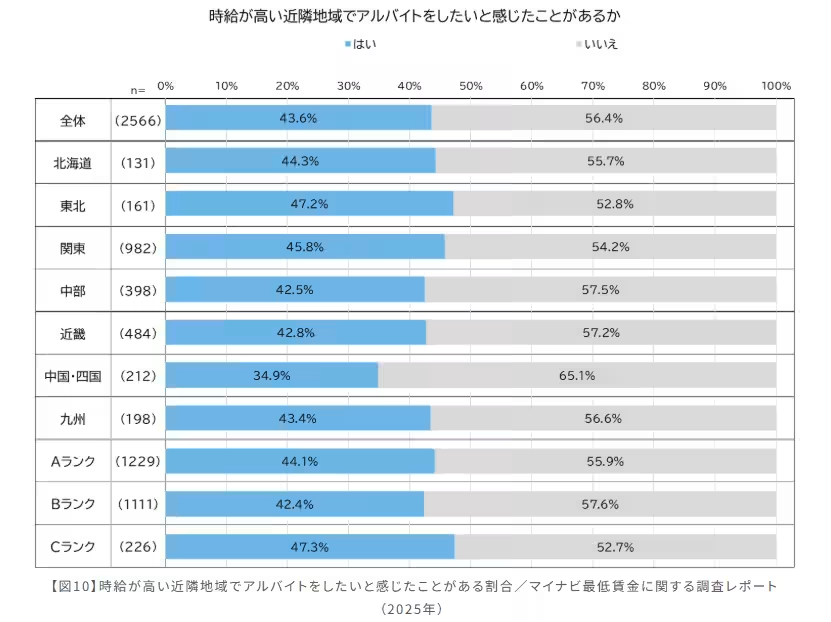
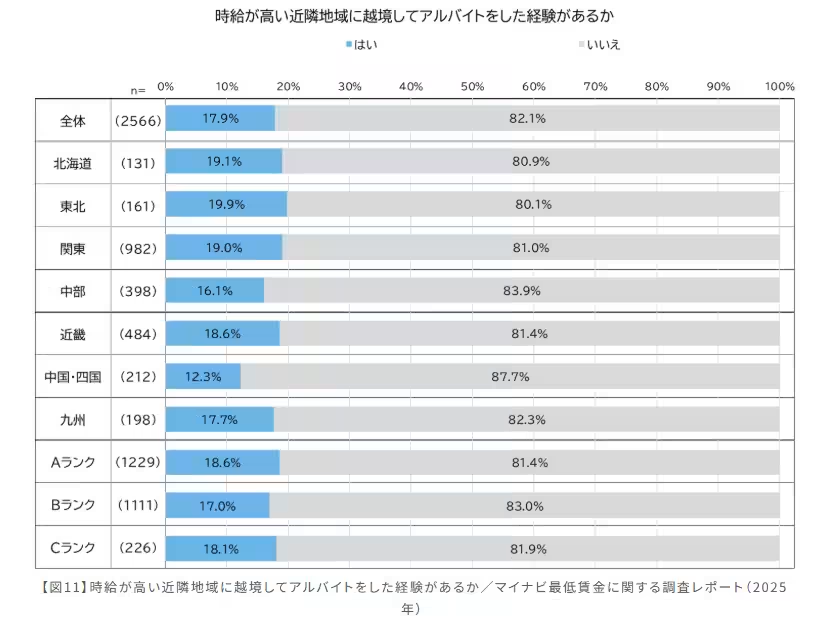
According to data from a survey conducted by MyNavi regarding minimum wage adjustments for the fiscal year 2025, a staggering 43.6% of part-time workers expressed interest in working in nearby areas where wages are higher. Approximately one in six surveyed individuals confirmed that they have experienced cross-border part-time work. Such moves are especially prominent in regions where minimum wage discrepancies can lead to significant earnings variations. For instance, a person working full-time hours (roughly 8 hours a day, 12 times a month) can see a difference of nearly 9,000 yen in take-home pay between prefectures like Saitama and Gunma due to the local minimum wage rates.
Minimum Wage Increases: The Current Landscape
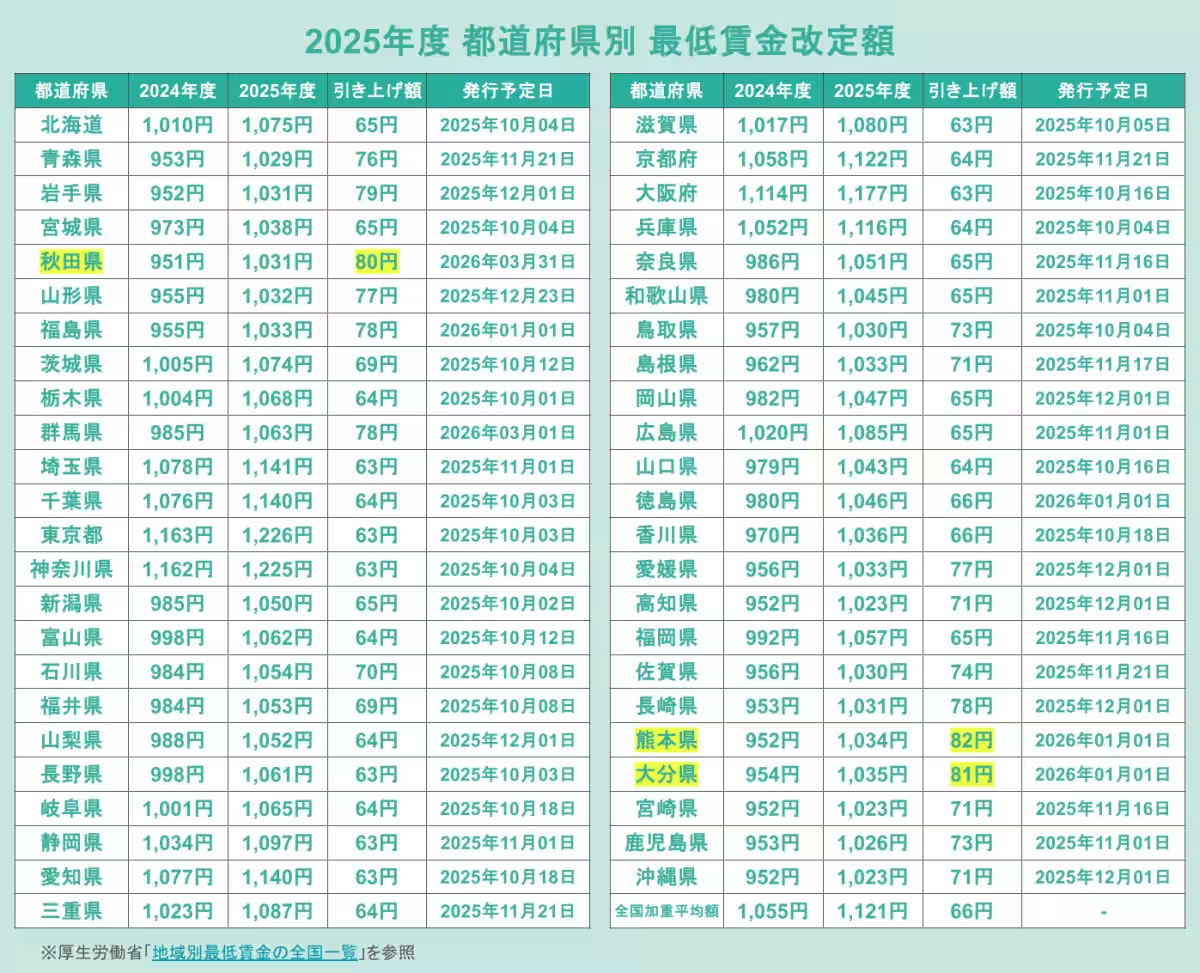
According to the Ministry of Health, Labor and Welfare, the weighted average minimum wage across Japan is set to rise by 66 yen in fiscal 2025, marking a 6.26% increase. This elevation will push the minimum wage over 1,000 yen in all prefectures for the first time. While certain areas, particularly in Kyushu and Tohoku, will see more significant increases (e.g., Kumamoto, at a robust 82 yen), urban centers like Tokyo, Kanagawa, and Osaka will only see the minimum wage raised by 63 yen. Such differences highlight the ongoing challenges faced by workers in systematically low-wage regions and the incentives for seeking opportunities across borders.
Analyzing Wage Differences Across Borders
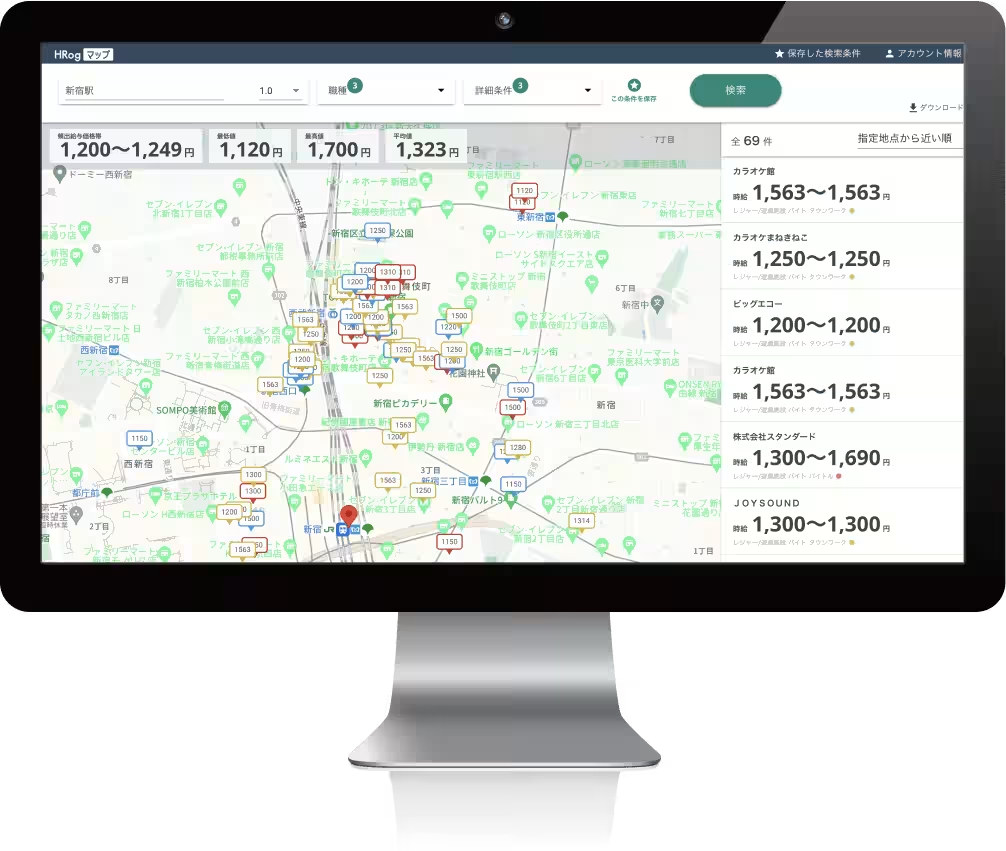
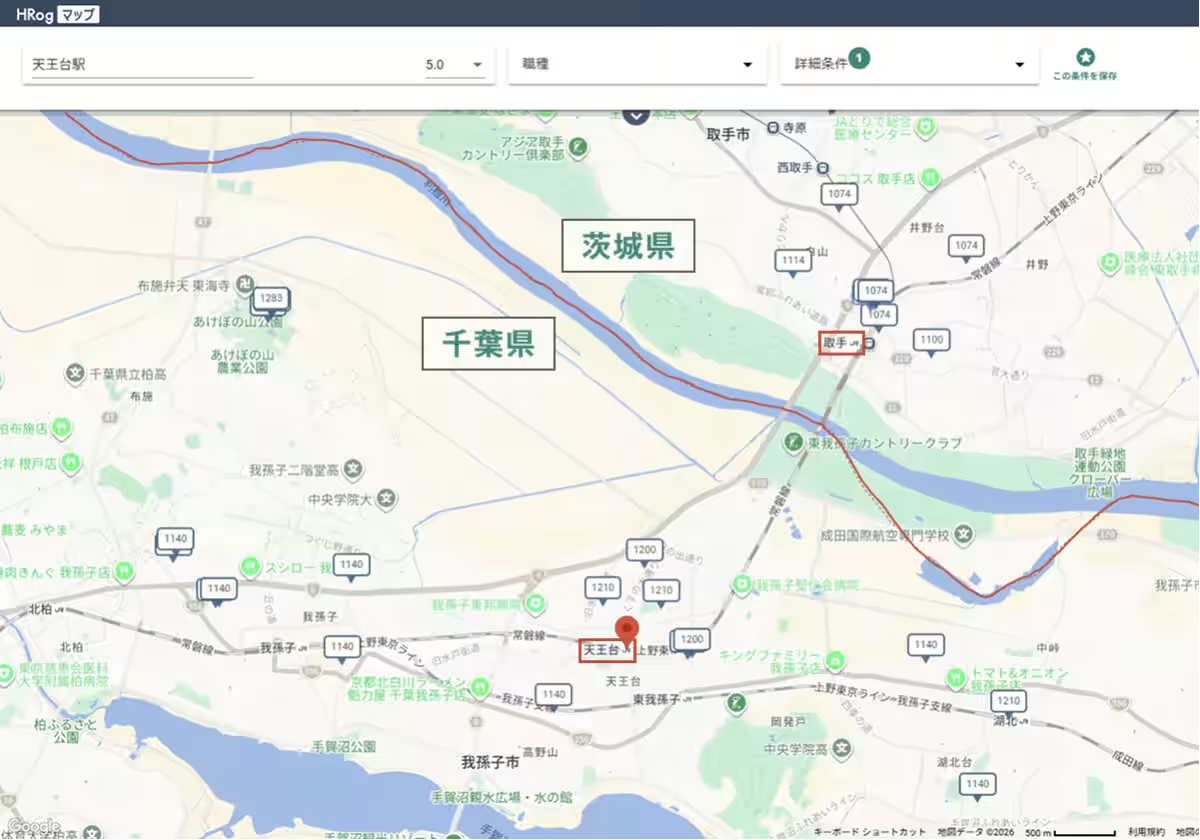
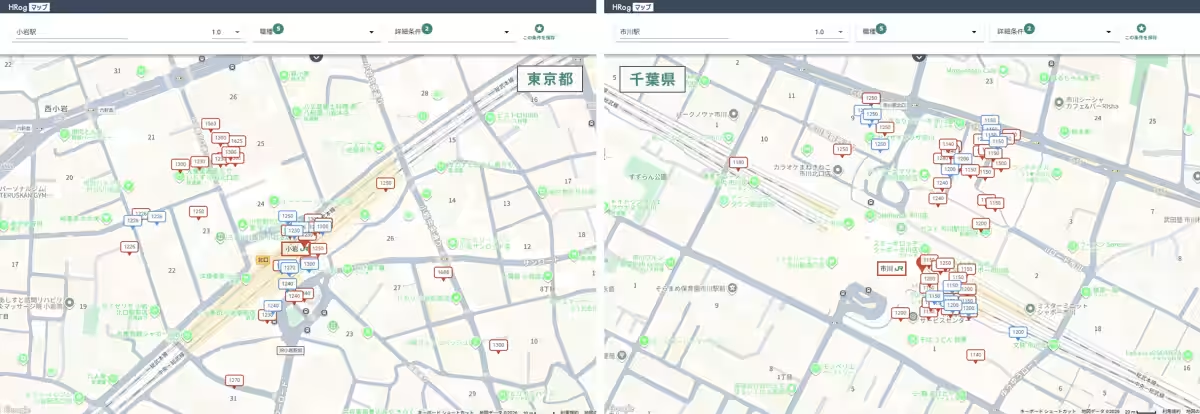
Data collected from HRog Map has revealed profound insights into pay rates at convenience stores and restaurants straddling borders. Below are some explored case studies:
Convenience Stores: Comparing Regions
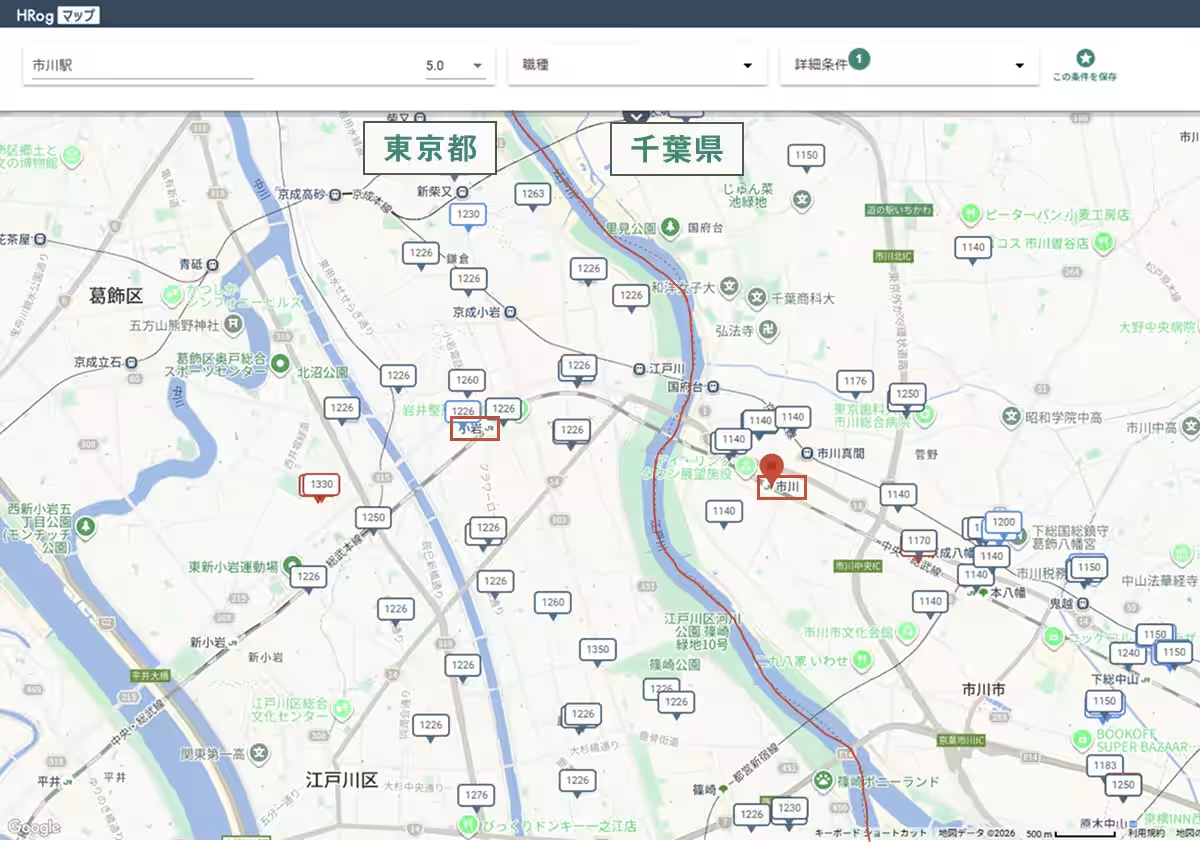
- - Tokyo (JR Koiwa Station) vs. Chiba (JR Ichikawa Station): Here, the minimum wage is 1,226 yen for Tokyo and 1,140 yen for Chiba, leading to an 86 yen discrepancy. After commuting costs (300 yen for a round trip) are accounted for, the real pay differential over a month remains modest. For a typical 4-hour shift, employed workers witness minimal fluctuations, reinforcing the notion that the financial benefits of cross-border work may not always justify the travel costs.
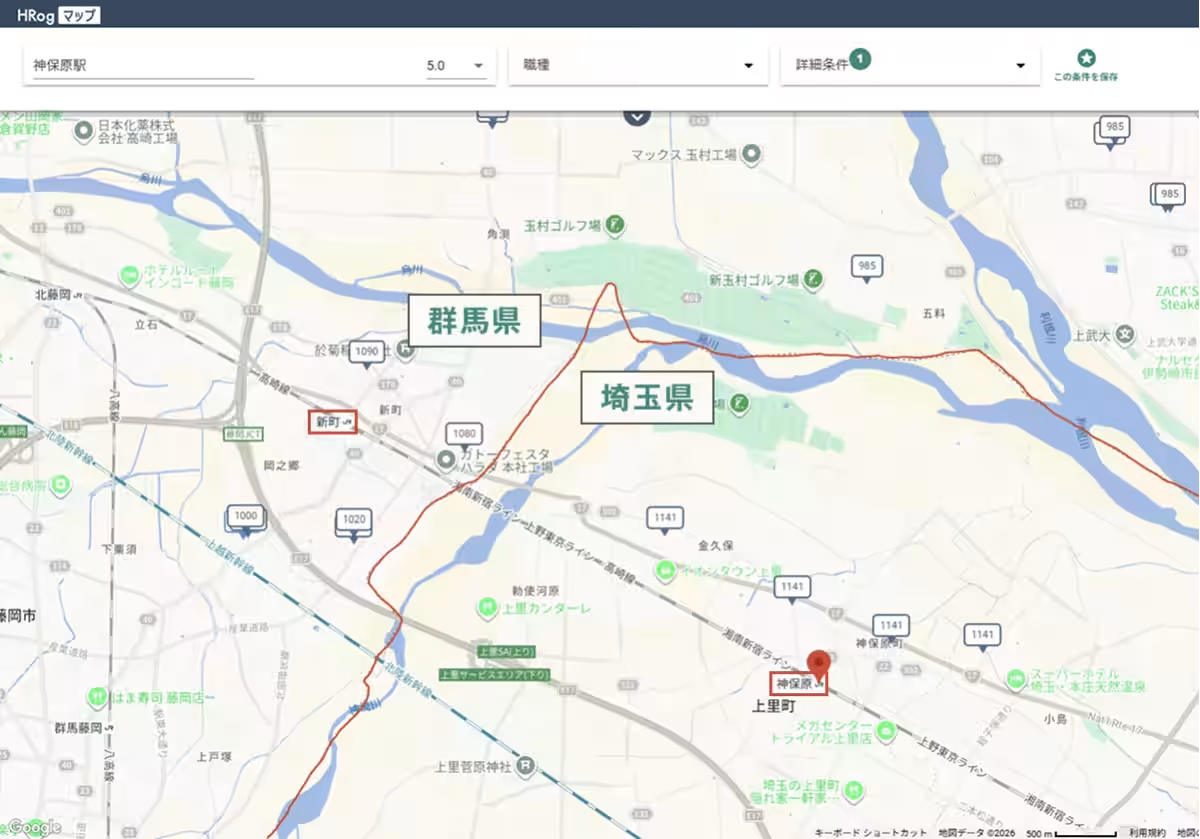
- - Saitama (JR Shinbohara Station) vs. Gunma (JR Shimmachi Station): In this scenario, Saitama boasts a minimum wage of 1,141 yen against Gunma's 985 yen (heading to 1,063 yen shortly). Workers commuting from Gunma to Saitama can see take-home pay differences of approximately 9,000 yen monthly after factoring in associated transportation costs.
Restaurants: A Class of Their Own
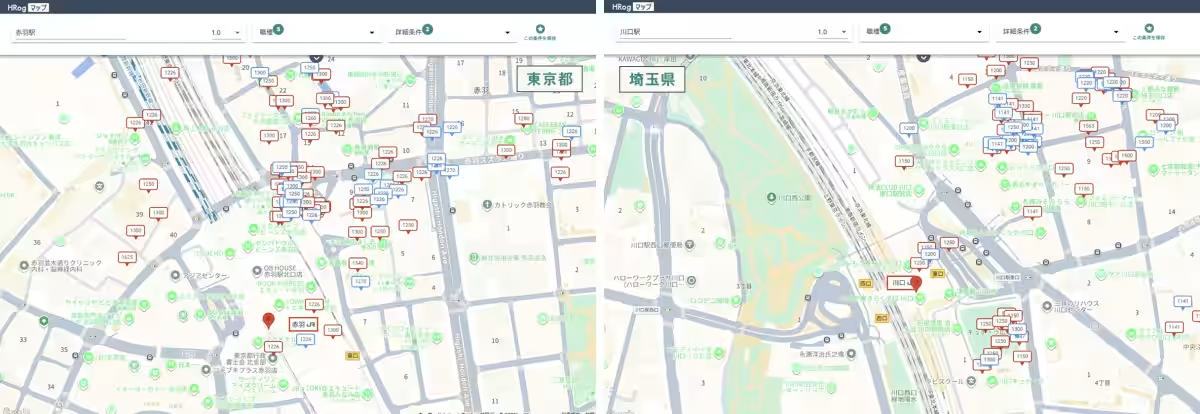
- - Tokyo (JR Akabane Station) vs. Saitama (JR Kawaguchi Station): The pay disparity between the two prefectures reflects a similar trend, showing higher rates in Tokyo. Data show that workers in high-end restaurants often tend towards more lucrative suburban jobs, further solidifying the hotbed for cross-border employment.
Conclusion
The recent analysis reveals how cross-border part-time jobs are on the rise as workers seek better compensations through strategic movement across prefectural lines. Particularly for those grappling with sharp economic realities and inflation pressures, the compensation boost that comes from crossing borders might make a significant difference in overall living conditions. However, it’s crucial for job seekers to consider commuting time and expenses to understand the real financial implications of such employment decisions. With systematic discrepancies potentially widening in salary structures, the pursuit for better jobs in neighboring regions shows no signs of abating.
As we navigate these economic challenges, tools like HRog Map can provide vital assistance in understanding regional wage differentials, making it an essential resource for job seekers and employers alike. To learn more about HRog and its offerings, visit HRog Map.

Topics Consumer Products & Retail)
【About Using Articles】
You can freely use the title and article content by linking to the page where the article is posted.
※ Images cannot be used.
【About Links】
Links are free to use.