



Survey Reveals 20% of Women Own Beauty Devices, with EMS Leading the Pack
Survey Insights into Beauty Device Ownership Among Women
In a recent survey conducted by Bizki, the operators of the beauty and health information site Kirei Style, it was revealed that only 20% of women in Japan own one or more beauty devices. The survey engaged 2,000 women aged between 20 and 59 from across the country, uncovering varied trends based on demographic factors.
Overview of the Survey
The questionnaire was designed to understand the beauty device ownership rate among different segments of women in Japan. The survey participants were asked whether they owned any type of beauty devices and were given multiple-choice options:
1. Ultrasonic beauty device
2. Ion introduction device
3. RF beauty device
4. LED beauty device
5. EMS beauty device
6. Laser beauty device
7. Steam beauty device
8. Roller beauty device
9. Peeling beauty device
10. Other
11. None
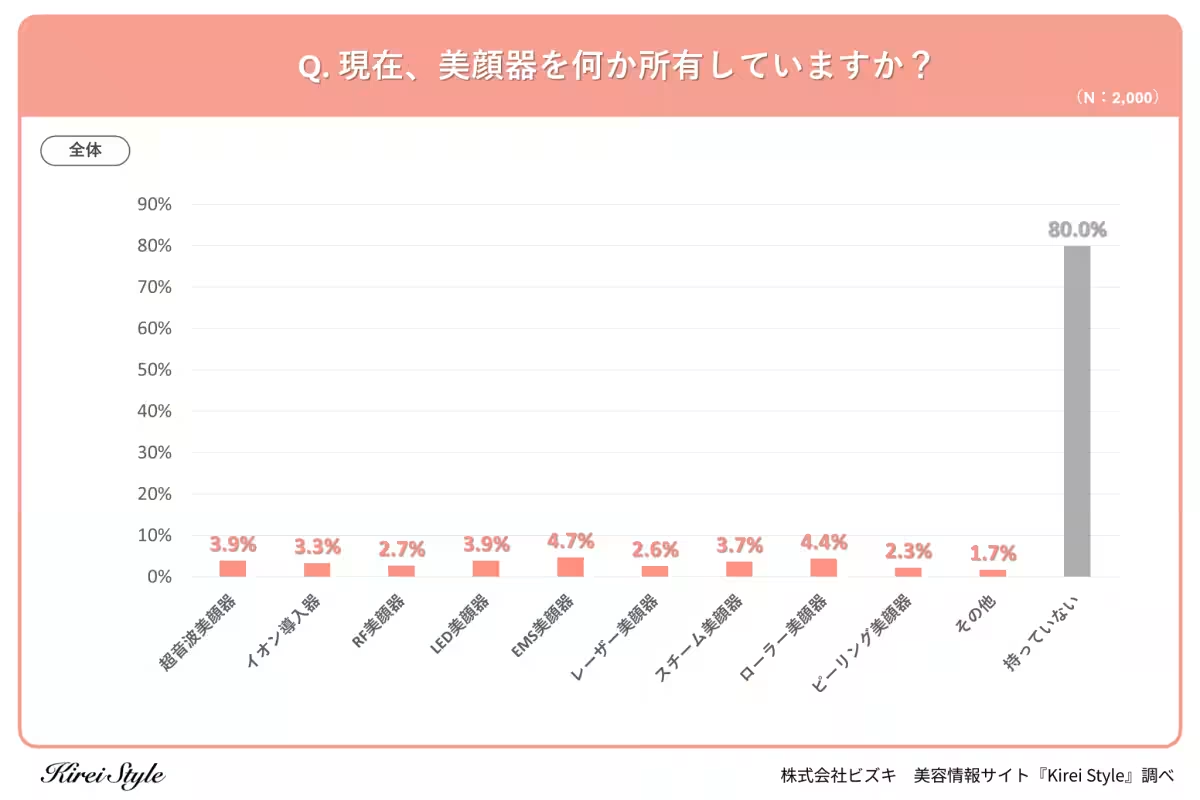
The results indicate that a significant 80% of respondents reported not owning any beauty devices, showcasing a relatively low penetration of such products in the beauty market in Japan. Out of the 20% who do own beauty devices, the most popular choice is the EMS beauty device, chosen by 4.7% of participants, closely followed by the roller beauty device at 4.4%, and the LED beauty device at 3.9%.
Income Level Insights
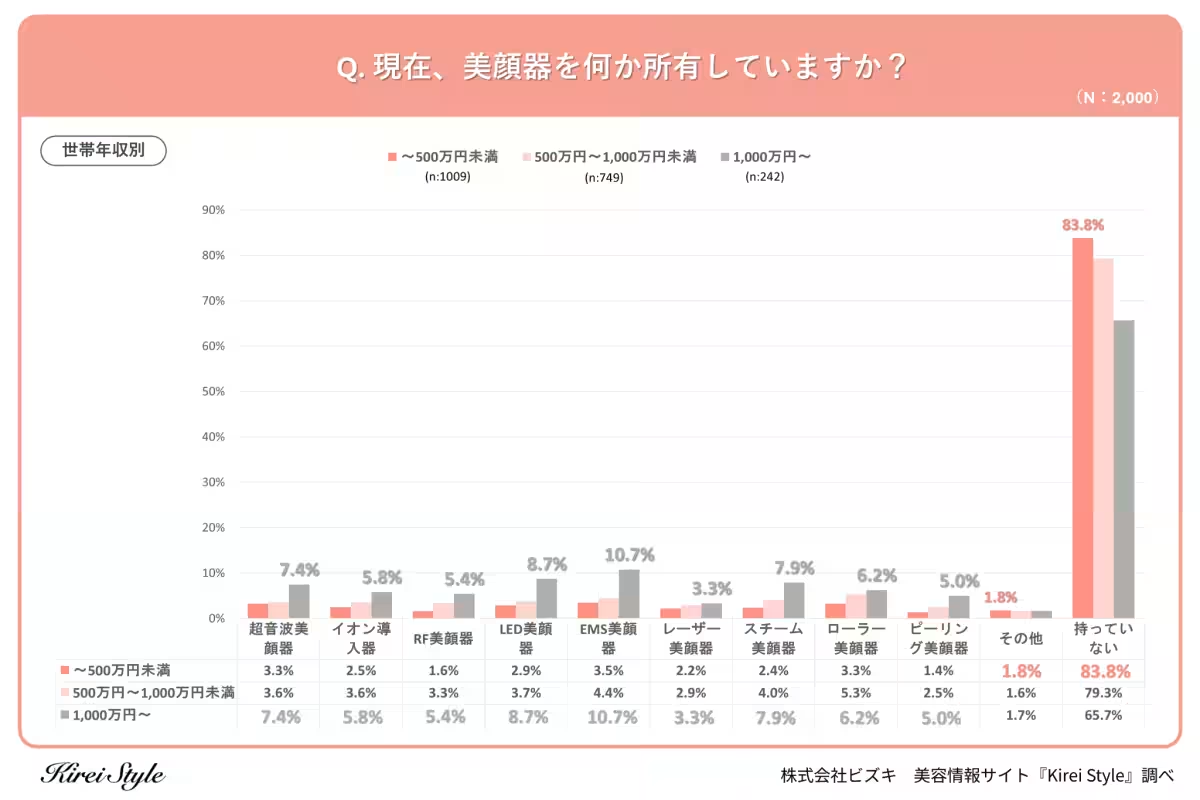
Examining the ownership rates based on household income provides insight into consumer behavior towards beauty products. Among respondents with a household income less than 5 million yen, 83.8% did not own any beauty devices. In contrast, the proportion of non-owners decreases significantly to 65.7% among those in households earning over 10 million yen, indicating that higher income correlates with an increased likelihood of owning beauty devices.
This trend is particularly reflected in the popularity of EMS and LED beauty devices in the higher income bracket, where ownership rates soar to 10.7% and 8.7%, respectively. The willingness to invest in high-function beauty gadgets seems driven by their effective results and the desire for high-quality self-care.
Family Dynamics
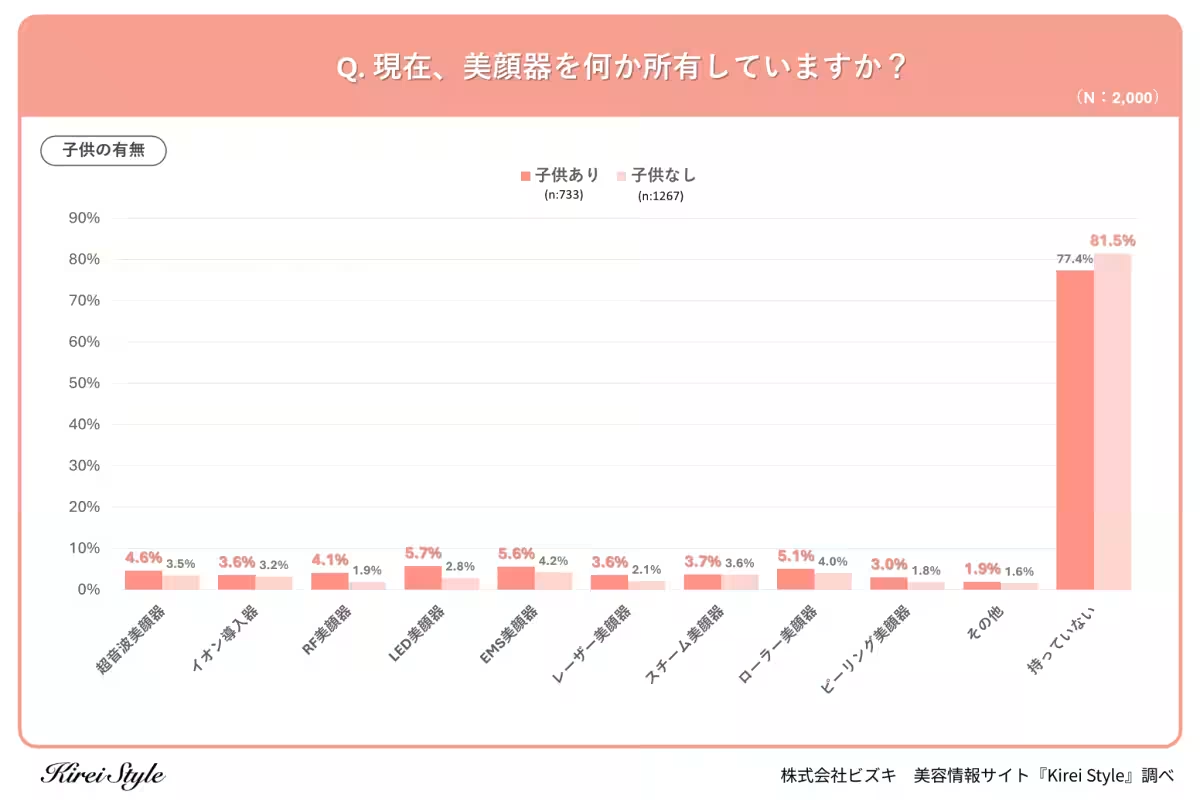
When considering the presence of children in a household, the survey found that 81.5% of women without children do not own beauty devices, compared to 77.4% of those with children. Interestingly, ownership rates for LED beauty devices reveal a striking difference: 2.8% among women without children, compared to 5.7% among those with children, implying that mothers are more likely to invest in beauty devices at home to manage their busy schedules. The appeal of the EMS beauty device also seems to resonate more with women in this category, suggesting a trend towards efficient and effective beauty solutions amidst their hectic lives.
Generational Trends
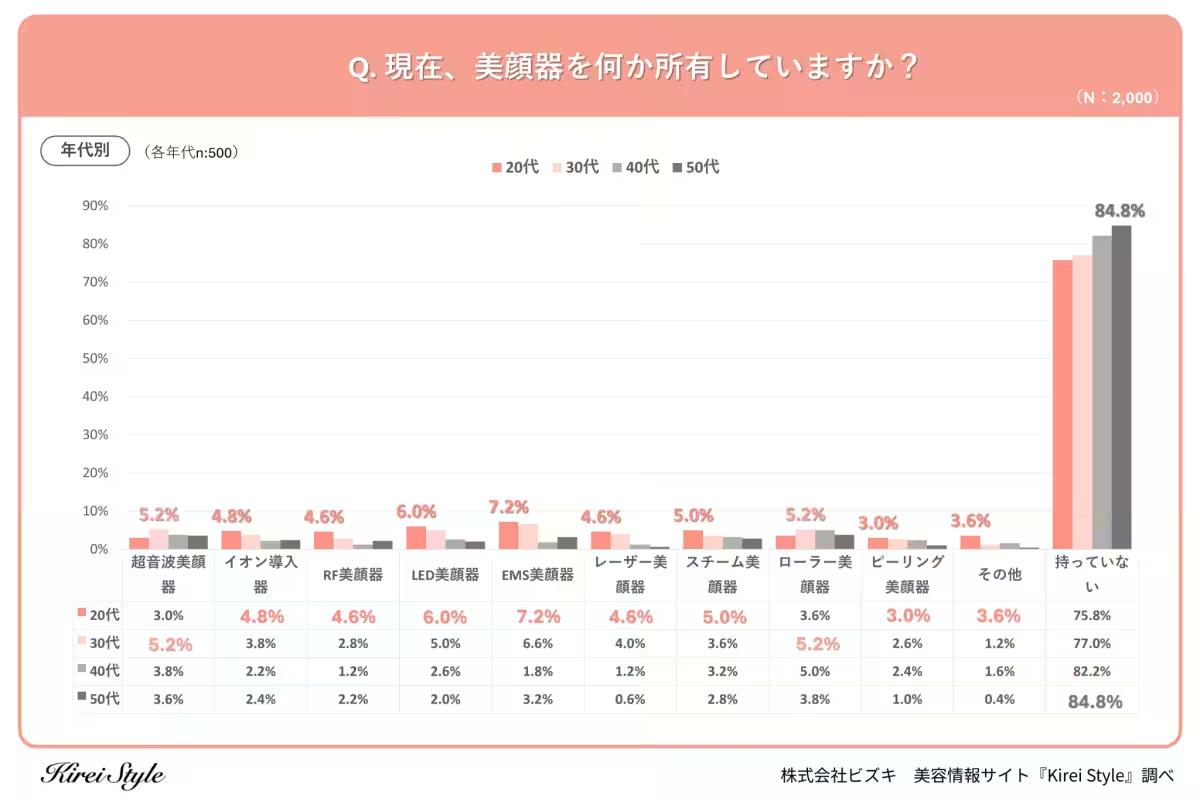
The survey also highlighted generational differences in attitudes towards beauty devices. Women in their twenties showcased the highest ownership rates, with about 25% owning at least one device. This younger demographic favors high-tech solutions like EMS and LED devices for their skincare needs. Conversely, as age increases, ownership rates decline sharply, culminating in an 84.8% non-ownership rate among women in their fifties.
Notably, while younger women are inclined toward technologically advanced gadgets, those in their forties and fifties prefer more straightforward tools, such as roller beauty devices, which reflects a shift towards ease of use and practicality as women age.
Conclusion
The Kirei Style platform continues to promote valuable insights into beauty and health-related topics, catering to those seeking resolutions for their beauty concerns or wishing to enhance their self-care routines. By understanding these trends, brands can adapt their offerings to meet the nuanced needs of women across varying demographics in Japan, contributing to the growth of the beauty market overall.
For more information on beauty products and trends, visit Kirei Style.
Topics Consumer Products & Retail)
【About Using Articles】
You can freely use the title and article content by linking to the page where the article is posted.
※ Images cannot be used.
【About Links】
Links are free to use.