



Exploring Hidden Cold Sensitivity: Insights from a Survey of 800 Adults
Thermos Conducts a Comprehensive Study on Cold Sensitivity
In an effort to promote comfortable and environmentally friendly lifestyles, Thermos Co., Ltd. has conducted a detailed survey regarding cold sensitivity among men and women aged 20 to 50. The survey gathered responses from 800 individuals across Japan, aiming to delve into the perceptions and realities of cold sensations experienced during summer.
Key Findings of the Survey
Women's Clothing Choices: A Balance of Aesthetics and Comfort
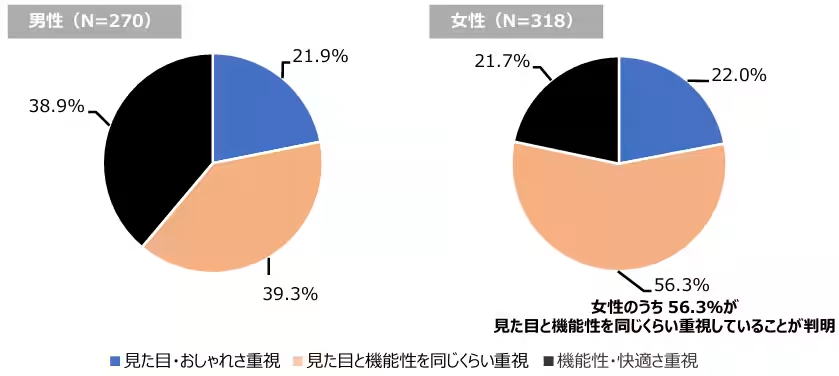
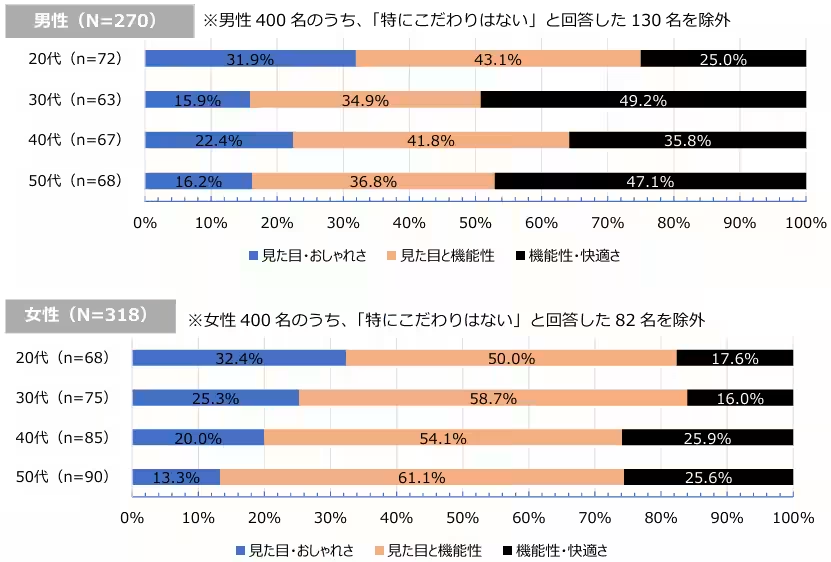
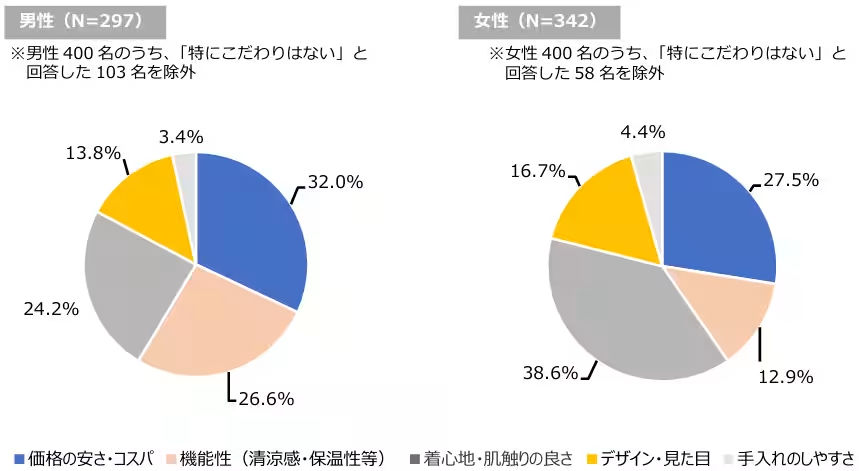
The survey found that a significant 56.3% of women prioritize both the appearance and functionality when selecting clothes. Interestingly, this trend is prominent among younger women, with 50.0% in their twenties adhering to this dual focus. However, when it comes to summer indoor wear, comfort takes precedence, with 38.6% of respondents highlighting skin-friendly fabrics as their main consideration. This dichotomy showcases that while women seek stylish and functional outerwear for outings, comfort is key in home attire.
Concealed Cold Sensitivity in Self-Perceived Healthy Individuals
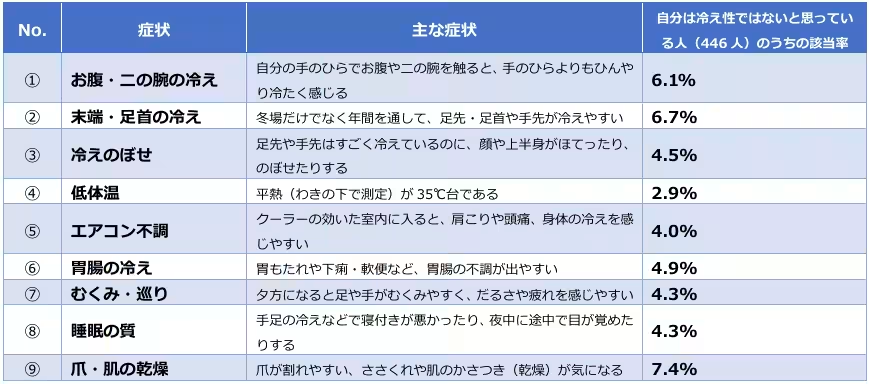
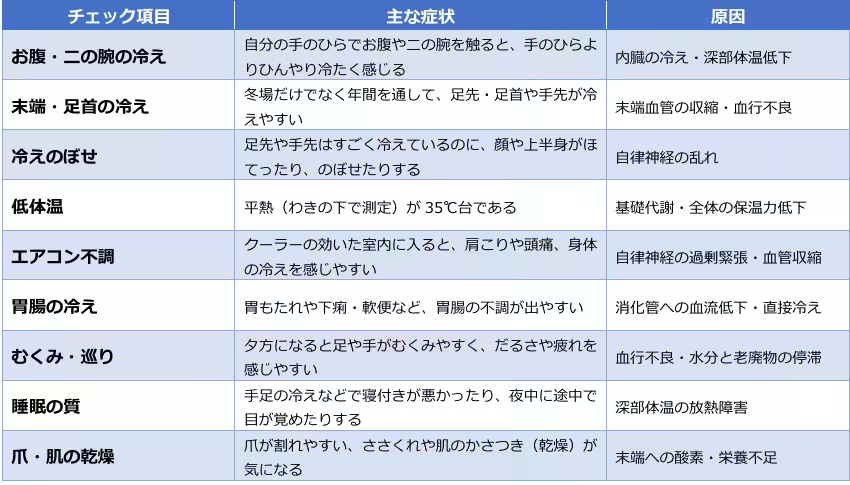
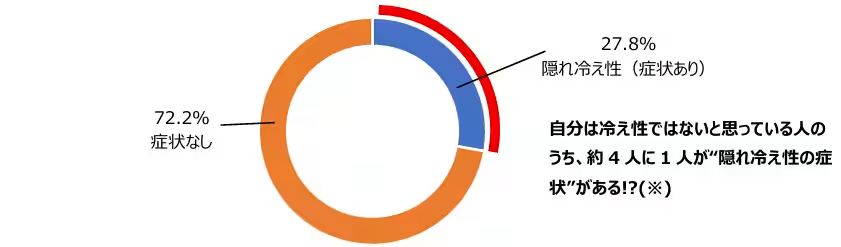
The survey also unveiled that among those who do not identify as having cold sensitivity, 27.8% display symptoms indicating a hidden form of cold sensitivity, according to the unique definition provided in this study. This designation includes individuals who meet at least one of the nine criteria established by Dr. Shin-Na Ishihara, who supervised the survey's methodology.
Symptoms and Realizations Across Different Age Groups
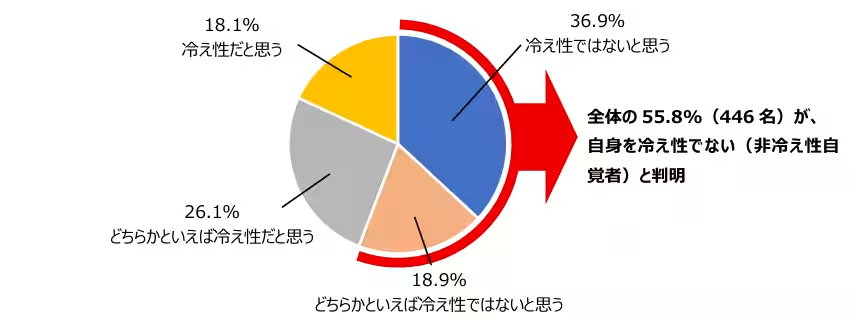
When participants were asked if they considered themselves cold-sensitive, 55.8% responded negatively. However, further inquiries revealed that among these individuals, many exhibit physical symptoms of coldness, particularly in their extremities. The trend highlights the importance of acknowledging that cold sensitivity can manifest without self-awareness.
Summertime Cold Sensation: Areas and Symptoms of Concern
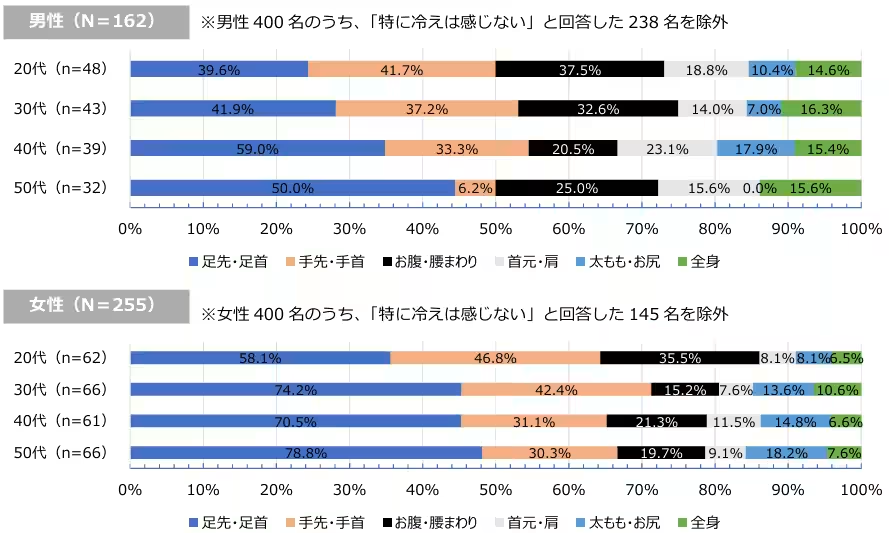
The survey also identified that the most commonly reported area of coldness during summer is the feet and ankles, with notable mention of the abdomen and lower back among younger adults. This gendered response to cold sensitivity shows a significant variance where men tend to report coldness in their neck and shoulders more frequently than women.
Actions Leading to Coldness Despite Self-Identification
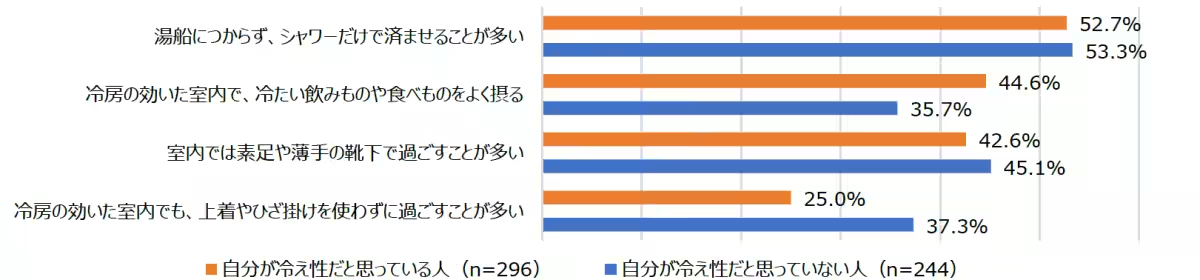
Interestingly, even self-identified cold-sensitive individuals often engage in practices that exacerbate their condition. For instance, 52.7% only use showers instead of taking baths, while 44.6% frequently consume cold foods and beverages in air-conditioned spaces. It raises concerns about misguided habits that lead to increased cold sensitivity despite the awareness of their condition.
Dr. Shin-Na Ishihara's Expert Insights
Dr. Ishihara, the survey's supervising physician, noted that the gap between awareness and action concerning cold sensitivity is particularly striking. Many people, even those aware of their cold sensitivity, may overlook simple preventive measures, like avoiding overly cool environments or utilizing more comfortable clothing at home. This ignorance leads to a cycle of discomfort that can be easily alleviated.
Practical Steps: Warming from Both Inside and Out
Dr. Ishihara emphasizes a two-pronged approach to combating cold sensitivity: maintaining warmth from both the outside and inside. This method, termed “W warming activities,” consolidates the importance of keeping extremities warm and ensuring proper gastrointestinal comfort through warm foods and drinks.
New Product Launch: Eco-Friendly Thermal Apparel
In alignment with their commitment to sustainability, Thermos is set to release an autumn-winter apparel line featuring recycled polyester derived from PET bottles. This collection not only maximizes insulation but does so with an awareness of environmental impact, making it a responsible choice for consumers.
Conclusion: Understanding Cold Sensitivity
With its investigative survey shedding light on the intricacies of cold sensitivity across various demographics, Thermos aims to provide practical solutions that merge comfort, style, and ecological consciousness, ensuring well-being for all.
For further information about Thermos products and their commitment to sustainability, visit their official website at Thermos.


Topics Consumer Products & Retail)
【About Using Articles】
You can freely use the title and article content by linking to the page where the article is posted.
※ Images cannot be used.
【About Links】
Links are free to use.