



GMP Record-Keeping Challenges in Pharmaceuticals: Findings from Simtops Survey
The State of GMP Record-Keeping in Pharmaceuticals
In the world of pharmaceuticals, the accurate creation, verification, and approval of records related to Good Manufacturing Practices (GMP) is essential for ensuring product quality and compliance with regulations. A recent survey conducted by Simtops, the leading provider of field reporting systems in Japan, revealed alarming statistics regarding the challenges many professionals face in their daily operations.
Overview of the Survey
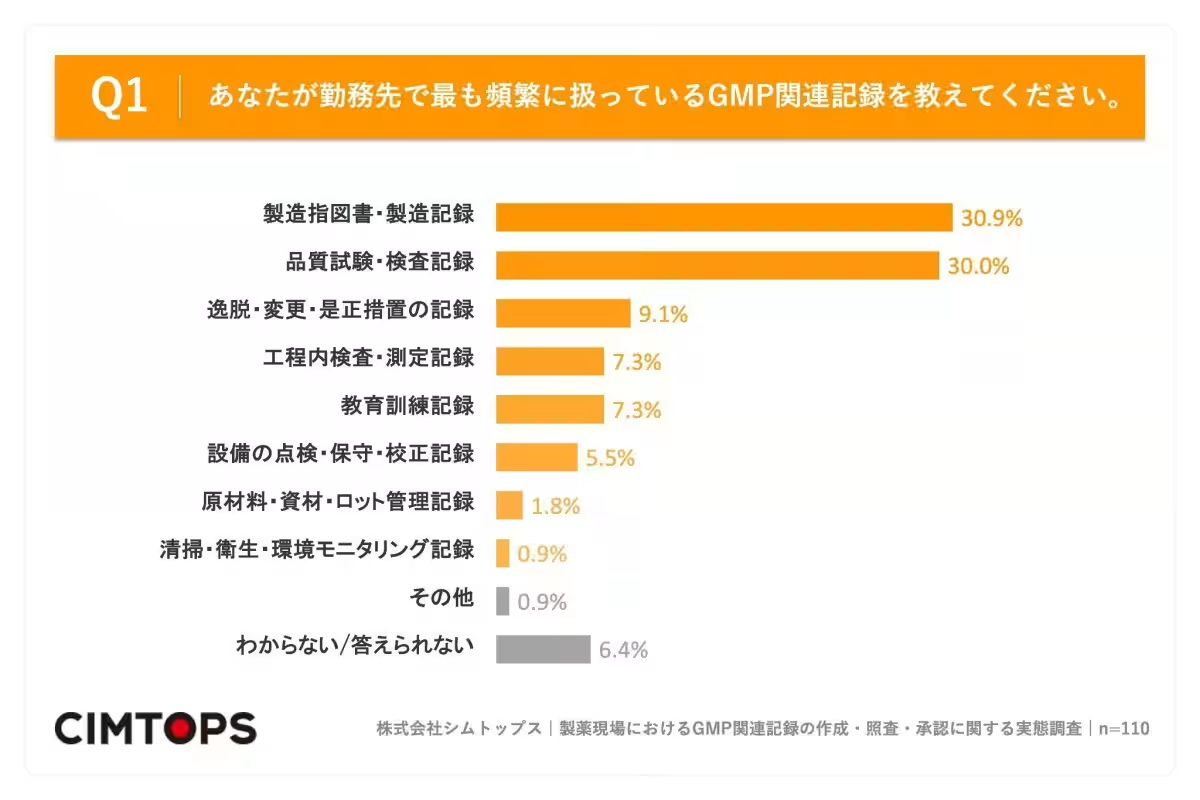
The survey included insights from 110 professionals engaged in the manufacturing of medical drugs, over-the-counter medications, active pharmaceutical ingredients, and contract manufacturing organizations (CMOs). It aimed to uncover the realities of GMP record-keeping practices within the industry.
Key Findings
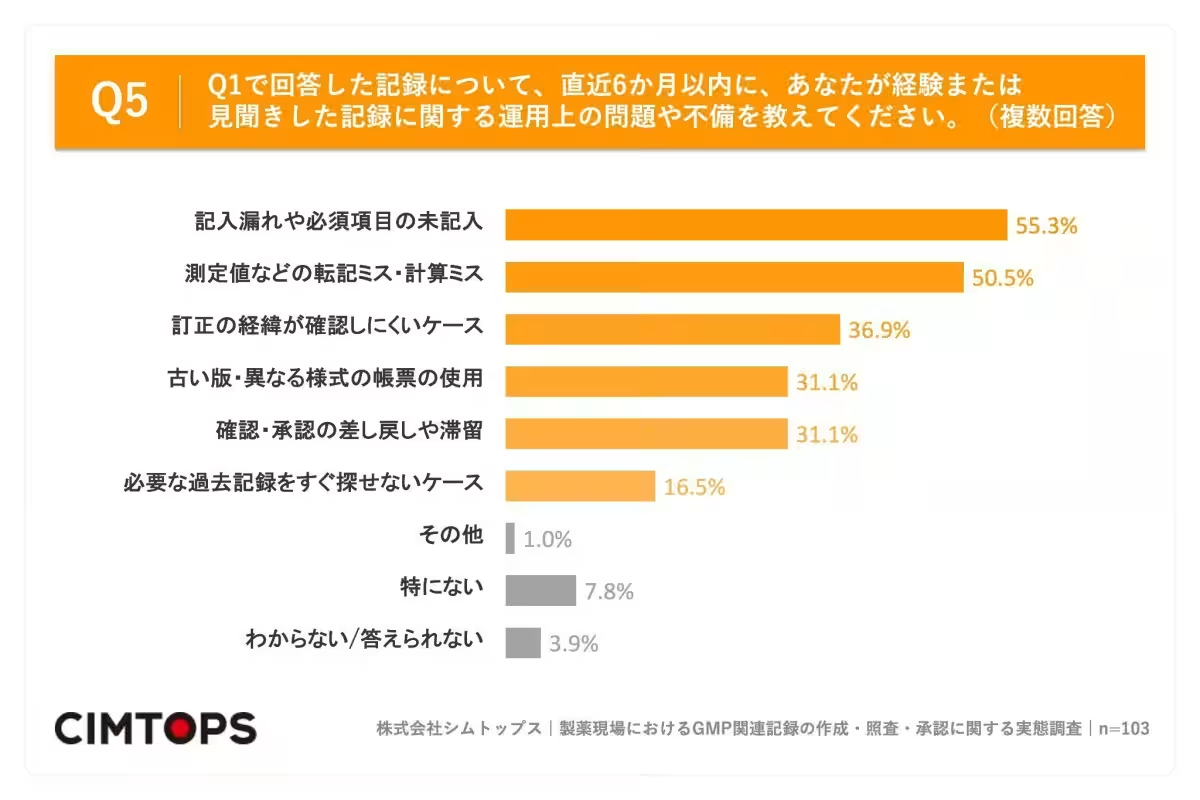
According to the survey, 55.3% of respondents reported experiencing issues with missing entries and required fields in GMP records. Additionally, 50.5% admitted to making transcription errors or calculation mistakes, raising questions about the efficiency and accuracy of current practices.
Current Practices
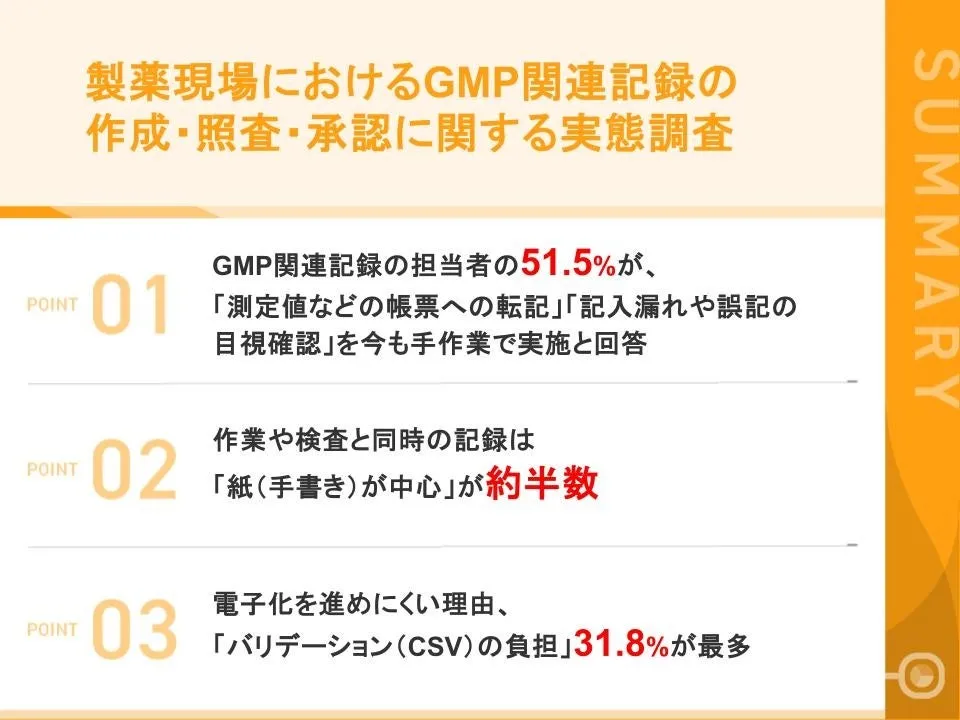
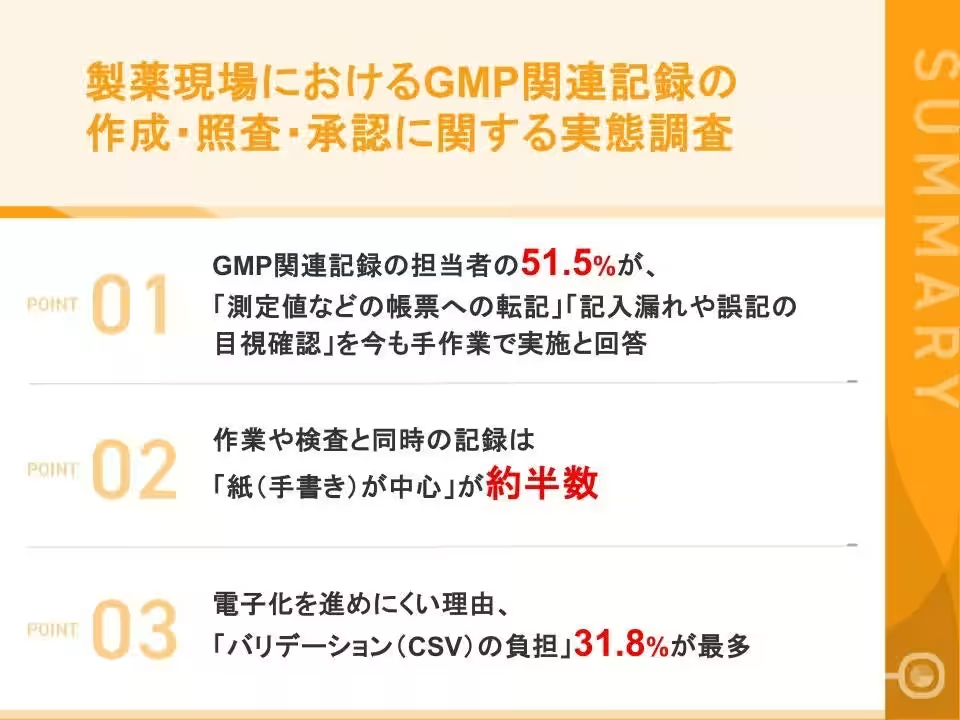
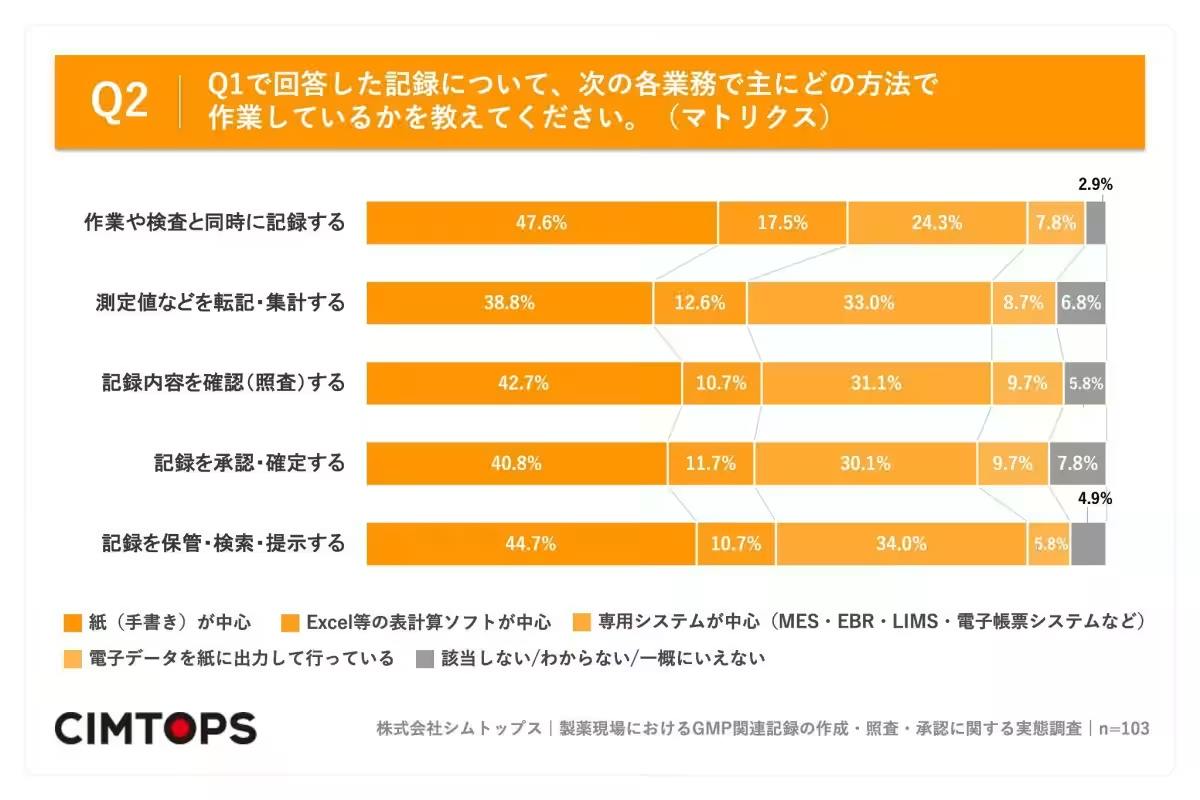
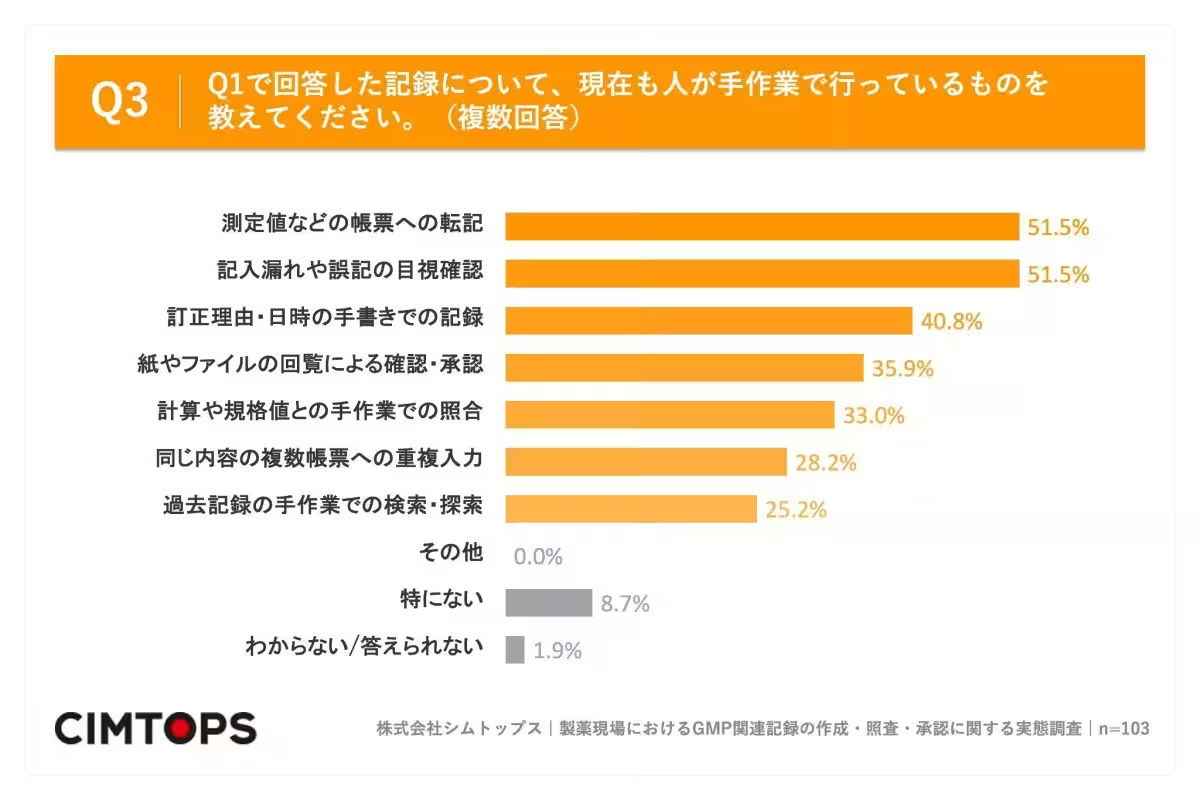
Unsurprisingly, over half of the respondents (51.5%) still rely on manual methods for tasks such as transcribing measurements and visually confirming entries. Manual entry remains typical, especially for topics like on-site assessments, where nearly half (47.6%) indicated that paper records are still predominant. The reliance on paper raises concerns over data integrity, accuracy, and efficiency.
Barriers to Electronic Adoption
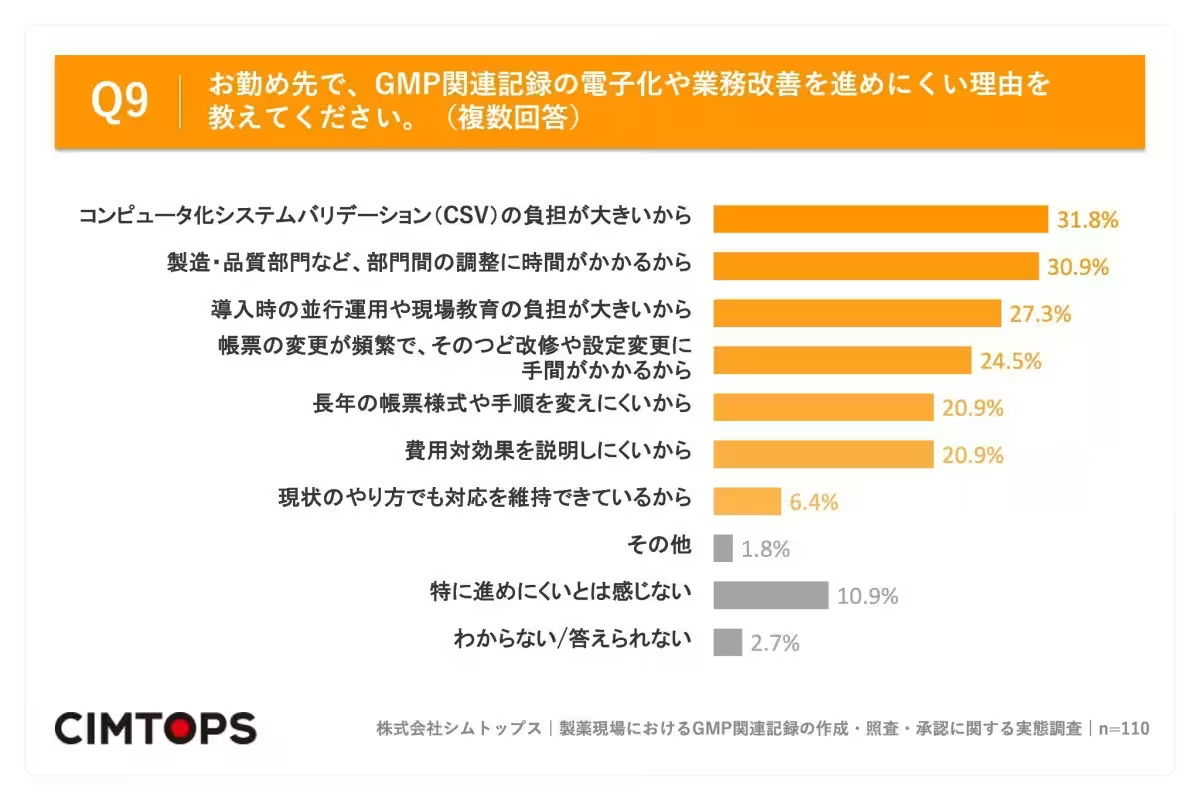
The survey also identified key barriers hindering the transition to electronic systems, with the most cited reason being the burden of computer system validation (CSV), affecting 31.8% of respondents. Other significant barriers include inter-department coordination challenges (30.9%) and the considerable training required for personnel to adapt to new systems (27.3%).
Impact of Inefficient Practices
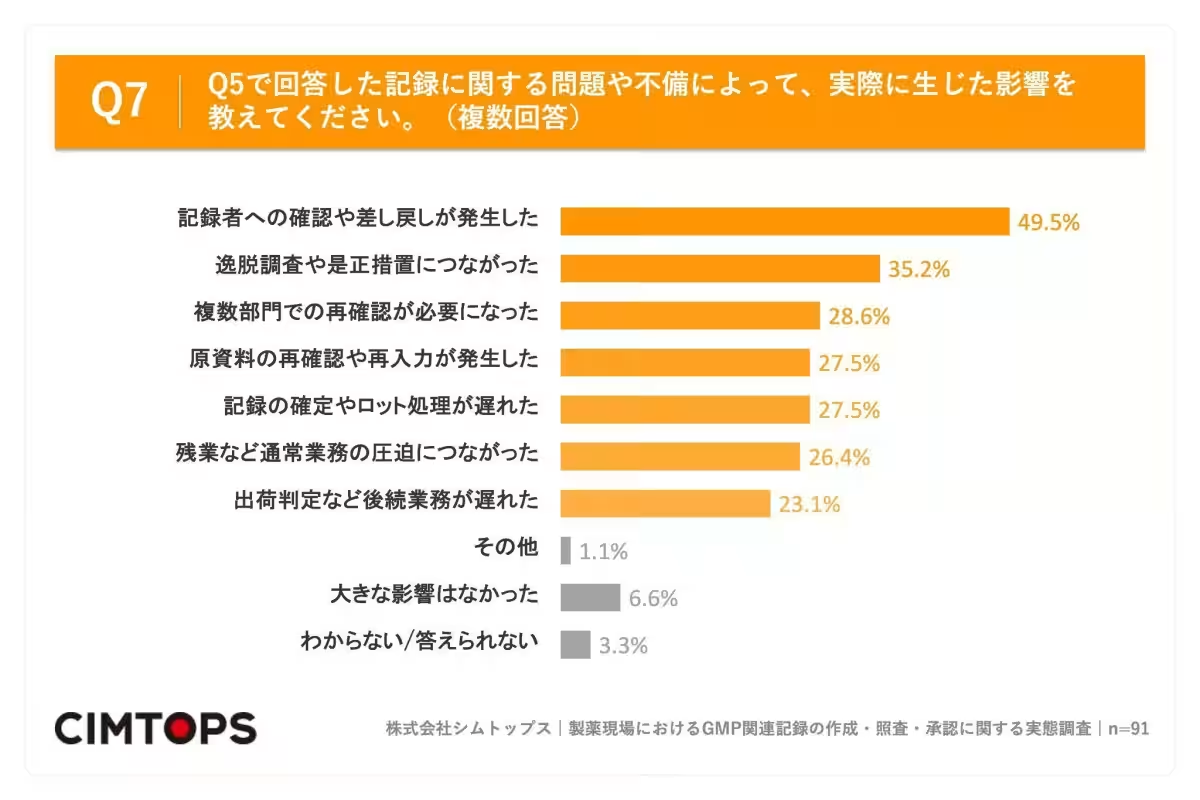
The consequences of persistent record-keeping inefficiencies are far-reaching. Nearly 49.5% reported situations where validations and corrections required revisiting with record keepers. High levels of discrepancies during record creation and verification (such as errors in transcribing data) point to a system that is not as reliable as it should be.
Hours Spent on Verification
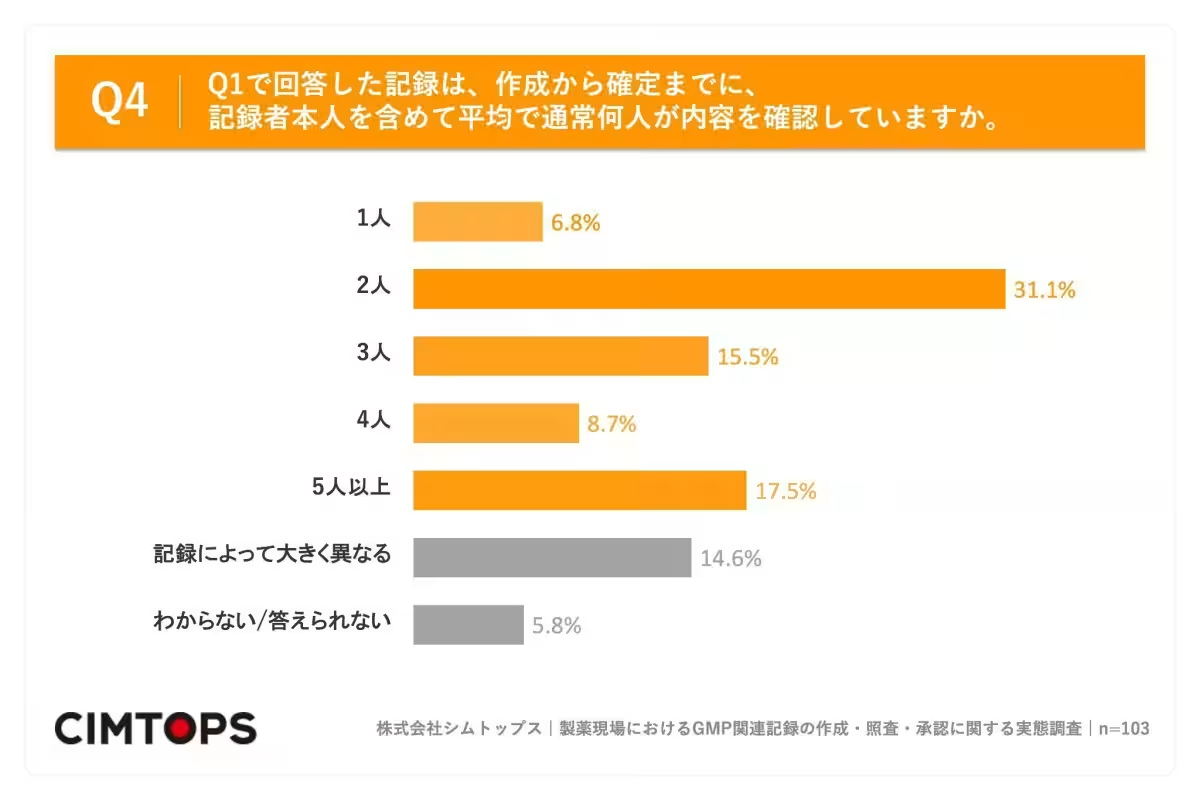
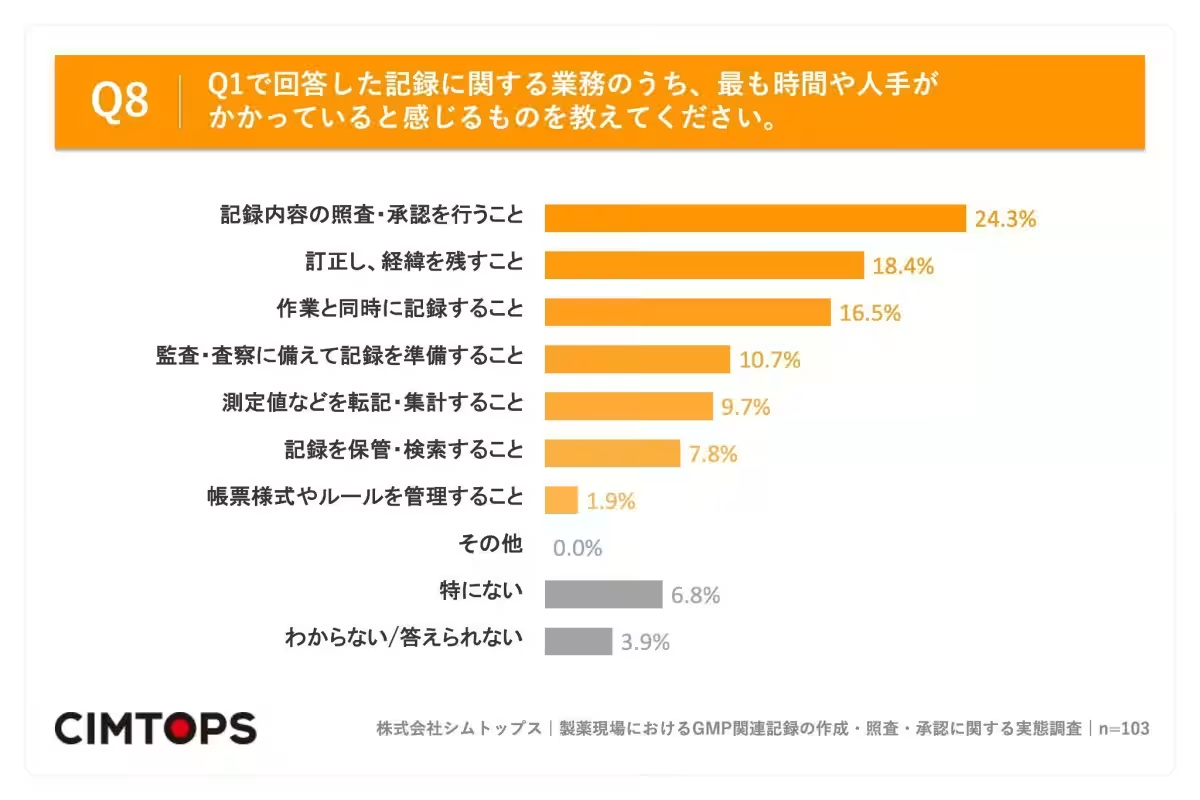
Participants noted that the verification and approval process of records is the most time-consuming, with 24.3% identifying it as particularly labor-intensive. The numerous people involved in the verification process attest to the complexity of current workflows, with an average of three individuals needed to confirm records before they can be finalized.
Need for Robust Solutions
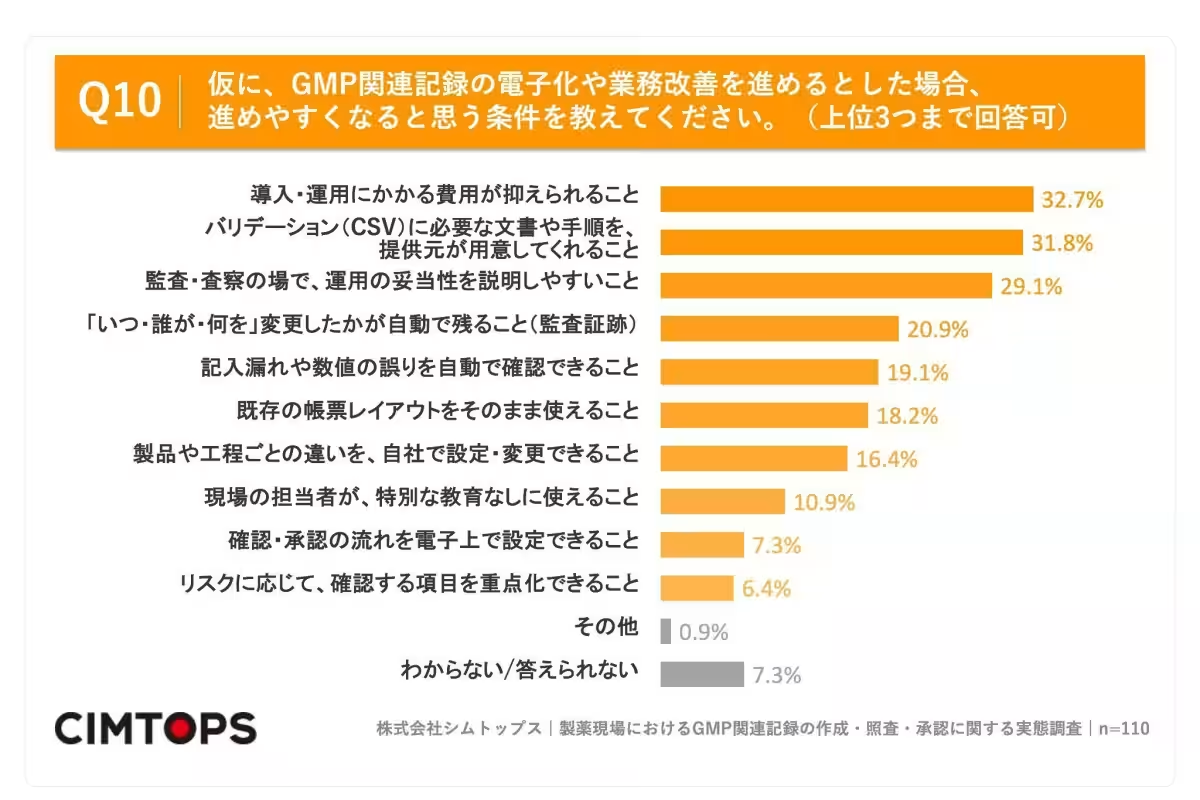
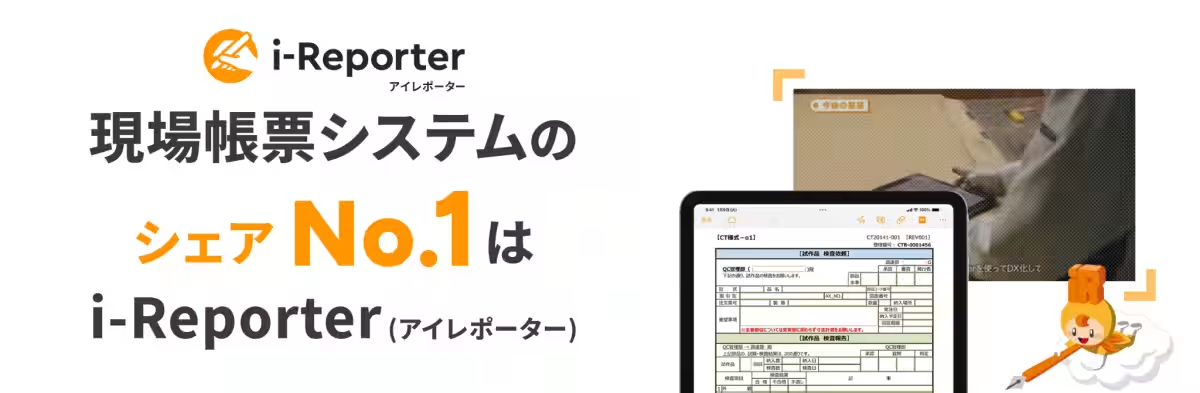
Simtops positions itself to address these issues with its field reporting system, i-Reporter, designed specifically for the pharmaceutical industry. This system simplifies the transition to digital records while ensuring the current layouts familiar to users are maintained. Features such as automated checks for essential data and calculations can reduce human error significantly.
Conclusion
The survey highlights a pressing need for a better approach to GMP record-keeping in the pharmaceutical industry. The findings underscore the widespread challenges that professionals face, particularly in relation to the ongoing reliance on manual processes. By implementing solutions like i-Reporter, companies can significantly enhance their record-keeping efficiency, reduce errors, and ultimately safeguard the quality of their products while complying with GMP standards.
For those interested in the detailed findings of this research, the complete report is available for download here.
Topics Consumer Products & Retail)
【About Using Articles】
You can freely use the title and article content by linking to the page where the article is posted.
※ Images cannot be used.
【About Links】
Links are free to use.